

Main Facts: The Rise of Efficient Urban Gardening
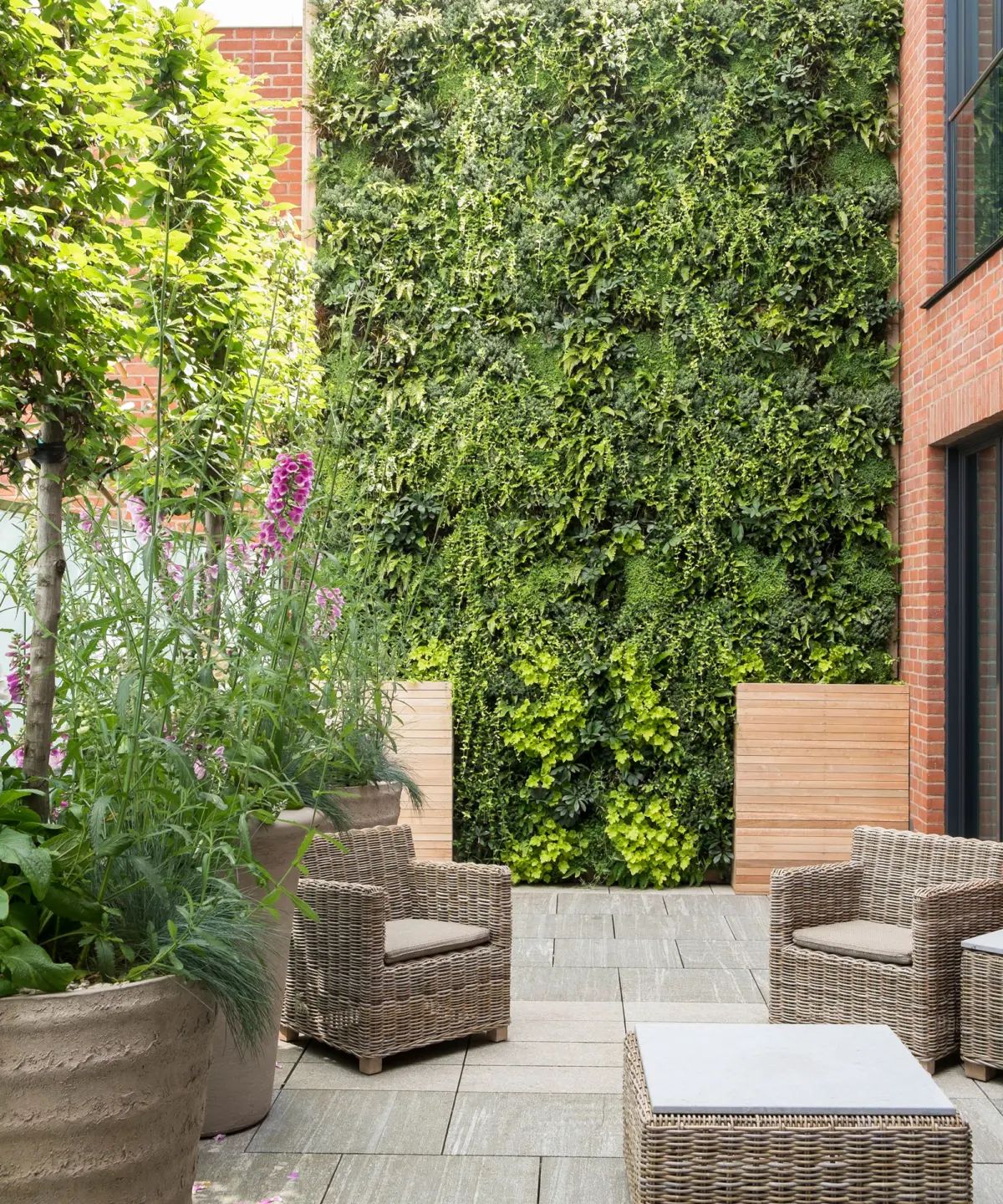
In the modern landscape of horticulture, where outdoor living spaces are shrinking and urban gardening is on a steep upward trajectory, the old adage "have the right tool for the job" is undergoing a necessary evolution. For gardeners managing compact courtyards, tight balconies, raised beds, or remote vegetable plots where sheds are restricted or non-existent, the traditional approach of maintaining a massive, single-purpose arsenal of equipment is no longer practical. Instead, a new philosophy is taking root: the minimalist toolkit centered entirely on multi-purpose, versatile gear.
Rather than dedicating precious storage space—and physical energy—to carrying separate rakes, hoes, trowels, and weeders, contemporary small-space gardeners are turning to multi-functional implements. By consolidating an entire shed’s worth of utility into a portable canvas tote bag, gardeners can accomplish complex seasonal workloads using a fraction of the gear. Industry experts and seasoned growers alike are increasingly championing multi-change systems, Japanese horizon knives, and combination hand tools as the ultimate solution for urban and micro-gardening.
Chronology: How the Gardening Industry Shifted Toward Minimalism
- Pre-2010s (The Era of Specialization): For decades, the horticultural market was dominated by specialized, single-task tools. Gardeners required dedicated long-handled shovels, leaf rakes, soil cultivators, Dutch hoes, and specialized pruning shears, resulting in cluttered sheds and substantial storage requirements.
- Early 2010s (The Modular Revolution): Manufacturers began introducing modular systems—most notably interlockable handles paired with interchangeable heads—to professional and consumer markets. This allowed users to swap out rake heads for hoes using a single structural pole.
- Mid-2010s to 2020 (The Rise of Global Influence): Gardeners increasingly looked to traditional international designs for efficiency. Japanese tools, particularly the multi-functional hori hori knife, gained widespread Western adoption due to their unmatched durability and multi-tasking capabilities.
- 2021–Present (The Compact Space Boom): Amidst a post-pandemic surge in urban container gardening, raised-bed building, and small-space living, digital and physical retail spaces saw a massive spike in demand for space-saving items. Expandable garden hoses, collapsible canvas bags, and multi-functional pruning tools emerged as standard recommendations for modern horticulturists.
Supporting Data: The Anatomy of a Minimalist Toolkit
To maintain a thriving, beautiful garden in a limited footprint, experts recommend curating a collection built around five core multi-purpose instruments.
1. Multi-Change Tool Systems
Modular systems have completely altered the workflow for gardeners managing distant plots or tight spaces. Rather than hauling an array of long-handled tools, a user needs only a single handle—such as a compact 14-inch version ideal for raised beds or a longer 59-inch aluminum pole for in-ground plots—and a selection of snap-on heads.
- Versatility: Over 50 different attachments are typically available for systems like the Wolf Garten multi-change range.
- Applications: Weeders, cultivators, fruit pickers, lawn dethatchers, and seed-sowing attachments can all be swapped onto the exact same grip in seconds.
2. The Hori Hori Knife
Originating from traditional Japanese horticulture, the hori hori (meaning "dig-dig" in Japanese) has become the gold standard of hand tools. Typically featuring a convex steel blade and a robust wooden handle, it serves as a trowel, knife, and measuring device all at once.
- Versatility: Built-in depth gradations on the blade allow for precise bulb and seedling planting.
- Applications: The razor-sharp edge slices through tough taproots, harvests thick-stemmed crops, divides perennials, and opens bags of compost with effortless precision.
3. Hoe and Tiller Combo Tools
For soil preparation and weed management in tight kitchen gardens or flower borders, a 2-in-1 hand tool featuring a flat weeding blade on one side and pronged cultivator forks on the other is indispensable.
- Versatility: Provides budget-friendly, lightweight efficiency without requiring heavy power machinery.
- Applications: The flat blade cleanly slices shallow annual weed roots, while the tines break up compacted soil, level seedbeds, and mix in organic compost without disturbing established plant roots.
4. Advanced Pruning Multi-Tools
Pruning is a year-round necessity, but carrying separate snips, heavy-duty secateurs, and a saw is counterproductive. Modern advancements—such as adjustable bypass pruners equipped with dial-controlled jaw widths—allow a single tool to handle everything from delicate deadheading to cutting thick, three-quarter-inch branches. Alternatively, Swiss-Army-style pruning knives integrate straight blades and wood-saw attachments into a single pocket-sized unit.
5. The Multi-Purpose Garden Knife
For gardeners who prefer a traditional blade over a Japanese hori hori, a multi-purpose utility knife with dual-sided functionality is the ideal fallback. Featuring a straight edge for harvesting delicate stems and a serrated edge for sawing through thick roots or cutting sod, it bridges the gap between harvesting tool and weeding implement.
Official Responses and Expert Insights
Horticultural designers and urban gardening authorities have increasingly vocalized their support for downsized, multi-functional toolkits.
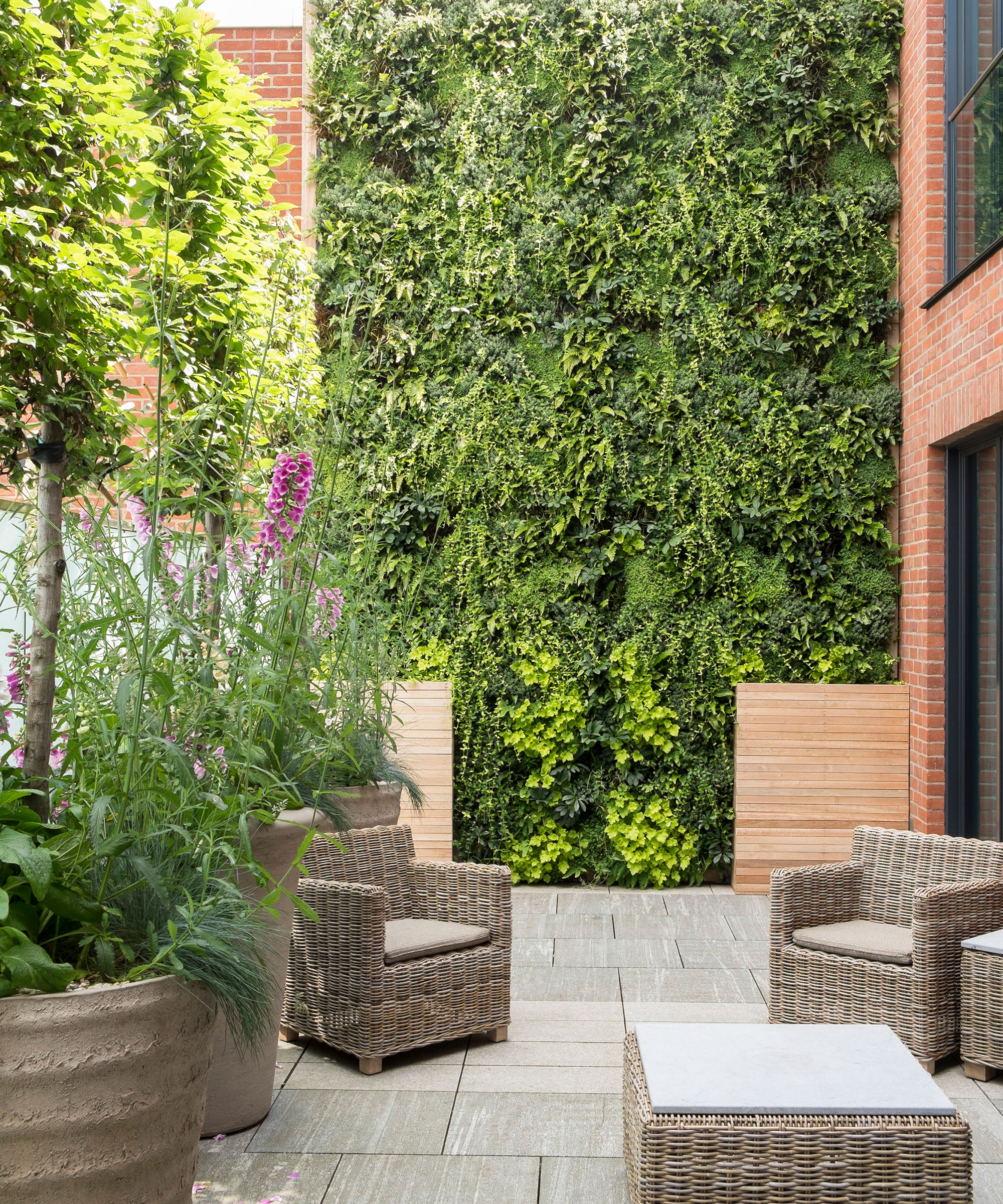
"When you are working with restricted space—whether it’s a rental allotment, a community plot where sheds aren’t permitted, or a compact city courtyard—every square inch counts," notes leading garden design consultant James Merrell. "Carrying three or four separate tools for a basic weeding session is simply inefficient. Multi-purpose instruments allow gardeners to focus their energy on plant care rather than logistics."
Furthermore, manufacturing data supports this shift in consumer behavior. Retail metrics indicate a sustained double-digit increase in the sales of collapsible garden equipment, expandable hoses, and modular tool kits over the past three years. Retail giants like Walmart report heavy consumer demand for wear-resistant, high-capacity tool bags specifically designed to house these downsized kits, proving that urban gardeners are actively prioritizing portability and spatial efficiency.
Implications: The Future of Urban Horticulture
The widespread adoption of minimalist, multi-purpose gardening tools carries significant implications for both consumers and the broader retail landscape:
- Reduced Financial Burden: By investing in one high-quality, multi-functional tool (such as a durable hori hori knife or a modular handle system) rather than a dozen cheap, single-purpose implements, gardeners save money over time.
- Lower Environmental Impact: High-durability materials paired with fewer total manufactured items align with broader sustainability goals, reducing plastic waste and resource consumption in tool production.
- Accessibility: Lightweight, compact, and ergonomic multi-tools lower the physical barrier to entry for urban gardeners, making horticulture more accessible to elderly or physically restricted individuals who struggle with heavy, cumbersome equipment.
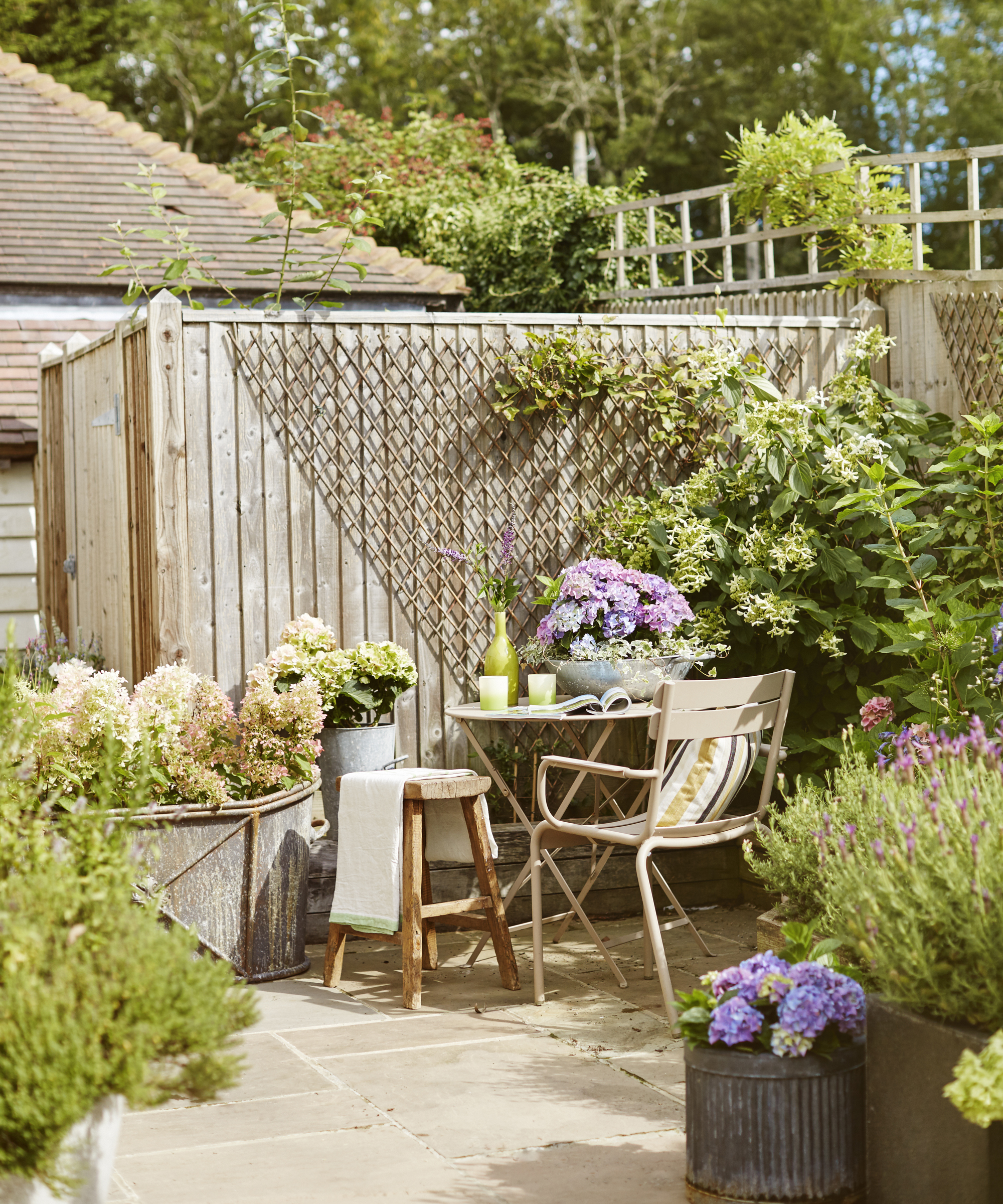
- Maximized Green Spaces: By eliminating the need for bulky storage sheds, homeowners can reclaim valuable square footage on patios, balconies, and small yards, dedicating more space to living areas, floral displays, and edible planting.
Ultimately, the minimalist toolkit proves that when it comes to modern gardening, less is remarkably more.
