

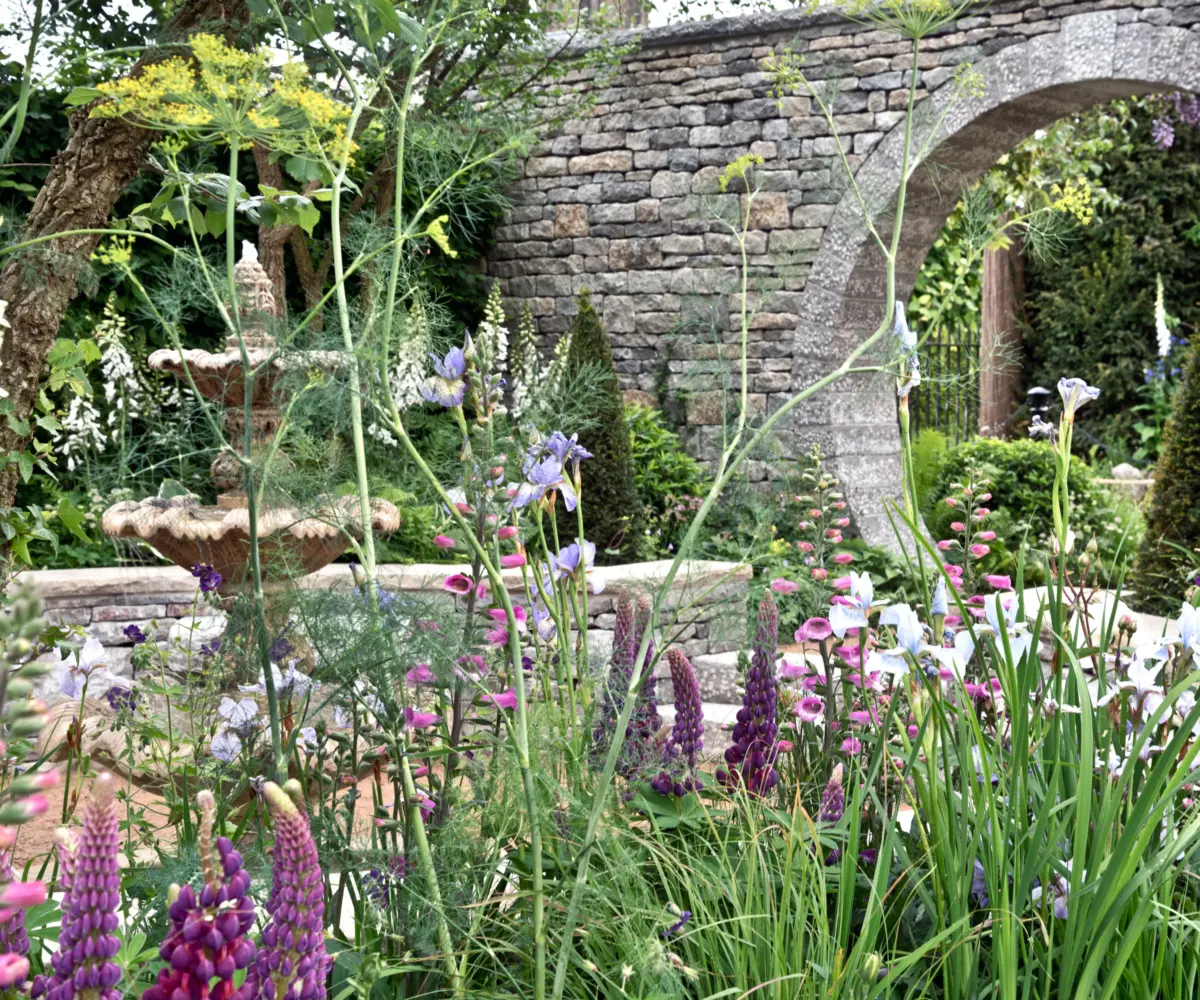
As the calendar turns toward late summer and the peak vibrancy of the growing season begins to wane, many gardeners assume their flower beds, container displays, and vegetable patches have reached their natural conclusion. However, horticultural experts and seasoned green-thumbs know that with the correct nutritional strategy, outdoor spaces can experience a spectacular second wind.
By shifting toward a targeted, high-potassium, and high-phosphorus feeding regimen, gardeners can unlock a late burst of color, encourage stubborn perennials and annuals to push out one final wave of blossoms, and help late-season crops ripen efficiently before the autumn chill settles in.
Main Facts: The Science of Late-Season Fertilization
The fundamental secret to sustaining a vibrant late-summer garden lies in understanding nutrient ratios—specifically the NPK (Nitrogen, Phosphorus, and Potassium) values found on commercial and natural fertilizers.
During the spring and early summer, plants require significant amounts of nitrogen (N) to support rapid vegetative growth, building robust root systems, strong stems, and lush green foliage. However, as the season progresses into late summer, the nutritional needs of the garden change dramatically.
- The Dangers of Late-Season Nitrogen: Continuing to supply high levels of nitrogen late in the year encourages plants to push out tender new stems and foliage. Because these soft shoots lack the time to harden off before the first autumn frosts, they are easily damaged or killed by dropping temperatures. Furthermore, this late flush of weak growth makes plants exceptionally vulnerable to opportunistic pests and fungal diseases.
- The Power of Phosphorus and Potassium: In contrast, phosphorus (P) and potassium (K) are the crucial building blocks for reproductive growth, root strength, disease resistance, and the development of vibrant blossoms and ripening fruits.
- The Timing Window: Fast-acting liquid fertilizers rich in phosphorus and potassium—such as fish-based formulations or kelp extracts—should be applied every one to two weeks once plants transition into their heavy flowering and fruiting stages. Gardeners must, however, maintain strict vigilance regarding timing: all feeding should cease roughly one month before the predicted first autumn frost to allow plants to enter their natural state of dormancy safely.
Chronology: A Seasonal Guide to Fertilizing Flower Beds and Containers
Optimizing a garden’s output requires strategic planning that aligns with the changing phases of plant growth throughout the year. Here is how the seasonal fertilization timeline unfolds:
Spring to Early Summer: The Vegetative Phase
- Focus: Root establishment, stem development, and lush foliage growth.
- Nutrient Choice: Balanced fertilizers or nitrogen-heavy organic options, such as Alaska Fish Fertilizer 5-1-1.
- Application: Applied to encourage strong framework development in young annuals, perennials, and leafy crops.
Mid-Summer: The Transition Phase
- Focus: Shifting plant energy from vegetative growth to reproductive output.
- Nutrient Choice: Gradual reduction of nitrogen inputs and the introduction of balanced bloom-boosters.
- Application: Monitoring local weather patterns and plant behavior to identify the exact moment flowering peaks.
Late Summer: The Final Push
- Focus: Maximizing blossoms, extending seasonal color, and ripening fruiting vegetables like tomatoes, peppers, and squash.
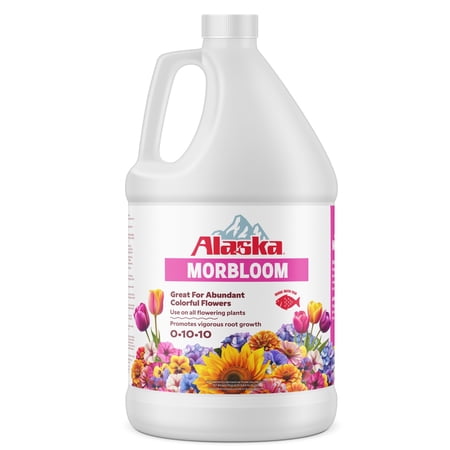
- Nutrient Choice: High-potassium and high-phosphorus liquid feeds (e.g., NPK 0-10-10 formulations like Alaska Morbloom, or concentrated boosters like 2-15-15 and 10-30-20 blends).
- Application: Frequency increases to every 1–2 weeks for container plants (which lose nutrients faster through frequent watering) and every 3 weeks for in-ground garden beds.
One Month Before First Frost: The Shutdown
- Focus: Preparing the garden for dormancy and winter protection.
- Nutrient Choice: None. All feeding is suspended entirely.
- Application: Watering is gradually reduced where appropriate, and deadheading spent blooms is phased out to let perennials set seed or naturally wind down.
Supporting Data and Product Profiles: Natural Solutions for Maximum Blooms
While chemical fertilizers have long dominated agricultural and horticultural supply stores, modern gardeners increasingly favor natural, sustainable options derived from marine byproducts and organic matter. Seaweed, kelp, plant-based teas, and fish-derived emulsions offer balanced micro-nutrients that improve soil health while driving exceptional floral displays.
Among the most popular commercial options utilized for late-season color bursts is Alaska Morbloom (0-10-10), a specialized liquid plant food manufactured using the trimmings, bones, scales, and skin harvested from the Alaskan fishing industry. These nutrient-dense marine residuals are combined with muriate of potash to create a fast-acting liquid formula explicitly engineered to maximize blossoms without triggering unwanted vegetative growth.
For gardeners seeking alternative or complementary high-performance options, the market offers several prominent formulations:
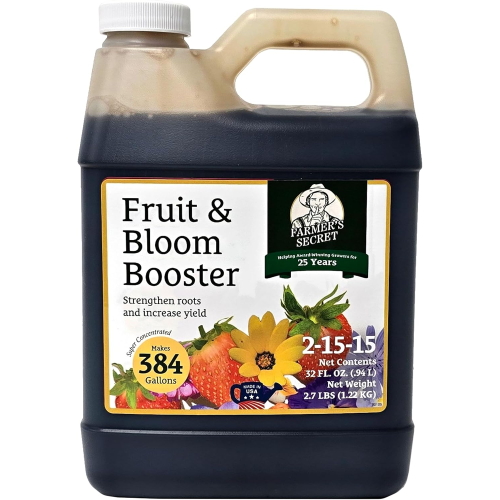
- Farmer’s Secret Fruit & Bloom Booster (NPK 2-15-15): A super-concentrated liquid feed designed to supercharge flowering and fruiting stages during the height and tail-end of summer.
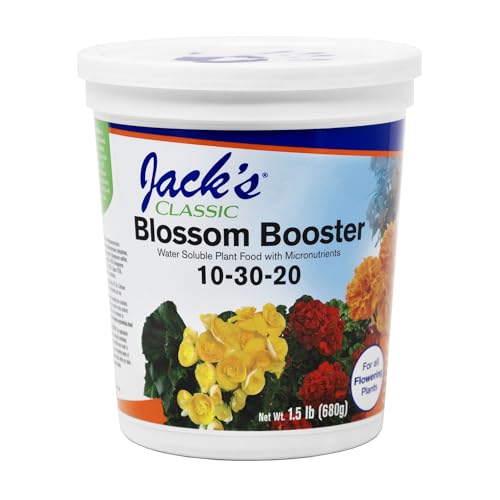
- Jack’s Classic Blossom Booster (NPK 10-30-20): A water-soluble formula packed with micronutrients tailored specifically to increase both the physical size and overall quantity of blooms on vegetables, fruits, and flowering ornamentals.
- Organic Fish Poop Liquid Fertilizers (e.g., OMRI-listed options like Ounce of Hope, NPK 2-1-4): Sourced from aquaculture operations, these ultra-gentle, organic soil conditioners introduce beneficial biological activity to container and hydroponic setups.
- Alaska Fish Fertilizer (NPK 5-1-1): An OMRI-listed organic favorite that remains ideal for early-season nitrogen needs but should be swapped out for low-nitrogen formulas as summer transitions into autumn.
Application Techniques and Best Practices
Applying high-potassium fertilizers correctly is just as important as choosing the right product. Improper application can result in root burn, nutrient runoff, or inefficient absorption.
- Dilution is Non-Negotiable: Concentrated liquid fertilizers must never be applied directly to plants in their raw form. Gardeners should always shake the bottle vigorously, consult the product label instructions, and thoroughly dilute the solution in water. For standard container care, a common guideline is mixing one tablespoon of concentrate per gallon of water.
- Target the Roots, Not the Foliage: When watering and feeding potted plants or in-ground beds, the liquid solution should be applied directly to the base of the plant at the soil level. Avoid splashing foliage from above, as wet leaves combined with cooler late-summer evenings can invite fungal issues like powdery mildew.
- Synergistic Garden Maintenance: Fertilization should not occur in a vacuum. To truly extend the blooming season, gardeners must pair their feeding schedules with diligent deadheading—the practice of snipping off spent, fading flowers. By removing old blooms before they set seed, the plant redirects its newly acquired phosphorus and potassium directly into generating fresh, vibrant buds.
- Fruiting Crop Management: Beyond ornamental flower beds, high-potash solutions are invaluable for edible gardens. Vegetable crops including tomatoes, bell peppers, cucumbers, eggplants, summer squash, and pumpkins greatly benefit from late-summer feeding, which accelerates the final ripening process before cooler weather terminates the harvest window.
Implications for Sustainable and Urban Gardening
The shift toward marine-derived and organic-based fertilizers carries broader implications for both home horticulture and environmental sustainability. By utilizing processing byproducts from the commercial fishing industry—such as bones and scales that might otherwise be discarded—manufacturers create a circular economic model that converts waste into valuable agricultural inputs.
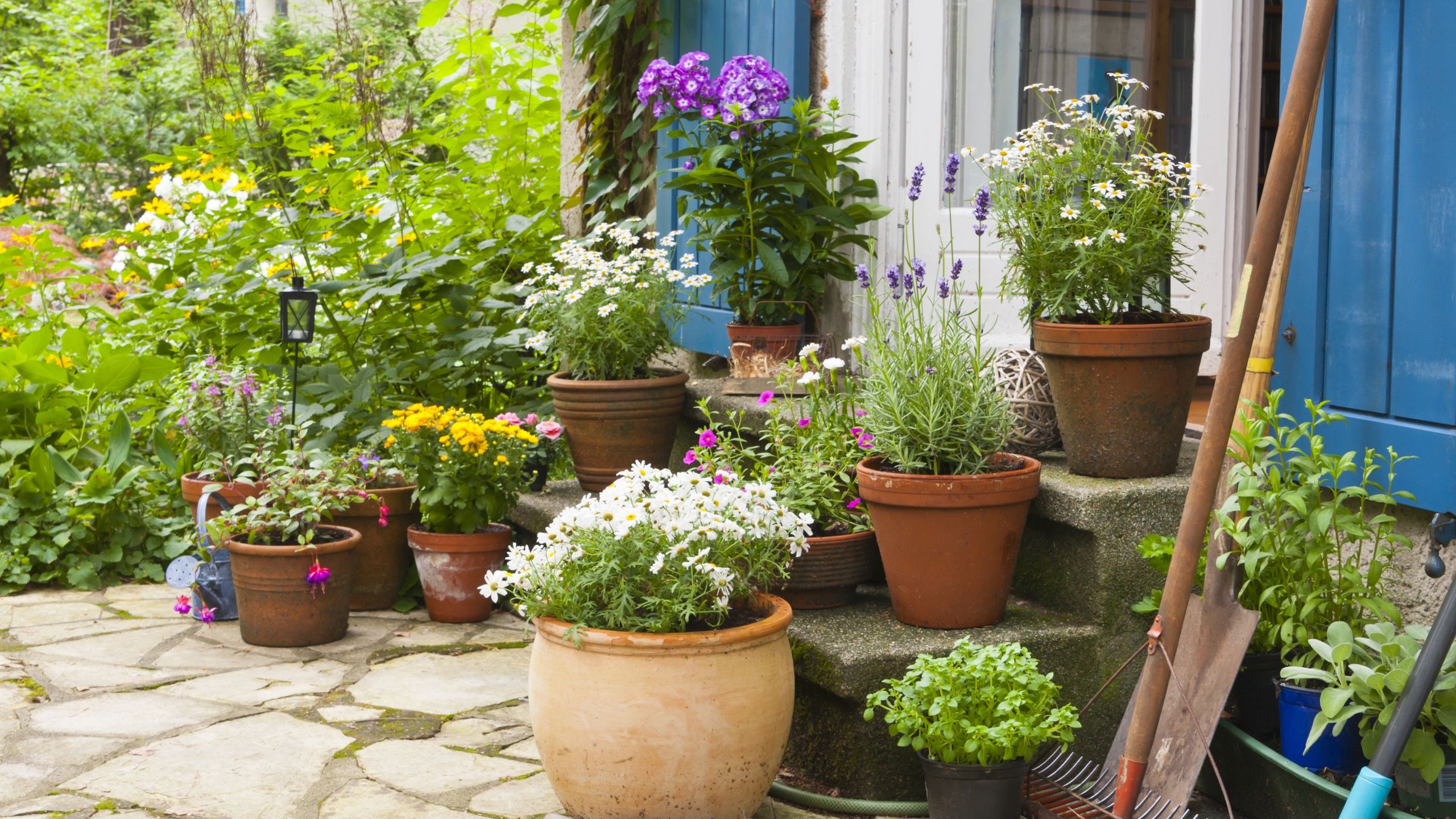
Furthermore, urban and container gardeners stand to benefit immensely from these practices. Because restricted soil volumes in pots, hanging baskets, and window boxes deplete their nutrient reserves rapidly through frequent irrigation, container plants are often the first to show signs of late-season exhaustion. Implementing a reliable, bi-weekly schedule with a fast-acting liquid bloom booster breathes new life into urban balconies, patios, and small-space courtyards, transforming fading summer displays into rich, colorful focal points that bridge the gap between summer and the arrival of autumn frost.
By respecting the natural biological boundaries of plant dormancy, timing applications carefully, and leveraging the power of phosphorus and potassium, gardeners everywhere can enjoy a vibrant, flourishing landscape right up until the very end of the growing season.
