

By Brad Bourque
Published in Tech & Commerce Coverage
Main Facts: The TCL QM7L Price Drop
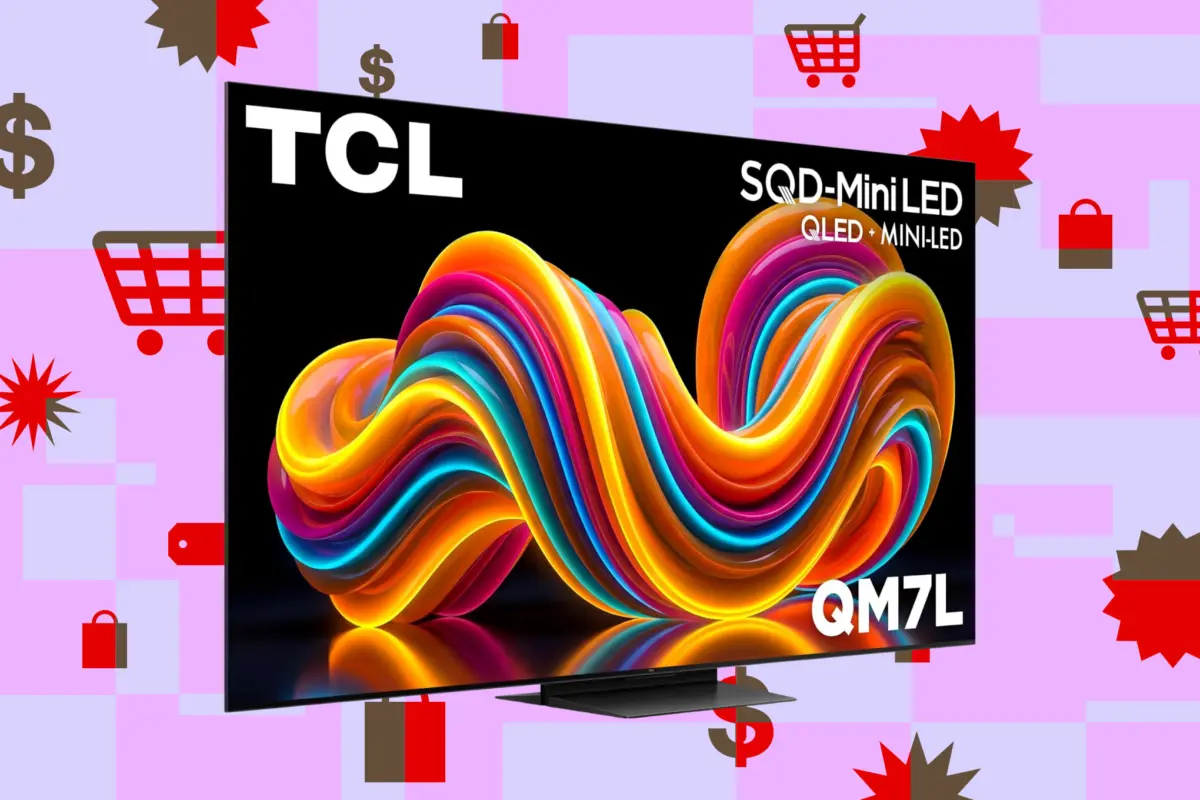
Shoppers looking to upgrade their home entertainment systems without breaking the bank have a compelling new option on the table. Major electronics retailers Amazon and Best Buy have rolled out significant price cuts on the TCL QM7L Series 4K UHD HDR SQD Mini-LED Smart TV.
The entry-level 55-inch model is currently available for $797.99, representing a straightforward $200 discount off its typical retail price. Scaled discounts are also active for larger screen configurations, though inventory is fluctuating rapidly; notably, Amazon reported limited stock on the 65-inch variant shortly after the promotion went live.
While organic light-emitting diode (OLED) televisions continue to hold the crown for absolute black levels and high-contrast dark room viewing, their steep price points often deter budget-conscious consumers. Mini-LED technology, as implemented in the TCL QM7L, bridges the gap. It delivers impressive peak brightness, robust local dimming capabilities, and Quantum Dot technology for vibrant, saturated colors, all at a significantly lower price tag.
Beyond raw panel performance, the QM7L comes packed with modern enthusiast-grade specifications. It features a native 144Hz refresh rate, supported by Variable Refresh Rate (VRR) to eliminate screen tearing and minimize input lag for next-gen console and PC gamers. For cinematic content, the display supports multiple high dynamic range formats, including Dolby Vision, ensuring accurate contrast and color grading. The television runs on the Google TV smart platform and incorporates Apple AirPlay 2 support for seamless wireless streaming from iOS and macOS devices.
Chronology: How Mini-LED Became a Market Disrupter
To understand the significance of the current TCL QM7L sale, it is helpful to look at how the home display market has evolved over the past decade.
- Pre-2018: The LCD vs. OLED Divide
For years, consumers faced a stark choice. Standard LED-backlit LCD televisions offered high brightness and affordability, but suffered from poor contrast and blooming (light bleeding into dark areas). Meanwhile, OLED TVs offered peerless picture quality with self-lit pixels, but manufacturing constraints kept prices prohibitively high. - 2019–2021: The Rise of Mini-LED
Manufacturers began shrinking the LEDs used in backlighting from traditional sizes down to microscopic "mini-LEDs." This allowed for hundreds or thousands of individual local dimming zones on a single panel, drastically improving contrast ratios and black levels on LCD-based TVs while maintaining the high brightness necessary for bright living rooms. - 2022–2024: Mainstream Adoption and Competitive Pricing
Brands like TCL, Hisense, and Samsung heavily invested in mini-LED technology. TCL, in particular, positioned itself as a value leader, offering high zone-count mini-LED TVs at a fraction of the cost of competing premium brands. Features like 144Hz refresh rates and HDMI 2.1 ports quickly migrated from niche gaming monitors to mainstream living room displays. - 2026: The Arrival of the QM7L Lineup
TCL’s introduction of the QM7L series solidified the technology’s maturity. By integrating advanced Quantum Dot color enhancement with refined mini-LED backlighting and Google TV, the brand created a mid-to-high-tier contender designed to compete directly with displays costing hundreds of dollars more. The recent $200 discount at Amazon and Best Buy marks one of the first major promotional corrections for this generation of hardware.
Supporting Data: Specifications and Market Positioning
Evaluating a television purchase requires looking beyond marketing terms and examining hard technical specifications. The TCL QM7L series brings a robust spec sheet to the sub-$1,000 price bracket.
| Feature / Specification | TCL QM7L (55-Inch Model) | Typical Mid-Range Competitor |
|---|---|---|
| Current Sale Price | $797.99 | $850 – $1,000 |
| Standard Retail Price | $997.99 | Varies |
| Display Technology | Mini-LED with Quantum Dots | Standard LED / Edge-Lit |
| Native Refresh Rate | 144Hz | 60Hz – 120Hz |
| Gaming Features | Variable Refresh Rate (VRR), Auto Low Latency Mode (ALLM) | Basic HDMI 2.0/2.1 |
| HDR Formats | Dolby Vision, HDR10+, HLG | HDR10, basic Dolby Vision |
| Smart Platform | Google TV | Varies (Roku, Tizen, webOS) |
| Wireless Casting | Chromecast built-in, Apple AirPlay 2 | Chromecast or AirPlay (rarely both) |
Understanding the Trade-Offs: Mini-LED vs. OLED
While the TCL QM7L offers exceptional value, prospective buyers should weigh the technological differences:
- Brightness: Mini-LED TVs like the QM7L typically achieve much higher peak brightness levels than similarly priced OLEDs. This makes them ideal for brightly lit rooms with large windows.
- Contrast and Black Levels: OLED pixels can turn completely off, resulting in infinite contrast and zero blooming around white text on black backgrounds. Mini-LED utilizes zones; while advanced algorithms minimize blooming, extremely high-contrast scenes can still exhibit minor light scatter.
- Burn-In Risk: Organic materials in OLEDs carry a theoretical risk of permanent image retention (burn-in) if static UI elements are displayed for thousands of hours. Mini-LED panels do not suffer from burn-in, making them a safer choice for continuous news channel viewing or static-heavy productivity tasks.
Official Responses and Industry Reception
Industry analysts and consumer tech reviewers have closely monitored TCL’s aggressive pricing strategy. While TCL has not released an official corporate statement regarding the specific duration of the Amazon and Best Buy promotions, representatives from the company have repeatedly emphasized their commitment to making advanced display technology accessible.

"Our goal with the QM series has always been to democratize high-end home theater features," noted a regional TCL product marketing representative during a recent briefing. "Consumers should not have to choose between a bright, vibrant picture and modern gaming performance just because they are shopping on a strict budget."
Retail partners have also weighed in on consumer demand trends. According to aggregated data from major electronics distributors, demand for mini-LED televisions has outpaced standard LED models by a significant margin heading into the mid-year shopping cycle.
"We are seeing a definitive shift in buyer behavior," says a retail inventory manager who spoke on the condition of anonymity. "Customers who previously walked past standard LED TVs because they wanted OLED quality are now stopping at mini-LED displays. Price points under $800 for a 55-inch unit with 144Hz support and Quantum Dots represent a sweet spot that moves inventory very quickly."
Implications: What This Means for Consumers and the TV Market
The $200 discount on the TCL QM7L carries several broader implications for both buyers and the broader consumer electronics landscape.
1. Pressure on Competitors to Lower Prices
With TCL offering high-end features—such as high-refresh-rate gaming support, comprehensive HDR compatibility, and advanced local dimming—at sub-$800 price points, competing brands like Samsung, LG, and Sony face mounting pressure. To remain competitive in the mid-tier market, these legacy brands may be forced to accelerate their own promotional discounts or pack more advanced backlighting technology into their entry-level and mid-range offerings.
2. A Win for Budget-Conscious Gamers
The inclusion of a 144Hz refresh rate alongside Variable Refresh Rate makes the QM7L an attractive display for owners of current-generation gaming consoles (PlayStation 5 and Xbox Series X) as well as PC gamers. Historically, securing a TV capable of handling high frame rates without motion blur or input lag required investing in premium flagship models. Price drops like this democratize high-performance gaming hardware, bringing enthusiast-grade responsiveness to a wider audience.
3. Inventory Volatility
As demonstrated by Amazon’s rapid depletion of the 65-inch stock during the rollout of this sale, high-value tech deals do not last indefinitely. Consumers tracking these price cuts must act quickly if they intend to secure a specific screen size, as supply chain constraints and seasonal demand spikes frequently cause popular television configurations to sell out or revert to their standard MSRP without advance warning.
Disclaimer: Pricing and stock availability for the TCL QM7L are subject to change. Some links in this article may be sponsored affiliate links, meaning purchases made through them may generate a commission for the publisher at no additional cost to the buyer.
