

By Blake Stimac
Enriched & Expanded Editorial Coverage
For more than a decade, the rhythm of the autumn tech calendar has been as reliable as the changing of the leaves. Apple, the world’s most valuable technology titan, would reliably take to the stage at Apple Park in Cupertino every September, unveiling its entire flagship smartphone ecosystem in one sweeping presentation. Consumers, analysts, and tech enthusiasts knew the drill: keynote on a Tuesday or Wednesday, preorders on the following Friday, and shiny new devices in consumers’ hands a week and a half later.
For the upcoming iPhone 18 generation, however, that familiar blueprint is reportedly being ripped to shreds.
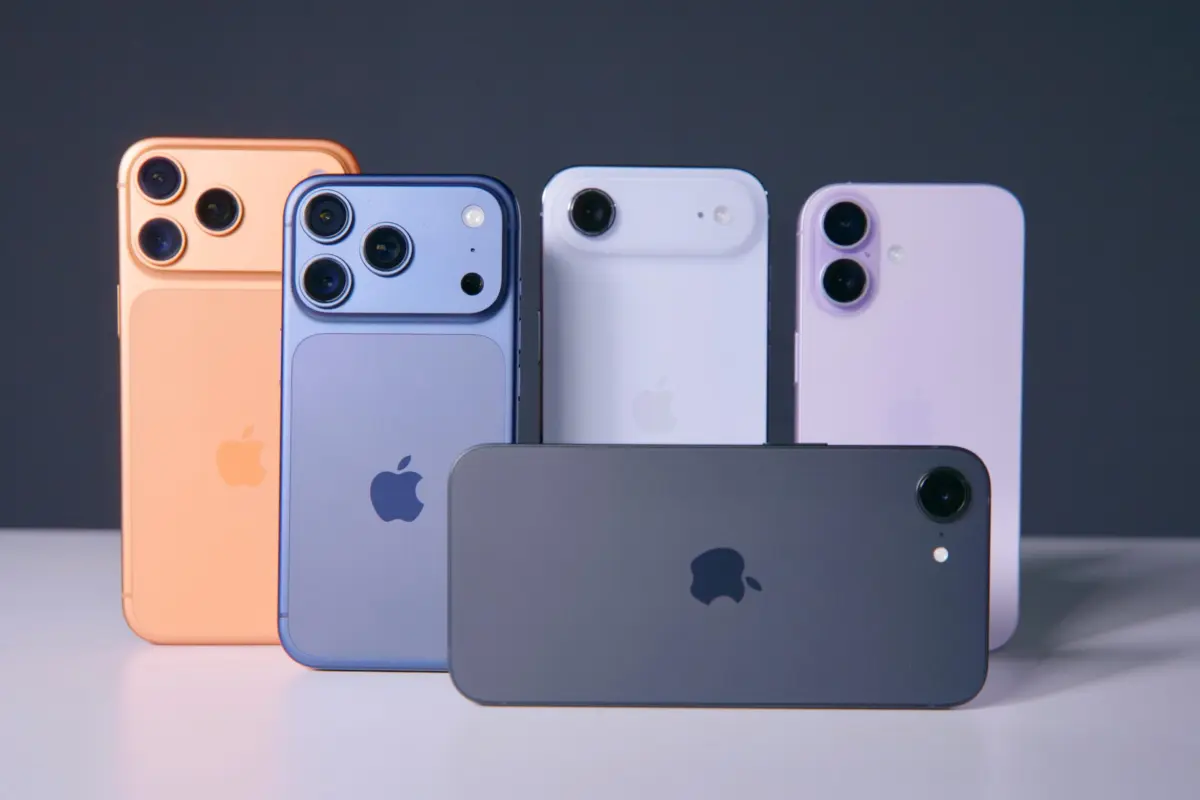
According to industry reports and supply chain leaks corroborated by Bloomberg, Apple is preparing to execute a seismic shift in its hardware rollout strategy. Rather than deploying its entire smartphone arsenal at once, Apple is rumored to split the launch of the iPhone 18 family. High-end, ultra-premium devices—including the iPhone 18 Pro, iPhone 18 Pro Max, and the highly anticipated, paradigm-shifting foldable iPhone Ultra—are still slated for a traditional September debut.
However, the standard iPhone 18 and the follow-up to the ultra-thin iPhone Air are facing a significant delay, pushed out to the spring of 2027. This potential pivot marks a fundamental transformation in how Apple approaches product cadence, shifting toward a biannual release structure that mirrors strategies long employed by rival Samsung.
As the tech world braces for what could be the most disruptive product cycle in recent memory, we break down what the rumors say, examine historical release data, and analyze what a staggered iPhone rollout means for the future of the mobile market.
Main Facts: Deconstructing the iPhone 18 Staggered Launch
The core of the unfolding story centers on a strategic bifurcation of Apple’s product lineup. For years, Apple has leaned on a singular, massive fall event to drive holiday sales. But market maturation, component shortages, and an aggressive push into new form factors have forced Cupertino’s hand.
The September Vanguard: Pros and the Foldable Ultra
Apple has officially sent out media invites for a special fall event scheduled for Sept. 9 at 10 a.m. PT / 1 p.m. ET at Apple Park. This is where the tech giant will showcase its "best of the best" hardware.
- iPhone 18 Pro and Pro Max: These devices will anchor the fall release. Rumors indicate they will ship with smaller Dynamic Islands and feature a variable aperture camera system—a massive win for mobile photography enthusiasts seeking DSLR-like depth-of-field control in their pockets.
- The iPhone Ultra (Foldable): Apple’s heavily rumored entry into the foldable market is slated to make its grand debut alongside the Pro series on September 9. While preorders may open concurrently, actual shipping dates for the Ultra could lag slightly behind due to ongoing manufacturing complexities surrounding ultra-thin hinge mechanisms and foldable display panels.
The Spring Wave: Standard iPhone 18 and iPhone Air 2
Conversely, consumers looking for the baseline iPhone 18 or the second-generation iPhone Air will likely be forced to practice patience. Industry insiders suggest these models will not materialize until spring 2027.
This strategic delay effectively establishes a biannual rhythm for Apple. By staggering its releases, Apple can command the news cycle twice a year, keeping consumer attention locked onto its ecosystem year-round while smoothing out manufacturing bottlenecks in its global supply chains.
Chronology: A History of Apple’s Traditional Release Window
To fully understand how radical a departure the iPhone 18 launch represents, it is vital to look at the historical data. Apple has spent the better part of fifteen years conditioning its customer base to expect new iPhones every September.
| iPhone Generation | Announcement Date | Available in Stores |
|---|---|---|
| iPhone 12 & 12 Pro | Oct. 13, 2020 | Oct. 23, 2020 |
| iPhone 12 Pro Max & 12 Mini | Oct. 13, 2020 | Nov. 13, 2020 |
| iPhone 13, 13 Mini, 13 Pro, 13 Pro Max | Sept. 14, 2021 | Sept. 24, 2021 |
| iPhone 14, 14 Pro & 14 Pro Max | Sept. 7, 2022 | Sept. 16, 2022 |
| iPhone 15, 15 Plus, 15 Pro, 15 Pro Max | Sept. 12, 2023 | Sept. 22, 2023 |
| iPhone 16, 16 Plus, 16 Pro, 16 Pro Max | Sept. 9, 2024 | Sept. 20, 2024 |
| iPhone 17, 17 Pro, 17 Pro Max, Air | Sept. 9, 2025 | Sept. 19, 2025 |
As the timeline illustrates, aside from the logistical anomalies of 2020 caused by the global pandemic (which forced the iPhone 12 series into October and November waves), Apple has maintained an ironclad September release cadence. The introduction of the iPhone 18 split breaks a consistency streak that consumers have relied upon since the iPhone 5.

Supporting Data & Industry Analysis: Why Now?
The decision to split the iPhone 18 lineup is not being made in a vacuum. Industry analysts point to several compounding pressures driving Apple toward a spring-and-fall release model.
1. The Component Crunch and RAM Pressures
The smartphone industry has faced relentless cost and supply hurdles, ranging from shifting semiconductor economics to broader supply chain strains like escalating RAM shortages. AI-driven features demand increasingly complex neural engines and higher memory bandwidth, driving up component costs. Staggering the manufacturing load allows Apple’s assembly partners (such as Foxconn and Pegatron) to prioritize high-margin components for the Pro and Ultra tiers first, alleviating factory floor strain before producing millions of standard-tier units.
2. The Rise of the "E" Series and Spring Cadence
Apple has quietly mastered the art of the spring release via its budget-conscious lines. The iPhone SE lineage, followed more recently by devices like the iPhone 17E—which launched at a competitive $599 price point—has historically dropped in March.
By pushing the standard iPhone 18 and iPhone Air 2 into the spring of 2027, Apple is effectively aligning its mid-tier and budget-conscious devices into a unified early-year window. This mirrors Samsung’s well-established playbook: launch the ultra-premium Galaxy S flagships and foldables in mid-winter/mid-summer, keeping retail momentum continuously active.
Official Responses and Expert Insights
Industry experts have been quick to weigh in on what Apple’s strategic pivot means for the broader competitive landscape.
"Apple will likely reveal its first foldable iPhone on September 9 along with the iPhone 18 Pro series," noted David Naranjo, associate director at Counterpoint Research. "The base iPhone 18 model announcements are expected to be pushed into spring 2027. This staggered launch marks a notable change in Apple’s release cadence, with a strong emphasis on premiumization."
Market observers note that this pivot is a masterclass in psychological pricing and upselling. By withholding the standard iPhone 18 until the spring, budget-conscious consumers who walk into an Apple Store in September—only to find that only Pro and Ultra models are available—may experience "FOMO" (fear of missing out) and stretch their budgets to purchase the higher-end hardware immediately.
For Apple’s bottom line, this accidental (or perhaps calculated) upselling mechanism could result in a higher Average Selling Price (ASP) for iPhones heading into the critical holiday shopping quarter.
Implications: What This Means for Consumers and the Market
The ripple effects of a staggered iPhone release will be felt across the entire consumer electronics ecosystem.
For the Consumer
- The Wait for Entry-Level Tech: If you are an ecosystem loyalist who prefers the standard, non-pro models or an affordable upgrade path, your wait just got significantly longer. You will need to hold onto your current device well into 2027.
- Decision Fatigue: With new devices launching across two distinct seasons, shopping for an iPhone will no longer be a simple "latest model" decision. Consumers will need to weigh whether to buy a six-month-old Pro device in the fall or wait for a brand-new standard device in the spring.
- Pricing Pressures: With rumors swirling that component costs and AI integration are driving up baseline device expenses, waiting until spring may also bring clarity on whether budget-tier models like the iPhone 18E will inherit price hikes.
For the Competition
Rivals like Samsung and Google, which have long utilized fragmented or multi-season product rollouts, now watch as Apple adopts a similar rhythm. By occupying the spring spotlight alongside its autumn dominance, Apple threatens to starve competitors of the breathing room they traditionally enjoyed during the first quarter of the calendar year.
Conclusion
As September 9 approaches, the anticipation surrounding Apple Park is palpable. CNET will have boots on the ground in Cupertino to cover every detail of the keynote, breaking down the specs of the iPhone 18 Pro series and giving you the first official look at Apple’s long-awaited foldable future.
Whether the rumored spring delay for the standard iPhone 18 turns out to be a permanent structural shift or a one-off logistical adjustment, one thing is certain: the rules of the smartphone game are changing, and Apple is writing them as it goes.
