

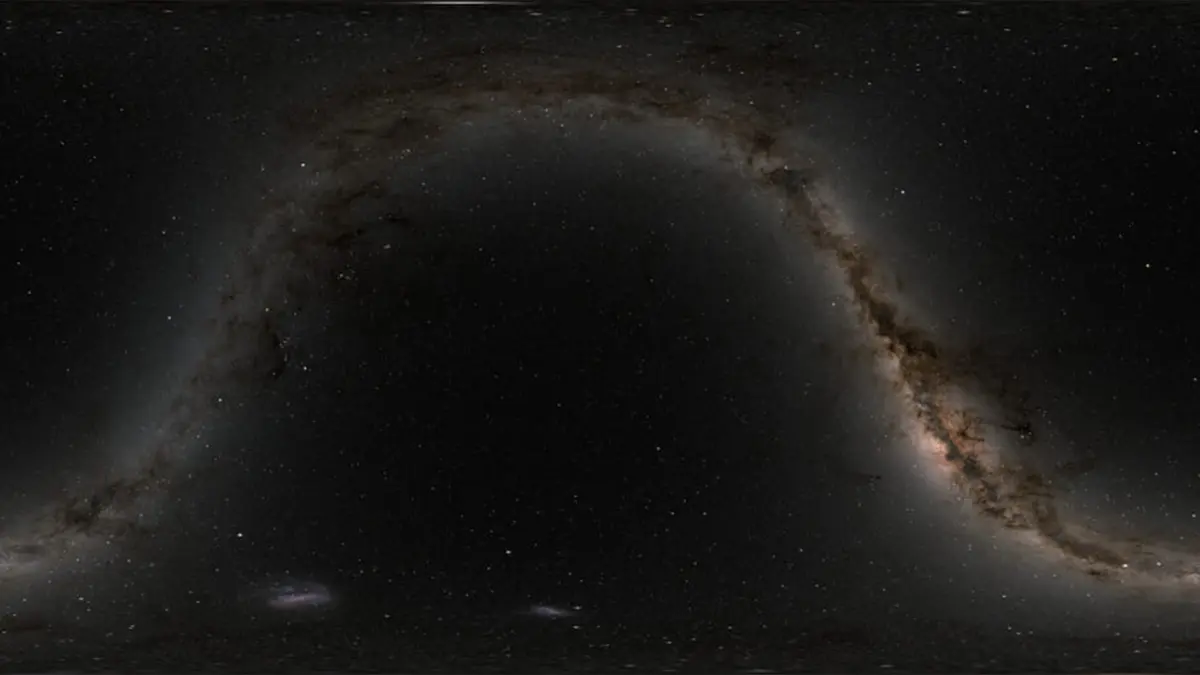
Following an eventful summer defined by rare solar eclipses, the brilliant Perseids meteor shower, and near-total lunar phenomena, skywatchers are preparing to transition into crisp autumn nights. As the seasons shift from outdoor stargazing in warm weather to cozy evenings wrapped in blankets, September 2026 offers an exceptional lineup of celestial events.

For both seasoned amateur astronomers and casual stargazers, September is far from a quiet month. From planetary conjunctions and meteor showers to the elusive opposition of Neptune and the transition of seasonal constellations, the night sky provides a rich tapestry of educational and observational opportunities.

Main Facts
September bridges the gap between the vibrant summer constellations and the deeper, darker skies of autumn. The month is packed with distinct astronomical occurrences:

- Meteor Showers: The conclusion of the minor Aurigids shower early in the month, followed by the onset of the long-duration Southern Taurids.
- Planetary Alignments: A tightly clustered series of close encounters between the Moon and four major planets—Mars, Jupiter, Mercury, and Venus—all occurring within an eight-day window.
- Optimal Stargazing Windows: A prime new moon on September 11 offers dark skies for deep-sky object hunters, though offset by the upcoming Harvest Moon.
- Planetary Highlights: Venus reaches its peak evening brilliance, and ice giant Neptune arrives at opposition, making it easier to spot through binoculars or a telescope.
- The Equinox: The official arrival of the astronomical autumn on September 22.
Chronological Guide to September’s Celestial Events
Navigating the night sky requires timing. Here is a chronological breakdown of what to look for week by week.

Early Month: Meteors and Planetary Meetups
- September 1: The Aurigids meteor shower reaches its peak. Driven by debris from the C/1911 N1 Kiess comet, this minor shower originates from the constellation Auriga. Stargazers should look toward the northeastern horizon shortly after midnight. While individual rates are low—typically yielding one meteor at a time—it serves as an appetizer for the month.
- September 7: The Moon begins a celestial dance with the inner and outer planets, starting with Mars. Rising over the northeastern horizon just after 3:00 a.m. local time, the Red Planet and our lunar satellite will pace each other through the night.
- September 8: The Moon meets Jupiter. Following closely behind the previous night’s Martian pairing, the Moon sweeps past the gas giant, creating a striking visual easily visible to the naked eye.
- September 11: New Moon. With the lunar disc positioned directly between Earth and the Sun, the Moon’s glare vanishes from the night sky. This provides the darkest skies of the month, creating an ideal window for astrophotographers and deep-sky observers to hunt for faint nebulae and distant galaxies—provided local light pollution permits.
- September 12: The Moon and Mercury rendezvous. This is one of the more challenging sights of the month, occurring right at sunset. Observers will have only a narrow window of a few minutes to spot the pairing low near the western horizon before they dip below it.
Mid-Month: Peak Brilliance and the Equinox
- September 14–15: The Moon and Venus pair up. Similar to the Mercury meetup, this conjunction takes place at dusk, though Venus’s inherent brightness makes it substantially easier to locate.
- September 18: Venus at Greatest Evening Elongation. Venus reaches its maximum angular separation from the Sun for this evening apparition. Shining with unmatched brilliance in the western sky just after sunset, it is practically impossible to miss unless obstructed by local structures or dense tree lines.
- September 20: The Southern Taurids begin. While this shower lasts for two full months (stretching until November 20) and is fueled by Comet 2P/Encke, its peak is still weeks away. However, late-September observers may catch an occasional early fireball streaking across the sky.
- September 22: The Fall Equinox. At 8:05 p.m. ET, the Sun crosses Earth’s celestial equator, marking the official astronomical transition from summer to autumn in the Northern Hemisphere. Day and night are nearly equal in length, setting off the cultural shift toward cooler weather.
Late Month: Giants and Harvest
- September 25: Neptune at Opposition. Opposition occurs when Earth passes directly between a celestial body and the Sun. For Neptune, the farthest major planet in our solar system, this alignment brings it to its closest point to Earth for the year. Situated directly between Saturn and the Moon, Neptune rises at sunset. However, because it is outshone by the impending full moon, observers will need telescopes or high-powered binoculars to pick out its faint blue-green disc.
- September 26: The Harvest Moon. The full moon peaks at 12:49 p.m. ET. Because this occurs during daylight hours, the best views will be captured on the morning of September 26 or the evening of September 27. Traditionally dubbed the Corn Moon, it earns the title of "Harvest Moon" because it is the full moon closest to the autumnal equinox, historically providing extra illumination for farmers working late into the evening.
Supporting Data & Observational Parameters
For amateur astronomers planning their observing sessions, understanding the mechanics of these events is critical for success.

| Event | Date | Optimal Viewing Time | Key Target / Constellation | Equipment Needed |
|---|---|---|---|---|
| Aurigids Meteor Shower | Sept. 1 | Post-midnight (Sept. 1) | Auriga / Northeast Horizon | Naked eye, dark skies |
| Moon-Mars Conjunction | Sept. 7 | Post-3:00 a.m. | Northeast Horizon | Naked eye / Binoculars |
| Moon-Jupiter Conjunction | Sept. 8 | Early morning hours | Near Jupiter | Naked eye / Binoculars |
| New Moon (Dark Skies) | Sept. 11 | All night | Deep-space targets | Telescope, dark-sky site |
| Moon-Mercury Conjunction | Sept. 12 | Sunset / Dusk | Western Horizon | Binoculars (caution near Sun) |
| Venus Greatest Brilliance | Sept. 18 | Post-sunset | Western Horizon | Naked eye |
| Southern Taurids Start | Sept. 20 | Late evening | Taurus / Eastern Horizon | Naked eye / Patience |
| Autumnal Equinox | Sept. 22 | 8:05 p.m. ET | N/A (Global event) | Scientific observance |
| Neptune at Opposition | Sept. 25 | Sunset to sunrise | Between Saturn and Moon | Telescope / High-power binoculars |
| Harvest Moon | Sept. 26 | Dusk / Dawn | Full lunar disk | Naked eye / Camera |
Official Perspectives and Astronomical Insights
Professional scientific institutions, including NASA and the National Oceanic and Atmospheric Administration (NOAA), continually monitor these recurrent astronomical milestones. Weather satellites track the seasonal shifts signaled by the equinox, while planetary scientists utilize opposition windows—such as Neptune’s alignment on September 25—to gather long-term data on the outer solar system.

Organizations like the American Meteor Society (AMS) track events like the Taurids closely, noting their unique multi-year cycle behaviors. While standard years yield low sporadic activity, the Taurid complex is famous for periodic "swarm years"—periods of heightened activity driven by dense streams of cometary debris. Although the next major swarm year is not projected until 2032, keeping a watchful eye on late-September skies can yield surprising meteoric fireballs.

Implications for Skywatchers and the Public
Beyond the scientific utility of tracking planetary oppositions and equinoxes, these monthly celestial cycles offer significant cultural and recreational value.

- Accessibility of Astronomy: Unlike deep-space photography that requires expensive tracking mounts and specialized filters, September’s highlights—such as the bright evening apparition of Venus, planetary conjunctions with the Moon, and the brilliant Harvest Moon—are entirely accessible to casual observers using only the naked eye.
- Urban Stargazing Challenges: Events like the New Moon on September 11 provide an educational opportunity to discuss light pollution. While the absence of lunar glare helps reveal faint celestial bodies, urban and suburban light domes continue to pose a barrier for amateur astronomers, emphasizing the importance of dark-sky conservation parks.
- Seasonal Transition: Culturally, the alignment of the September equinox and the Harvest Moon anchors human traditions to planetary mechanics. For millennia, these markers have dictated agricultural practices, harvest festivals, and community gatherings, reminding modern societies of our deep connection to orbital mechanics.
Whether you are stepping out past midnight to catch a stray Aurigid meteor, tracking Venus along the western horizon at dusk, or setting up a telescope to locate Neptune’s tiny blue orb against the backdrop of the September stars, the transition from summer to autumn provides a magnificent skygazing slate.
