

By Terrence O’Brien
Weekend Editor & Technology Analyst
Main Facts
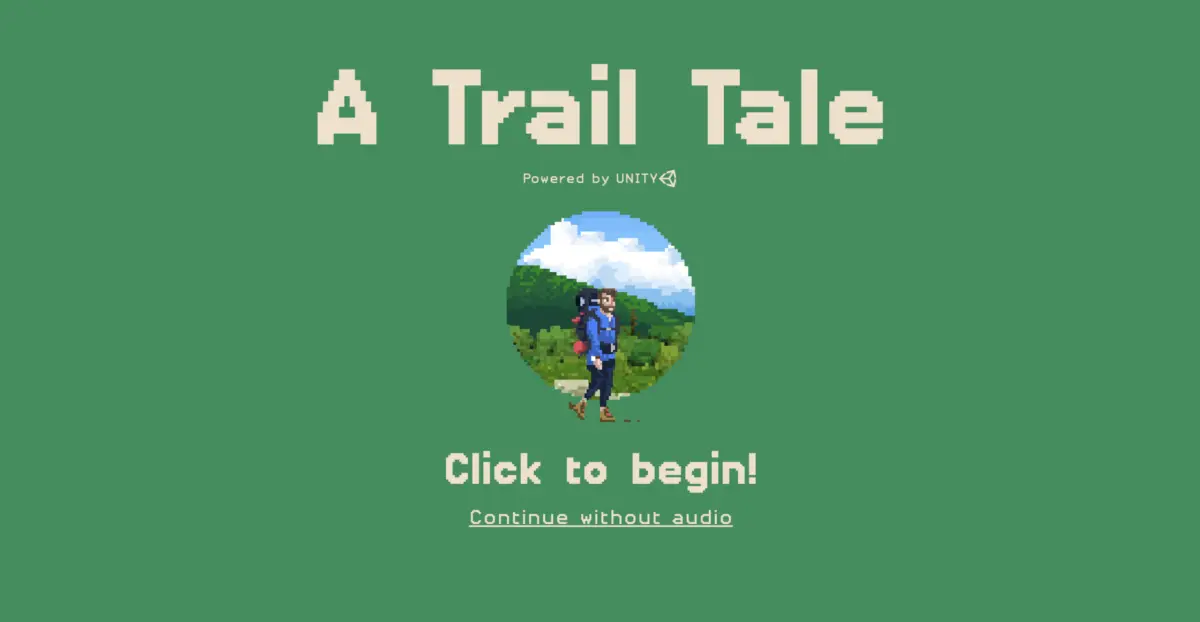
In an era dominated by hyper-realistic graphics, ray tracing, and sprawling open-world video games designed to demand dozens of hours of high-intensity engagement, a quiet digital sanctuary has emerged from an unexpected corner of the internet. Created by Andy Moliski with invaluable artistic and musical contributions from his brothers Adam and Alex, A Trail Tale is an interactive, web-based digital journal that meticulously chronicles a true-to-life backcountry backpacking journey.
Rather than leaning into the bombast of modern AAA gaming, A Trail Tale captures the imagination through nostalgic charm, featuring gorgeous, hand-crafted pixel art reminiscent of classic 1990s point-and-click adventure titles produced by studios like Sierra On-Line. This visual aesthetic is paired with an evocative, atmospheric original score composed by Alex Moliski, which blends ambient natural soundscapes with organic instrumentation, including acoustic guitars, swelling strings, and woodwinds.
Functionally, the project bridges the gap between interactive storytelling, multimedia journalism, and light survival simulation. As users click through sequential days on the trail, they are introduced to specific geographic landmarks, historical context of the region, and deeply personal reflections from Andy’s logs.
Borrowing subtle mechanical inspiration from historical touchstones like The Oregon Trail—thankfully without the historically accurate yet brutal risk of succumbing to dysentery—the experience features a lightweight user interface. Interacting with the digital avatar of Andy opens up an expansive inventory of menus, tracking everything from his fluctuating morale and mental fortitude to poetic musings inspired by the wilderness. External factors, ranging from grueling mountain climbs and torrential rainstorms to breathtaking vistas and moments of profound solitude, dynamically impact these status meters, grounding the digital journey in a palpable sense of physical and emotional reality.
Chronology: From the Backcountry to the Browser
The journey toward A Trail Tale did not begin in a software development studio, but on dirt paths thousands of miles away from a computer screen.
- The Genesis (Pre-Production): For the Moliski brothers, a shared passion for the outdoors served as a formative cornerstone of their upbringing. Long before lines of code were written or pixels were placed, extended family camping trips and backcountry explorations planted the seeds for a creative project that would eventually pay homage to the great outdoors.
- The Expedition: Andy Moliski embarked on a grueling, multi-week thru-hiking expedition, meticulously documenting his daily progress, physical struggles, mental highs and lows, and the shifting geography of the trail. Unbeknownst to casual observers at the time, these raw, unfiltered field notes would form the immutable narrative backbone of a digital archive.
- Development and Artistic Collaboration: Upon returning from the wilderness, Andy conceptualized a way to share the experience beyond a standard, text-heavy blog or photo album. Teaming up with Adam and Alex, the trio began translating raw journal entries into an interactive medium. Alex set to work recording an adaptive musical score that could mirror the emotional trajectory of a long-distance hike, while the visual framework was built to evoke a specific era of digital nostalgia.
- The Public Launch: Released quietly to the public, A Trail Tale rapidly found an appreciative audience among outdoor enthusiasts, nostalgic gamers, and media critics looking for a respite from the fast-paced noise of modern internet culture. The site quickly became a word-of-mouth sensation across digital communities celebrating independent web design and long-form personal narratives.
Supporting Data and Context
While A Trail Tale functions primarily as a work of art and personal expression, it arrives at a fascinating intersection of demographic shifts in outdoor recreation and digital media consumption trends.
- The Thru-Hiking Phenomenon: According to data from organizations like the Appalachian Trail Conservancy (ATC), thousands of hikers attempt to complete the roughly 2,190-mile Appalachian Trail every year. However, completion rates traditionally hover around only 25 percent due to physical injury, financial constraints, and familial obligations. Projects like A Trail Tale provide a vital vicarious outlet for the overwhelming majority of outdoor enthusiasts who dream of long-distance treks but find themselves grounded by real-world responsibilities.
- The Rise of Independent Web Art: In an internet ecosystem increasingly dominated by walled-garden social media algorithms and corporate streaming platforms, independent web-native projects are experiencing a renaissance. Interactive journals and passion projects hosted on independent domains harken back to the early days of the web, proving that immersive storytelling requires neither massive budgets nor high-end hardware.
- Psychological Benefits of Nature Media: Numerous psychological studies—including research published in the Journal of Environmental Psychology—indicate that exposure to nature imagery and ambient soundscapes can significantly lower cortisol levels and reduce mental fatigue. Even mediated or digital representations of natural environments have been shown to evoke restorative cognitive responses in adults trapped in urban or office environments.
Official Responses and Creative Insights
The creators behind A Trail Tale have spoken about the project as a labor of love designed to freeze time and preserve the transient emotions felt only when deep in the wilderness.

In interviews and developer notes, the Moliski brothers emphasized that the goal was never to gamify hiking to the point of stress, but rather to translate the feeling of a long-distance trek into a universally accessible format.
"When you are out on the trail for weeks at a time, the boundaries between the physical exhaustion and the mental clarity begin to blur," notes the development team. "We wanted to build something that didn’t just show you where Andy walked, but allowed you to feel the weight of the pack, the sudden drop in temperature when a storm rolls over the ridge, and the quiet peace of an evening by the campfire."
Early reception from the literary and gaming communities has been overwhelmingly positive. Critics have praised the project for weaponizing nostalgia effectively without falling into cheap pastiche. By pairing genuine vulnerability in the writing with meticulous artistic craftsmanship, the creators have elevated what could have been a standard personal blog into a universally resonant piece of digital literature.
Furthermore, outdoor advocacy groups have quietly championed the project as an effective gateway to conservation awareness. By romanticizing the raw, unfiltered experience of traversing backcountry ecosystems, A Trail Tale fosters a deep-seated respect for public lands among demographics that might otherwise remain disconnected from nature.
Implications: The Future of Digital Storytelling and Personal Connection
The breakout success of A Trail Tale carries profound implications for how we document personal experiences and consume narrative media in the digital age.
First, it highlights a growing cultural fatigue with traditional social media platforms. Audiences are increasingly exhausted by hyper-curated, algorithmic feeds designed to maximize outrage and ad revenue. In contrast, slower, intentional, and self-contained web experiences like A Trail Tale invite users to deliberately slow down, unplug from the noise, and engage with content on human terms.
Second, the project demonstrates the untapped potential of combining classic retro aesthetics with modern web technologies. By utilizing the visual language of 1990s point-and-click adventures, the creators bypass the uncanny valley of high-definition realism, tapping directly into the collective childhood nostalgia of millennial and Gen X audiences. This stylistic choice lowers emotional defenses, making users more receptive to the introspective poetry and existential calm embedded within Andy’s journal entries.
Finally, for readers like myself—individuals caught in the perpetual whirlwind of careers, mortgages, and raising children—A Trail Tale serves as both a comforting sedative and a gentle provocation. It is a reminder that while life’s practical obligations may temporarily ground us, the wilderness hasn’t gone anywhere. Whether it inspires someone to pack up the station wagon for a modest weekend family camping trip or finally dust off old hiking boots to tackle a challenging stretch of the local trail, the project achieves the ultimate goal of great art: it compels us to look up from our screens, step outside, and reconnect with the world waiting just beyond our doorstep.
