

Main Facts
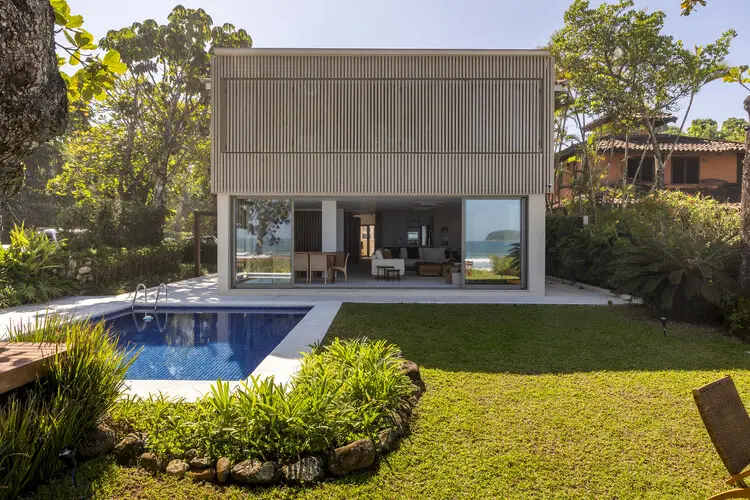
Nestled along the pristine sands of Baleia Beach in São Sebastião, on the picturesque coast of São Paulo, Brazil, stands Casa ADS—a residential landmark that has served as a beloved family sanctuary for more than two decades. Recently, the property underwent a profound and much-needed architectural evolution. Curated by Susanna Moreira and captured through the lens of architectural photographer Rafael Renzo, the comprehensive renovation was spearheaded by the renowned Brazilian practice VOA Arquitetura.
Originally built to accommodate a family’s generational weekend and holiday retreats, the home eventually fell out of step with contemporary lifestyles. Over its twenty-year history, architectural trends, spatial needs, and the family’s daily dynamics had shifted significantly. The home’s once-functional layout had become compartmentalized, dark, and disconnected from the stunning natural coastal environment surrounding it.
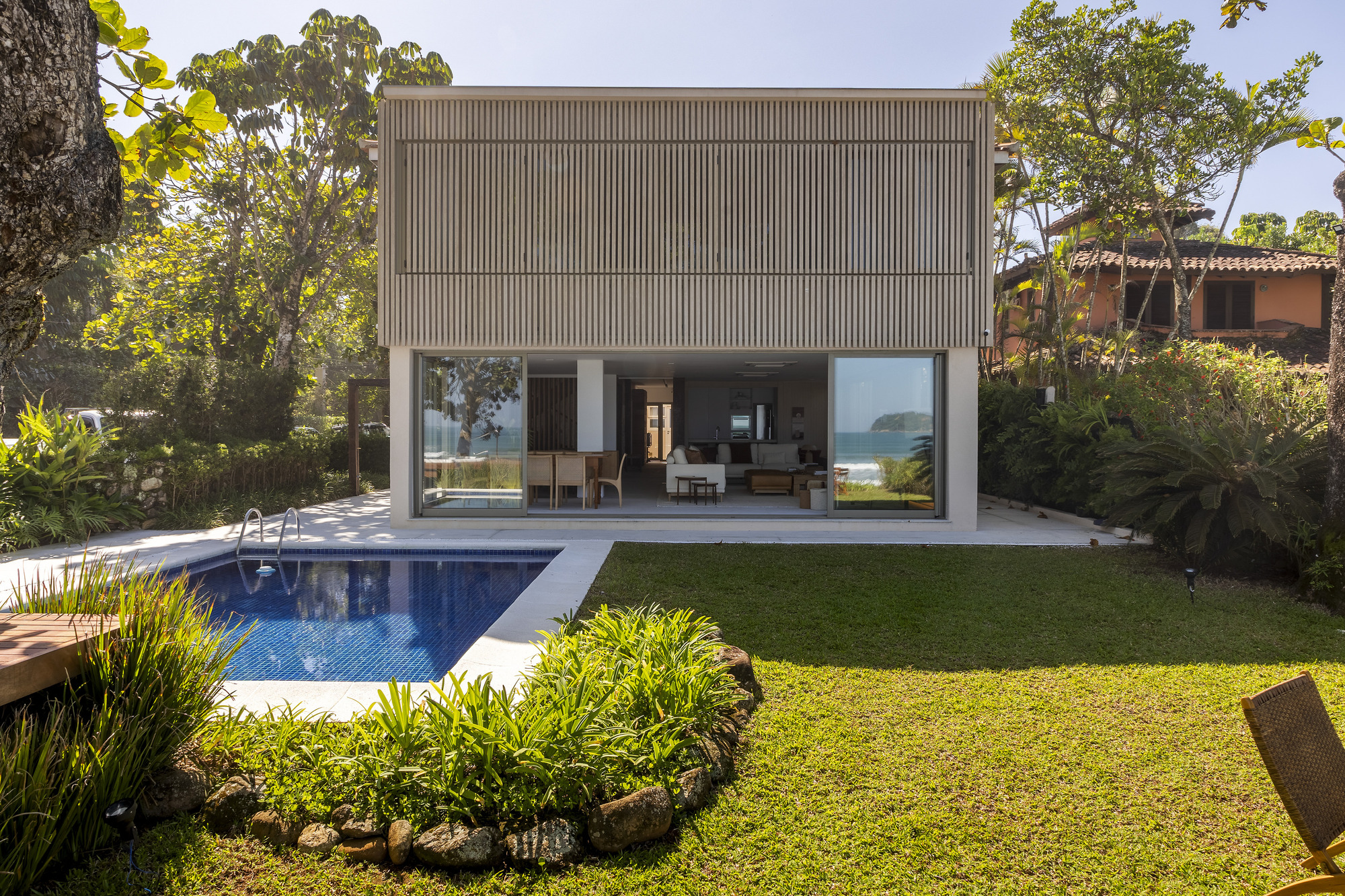
Recognizing these challenges, VOA Arquitetura was tasked with reimagining the residence. The primary objective was twofold: to aggressively open the interior spaces to the breathtaking landscape of the São Paulo coastline, and to modernize the floor plan to seamlessly adapt to a contemporary, fluid way of living. Through strategic spatial interventions, refined material selections, and a heightened focus on indoor-outdoor connectivity, the redesigned Casa ADS now stands as a modern tropical pavilion that honors its coastal context while offering state-of-the-art residential luxury.
Chronology
The journey of Casa ADS from an outdated coastal cottage to a contemporary architectural masterpiece unfolded across distinct phases, spanning over two decades of habitation and a meticulously planned renovation timeline:
- Early 2000s: The original Casa ADS is constructed on Baleia Beach, quickly establishing itself as the family’s cherished go-to destination for vacations, holidays, and extended weekend getaways along the São Paulo coastline.
- The Intervening Years (2000s–2020s): Over twenty years of continuous use, the family expands, generational needs evolve, and architectural standards shift. The home begins to exhibit signs of spatial fatigue, characterized by restrictive interior walls, limited natural light penetration, and an awkward relationship with the surrounding exterior gardens and balconies.
- Late 2020s (Project Commission): Recognizing that the home no longer serves their lifestyle, the owners commission VOA Arquitetura to execute the first major renovation in the property’s history.
- Design & Planning Phase: VOA Arquitetura develops a comprehensive master plan centered on transparency, integration with nature, and the modernization of communal and private spaces.
- Construction & Execution: The physical transformation takes place, stripping away obsolete partitioning to introduce sweeping glass panels, expanded open-air balconies, and fluid interior-exterior transitions.
- August 29, 2026: The project is officially published and showcased to the global architectural community via platforms like ArchDaily, capturing widespread acclaim for its sensitive yet bold intervention in a sensitive coastal ecosystem.
Supporting Data
To understand the scope and architectural significance of the Casa ADS renovation, various project metrics and contextual data points highlight the scale of VOA Arquitetura’s intervention:
- Location: Baleia Beach, São Sebastião, São Paulo, Brazil.
- Architectural Firm: VOA Arquitetura.
- Curator: Susanna Moreira.
- Photography: Rafael Renzo.
- Primary Material Palette: Reinforced concrete, structural glass, native Brazilian timber, and locally sourced stone finishes designed to withstand coastal weathering.
- Typology: Coastal residential architecture / Major single-family home renovation.
- Lifespan of Original Structure: Over 20 years prior to the recent overhaul.
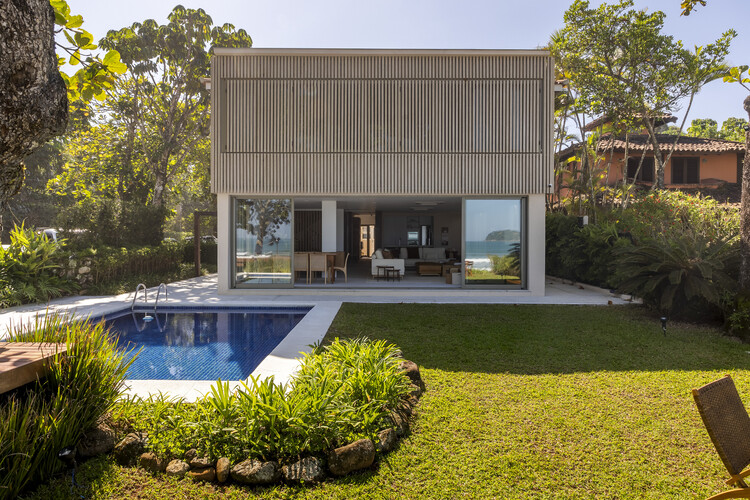
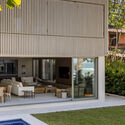
- Key Spatial Features: Expanded outdoor balconies, seamlessly integrated internal courtyards, and panoramic glass boundaries that dissolve the barrier between the indoor living areas and the surrounding tropical gardens.
Official Responses and Design Philosophy
While major architectural interventions often invite friction between preservation and modernization, the dialogue surrounding Casa ADS emphasizes a harmonious balance between emotional heritage and functional progression.
According to design statements provided by VOA Arquitetura, the core driving force behind the renovation was memory preservation through spatial liberation. "For over twenty years, this house has been the canvas upon which the family’s best memories have been painted," notes the design team. However, buildings must breathe and adapt alongside the lives of their inhabitants. The architects noted that the original structure suffered from "inward-looking architecture"—a common trend in older coastal developments that prioritized defensive walls and small windows over environmental engagement.
By stripping the design back to its structural essence, VOA Arquitetura sought to establish an architecture of transparency. The official project brief highlights that the house "had to open up to the landscape and adapt to a new way of living." Rather than demolishing the home entirely—which would have erased two decades of accumulated family history—the firm opted for a surgical renovation. They re-engineered the core circulation paths, widened the visual corridors toward the ocean, and transformed the transitional spaces (such as the balconies and courtyards) into active, multi-functional living zones.
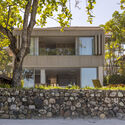
Curator Susanna Moreira, who oversaw the presentation of the project, underscored the fluidity achieved in the final layout. The design successfully merges the interior domestic sphere with the raw, untamed beauty of the São Paulo coastline, ensuring that every room interacts dynamically with natural light, ocean breezes, and lush greenery.
Implications
The successful transformation of Casa ADS by VOA Arquitetura carries several broad implications for contemporary residential architecture, particularly within tropical and coastal contexts:
1. Adaptive Reuse Over Demolition
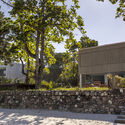
In an era dominated by the impulse to raze and rebuild, Casa ADS serves as a powerful testament to the value of adaptive reuse. By choosing to heavily renovate rather than demolish a twenty-year-old home, the owners and architects minimized construction waste while preserving the intangible cultural heritage and emotional value embedded within the property. This approach offers a sustainable model for coastal real estate, proving that outdated structures can be successfully modernized without losing their soul.
2. The Evolution of Coastal Living
Traditional Brazilian coastal architecture historically favored heavy masonry walls and deep, shaded veranda setups designed primarily to block out intense tropical heat. VOA Arquitetura’s intervention reflects a modern paradigm shift: utilizing high-performance architectural glass, cross-ventilation strategies, and open-plan layouts that welcome nature inside rather than shutting it out. This sets a contemporary benchmark for how luxury beach homes can balance climatic protection with absolute visual and physical transparency.
3. Setting a Precedent for Regional Architectural Practices
Projects like Casa ADS elevate the profile of regional architectural firms like VOA Arquitetura on the global stage. By demonstrating a sophisticated mastery of material selection, spatial flow, and site sensitivity along the São Paulo coast, the practice reinforces Brazil’s standing as a global powerhouse in modern tropical residential design. As families continue to re-evaluate their living spaces in the wake of changing lifestyle needs, Casa ADS will undoubtedly serve as a case-study reference for architects tackling similar legacy renovation projects worldwide.
