When unwanted pests breach the perimeter of your home, sliding past windowsills and finding gaps in weather-stripping, the psychological toll can be just as heavy as the physical annoyance. While the occasional housefly or wandering spider is mostly harmless, a sudden influx of biting insects, wood-boring ants, or disease-carrying roaches demands immediate and decisive action. For homeowners facing widespread indoor infestations, few DIY tools match the sweeping, aggressive efficacy of an insect fogger—commonly referred to as a "bug bomb."
Choosing the right fogger, however, is not a decision to be taken lightly. The market is saturated with varying formulas, active ingredients, and application methods designed for distinct scenarios. To help homeowners navigate this crowded landscape, pest control experts and testing panels have evaluated dozens of top-tier products. Based on versatility, residual protection, odor profile, and application cleanliness, industry specialists have identified the standout options for reclaiming a bug-free household safely and efficiently.
The Anatomy of an Infestation: Main Facts and Product Evaluations
Insect foggers work by releasing a concentrated aerosol mist that fills a designated volume of space, settling into cracks, crevices, and hard-to-reach areas where pests hide, breed, and nest. Unlike standard surface sprays that require direct contact or localized application, foggers saturate an entire room, making them exceptionally potent for multi-bug problems.
Following rigorous testing of top models, several distinct formulations have emerged as industry leaders, each tailored to specific household needs:
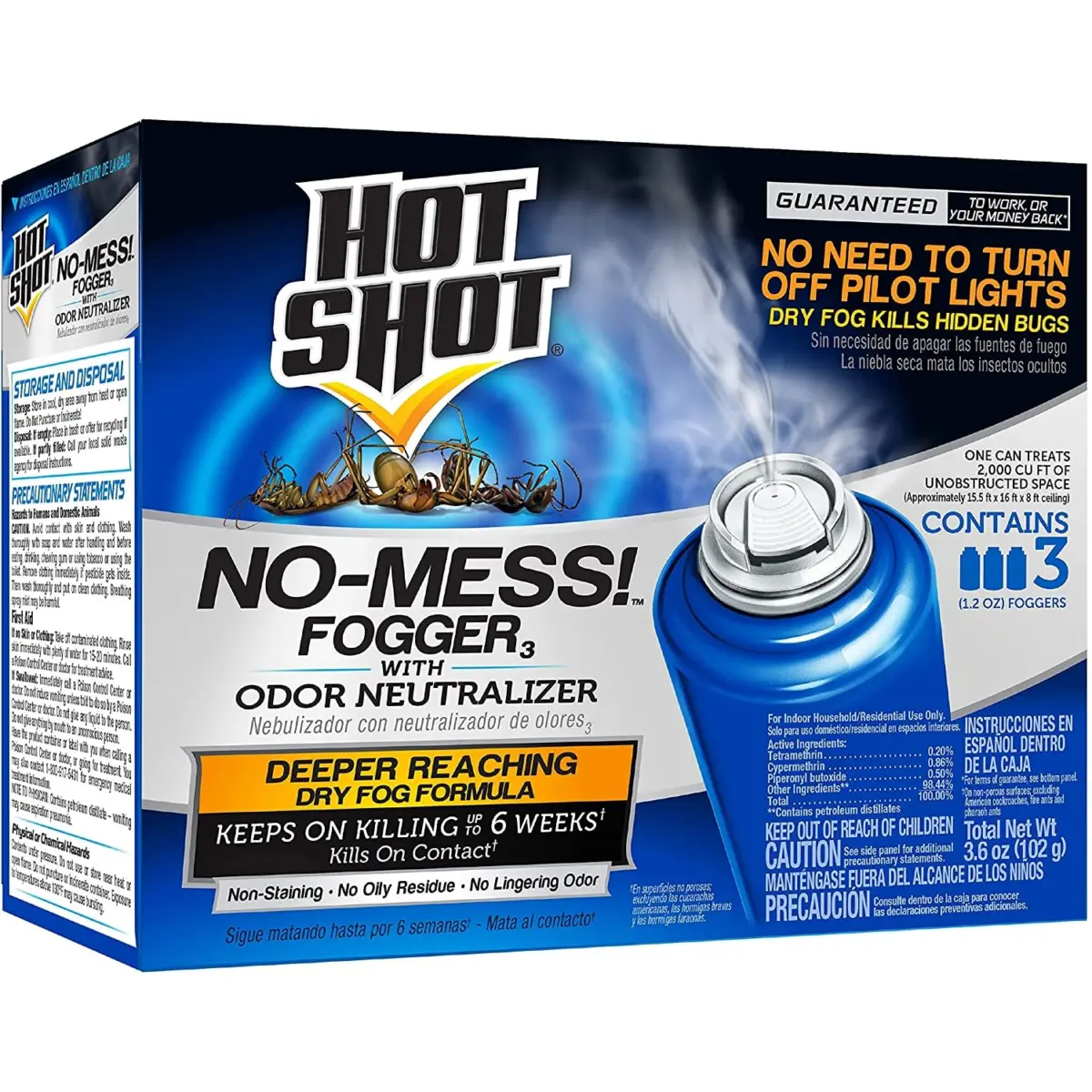
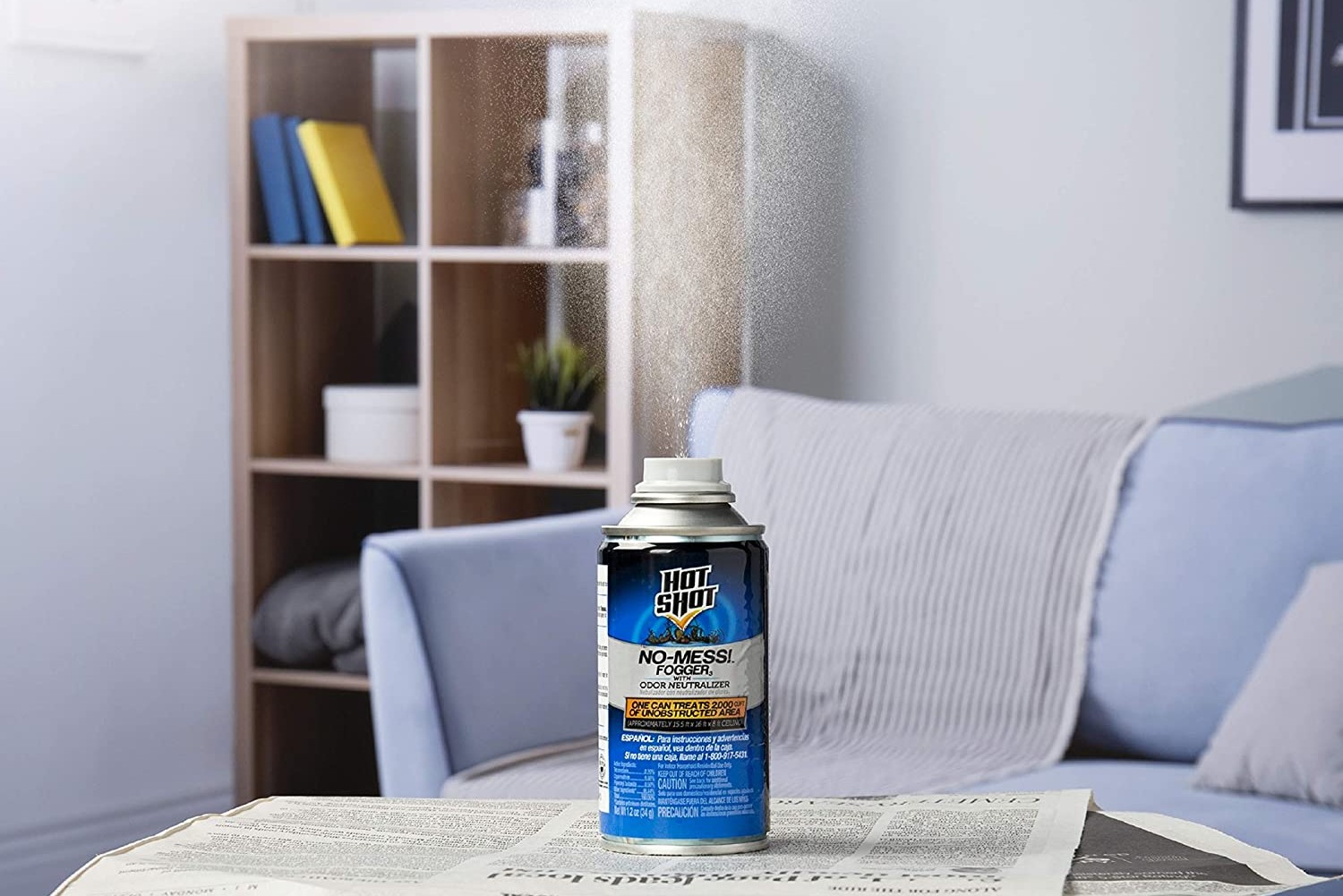
1. Best Overall: Hot Shot No Mess Fogger With Odor Neutralizer
Coverage: Up to 2,000 cubic feet.
Target Pests: Ants (excluding fire ants), beetles, ticks, fleas, gnats, flies, mosquitoes, roaches, silverfish, waterbugs, and spiders. (Note: Does not treat bedbugs).
The Verdict: The primary challenge with many traditional bug bombs is the lingering, harsh chemical smell and the sticky, wet film they leave behind on furniture and floors. Hot Shot resolved this pain point by engineering a dry fog formula equipped with a built-in odor neutralizer. The product infiltrates deeply into structural crevices without staining fabrics or leaving behind unwanted residue. Operating on a two-hour evacuation and two-hour airing-out window, it provides continuous control for up to six weeks.
2. Best Bang for the Buck: Hot Shot Bedbug & Flea Insect Fogger
Coverage: Up to 2,000 cubic feet per can.
Target Pests: Bedbugs, lice, fleas, ticks, fire ants, and flies.
The Verdict: For specific, stubborn pests like bedbugs and fleas, standard all-purpose foggers often fall short. This budget-friendly option features Nylar, an insect growth regulator (IGR) that disrupts the flea life cycle by preventing larvae from developing into biting adults. This breaks the reproductive chain, halting active infestations and preventing reinfestations for up to seven months.
3. Best for Large Areas: Raid Concentrated Deep Reach Fogger
Coverage: Up to 5,000 cubic feet (more than double the capacity of standard consumer cans).
Target Pests: Ants, roaches, and spiders.
The Verdict: Open-concept floor plans, finished basements, and sprawling living areas require heavy-duty treatment. This high-capacity fogger is built to handle expansive zones efficiently. While it may leave a light surface residue—for which the manufacturer thoughtfully includes specialized cleanup wipes—its potent formula continues to suppress pests for up to two months following application.
4. Best for Heavy Infestations: Hot Shot Fogger6
Coverage: Up to 2,000 cubic feet.
Target Pests: Ants, brown dog ticks, crickets, fleas, gnats, houseflies, mosquitoes, roaches, silverfish, and waterbugs.
The Verdict: When an infestation has spiraled out of control—such as a sudden surge of fleas brought in by household pets or a rapid ant invasion—rapid knockdown is essential. Fogger6 delivers a clear, non-staining liquid formula that eliminates dense bug populations within a two-hour treatment window, maintaining residual protection for up to 60 days.
Chronology of a Fumigation: Step-by-Step Application
Using an insect fogger successfully requires strict adherence to a chronological protocol. Ramping up a bug bomb haphazardly can result in incomplete pest eradication, property damage, or severe health risks.
Phase 1: Pre-Treatment Preparation (24 to 48 Hours Prior)
Identify the Culprit: Accurately diagnose the pest. Using a standard fogger on fire ants or bedbugs will yield poor results, as these pests require specialized active ingredients like IGRs.
Calculate Volume: Measure the cubic footage of the target space (length × width × height) to ensure the correct number of cans are purchased. Undersizing leads to failed treatments; oversizing in confined spaces creates extreme chemical hazards.
Clear the Zone: Remove all humans, pets, birds, and fish tanks from the building. Cover or remove open food items, cookware, and children’s toys.
Phase 2: Deployment and Evacuation (Day of Treatment)
Mitigate Fire Hazards: Turn off all pilot lights, pilot-operated appliances, and electrical systems that could cycle on and create a spark. Extinguish open flames. Turn off sensitive smoke detectors if necessary to prevent false alarms, though they should be reactivated immediately post-treatment.
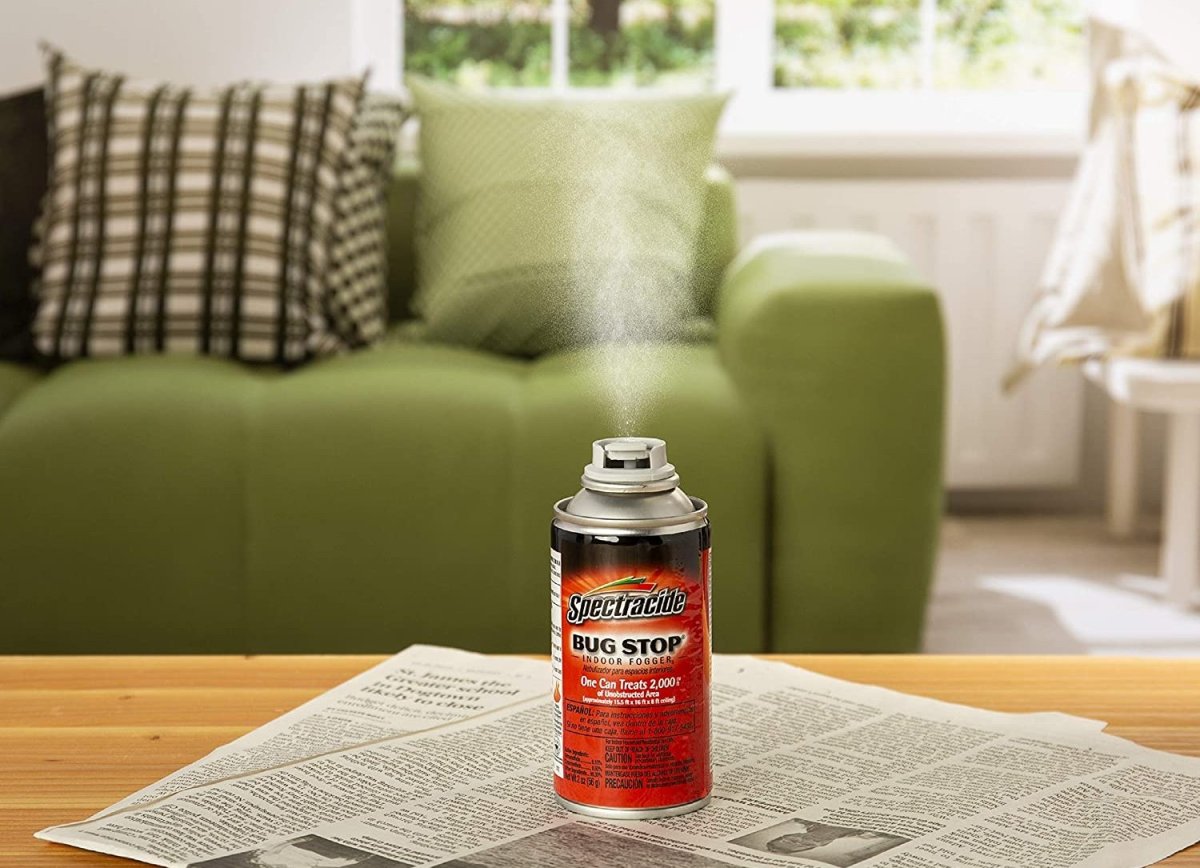
Activate and Exit: Place a raised platform (such as a chair lined with newspapers) in the center of the room. Activate the fogger according to package instructions and immediately evacuate the premises.
Phase 3: Dwell Time and Airing Out (2 to 4 Hours Post-Activation)
Vacate: Stay away from the property for the exact duration specified by the manufacturer—typically between two and four hours.
Ventilate: Upon returning, open all exterior doors and windows to cross-ventilate the home for at least 30 minutes to two hours, clearing out suspended aerosol propellants before reoccupation.
Supporting Data: Understanding Pest Resilience and Chemical Impact
Pest management data compiled by environmental and agricultural extension offices highlights why total-release foggers remain a cornerstone of heavy-duty DIY pest control. According to university entomology studies, a single female German cockroach can be responsible for hundreds of offspring within a matter of months, rendering manual spraying insufficient for hidden nests behind walls.
Coverage Metrics: Standard consumer foggers typically treat between 1,500 and 2,000 cubic feet, translating roughly to a medium-sized bedroom or kitchen. High-output units push past 5,000 cubic feet, servicing entire basements or open-concept ground floors.
Residual Efficacy: High-grade formulas containing pyrethroids and insect growth regulators do not merely kill on contact; they establish a chemical barrier that disrupts nervous systems or development cycles for 30 to 210 days post-application.
Safety Margins: The Environmental Protection Agency (EPA) notes that improper fogger deployment—such as using too many cans for a given square footage—accounts for hundreds of emergency room visits annually due to respiratory irritation and, in severe cases, explosive ignition of aerosol propellants by un-extinguished pilot lights.
Official Responses and Regulatory Guidelines
Regulatory bodies maintain strict oversight regarding the manufacture, labeling, and sale of total-release foggers. The EPA, alongside state departments of agriculture, mandates comprehensive warning labels on all consumer-grade bug bombs.
"Total-release foggers release pesticides into the air, where they can settle on surfaces, fabrics, and living areas," states the EPA’s official consumer safety advisory on pest control. "Failure to follow label instructions—specifically regarding maximum room sizing, pilot light ignition sources, and mandatory post-treatment ventilation times—poses significant health and fire risks to residents."
Furthermore, pest control trade organizations emphasize that foggers should be viewed as a tactical component of an Integrated Pest Management (IPM) strategy rather than a standalone cure-all. Experts advise that sealing entry points, eliminating standing moisture, and maintaining rigorous sanitation are critical secondary measures required to keep pests from returning after the chemical residue dissipates.
Implications for Modern Homeowners
The availability of advanced dry-fog technologies and non-staining, low-odor formulas has transformed indoor pest control, allowing homeowners to tackle moderate-to-severe infestations without hiring professional exterminators for every minor flare-up. However, this accessibility carries a distinct burden of responsibility.
As urban and suburban environments continue to experience seasonal surges in invasive insect populations due to shifting climate patterns, the reliance on chemical interventions will likely grow. Homeowners must weigh the immediate gratification of a bug-free living room against the careful discipline required to execute a safe fumigation. By respecting manufacturer instructions, investing in area-appropriate formulas, and prioritizing family and pet safety above all else, residents can successfully reclaim their homes—turning a stressful biological invasion into a temporary, easily managed inconvenience.