

RALEIGH, N.C. — What started as a seemingly routine customer complaint at a local fast-food franchise ultimately unraveled into a complex, multi-location insurance fraud investigation spanning over a year. Authorities in Warren County, North Carolina, have arrested and charged a local resident following a systematic scheme that targeted popular dining establishments with fabricated health violations in pursuit of lucrative insurance payouts.
North Carolina Insurance Commissioner Mike Causey formally announced the arrest of Melvin Junior Jones, a resident of Norlina, marking a significant victory for the state’s dedicated insurance fraud investigators. Jones now faces severe legal consequences, including felony charges that underscore the state’s zero-tolerance policy toward fraudulent insurance claims—a crime that officials emphasize carries hidden costs for everyday consumers.
The case highlights vulnerabilities in commercial liability claims processing and demonstrates how advanced investigative techniques can connect seemingly isolated local complaints into a coordinated pattern of criminal behavior.
Main Facts of the Case
According to official statements released by the North Carolina Department of Insurance (NCDOI) Criminal Investigations Division, Melvin Junior Jones has been formally charged with two distinct felony counts: one count of insurance fraud and one count of attempting to obtain property by false pretense.
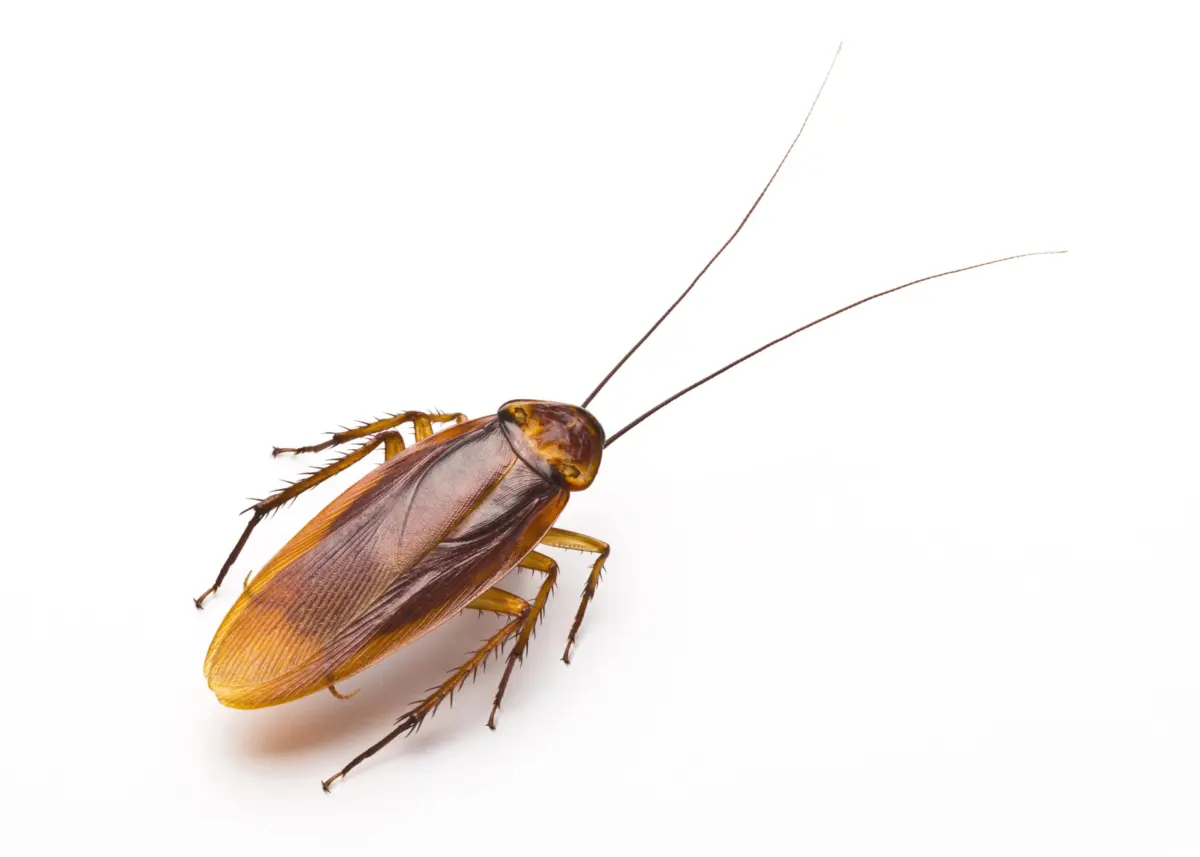
The immediate catalyst for Jones’s arrest stemmed from an incident at a Kentucky Fried Chicken (KFC) restaurant located in Creedmoor, North Carolina. In this specific instance, Jones alleged that he discovered two cockroaches embedded in his meal. Rather than simply requesting a refund or notifying store management for a replacement meal, Jones escalated the matter by filing an official insurance claim against the restaurant’s commercial liability policy, which was held and administered by the PMA Insurance Group.
Through this claim, Jones sought approximately $4,000 in financial compensation for damages, emotional distress, or other alleged losses resulting from the contaminated food. However, a closer inspection by store management and subsequent review by insurance adjusters raised immediate red flags. The claim was referred to state insurance regulators, triggering a comprehensive criminal investigation that exposed a much larger, recurring pattern of alleged extortion and fraud.
Following his apprehension, Jones was processed and subsequently released under a $40,000 secured bond. He is currently awaiting upcoming court appearances in Warren County to face the felony indictments. If convicted, Jones faces substantial prison time and mandatory restitution, given the severity of felony property and insurance crimes under North Carolina law.
Chronology of the Alleged Scheme
The timeline uncovered by NCDOI special agents reveals a calculated, methodical approach to exploiting commercial liability insurance policies over a twelve-month period. Investigators determined that the Creedmoor KFC incident was not an isolated stroke of bad luck for a disgruntled consumer, but rather the fourth iteration of a recurring script.
According to investigative findings, the timeline of alleged offenses spans from mid-August 2024 through August 2025:
- August 15, 2024: The pattern allegedly begins when Jones initiates the first of a series of complaints involving foreign contaminants in his food, setting the operational framework for subsequent claims. Over the following months, Jones reportedly honed his method of targeting corporate-owned or heavily insured dining establishments where commercial liability carriers are more likely to settle minor claims quickly to avoid costly litigation or public relations damage.
- Late 2024 – Mid 2025: Investigators uncovered similar, highly repetitive complaints filed by Jones targeting two separate Waffle House locations and a Denny’s restaurant. In each of these prior instances, Jones reportedly utilized a nearly identical narrative: claiming to have found cockroaches in his food, documenting the alleged finding, and subsequently pursuing financial compensation outside of standard restaurant refund channels.
- August 7, 2025: The final alleged incident occurs at the Creedmoor KFC. Jones files a claim seeking approximately $4,000 from PMA Insurance Group. This time, however, anti-fraud algorithms and cross-jurisdictional database checks flag the claimant’s history, prompting the insurance carrier to involve state regulators.
- Fall 2025: Special agents with the NCDOI Criminal Investigations Division synthesize the data from all four complaints, establishing a clear modus operandi. The investigation culminates in the formal charging and arrest of Melvin Junior Jones.
This detailed chronology demonstrates a deliberate escalation in frequency and execution, transforming what might have been viewed as a series of unfortunate dining experiences into a cohesive criminal enterprise.
Supporting Data and Investigative Findings
The breakthrough in the Jones case highlights the critical role that data analytics and inter-agency cooperation play in modern insurance fraud investigations. Individual restaurant managers and local insurance adjusters reviewing claims in isolation might easily view a single customer finding an insect in their food as an unfortunate, albeit rare, sanitary mishap. However, insurance fraud is rarely successful when executed repeatedly within the same geographic and industrial footprint.
Special agents utilized centralized insurance databases that track commercial liability claims across multiple corporate entities. By cross-referencing names, phone numbers, addresses, and specific claim descriptions—specifically the keyword "cockroach"—investigators were able to map out Jones’s activities across four distinct businesses:
- Creedmoor KFC: Target of the August 7, 2025 claim; policy held by PMA Insurance Group; sought ~$4,000.
- Denny’s Restaurant: Target of one of the interim claims involving similar insect-related food contamination allegations.
- Waffle House Location A: Target of an interim claim mirroring the established pattern.
- Waffle House Location B: Target of the fourth historical complaint, cementing the multi-location pattern.
The total cumulative financial demand across these four claims, while heavily weighted toward the $4,000 KFC demand, represented a consistent effort to extract cash settlements from corporate liability insurers. Commercial policies for national chains like KFC, Denny’s, and Waffle House are typically managed by third-party administrators (TPAs) or large commercial insurers who handle thousands of claims annually. Fraudsters often bank on the statistical reality that processing a $4,000 payout is significantly cheaper for an insurer than mounting a full legal defense or dispatching private investigators, making these mid-tier nuisance claims an attractive target for financial crime.
Official Responses and Public Statements
The arrest of Melvin Junior Jones drew prompt reactions from North Carolina officials, who used the high-profile case to educate the public on the realities and societal costs of insurance fraud.
North Carolina Insurance Commissioner Mike Causey issued a direct and pointed statement following the announcement of the arrest, emphasizing that insurance fraud is far from a victimless crime.
"Insurance fraud is not a victimless crime," Causey stated plainly. "It hits all of us in the pocket through higher premiums and higher prices."
Commissioner Causey’s remarks reflect a broader educational campaign by the NCDOI to reframe public perception regarding white-collar and property crimes. While the immediate victims in Jones’s case appeared to be the insurance carriers and the specific restaurant franchises—whose reputations and liability scores were impacted—the long-term economic burden is systematically redistributed across the consumer base. When insurance companies pay out fraudulent claims, those losses are factored into actuarial tables, resulting in elevated commercial liability insurance rates for restaurants. In turn, restaurant owners must absorb these overhead costs by raising menu prices, directly impacting everyday diners.
Law enforcement officials also commended the vigilance of the corporate risk management teams and insurance adjusters who refused to process the Creedmoor KFC claim blindly, noting that prompt reporting to state authorities is essential for dismantling serial fraud rings.
Broader Implications for the Restaurant and Insurance Industries
The case involving Melvin Junior Jones serves as a cautionary tale and a case study for both the hospitality industry and commercial insurance providers regarding the mechanics of liability fraud.
Vulnerabilities in Commercial Liability
Restaurants—particularly fast-food and 24-hour casual dining chains—operate in an environment where customer satisfaction and food safety are paramount. Public health violations can devastate a franchise’s reputation overnight. Consequently, corporate risk management protocols historically leaned toward swift, quiet resolutions of customer grievances to mitigate negative publicity. Fraudsters like Jones exploit this sensitivity, weaponizing the fear of reputational damage to extract cash settlements.
The Role of Advanced Fraud Detection
In response to schemes of this nature, insurance carriers and major restaurant chains are increasingly adopting sophisticated, cross-industry fraud detection networks. By sharing claims data securely across different corporate entities and insurance pools, automated systems can instantly flag recidivist claimants who target multiple brands using identical narratives. The ability of NCDOI special agents to connect claims across Waffle House, Denny’s, and KFC proves that siloed data is rapidly becoming a thing of the past in insurance investigations.
Legal Ramifications and Deterrence
By pursuing felony charges rather than treating the incidents as minor misdemeanors or civil disputes, North Carolina authorities are sending a strong deterrent message. Attempting to obtain property by false pretenses and insurance fraud carry severe penalties under North Carolina law, reflecting the societal consensus that premeditated financial deception undermines public trust and economic stability.
As Melvin Junior Jones prepares for his day in court in Warren County, the case stands as a stark reminder that while fraudulent schemes may yield short-term gains, the expanding capabilities of state investigators and data-driven insurance protocols make serial white-collar crime increasingly difficult to sustain.
