

Maintaining a backyard swimming pool involves a delicate balancing act of chemistry, physics, and routine upkeep. While pool vacuums and filtration systems remove physical debris, invisible threats like bacteria and algae require consistent chemical intervention. Among the most popular sanitization methods are chlorine tablets, which offer a convenient, premeasured, and slow-releasing way to keep swimming water hygienic.
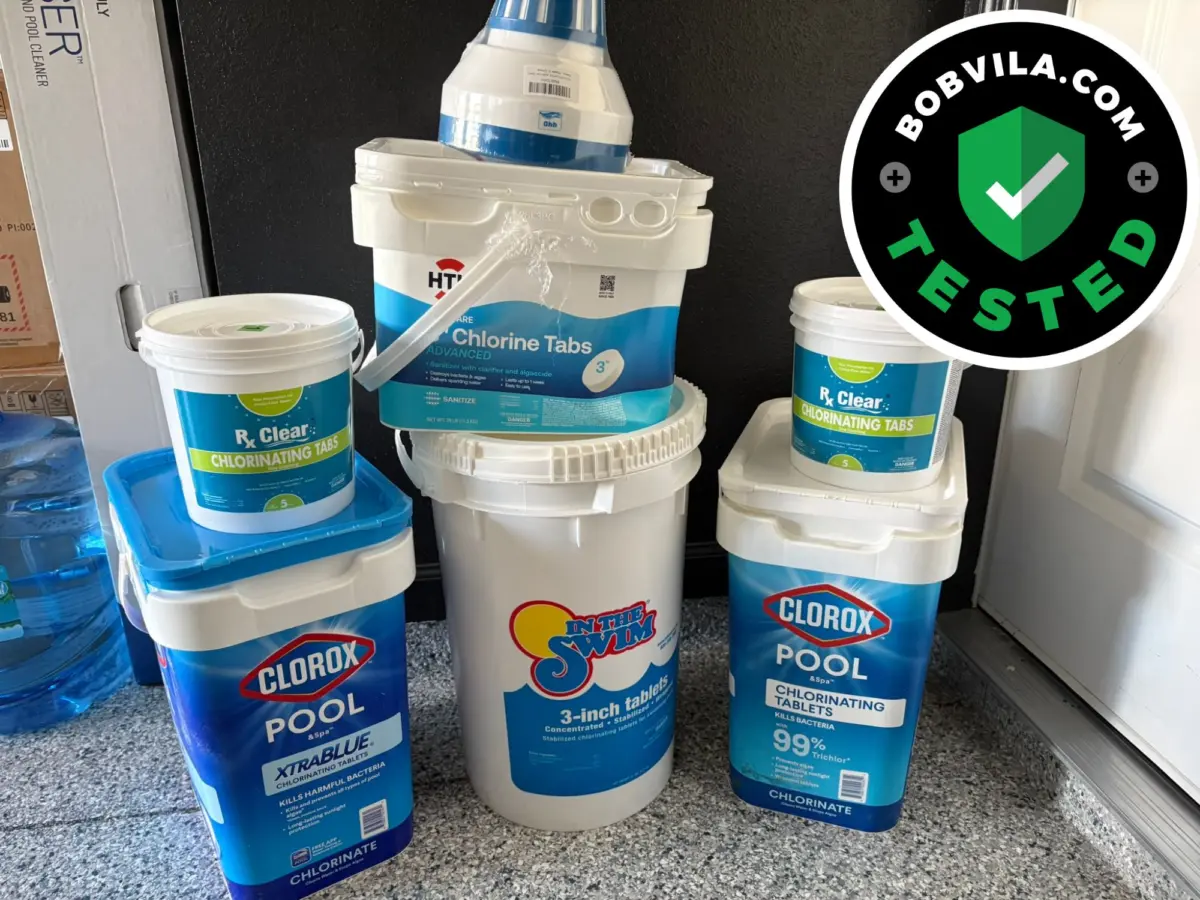
To determine which products truly deliver on their promises, a team of product testers evaluated five leading chlorine tablet formulas and one tablet dispenser over a two-month period in a newly installed Florida swimming pool. Monitoring parameters included water clarity, chlorine stability, dissolving rates, ease of use, algae control, packaging durability, and overall value.
Main Facts: What We Learned From Real-World Pool Testing
Unlike liquid chlorine—which requires frequent manual dosing—pool chlorine tablets dissolve gradually when placed inside a floating dispenser, skimmer basket, or automatic chlorinator. This slow-release mechanism makes them a cornerstone of routine pool maintenance. However, convenience does not mean hands-off ownership. Pool owners must still test their water regularly, maintaining free chlorine levels between 1 and 3 parts per million (ppm) and a pH balance between 7.2 and 7.8.
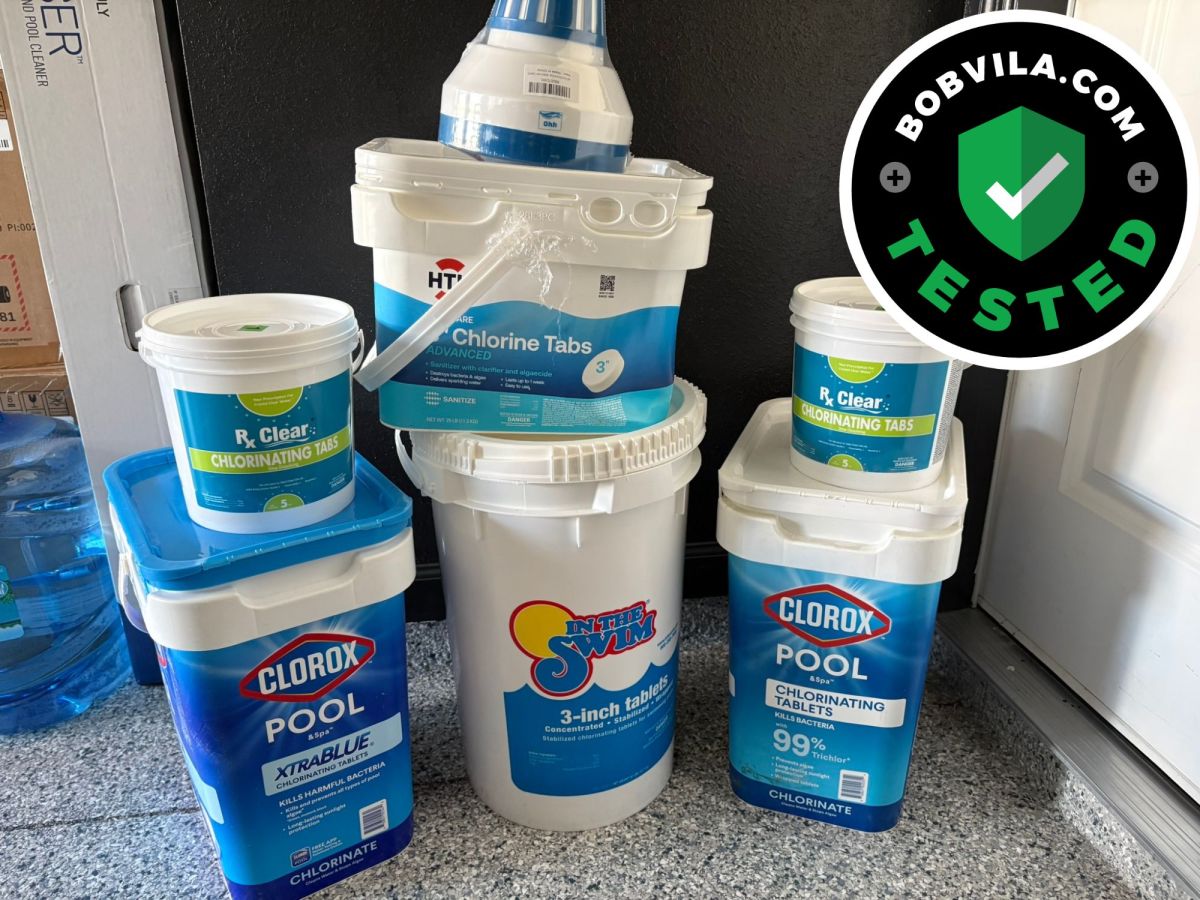
The testing process highlighted significant variations among products, ranging from standard 3-inch trichlor tablets to multi-benefit formulas integrated with algaecides and clarifiers. The top-performing product overall was the Clorox Pool & Spa Active99, praised for its stable chlorine distribution, individually wrapped tablets, and exceptional odor containment.
Chronology of the Evaluation: A 2-Month Florida Field Test
The evaluation protocol was designed to simulate the harshest conditions a residential pool might face. Situated in Florida, the test pool was exposed to intense direct sunlight, heavy UV radiation, and high ambient temperatures—all factors that accelerate chlorine breakdown and encourage algae proliferation.
- Weeks 1–2 (Baseline Setup and Initial Chemistry): Testers established baseline chemical levels, calibrated pH and alkalinity, and introduced the selected 1-inch and 3-inch trichlor tablets into floating dispensers and skimmer baskets. Observations focused on initial dissolving speeds and whether the tablets arrived intact or heavily fragmented.
- Weeks 3–4 (Mid-Season Performance & UV Stress): As regional temperatures climbed, testers monitored how effectively stabilized formulas resisted UV degradation. Water clarity, algae inhibition, and the structural integrity of the dissolving tablets were recorded bi-weekly.
- Weeks 5–6 (Multipurpose and Alternative Dosing Tests): Testers rotated through specialized formulas, such as the Clorox XtraBlue (featuring built-in algaecide) and Rx Clear 1-inch tablets, assessing how smaller formats altered dosage precision for tighter chemical control.
- Weeks 7–8 (Long-Term Chemical Accumulation & Durability Check): The final phase evaluated cumulative side effects, specifically monitoring whether prolonged use of stabilized trichlor tablets caused a problematic rise in cyanuric acid (stabilizer) levels. The durability of packaging, bucket lids, and floating dispensers was also finalized.
Supporting Data: Product Comparison and Test Scores
To provide consumers with actionable insights, each tested product was graded across several metrics, including ease of use, performance, dissolve rate, durability, and financial value.
| Product | Type | Quantity | Tablet Size | Our Rating |
|---|---|---|---|---|
| Clorox Pool & Spa Active99 | Trichlor | 35 pounds | 3 inches | 4.9/5 |
| Rx Clear Stabilized Tablets | Trichlor | 8 to 1,200 lbs | 1 inch | 4.4/5 |
| In The Swim Stabilized Tablets | Trichlor | 5 to 100 pounds | 3 inches | 4.8/5 |
| Clorox Pool & Spa XtraBlue | Trichlor | 5 to 35 pounds | 3 inches | 4.8/5 |
| HTH Pool Care Chlorine Tablet | Trichlor | 25 pounds | 3 inches | 4.8/5 |
Standout Performers and Key Findings
- Best Overall: Clorox Pool & Spa Active99 earned a stellar 4.9/5 rating. Its individually wrapped 3-inch tablets significantly reduced harsh chlorine odors in storage bins while fitting seamlessly into standard floaters. Each tablet effectively treats up to 5,000 gallons of water.
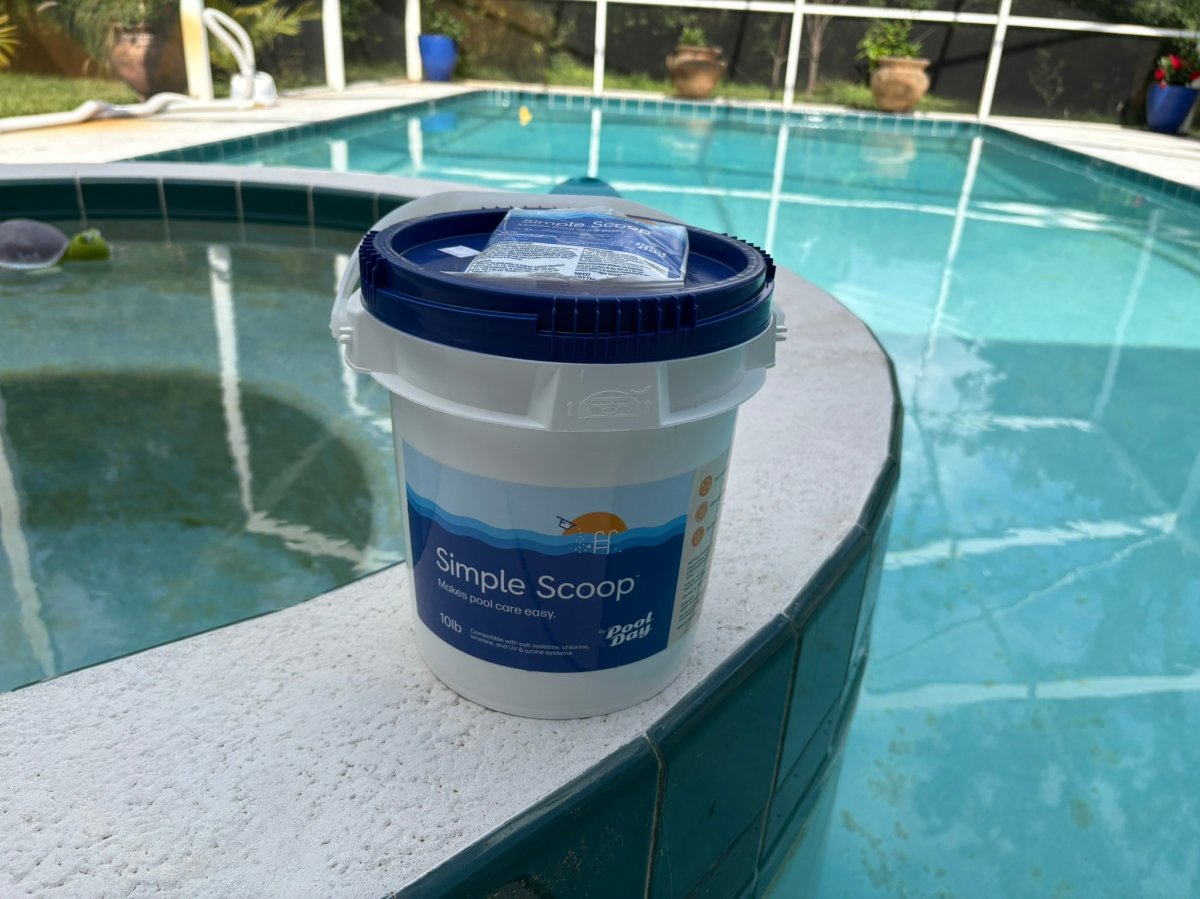
- Best for Smaller Pools: Rx Clear 1-Inch Tablets (4.4/5) allowed for precise dosage adjustments in compact spas and small pools, though their smaller size meant they dissolved faster and occasionally arrived chipped inside the bucket.
- Best Value: In The Swim 3-Inch Tablets (4.8/5) provided an economical bulk solution (approx. 80 individually wrapped tablets in a 50-pound bucket), delivering reliable sanitization over extended swimming seasons.
- Best Algae Control: Clorox Pool & Spa XtraBlue (4.8/5) excelled in high-heat, humid conditions by combining chlorine with active algaecide agents, preventing green and mustard algae blooms without requiring separate chemical add-ins.
- Best Long-Lasting Option: HTH Pool Care 3-Inch Tablets (4.8/5) offered nearly a week of consistent, slow-dissolving sanitation per application, though the heavy 25-pound bulk bucket proved cumbersome to transport.
Official Guidelines and Expert Insights
Industry professionals emphasize that proper chemical management is vital not only for bather safety, but also to protect expensive pool infrastructure. Paul Rankin, the primary product tester for the evaluation, noted: "Clorox is dominant in the pool chlorine industry for a reason. These tablets gave me a crystal clear pool, plus the individually wrapped tablets keep the chlorine smell out of my garage."
Stabilized vs. Unstabilized Chlorine: What Experts Say
A critical factor in pool maintenance is understanding cyanuric acid (CYA), commonly referred to as stabilizer. Most standard trichlor tablets are stabilized to protect free chlorine from evaporating under UV sunlight. However, water safety experts warn that cyanuric acid does not evaporate; it accumulates.
If CYA levels climb too high (typically above 50 to 100 ppm), the pool enters a state known as "chlorine lock," where chlorine becomes ineffective despite high chemical readings. Pool owners using stabilized tablets must periodically dilute their pool water or incorporate unstabilized alternatives (such as calcium hypochlorite or liquid sodium hypochlorite) to maintain chemical equilibrium.
Broader Implications for Pool Owners
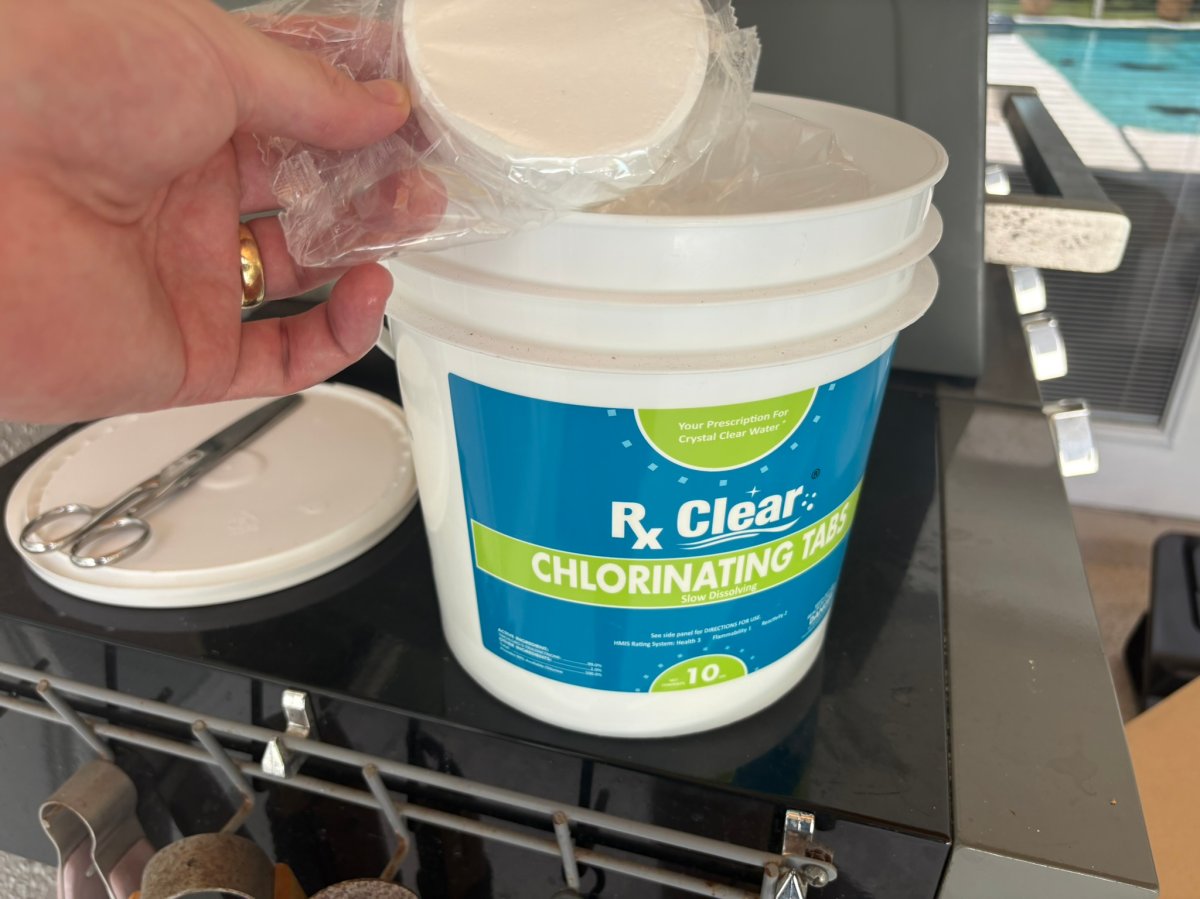
Choosing the right chlorine tablet impacts more than just water clarity—it affects long-term maintenance costs, equipment longevity, and environmental safety.
- Equipment Preservation: Over-chlorinating or placing slow-dissolving tablets directly into vinyl-lined skimmers without adequate water flow can bleach pool liners, corrode metal ladders, and degrade filtration systems. Using reliable floating dispensers or automatic chlorinators mitigates these risks.
- Health and Safety Compliance: Unbalanced pool chemistry can harbor harmful pathogens like E. coli and Cryptosporidium. Routine adherence to 1–3 ppm chlorine thresholds and 7.2–7.8 pH targets ensures compliance with health guidelines and prevents skin and eye irritation for swimmers.
- Storage and Handling Precautions: Chlorine tablets are hazardous materials when mishandled. Storing them in airtight, manufacturer-approved containers away from moisture and direct sunlight prevents dangerous chemical reactions and toxic gas accumulation.
By weighing factors such as pool size, local climate severity, and maintenance frequency, pool owners can select the ideal chlorine tablet formulation to keep their aquatic environments safe, clean, and inviting all season long.
