

For residents living along the vulnerable stretches of the Eastern Seaboard and the Gulf of Mexico, the approach of hurricane season is an annual exercise in vigilance. Meteorologists and emergency management officials issue steady streams of warnings, tracking atmospheric disturbances that brew in the warm waters of the Atlantic and the Gulf.
While community preparation—such as boarding up windows, clearing gutters, and stocking pantries—is a well-established routine, the hours during and immediately following a hurricane present a different set of life-and-death challenges. Riding out a major storm at home is a high-stakes gamble. When local authorities issue mandatory evacuation orders, residents must heed them without hesitation. However, for those who find themselves sheltering in place, avoiding a series of common, yet profoundly dangerous, mistakes can mean the difference between survival and disaster.
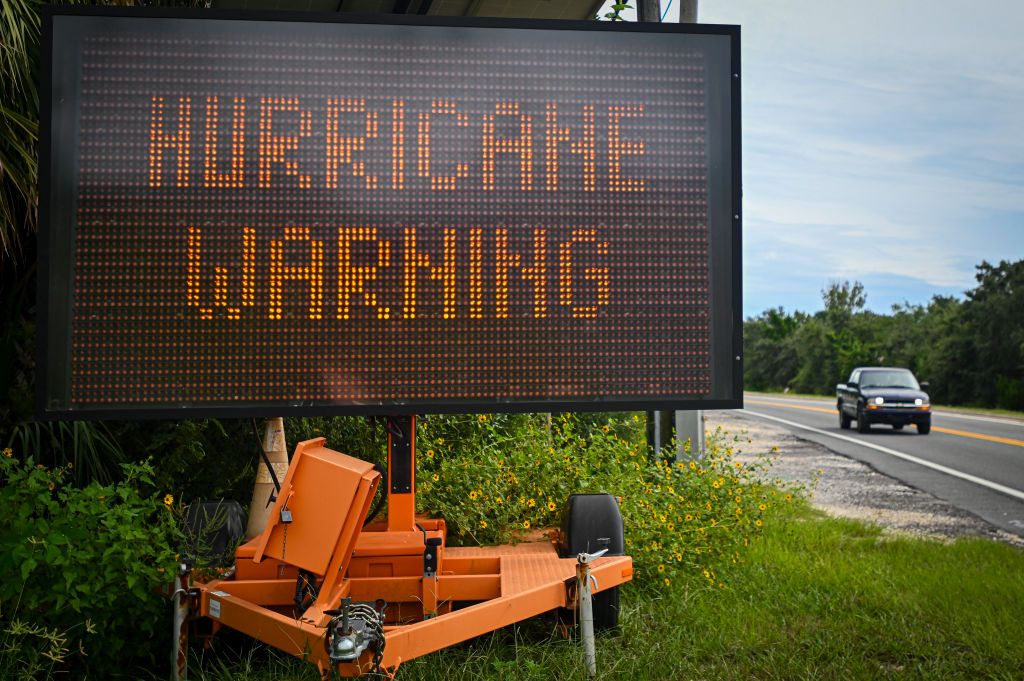
Main Facts: The Hidden Dangers of Sheltering in Place
When a hurricane makes landfall, the immediate threats—driving rain and ferocious winds—are obvious. What many homeowners underestimate, however, are the secondary hazards generated within their own living spaces.
Hurricane-force winds range anywhere from 75 miles per hour for a Category 1 storm to upwards of 157 miles per hour for a catastrophic Category 5. At these velocities, ordinary objects transform into lethal projectiles. Yet, structural integrity failures, electrical surges, indoor carbon monoxide poisoning, and water-borne electrical hazards consistently injure or kill individuals who believe they are safe indoors.
Emergency management agencies emphasize that staying alive during a hurricane requires more than simply remaining under a roof; it requires disciplined adherence to strict behavioral guidelines.
Chronology of a Storm: A Timeline of Risks
Understanding how a hurricane progresses helps contextualize why certain behaviors are perilous at specific stages of the event.
Phase 1: Pre-Landfall and the Approach
Days before the storm strikes, communities race against the clock. This is the period for filling vehicle gas tanks, securing outdoor furniture, testing emergency generators, and—if ordered—evacuating. A common mistake during this phase is procrastination: waiting until the winds begin to howl to search for flashlights, test radios, or rush out for last-minute supplies when local gas station pumps are already failing due to regional power outages.
Phase 2: The Eye of the Storm (The Deceptive Lull)
As the storm’s eye passes directly overhead, an eerie calm descends. The winds drop to a whisper, and the skies may even clear temporarily. This is often when untrained individuals make the fatal error of stepping outside to "feel the wind," assess property damage, or let pets out. This lull is temporary; once the eye passes, winds resume with terrifying force from the exact opposite direction, catching unprepared individuals completely off guard in the open.

Phase 3: The Aftermath and Recovery
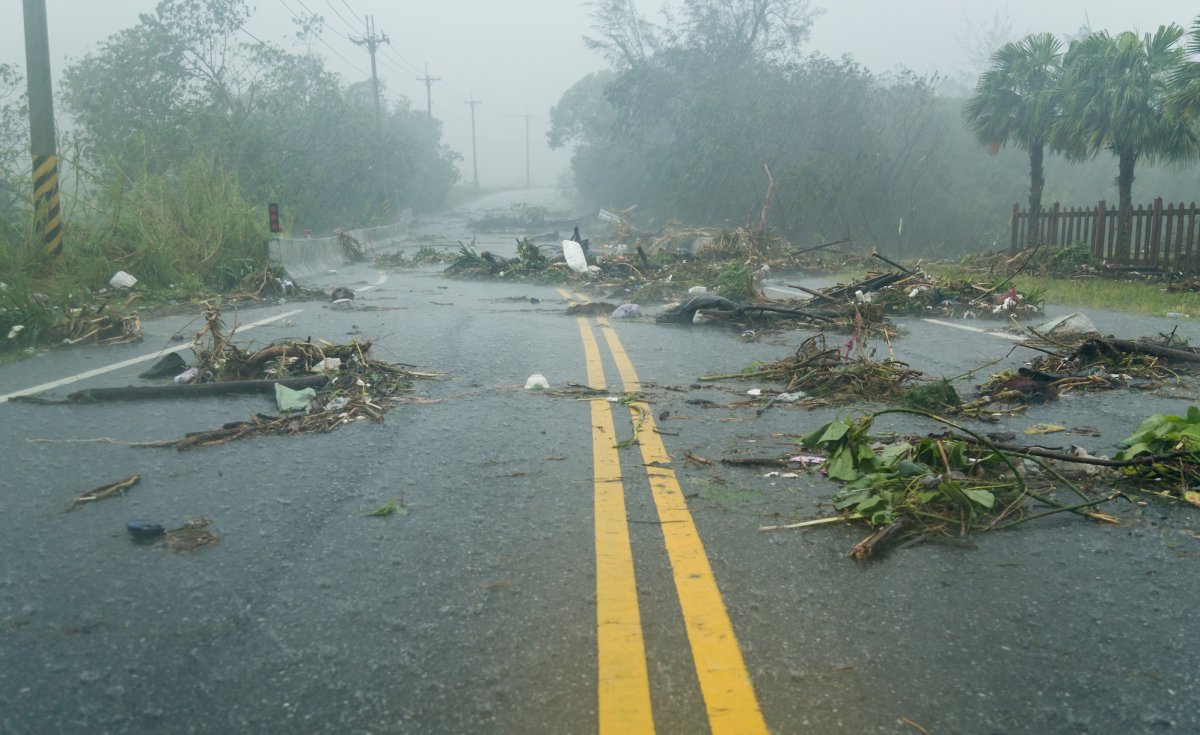
Even after the storm front has moved inland and the skies begin to clear, the danger persists. Downed electrical lines masked by standing water, compromised structural foundations, unstable trees, and delayed emergency response times create a hazardous landscape. Venturing outside before public safety officials issue an official "all-clear" is one of the leading causes of post-storm injuries and fatalities.
Supporting Data and Meteorological Insights
According to the National Oceanic and Atmospheric Administration (NOAA) and the Federal Emergency Management Agency (FEMA), the vast majority of tropical cyclone fatalities are water-related, primarily from storm surge and freshwater flooding. However, wind-driven debris and structural failures account for a significant percentage of injuries among those sheltering in place.
- Wind Speeds and Projectiles: A piece of sheet metal or a stray shingle traveling at 100 mph carries kinetic energy capable of penetrating standard residential glass and drywall.
- Carbon Monoxide Risks: Post-storm power outages routinely spike emergency room visits due to carbon monoxide poisoning. Portable generators, charcoal grills, and gas camping stoves operated inside garages, porches, or living rooms generate odorless, colorless gas that can incapacitate a household within minutes.
- Electrical Conductivity: Lightning associated with outer rainbands can travel through municipal and private water systems. Conducting activities that involve direct contact with plumbing—such as showering, washing dishes, or hand-washing—during electrical storms poses a severe electrocution risk.
Official Responses and Expert Safety Directives
Federal, state, and local emergency management bodies have standardized safety protocols designed to minimize casualties during severe weather events.
The NOAA Interior Sheltering Rule
When seeking shelter within a home, NOAA strongly advises putting as many structural barriers as possible between yourself and the outside world. Exterior walls are vulnerable to breaching from flying debris and high wind pressures, and they are typically pierced by windows and doors. Interior windowless rooms, such as interior hallways, walk-in closets, and bathrooms, provide the most robust structural protection, anchored by the home’s core load-bearing framework.

Telecommunications Management
During a major weather event, cellular networks experience unprecedented traffic loads. Emergency responders urge the public to refrain from making non-essential cell phone calls. Clogged cellular signals can delay distress calls from individuals facing life-threatening emergencies, while overloaded cell towers can fail entirely, cutting off critical alerts.
Implications: Building Long-Term Resilience
The increasing frequency and intensity of severe weather systems underscore the need for permanent, proactive home resilience strategies. Homeowners in hurricane zones must look beyond immediate storm-day reactions and invest in structural upgrades.

Electrical Safeguards
Because power fluctuations and sudden surges frequently accompany the restoration of electrical grids, installing a whole-house surge protector is an invaluable line of defense. Furthermore, sensitive electronics—such as laptops, routers, and entertainment systems—should be physically unplugged before the storm escalates to prevent catastrophic internal damage.
Structural Hardening
Retrofitting homes with impact-resistant hurricane shutters, reinforcing roof-to-wall connections with metal hurricane ties, and upgrading garage doors to withstand high wind pressures drastically reduce the likelihood of structural breach. When a home’s envelope remains sealed, the internal pressure is stabilized, preventing the roof from being lifted off its foundation.

Comprehensive Emergency Planning
Ultimately, surviving a hurricane is an exercise in discipline and preparation. By respecting evacuation orders, securing essential gear well in advance, avoiding dangerous indoor appliances, and remaining sheltered long after the winds subside, residents can navigate even the most severe meteorological events safely. Preparation is not merely about surviving the storm—it is about ensuring that life and community can rebuild swiftly once the skies finally clear.
