

By the Design Desk
Published: Home & Garden Living
Main Facts: The Blueprint of a Maximalist Dream
When Max Hurd first welcomed friends and family into his newly acquired home, the walls were bare, the floors were stripped, and the only seating available was a makeshift circle on the unfinished kitchen subfloor. Far from a traditional housewarming, this early gathering took place amidst a labyrinth of paint swatches taped to drywall and fabric samples draped haphazardly across windowsills.
Rather than waiting for the property to reach a state of polished perfection, Hurd chose to infuse the raw, unrefined space with positive energy from day one. Sitting on the concrete, drinking wine, and sharing takeaway Lebanese food while laughing beneath exposed architectural blueprints set the tone for what the house would eventually become: a celebration of bold color, eclectic treasures, and an unapologetic embrace of maximalist interior design.
Today, that same house stands as a masterclass in vibrant residential design and high-end hospitality. Layered with cherished family heirlooms, saturated paint colors that manipulate natural light, and a curated collection of conversation-starting objet d’art, Hurd’s home is engineered for hosting. From impromptu late-summer lunches that seamlessly bleed into multi-course dinner parties to thoughtfully designed spaces that make every guest look and feel their best, Hurd has transformed his residence into the ultimate template for modern entertaining.
Chronology: From Concrete Subfloors to Curated Haven
To understand the unique spirit of Hurd’s home, one must trace its evolution from a chaotic construction zone to a fully realized design triumph.
Phase 1: The Blueprint Phase (Pre-Renovation)
Long before the furniture arrived and the color palettes were finalized, Hurd hosted his inaugural gathering. By inviting loved ones into a house stripped down to its bare bones, he neutralized the intimidation of the impending renovation. The paint swatches became wallpaper stand-ins, and the atmosphere prioritized human connection over aesthetic pretense. This foundational memory established the home’s welcoming DNA.
Phase 2: The Decorative Overhaul
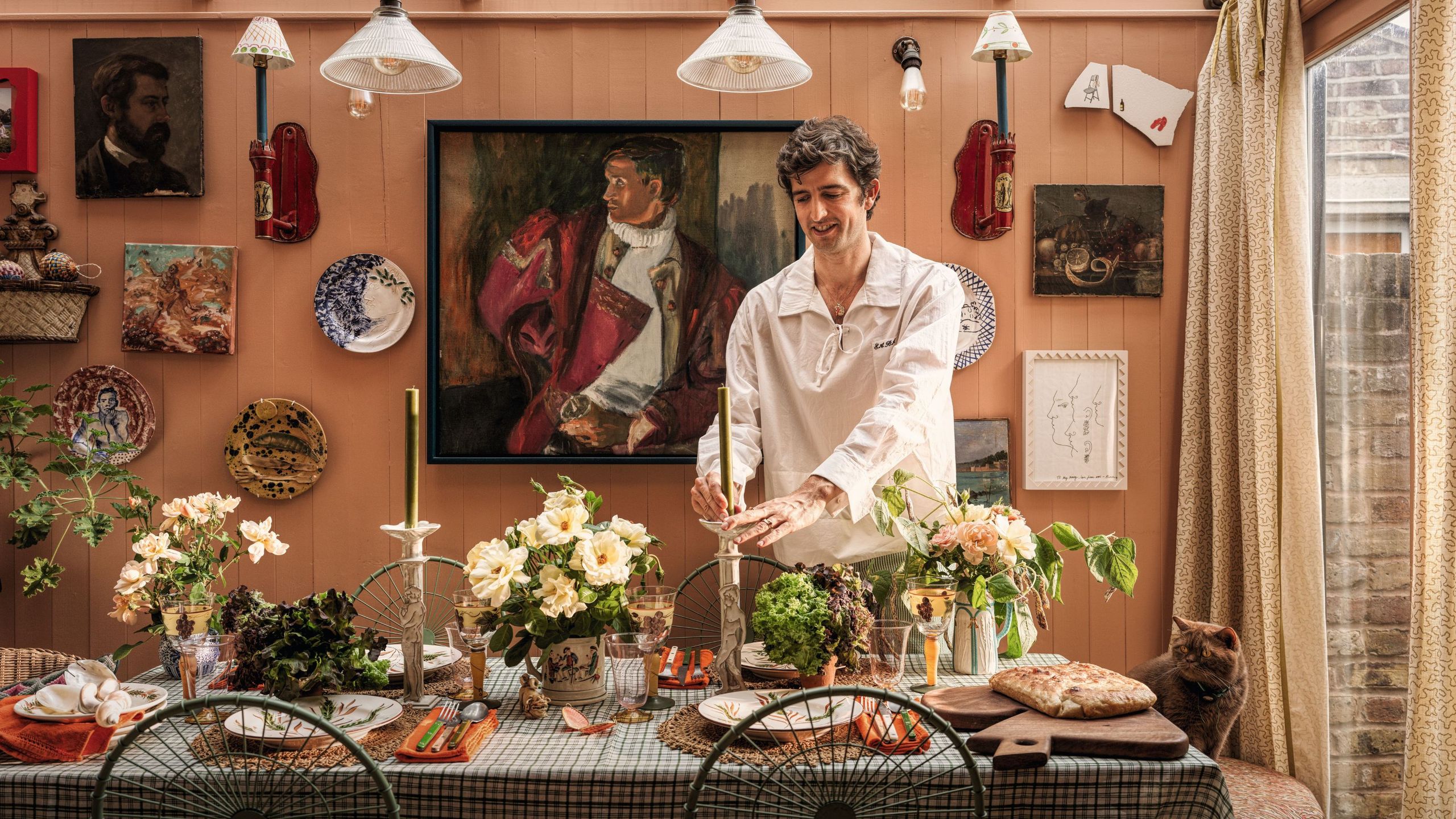
Once the renovation machinery cleared out, the heavy lifting of interior styling began. Walls were adorned with historic artwork, most notably a cherished family heirloom gifted by Hurd’s grandmother: a painting titled Boy with Dog. Having admired the piece since childhood—when it hung prominently in the storied halls of Hartwell House in Buckinghamshire—Hurd finally claimed it as a housewarming centerpiece.
Concurrently, strategic paint choices were implemented. Most notably, the kitchen-diner was coated in Fake Tan by Farrow & Ball. This specific hue was chosen for its chameleon-like qualities, shifting dynamically across the hours.
Phase 3: The Fully Realized Entertaining Space
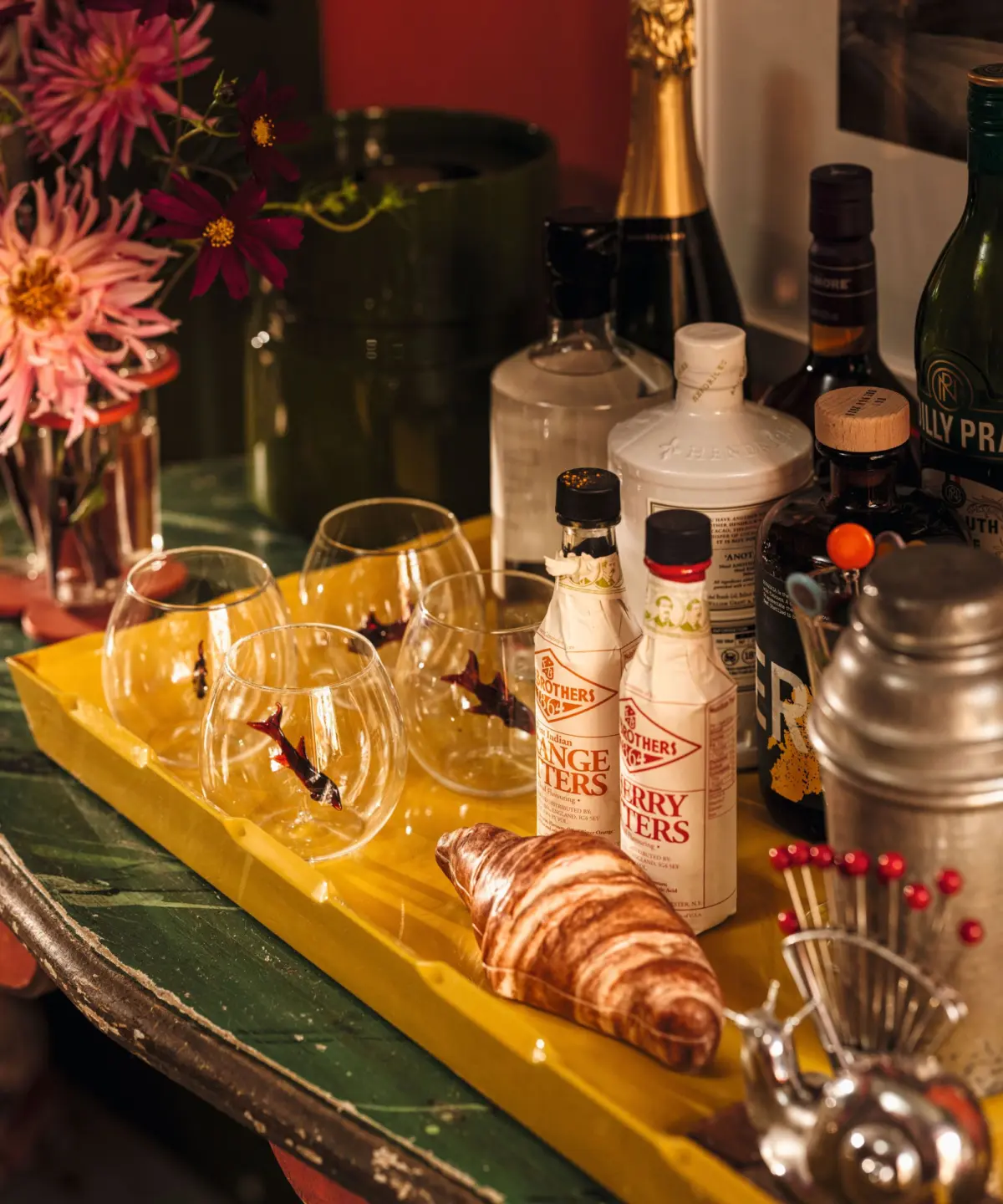
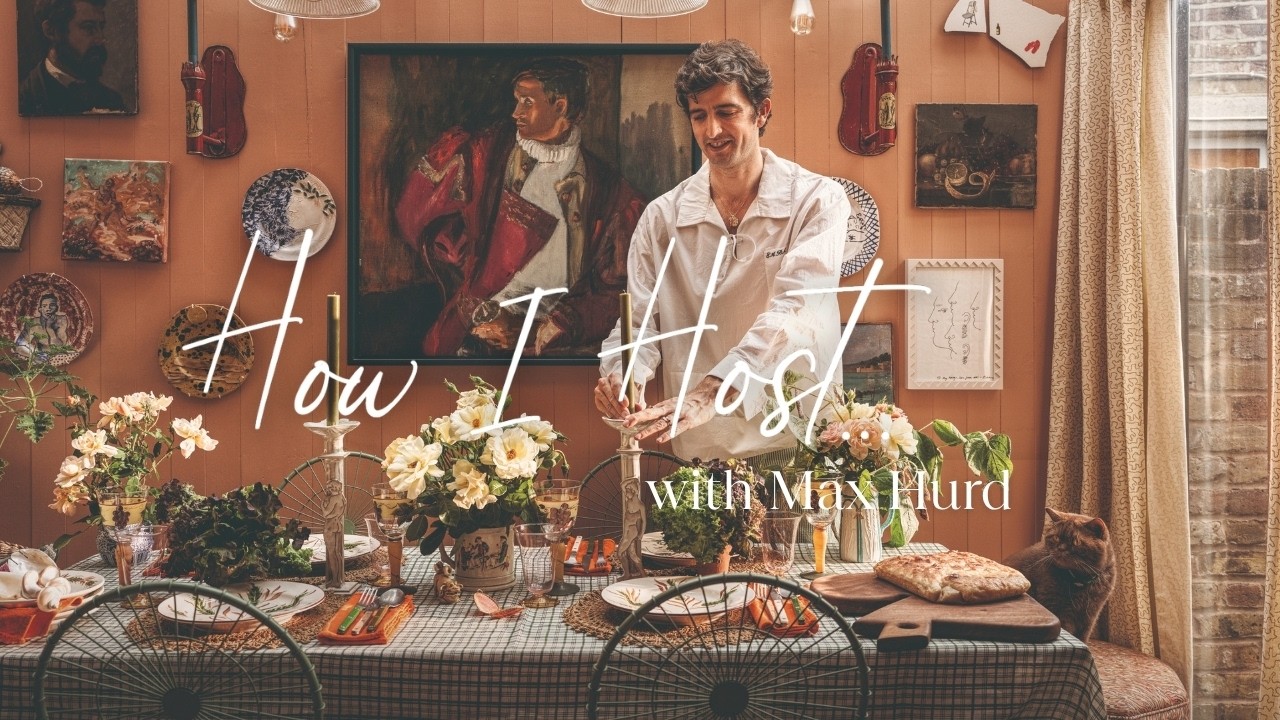
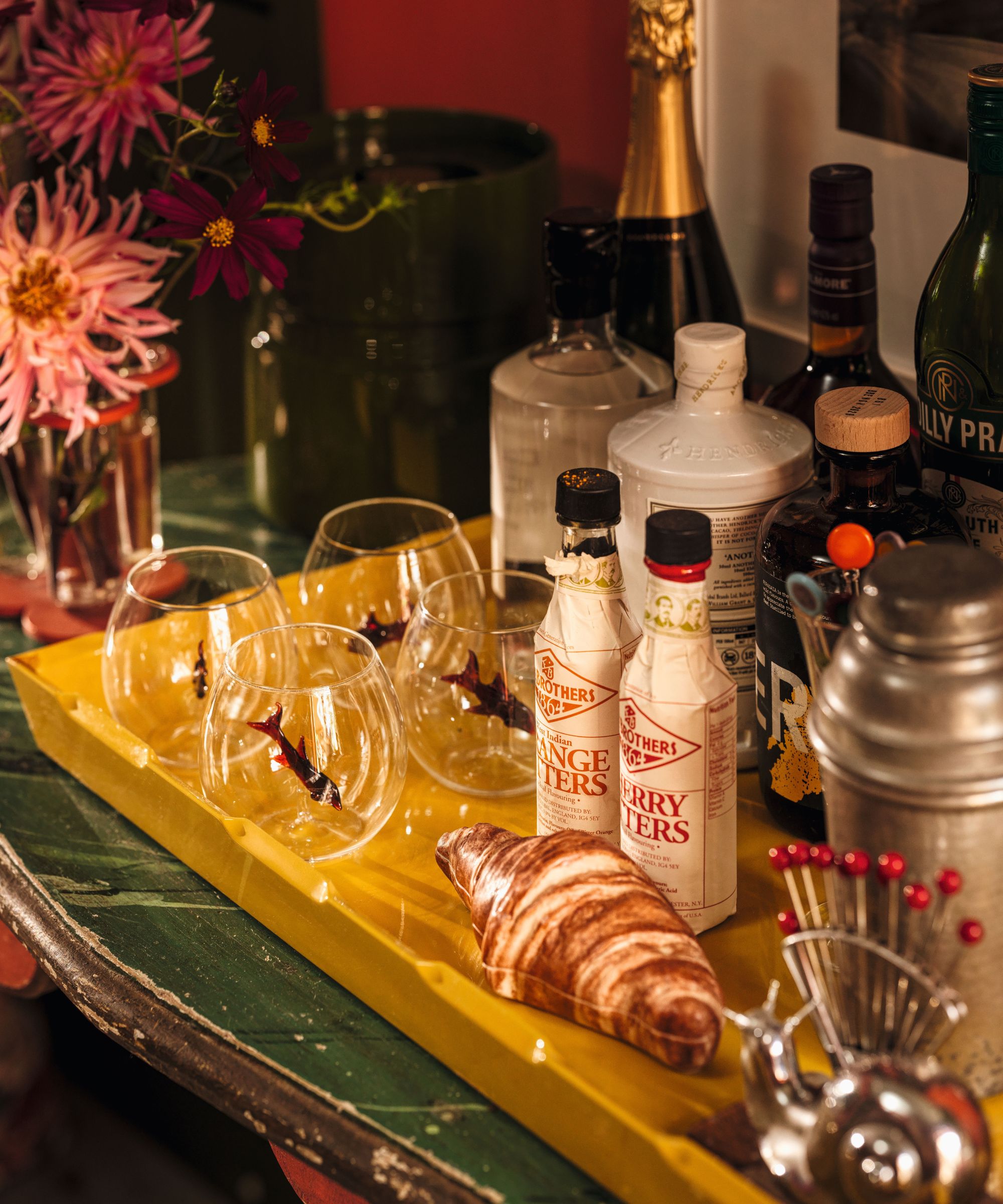
With the hardware installed, the art hung, and the palette perfected, the home transitioned into an active hosting hub. The bar cart was stocked with artisanal bitters, vintage glassware, and whimsical accessories like an Augarten porcelain croissant dish. Table scapes were elevated using specialty items, such as shell salt cellars from Maison Saint Cake and decorative plates by Carolina Irving & Daughters. The house was officially operational, serving as a haven where lunches effortlessly transition into sleepovers for visiting family.
Supporting Data & Design Elements: Breaking Down the Aesthetic
Hurd’s interior philosophy relies on a sophisticated interplay of sensory details, strategic color theory, and tactile table settings. Below is a breakdown of the key elements that define his design and hosting philosophy.
1. Color Theory and Lighting Dynamics
Color is not merely decorative in Hurd’s home; it is functional architecture.
- The Farrow & Ball Effect: The kitchen-diner’s coat of Fake Tan acts as a living element within the room. In the morning light, it presents as a soft, approachable pink. As the sun ascends toward its zenith, the pigment transforms, casting a rich, golden Mediterranean glow over the space.
- The Flattery Factor: Beyond its aesthetic warmth, this particular color shift serves a practical hosting purpose. The golden undertones naturally flatter human skin tones, making guests appear radiant and healthy under any lighting condition.
2. Storytelling Through Heirlooms
Maximalism succeeds only when every item holds narrative weight. Hurd avoids superficial clutter by anchoring his walls and tabletops in personal history.
- Boy with Dog: This historic canvas connects the modern London-style interior to the aristocratic heritage of Buckinghamshire’s Hartwell House, grounding contemporary spaces with classical pedigree.
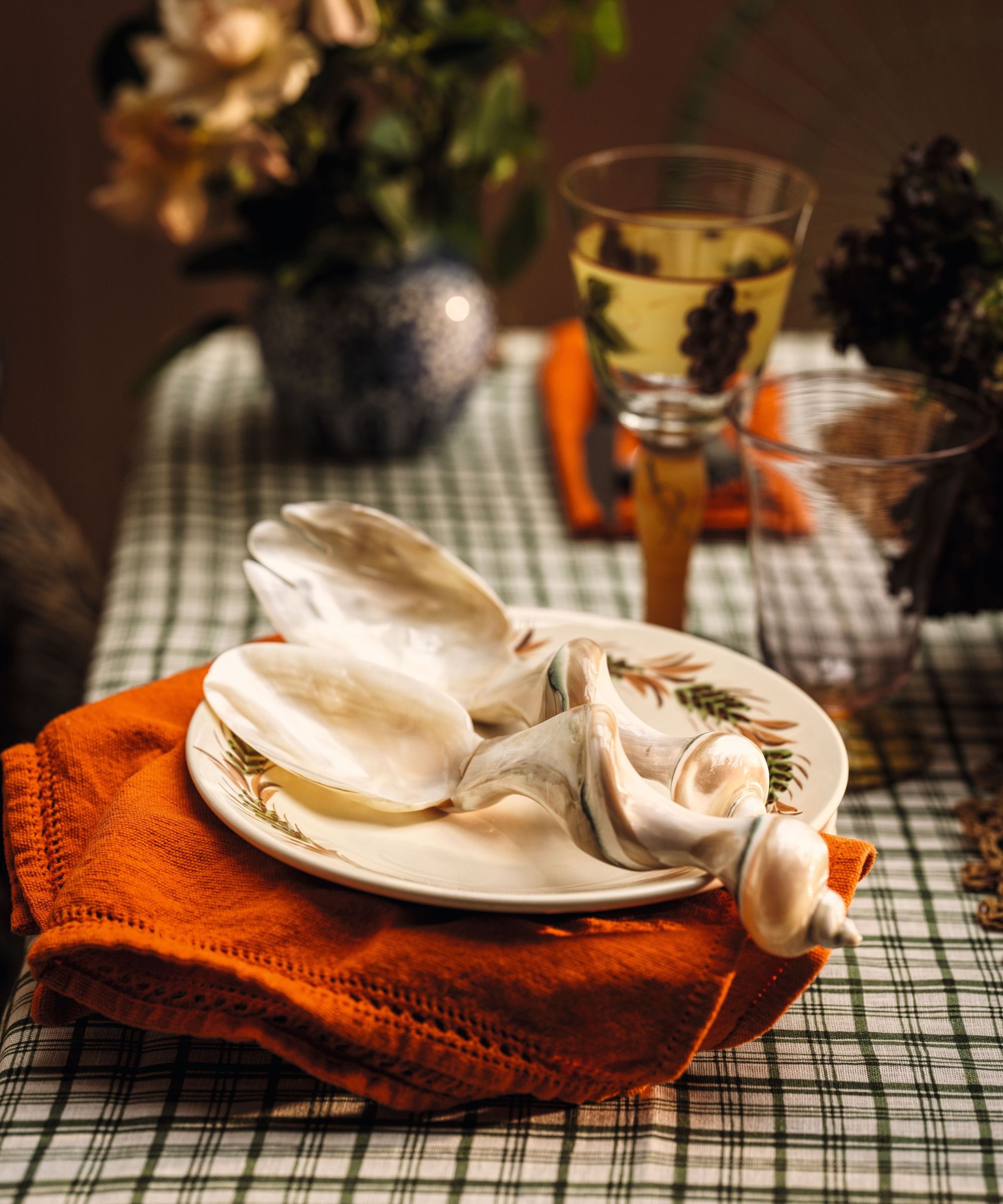
- Functional Art: Everyday dining items double as conversation pieces. Guests are encouraged to interact with the tablescape, utilizing pieces like pearl-handled salad servers and delicate shell salt cellars that demand tactile engagement.
3. Sensory Layering
A truly memorable home engages all five senses, a principle Hurd executes through calculated scent and soundscapes.
- Olfactory Architecture: Rather than relying on synthetic plug-in air fresheners, Hurd strategically distributes floral arrangements—such as frosted glass vases filled with pink roses—into overlooked corners, hallways, and transitional spaces, ensuring a continuous, natural botanical fragrance throughout the residence.
Official Guidelines: Max’s Hosting Dos and Don’ts
For those looking to replicate Hurd’s effortless hosting style, the designer has outlined a definitive guide to social success.
- DO use interactive table elements. Place conversation-sparking items within arm’s reach. A miniature shell used for sea salt invites engagement ("Pass the shell, please"), breaking any initial dinner-party formality.
- DON’T neglect transitional spaces. Pepper fresh floral arrangements throughout forgotten corners of the home. It elevates the sensory experience and guarantees a wonderfully scented environment.
- DO incorporate edible decor. Utilize seasonal fruits and vegetables as structural components of your table runner or centerpiece. Not only does this look lush and abundant, but it also provides a ready-to-eat backup if culinary mishaps occur in the kitchen.
- DON’T leave all the work for party day. Alleviate host anxiety by prepping elements the night before. Hurd swears by a make-ahead focaccia stored in the fridge, ready to be slid into the oven at a moment’s notice.
- DO cater thoughtfully to non-drinkers. There is zero excuse for serving flat tonic water or boring soft drinks when the market is saturated with sophisticated botanical non-alcoholic alternatives.
- DON’T lose sight of the primary objective. Avoid becoming so bogged down in microscopic hosting details that you forget to enjoy yourself. Remember: your guests are there to spend quality time with you, not to conduct a Michelin-star inspection of the meal.
Implications: The Shift Toward Story-Driven, Emotional Interiors
Hurd’s design journey offers a broader cultural commentary on contemporary interior design and post-pandemic entertaining. For years, the design world was dominated by sterile minimalism, grey tones, and hyper-curated spaces that often felt more like museums than homes.
Hurd’s approach signals a decisive pivot toward emotional maximalism—interiors that prioritize personal narrative, tactile joy, and unapologetic warmth over architectural perfection. By opening his home when it was little more than concrete floors and paint swatches, he championed an ethos of authenticity.
Furthermore, the blurring lines between daytime lunches and late-night gatherings reflect a modern craving for unhurried, analog socialization. In an era dominated by digital fatigue, physical spaces that encourage lingering, storytelling, and sensory immersion are no longer luxury indulgences—they are essential sanctuaries for human connection.
