

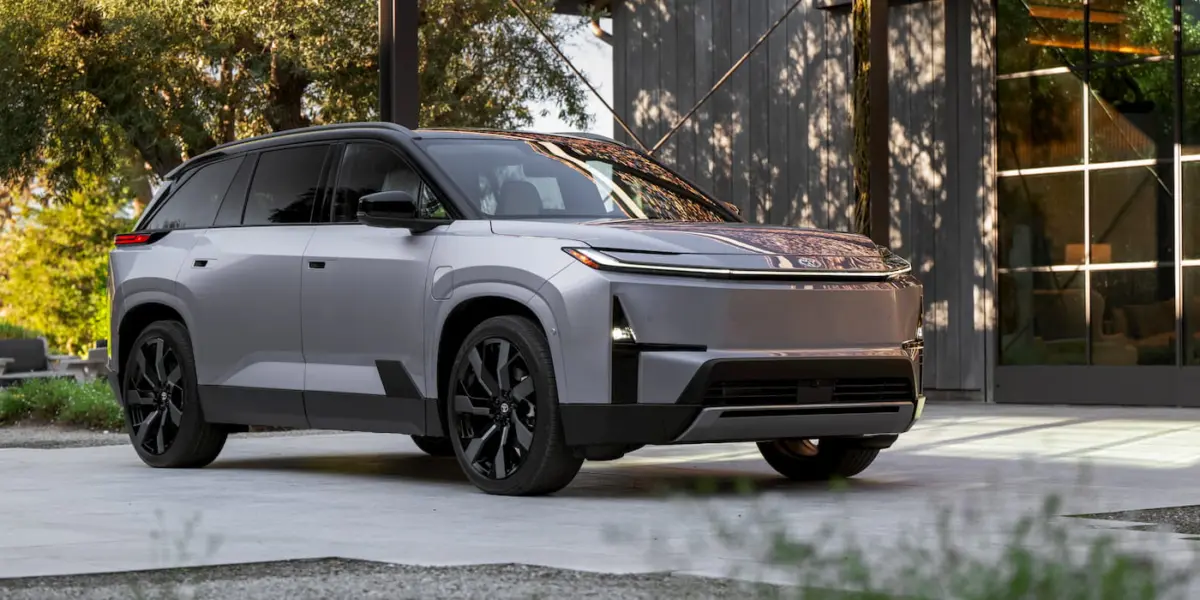
GEORGETOWN, Kentucky — Toyota Motor Corporation has once again adjusted its electric vehicle roadmap, officially pushing back the launch of its highly anticipated, first-ever three-row electric SUV—the Highlander BEV—to 2027 or even later.
The vehicle, which was initially slated to hit the American market by the end of this year, has faced a cascading series of setbacks. Industry observers and insiders note that production at Toyota’s manufacturing facility in Georgetown, Kentucky, has likewise been delayed by several months. While the plant was originally scheduled to commence manufacturing operations for the Highlander BEV in the second half of 2026, those assembly lines will now sit quiet longer as the automotive giant re-evaluates its timeline and technical prerequisites.
The delay impacts only the battery-electric variant. Traditional internal combustion engine (ICE) and hybrid versions of the current Highlander will continue rolling off assembly lines and remain widely available at dealerships well into 2027. Furthermore, the delay creates a domino effect for industry partners: the Subaru Getaway, a sister three-row electric SUV built on the identical TNGA-K EV platform and slated for production alongside the Highlander EV in Kentucky, is similarly being pushed back.
Chronology of the Highlander EV Delays
To understand the current state of Toyota’s flagship three-row electrification strategy, it is helpful to trace how the timeline has shifted over the past several months:
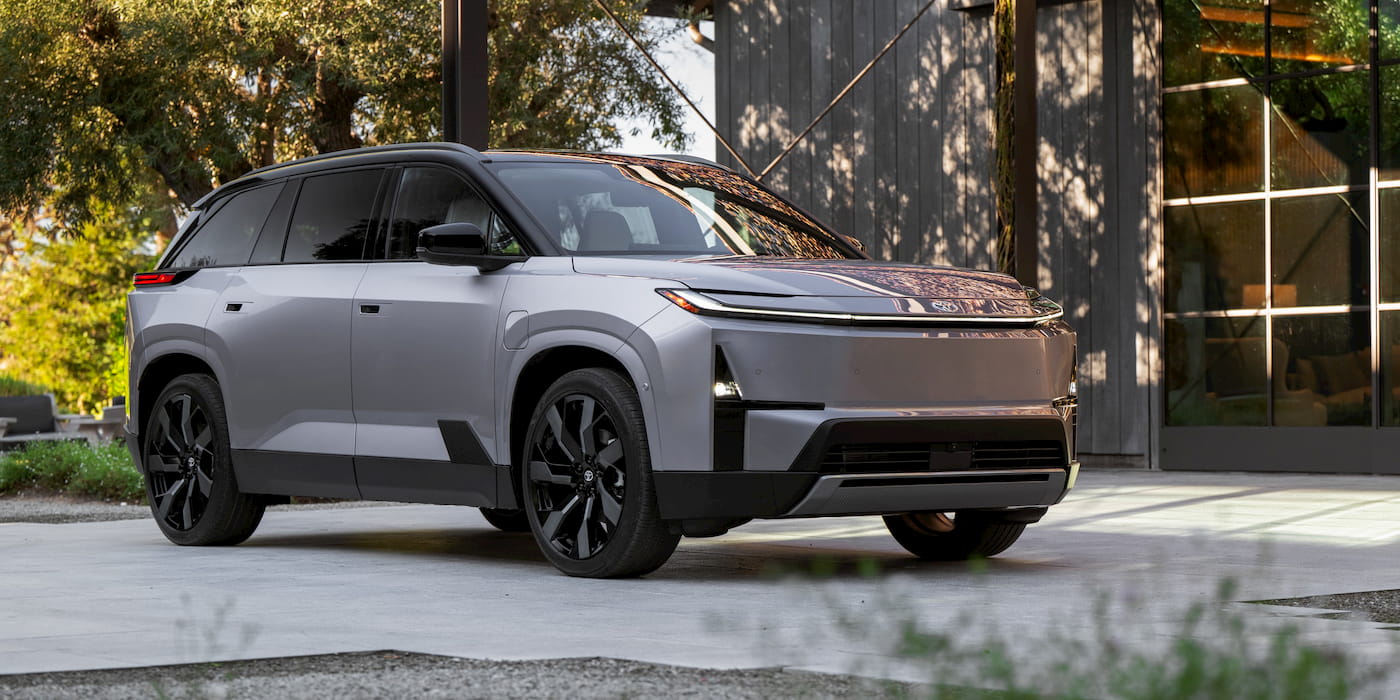
- Early 2026: Toyota formally showcases the production intent and design specifications for the 2027 Highlander EV, generating significant consumer buzz around its spacious three-row layout and family-friendly utility.
- July 2026: Initial reports emerge that production of the Highlander BEV is facing a minor postponement. At the time, a company spokesperson reassures consumers and industry analysts by stating that the setback is merely to allow for "additional adjustments," projecting a conservative delay of at least eight weeks with a targeted launch window in early 2027.
- September 2026: Prominent reports from financial and business media, notably Nikkei, shatter earlier expectations. Sources indicate that the launch is being extended significantly beyond early 2027, shifting the target firmly to "2027 or later." Concurrently, production timelines at the Georgetown, Kentucky manufacturing plant are delayed by multiple quarters.
- Late 2026 (Projected): While the market was originally primed for late-year introductory deliveries, dealerships will instead continue relying exclusively on the robust sales of gas-powered and hybrid 2026 Highlander models.
Supporting Data: Specifications, Trims, and Expected Performance
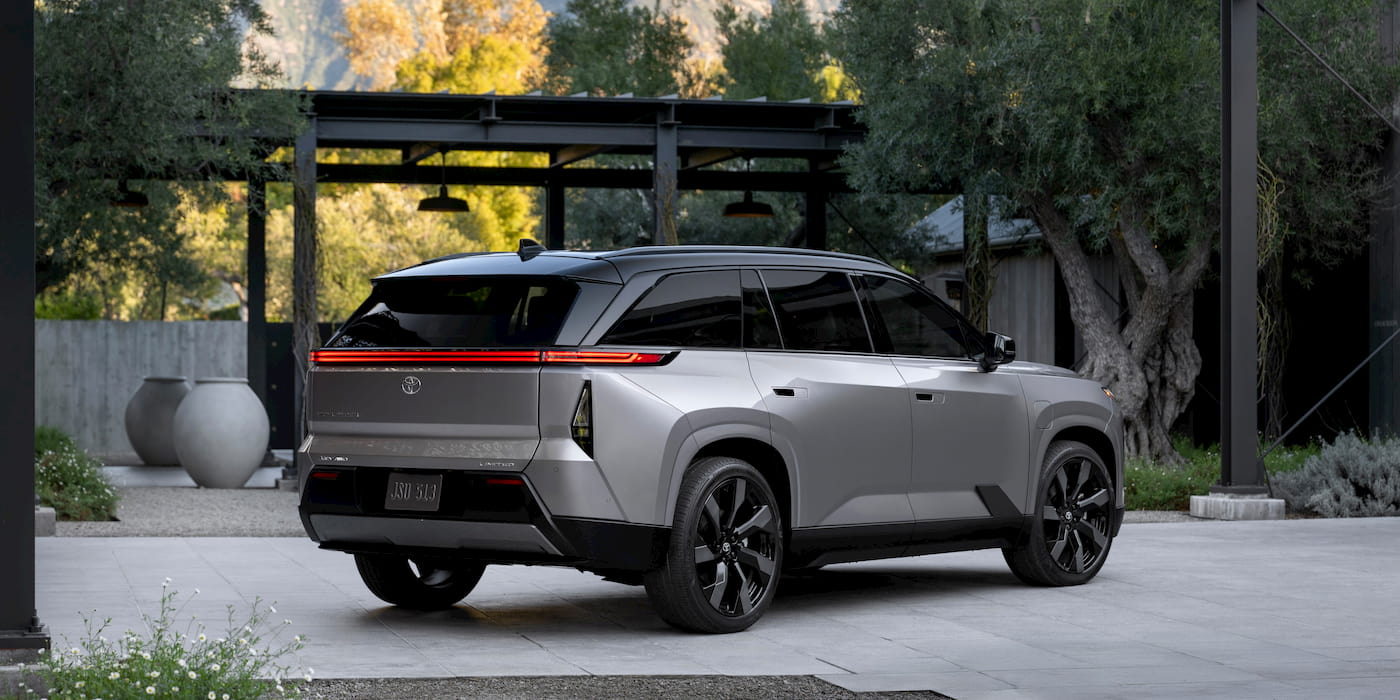
Despite the production hiccups, Toyota has already locked in the core specifications, trim structures, and technical architecture of the upcoming Highlander EV. Built on the flexible TNGA-K electric platform, the vehicle aims to balance family-hauling utility with competitive all-electric range figures.
When it eventually reaches showrooms, the 2027 Toyota Highlander EV will be offered in two primary trims: XLE and Limited, with configurations catering to both front-wheel drive (FWD) and all-wheel drive (AWD) buyers.
Toyota plans to distribute power utilizing two distinct battery pack capacities: a 77 kWh pack and a larger 95.8 kWh pack.
2027 Toyota Highlander EV Specifications Breakdown
| Trim Level & Drivetrain | Battery Pack Capacity | Estimated Driving Range |
|---|---|---|
| XLE FWD | 77 kWh | 287 miles |
| XLE AWD | 77 kWh | 270 miles |
| XLE AWD | 95.8 kWh | 320 miles |
| Limited AWD | 95.8 kWh | 320 miles |
Beyond raw propulsion data, the cabin experience has also been heavily detailed. The Highlander EV is set to feature Toyota’s next-generation Audio Multimedia System, complete with native, wireless integration for both Apple CarPlay and Android Auto. Drivers will interact with a modern digital cockpit anchored by a sweeping 12.3-inch digital instrument cluster paired with a commanding 14-inch central infotainment touchscreen, bringing the interior up to modern technological parity with its forward-thinking competitors.
Official Responses and Corporate Stance
Toyota has remained measured in its public communications regarding the shifting production milestones. Company representatives have consistently framed the timeline adjustments as a necessary measure to ensure quality control, supply chain optimization, and comprehensive vehicle refinement.
When questioned about the summer adjustments, a corporate spokesperson emphasized that the extra weeks—and now months—of lead time are entirely dedicated to making "additional adjustments" to the vehicle’s manufacturing process and software ecosystem. Toyota has historically taken a methodical, deliberate approach to BEV adoption, preferring to prioritize long-term reliability and manufacturing scale over rushed market entries.
However, corporate headquarters has not yet published an updated, concrete calendar date for when the Kentucky plant will officially flip the switch on commercial production, leaving consumers and regional dealerships in a holding pattern.
Market Implications: A Missed Window or Strategic Caution?
The decision to delay the Highlander EV carries complex implications for Toyota’s broader market position, particularly in the North American automotive sector.

On one hand, Toyota’s cautious posture has historically protected its brand equity. The automaker’s existing electric footprint has actually shown unexpected strength this year. Following the late-2025 introduction of updated iterations for the bZ (formerly the bZ4X), C-HR, and bZ Woodland lines, Toyota’s baseline electric SUV offerings have surged in popularity. Fueled by a roughly 90% year-over-year sales increase during the first half of 2026, the bZ unexpectedly vaulted into the upper echelons of the market, claiming the title of the fourth best-selling electric vehicle in the United States.
Because the Highlander EV shares core technological philosophies and component upgrades with these successful stablemates, analysts note that the vehicle possesses all the necessary ingredients to capture significant market share upon arrival.
On the other hand, the multi-month—and potentially multi-year—delay leaves a gaping hole in Toyota’s showroom lineup. While legacy competitors and fast-moving rivals like Hyundai and Kia aggressively expand their footprints in the lucrative three-row electric SUV segment, Toyota’s absence allows competitors a clear runway to capture family-oriented EV buyers. Families seeking all-electric, three-row utility may find themselves forced into the arms of competing brands simply due to inventory availability.
As the industry watches to see whether the Georgetown plant can lock down its production hurdles ahead of the newly revised 2027 window, the overarching question remains: Will Toyota’s cautious engineering ethos safeguard its reputation for quality, or will prolonged delays concede the booming three-row EV market to its most aggressive competitors? Only time will tell as the automotive landscape barrels toward the latter half of the decade.
