

By Global Automotive Insights
Published: October 2026
Main Facts
Tesla’s journey into the Indian automotive market has been a masterclass in adaptation, featuring an initial miscalculation of pricing, a strategic course correction, and a modest yet notable resurgence. According to comprehensive vehicle registration data compiled by the Indian electric vehicle publication ElecTree, Tesla has registered a total of 993 vehicles in India since its official market debut in September 2025.
For the first nine months of its operation, the American EV giant struggled to gain meaningful traction, plagued by exorbitant import duties and pricing structures that alienated prospective buyers. However, a sweeping pivot in the spring of 2026—characterized by aggressive price cuts and the introduction of the six-seater Model Y L—has dramatically altered the automaker’s fortunes. September 2026 marked a watershed moment for Tesla in the country, with 294 vehicle registrations recorded in a single month. This surge represents nearly 30% of the company’s total sales volume since inception and signals that Tesla is finally finding its footing in the world’s third-largest auto market.
Despite this momentum, Tesla remains a minor player in the broader Indian EV landscape. In September 2026 alone, India registered 35,995 electric cars—a 98% year-over-year increase—dominated by domestic heavyweight Tata and heavily bolstered by localized manufacturing competitors like Vietnam’s VinFast. Nevertheless, within the luxury EV segment, Tesla has carved out a commanding presence, securing roughly 30% market share and establishing itself as the second-largest luxury electric vehicle brand in India, trailing only BMW.
Chronology: A 13-Month Timeline of Tesla’s Indian Adventure
July – September 2025: The High-Priced Launch
Tesla officially launched in India in July 2025, introducing the standard Model Y at a staggering ₹69 lakh (approximately $70,000 USD). This price point was nearly double the vehicle’s cost in the United States at the time, driven entirely by heavy import tariffs.
Deliveries commenced in September 2025 with a meager 69 registrations. Industry analysts immediately flagged the pricing strategy as unsustainable for the price-sensitive Indian market.
October 2025 – May 2026: The Slump and Abandoned Factory Plans
The initial skepticism proved warranted. Tesla failed to eclipse its September 2025 registration figures for the subsequent eight months.
- End of 2025: Tesla finished its first calendar year in India with a paltry 226 total registrations.
- Early 2026: By January, reports surfaced that Tesla was quietly discounting unsold Model Ys from its initial import batches. February marked an all-time low with just 29 registrations. Between January and May 2026, the company added a mere 202 registrations.
- May 2026: Any lingering hopes of localized manufacturing were dashed when India’s Minister of Heavy Industries officially confirmed that Tesla had abandoned plans to build a domestic factory after years of stalled negotiations. Consequently, all Tesla vehicles sold in India must remain fully imported units, burdened by steep import duties.
April – September 2026: The Strategic Pivot and Recovery
Recognizing that its high-margin import strategy was failing, Tesla executed two critical maneuvers in the spring of 2026:
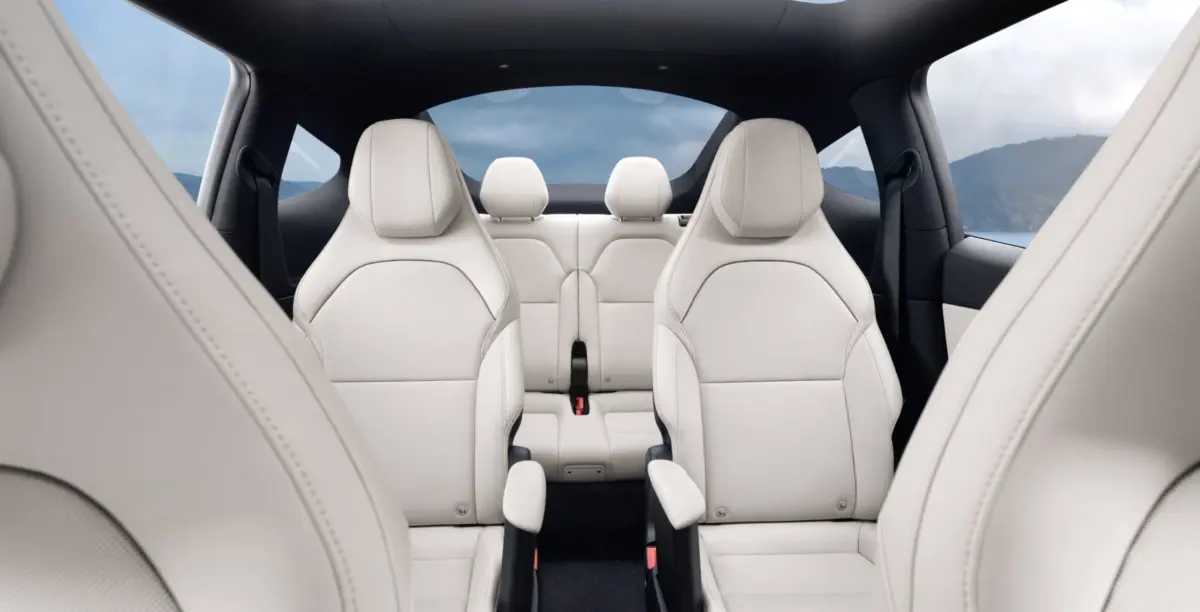
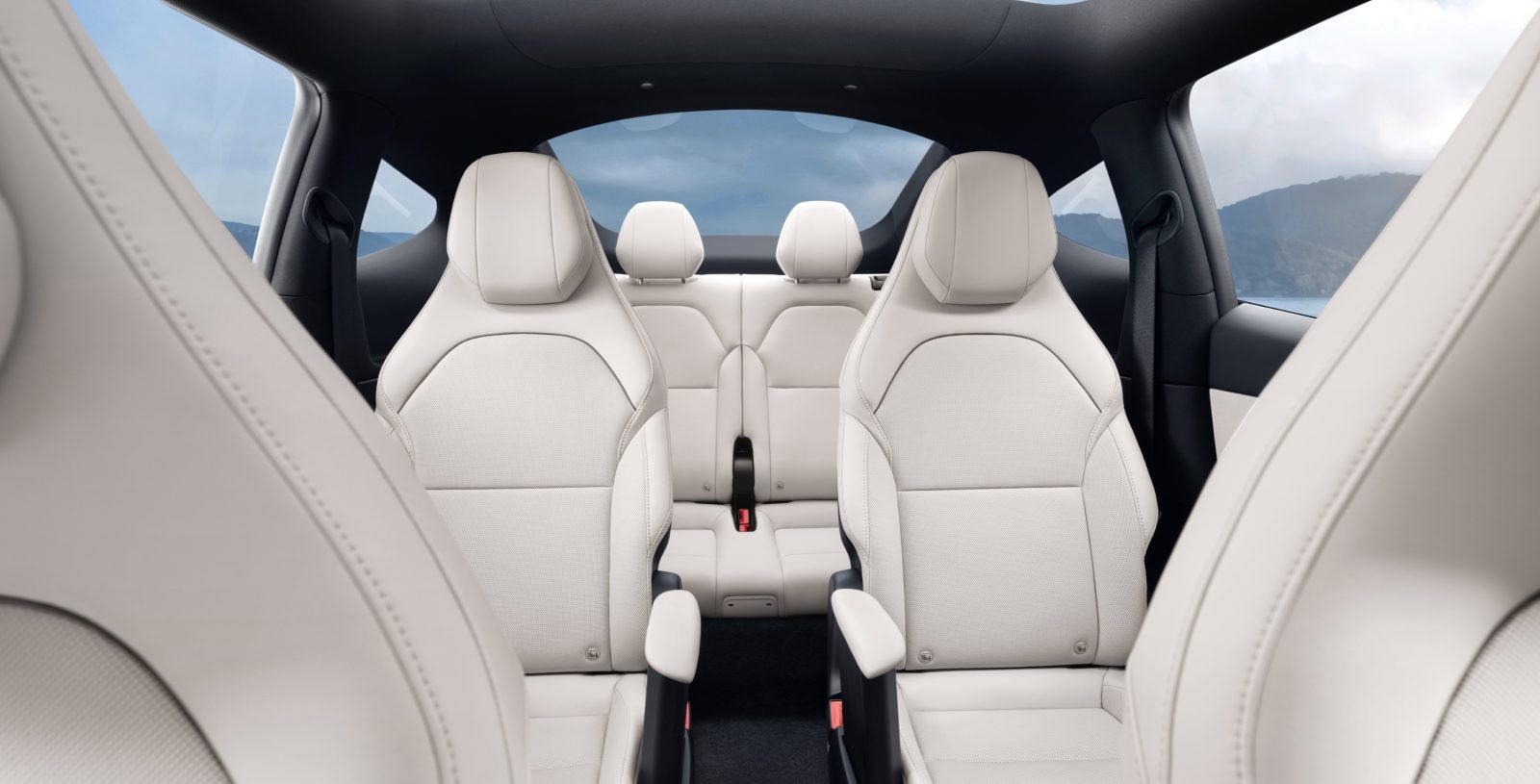
- April 22, 2026: Tesla launched the Model Y L (a stretched, six-seat variant) at ₹61.99 lakh (roughly $65,000), with deliveries beginning in June. Crucially, the larger six-seater was priced lower than the five-seat Model Y Long Range (which debuted at ₹67.89 lakh and was subsequently phased out).
- Late May 2026: Tesla slashed the entry-level Model Y’s price by 15%—dropping it from ₹59.89 lakh to ₹50.89 lakh (about $53,000).
The market response was immediate and sustained. Monthly registrations climbed steadily:
- June 2026: 38 registrations
- July 2026: 116 registrations
- August 2026: 117 registrations
- September 2026: 294 registrations (a new company record)
In total, Tesla logged 565 registrations in the four months following its price cuts and new model rollout—surpassing the 428 units it managed in its first nine months combined.
Supporting Data & Market Analysis
An analytical breakdown of ElecTree’s registration data reveals profound insights into consumer preferences within the Indian luxury EV segment.
Model Breakdown (June – September 2026)
- Model Y L (Six-Seat): 425 registrations
- Entry-Level Model Y: 140 registrations (Note: Entry Model Y has achieved roughly the same cumulative total of 425 registrations over its entire 13-month lifecycle).
The six-seat Model Y L has become the undisputed engine of Tesla’s Indian growth, accounting for a staggering 81% of the brand’s registrations in September 2026 alone.
Pricing Realities
Before taxes and fees, Indian buyers purchasing the Model Y L are paying within roughly $3,000 of the US retail price ($61,990), despite operating in a market with import duties reaching up to 110%. However, this remains noticeably higher than the approximately $47,000 baseline price in China, where the Model Y L is manufactured.
Geographic Expansion
To support this sales uptick, Tesla has steadily expanded its retail footprint. Starting with flagship showrooms in Mumbai, Delhi, and Gurugram during its 2025 launch, the automaker has since established a retail presence in key tech and financial hubs, including Bengaluru, Hyderabad, Chennai, and Noida.

Competitive Landscape
While Tesla’s recent growth is undeniable, macroeconomic context reveals its true standing in India:
- The Mass Market: Total Indian EV registrations hit 35,995 in September 2026 (a 98% year-over-year surge). Market leader Tata Motors alone accounted for 14,769 units. Tesla’s record month of 294 units translates to a meager 0.8% market share of the total Indian EV landscape.
- The Luxury Segment: Tesla fares significantly better among high-end buyers. In September 2026 luxury EV registrations, BMW led with 502 units, Tesla captured second place with 291 units, and Mercedes-Benz recorded 125 units. Tesla now commands roughly 30% of India’s luxury EV market.
- The Localization Contrast: The starkest comparison lies with Vietnamese EV maker VinFast. Entering the Indian market simultaneously with Tesla, VinFast chose to establish a local assembly plant in Tamil Nadu and price its SUVs aggressively between ₹18 lakh and ₹23 lakh ($19,000–$24,000). In September 2026 alone, VinFast registered 2,963 vehicles—tripling Tesla’s cumulative 13-month sales volume in a single month.
Official Responses and Industry Stakeholder Reactions
Tesla has historically maintained a guarded approach to regional sales reporting, declining to break down national figures in its quarterly earnings reports. Consequently, the industry relies heavily on independent tracking data and statements from regulatory and government figures.
When Tesla first launched in mid-2025, Indian automotive analysts and trade publications were fiercely critical. Leading voices argued that attempting to sell an imported, American-spec vehicle at double its domestic value fundamentally misunderstood the purchasing psychology of Indian consumers.
The sentiment shifted following the May 2026 announcement from India’s Ministry of Heavy Industries confirming that Tesla had shelved its domestic manufacturing ambitions. Government officials noted that while foreign direct investment in manufacturing is preferred to stimulate local supply chains and job creation, the government remains agnostic toward imported luxury marques so long as regulatory and safety compliance standards are met.
Meanwhile, legacy luxury competitors like BMW and Mercedes-Benz have publicly downplayed Tesla’s initial disruption, pointing to their established service networks, localized assembly operations, and deep-rooted dealer relationships across India. Nevertheless, Tesla’s aggressive capture of 30% of the luxury EV market in late 2026 has forced traditional German automakers to accelerate their own electric vehicle rollouts in the subcontinent.
Implications: What Lies Ahead for Tesla in South Asia?
Tesla’s first 13 months in India offer critical strategic takeaways for multinational automakers attempting to crack emerging markets without local production infrastructure.
- The Cost of Import Tariffs: Operating purely on imported inventory creates a severe pricing ceiling. Without localized manufacturing or tariff exemptions negotiated at the federal level, foreign automakers are perpetually vulnerable to currency fluctuations and prohibitive tax structures. VinFast’s localized model serves as an undeniable proof-of-concept for the advantages of domestic assembly.
- Product-Market Fit for Seating and Space: The runaway success of the Model Y L demonstrates that Indian luxury buyers place a high premium on utility, passenger capacity, and comfort. The preference for a six-seat configuration over a traditional five-seat layout highlights how subtle shifts in product offerings can unlock dormant consumer demand.
- Brand Prestige vs. Practicality: Tesla has successfully leveraged its global brand cachet to capture a solid foothold in India’s nascent luxury segment. However, transitioning from a niche luxury player to a volume seller will remain impossible without a fundamental shift toward lower-cost, locally manufactured vehicles.
For now, Tesla has proven that it is not abandoning the Indian market. By recalibrating its pricing strategy and introducing more appealing variants like the Model Y L, the company has successfully resuscitated its sales trajectory. Whether this momentum can be sustained in the face of rapidly scaling domestic competitors and entrenched luxury rivals, however, remains one of the most compelling storylines in the global electric vehicle sector.
