

BERLIN — Xiaomi is no longer just a smartphone manufacturer, nor is it merely a recognizable brand in the consumer electronics space. Known globally for its sleek handsets—including the critically acclaimed Leica-partnered Leitzphone, which recently earned top honors—the Chinese tech giant is aggressively scaling its ambitions far beyond mobile telephony. At this year’s IFA tech show in Berlin, Xiaomi showcased a massive expansion of its footprint, demonstrating that its corporate tentacles extend into everything from smart climate control and food preservation to high-efficiency laundry systems and cutting-edge electric vehicles.
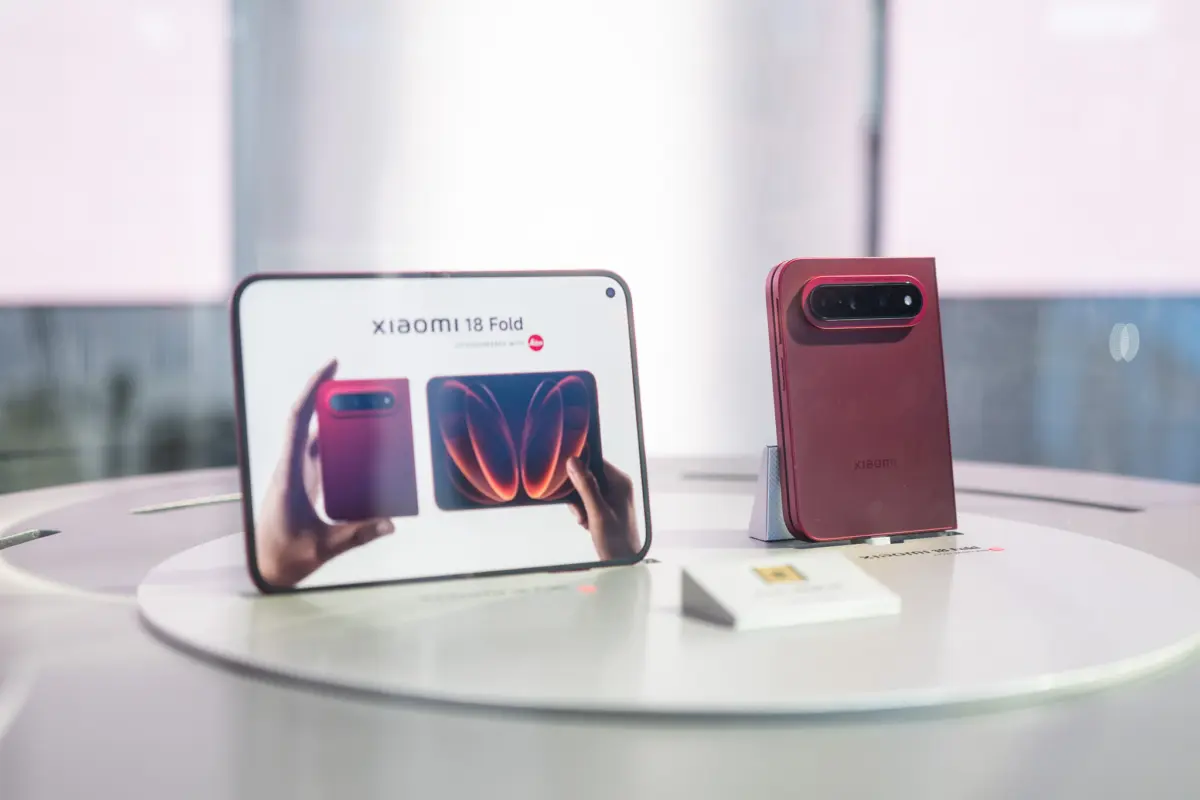
Most notably, the company used the European stage to formally introduce its broader Mijia smart home ecosystem to the European market, while simultaneously giving attendees a tantalizing, behind-the-glass glimpse of its upcoming flagship foldable: the Xiaomi 18 Fold. Driven by an in-house proprietary processor and sporting a wider, media-friendly aspect ratio, the new foldable device is explicitly positioned to take on the heavyweights of the mobile industry, including Samsung and the heavily anticipated folding offerings from Apple.
Main Facts
The announcements made by Xiaomi at IFA 2025 mark a transformative pivot for the brand, steering it away from a collection of siloed gadgets toward a unified, vertically integrated global ecosystem.
- The Mijia European Expansion: Xiaomi is bringing its robust Mijia smart home portfolio to Europe, bridging the gap between localized mobile sales and a fully realized smart living ecosystem. Key products leading this charge include the Mijia Refrigerator Pro Cryo Fresh, the Mijia Tri-Drum Washer Dryer Pro, and the Mijia Conditioner Turbo Pro.
- The Xiaomi 18 Fold Debut: Displayed physically for the first time behind glass at IFA, the Xiaomi 18 Fold is slated for a September release. It features a passport-shaped, wider foldable format reminiscent of the Samsung Galaxy Z Fold series.
- In-House Silicon (Xring 03): Breaking away from its historical reliance on Qualcomm chips for devices like the Leitzphone, the Xiaomi 18 Fold will run on Xiaomi’s proprietary Xring 03 processor. This mirrors the strategic moves made by Apple and Google to control their hardware-software integration from the silicon up.
- Automotive Horizons: Reinforcing its long-term ecosystem strategy, Xiaomi reiterated its timeline to bring its electric vehicle (EV) lineup—highlighted by the SU7, initially revealed at MWC 2025—to the European market beginning in 2027.
Chronology of Xiaomi’s Ecosystem Evolution
To understand the weight of Xiaomi’s announcements at IFA 2025, it is necessary to examine the systematic trajectory the company has pursued over the past several years.

Phase 1: Mobile Dominance and Camera Partnerships (2020–2023)
Xiaomi initially built its global reputation by undercutting premium competitors with high-value smartphones. As its market share solidified, the company pivoted toward premium engineering, most notably establishing a landmark strategic partnership with iconic German camera manufacturer Leica. This collaboration bore fruit in devices like the Xiaomi 17 Ultra and the Leitzphone, establishing Xiaomi as a serious contender in computational photography and high-end hardware design.
Phase 2: Diversification into Mobility and Appliances (2024–Early 2025)
While continuing to refine its mobile offerings, Xiaomi quietly built out a sprawling manufacturing empire. Domestically in China, and selectively across various Asian markets, the Xiaomi name became synonymous with lifestyle products: electric scooters, air fryers, smart lighting, robot vacuums, and heavy home appliances. The turning point for its global automotive ambitions arrived at Mobile World Congress (MWC) 2025, where the company showcased the sleek SU7 electric vehicle, signaling to the automotive industry that tech companies were coming for the road.
Phase 3: The IFA 2025 European Pivot (September 2025)
At IFA in Berlin, Xiaomi consolidated these disparate threads. By formally introducing the Mijia smart home sub-brand to Europe and showcasing the Xring 03-powered Xiaomi 18 Fold, the company transformed from a collection of gadget makers into a unified lifestyle ecosystem. The timeline now points toward a September release for the 18 Fold and an ambitious 2027 European rollout for its EV fleet.
Supporting Data: The IFA Home Tech and Mobile Lineup
Xiaomi’s hardware showcase in Berlin was anchored by four distinct products designed to target daily consumer pain points through engineering and automation.

1. Mijia Refrigerator Pro Cryo Fresh
- Design & Features: A double-door refrigerator utilizing advanced multi-vent air circulation paired with nano blue light sterilization technology.
- Target Objective: Extending the shelf life of perishables, mitigating household food waste, and preventing common produce issues (such as the rapid softening of bell peppers).
2. Mijia Tri-Drum Washer Dryer Pro
- Design & Features: An unconventional washing machine featuring three separate operational drums.
- Performance: Boasts a 35% increase in energy efficiency compared to standard multi-load or traditional single-drum European washing systems, maximizing utility while minimizing power draw.
3. Mijia Conditioner Turbo Pro
- Design & Features: A high-capacity residential air conditioning and heating unit.
- Performance: Engineered for rapid room temperature regulation, providing substantial thermal power for both peak summer cooling and winter heating scenarios.
4. Xiaomi 18 Fold
- Display Format: Passport-shaped, wider aspect ratio similar to contemporary foldable standards (such as the Samsung Galaxy Z Fold 8 and rumored Apple foldables). This wider inner canvas optimizes video consumption and multitasking.
- Processor: Powered by the proprietary Xring 03 in-house chipset, marking a major milestone in Xiaomi’s independence from third-party silicon providers.
- Release Window: September 2025. Pricing and broad regional availability details remain under wraps.
Official Responses and Corporate Strategy
The transition from a regional hardware vendor to an integrated global ecosystem player requires deliberate executive messaging. Speaking at the IFA exhibition, Xiaomi’s Chief Marketing Officer, Xu Fei, emphasized that the company’s current expansion goes far beyond simple product exportation.
"This year’s IFA marks a significant milestone in Xiaomi’s global journey," stated Xu Fei, Xiaomi’s Chief Marketing Officer, in an official press release. "This goes beyond bringing more products to Europe. It is about bringing Xiaomi’s technology and ecosystem capabilities to more users across the region."
Industry analysts note that this strategy mirrors the playbook perfected by Apple. By controlling the hardware design, the smart home communication protocols (via the Mijia ecosystem), and now the core mobile processing silicon (the Xring 03), Xiaomi is systematically closing off vulnerabilities associated with third-party dependencies.
The decision to develop the Xring 03 chipset in-house is particularly telling. Previously reliant on Qualcomm platforms for flagship smartphones and specialized editions like the Leitzphone, Xiaomi’s investment in proprietary silicon underscores a long-term commitment to deep hardware-software optimization. Executives believe this architecture will yield superior power efficiency, thermal management, and AI processing capabilities across both its mobile devices and interconnected IoT (Internet of Things) devices.

Implications for the Tech Landscape
Xiaomi’s aggressive display at IFA 2025 carries profound implications for several major global tech sectors:
1. Intensified Competition in the Foldable Space
With the Xiaomi 18 Fold adopting a wider, more ergonomic passport format, the foldable smartphone market is rapidly converging around a standardized set of dimensions. By launching in September—roughly concurrently with Apple’s anticipated product announcements and directly challenging Samsung’s latest Galaxy Z Fold iterations—Xiaomi is signaling that it intends to compete at the absolute apex of mobile engineering. The inclusion of the Xring 03 chip also protects Xiaomi from supply chain bottlenecks and margin squeezes dictated by external chipmakers.
2. The Smart Home Wars Heat Up in Europe
While European consumers have long had access to individual Xiaomi accessories, the formal introduction of the Mijia branding establishes a unified front. Competing directly against established European, Korean, and Japanese appliance manufacturers (such as Bosch, Miele, and LG), Xiaomi is betting that consumers will gravitate toward a cohesive ecosystem where refrigerators, washing machines, air conditioners, and smartphones all communicate seamlessly under a single application umbrella.
3. The Long Road to Automotive Integration
Though the SU7 electric vehicle is not scheduled to hit European showrooms until 2027, Xiaomi’s persistent messaging regarding its automotive plans keeps the brand top-of-mind for tech-forward consumers. The underlying narrative is clear: a Xiaomi user will eventually be able to wake up in a climate-controlled home managed by a Mijia Conditioner, eat food preserved by a Cryo Fresh fridge, commute in an SU7 electric car powered by Xiaomi’s vehicle platform, and carry a Xiaomi 18 Fold powered by an Xring processor.

As September unfolds, tech enthusiasts will be watching closely for the full spec sheet, pricing, and availability of the Xiaomi 18 Fold. If the hardware matches the ambition of its presentation in Berlin, Western competitors may soon find themselves playing catch-up to a brand that refuses to stay in any single lane.
