

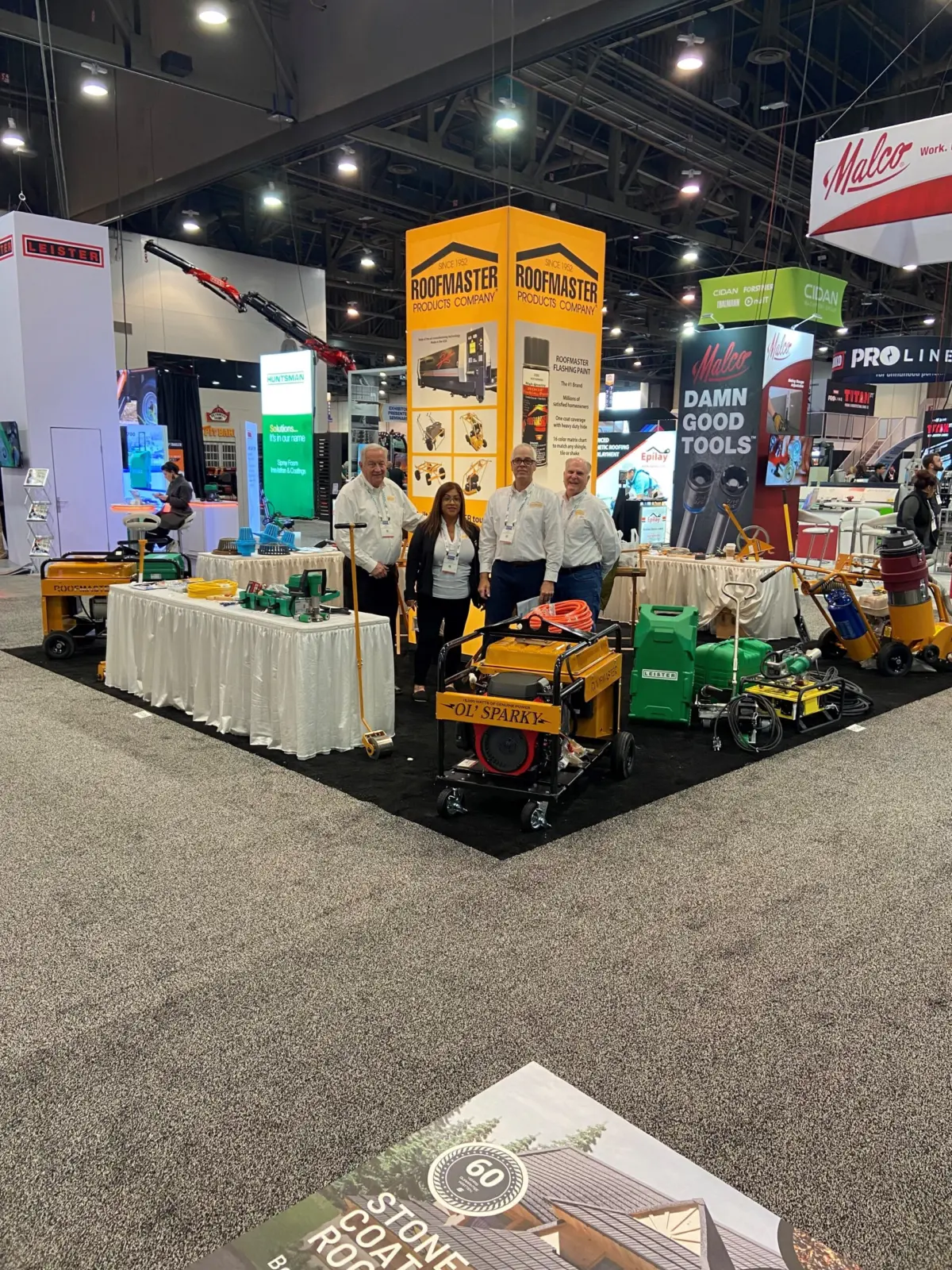
LOS ANGELES, CA — The commercial and residential roofing industries are undergoing an unprecedented transformation, driven by a convergence of strict regulatory updates, labor shortages, and a rapid technological shift toward energy-efficient materials. At the center of this industrial evolution is Roofmaster Products Company, a veteran manufacturer and distributor that has systematically expanded its highly specialized equipment and tool portfolio to meet the changing demands of the modern job site.
From advanced single-ply membrane installation systems to heavy-duty thermal management and OSHA-compliant fall protection, the company’s newly optimized catalog represents a comprehensive response to a supply chain under pressure.
1. Main Facts: The Intersection of Safety, Logistics, and Thermal Engineering
The modern roofing contractor no longer relies solely on traditional, manual installation methods. Today’s commercial job sites require a highly synchronized blend of heavy machinery, specialized hand tools, and rigorous safety protocols. Roofmaster’s expanded product line addresses these multi-faceted needs across several core categories:
- Thermal and Asphalt Processing: Despite the rise of synthetic materials, Built-Up Roofing (BUR) remains a staple of commercial infrastructure. Roofmaster continues to support this sector with its signature line of Roofmaster Kettles, alongside an intricate network of kettle repair parts, litewall tubing, LP/butane valves, and tanker pumps.
- Single-Ply and Synthetic Innovations: Reflecting the industry’s massive pivot toward Thermoplastic Polyolefin (TPO), Ethylene Propylene Diene Monomer (EPDM), and modified bitumen, the company has bolstered its single-ply division. This includes hot-air welders, adhesive rollers, steel and rubber rollers, and modified bitumen LP torches.
- Logistical and On-Deck Mobility: Moving tons of material several stories into the air requires robust mechanical systems. Roofmaster’s logistics ecosystem spans powered conveyors (utilizing specialized FBR and HSDF conveyor parts), non-powered roof hoists, material handling carts, and specialized turntables and outriggers.
- Water Management and Infrastructure Integrity: To combat the increasing frequency of extreme weather events, the company has diversified its drainage solutions, offering new-installation and retrofit drains in aluminum, copper, and plastic, complemented by heavy-duty clamping rings and overflow systems.
2. Chronology: The Technological Evolution of the Roofing Industry
To understand the breadth of Roofmaster’s current inventory, it is essential to trace the historical timeline of commercial roofing technologies over the last half-century.
[1970s–1980s] BUR Dominance & Thermal Foundations
  └── Traditional Built-Up Roofing (BUR) relies heavily on hot asphalt kettles.
  └── Roofmaster establishes itself as a leader in heavy thermal equipment and asphalt pumps.

[1990s] The Rise of Single-Ply Membranes
  └── TPO and EPDM enter the mainstream, demanding cold-applied adhesives and hot-air welding.
  └── Roofmaster introduces hand rollers, adhesive frames, and specialized single-ply scissors.

[2000s] Regulatory Tightening & Fall Protection
  └── OSHA increases oversight on job site safety, introducing strict fall arrest mandates.
  └── Portfolio expands to include roof anchors, harnesses, warning lines, and perimeter systems.

[2010s] Sustainability, Solar Integration, and Smart Drainage
  └── Cool roofs, green roofing, solar mounts (CommDeck), and retrofit drainage become critical.
  └── Focus shifts to water mitigation, energy conservation, and system restoration.

[Present] Supply Chain Resilience & Consolidated Sourcing
  └── Contractors face labor shortages and supply bottlenecks.
  └── Roofmaster optimizes its digital catalog as a single-source supplier for all roofing disciplines.
The Transition from BUR to Synthetic Membranes
For decades, the standard commercial roof was built using layers of asphalt-saturated felt and hot bitumen. This process required massive on-deck thermal equipment. However, as environmental regulations tightened and structural energy efficiency became a priority, the industry saw the rapid rise of single-ply membranes.
Roofmaster adapted by introducing precise hot-air welders and specialized adhesive application systems, allowing contractors to transition seamlessly from hot-applied systems to highly efficient synthetic installations.
3. Supporting Data: Market Realities and Product Breakdown
The structural division of Roofmaster’s catalog reveals a highly engineered approach to product categorization, designed to minimize contractor downtime by offering exact replacement components for complex machinery.
Product Categorization and Mechanical Breakdown
| Department | Key Sub-Categories & Components | Primary Industry Application |
|---|---|---|
| Thermal & Burning | Kettles, Kettle Pump Parts, Litewall Tubing, Regulators, LP/Butane Valves, Modified Bitumen Torches | Hot-asphalt application, built-up roofing (BUR) restoration, and modified bitumen heat-welding. |
| Logistics & Conveyance | Conveyors, FBR/HSDF Parts, Turntables, Hoisting Wheels, Powered Hoists, Material Carts | Safe and efficient transport of heavy materials from ground level to high-rise roof decks. |
| Single-Ply Systems | Hot-Air Welders, Steel/Rubber Rollers, Adhesive Rollers & Frames, Testers, Material Clamps | Installation of EPDM, TPO, and PVC membranes requiring precise heat welding and adhesive application. |
| Water Mitigation | Aluminum/Copper/Plastic Retrofit Drains, Clamping Rings, Combo/Overflow Drains, Scuppers | High-capacity drainage to prevent structural water accumulation and catastrophic roof collapses. |
| Safety & Fall Arrest | Harnesses, Roof Anchors, Perimeter Warning Lines, Warning Cones & Tapes, First Aid Kits | OSHA compliance, worker protection, and liability mitigation on commercial construction sites. |
The Economic Impact of Retrofit Drainage
According to industry research, water damage remains the leading cause of premature commercial roof failure, accounting for over 70% of structural roof litigation. Standard roof replacements are often cost-prohibitive for building owners, driving a surge in the retrofitting market.
By utilizing copper and aluminum retrofit drains, contractors can insert new, watertight drainage systems directly into existing plumbing stacks without undergoing invasive and expensive interior structural demolition.
4. Official Responses: Insights from Corporate Leadership and Field Experts
Industry analysts point out that the survival of modern roofing distributors depends heavily on their ability to act as technical advisors, rather than mere product warehouses.
"The modern roofing job site is highly regulated and incredibly fast-paced," says Marcus Vance, a senior commercial project superintendent based in the Pacific Northwest. "If we have a crew on a roof and a conveyor belt breaks down, or if we run out of specialized base ply fasteners, every hour of delay costs us thousands of dollars. Having a distributor that carries everything from specialized FBR conveyor parts to the exact safety harnesses we need is a major operational advantage."
Engineering experts also highlight the sophistication of modern application equipment. The development of specialized spraying systems, such as the GranuleMaster and WarmMaster, represents a major leap forward in fluid-applied roof restoration.
These systems allow contractors to apply protective coatings and embed protective granules with mechanical precision, significantly extending the lifespan of existing roofs while reducing labor costs.
5. Implications: The Future of the Roofing and Building Envelope Sectors
The expansion of Roofmaster’s product ecosystem has profound implications for the broader construction and building maintenance sectors, particularly as the industry grapples with labor shortages and climate change.
Overcoming the Labor Deficit Through Efficiency
The construction industry faces an ongoing shortage of skilled labor. To counter this, contractors are increasingly relying on powered hand tools, automatic feltlayers, and advanced single-ply welding equipment to maximize the productivity of smaller crews.
By investing in high-efficiency equipment—such as automated feltlayers, powered roof saws with carbide blades, and specialized tile saws—contractors can complete projects faster and with fewer workers, without sacrificing quality.
The Green Building Transition
As municipal building codes continue to mandate sustainable construction practices, the roofing sector is on the front lines of environmental adaptation.
Products like the CommDeck system (designed for seamless solar and communication integrations on composition shingles and tile roofs) and advanced paver supports are becoming industry standards. These technologies allow roofs to serve as active platforms for solar energy generation and green urban spaces.
The Standard of Safety
With OSHA continually tightening its enforcement of fall-protection standards, safety equipment is no longer an afterthought. The integration of high-grade fall arrest systems, roof anchors, and perimeter warning lines directly into standard equipment orders demonstrates that safety has become a core component of operational planning.
For contractors, maintaining a fully compliant job site is not only a moral obligation but also a vital financial strategy to avoid costly regulatory penalties and rising insurance premiums.
Conclusion
As the commercial roofing landscape grows increasingly complex, the demand for highly specialized, durable, and reliable equipment will only continue to rise. Through its comprehensive and diversified product offerings, Roofmaster Products remains positioned to support contractors as they build the resilient, energy-efficient, and safe infrastructure of tomorrow.
