

WASHINGTON — For generations, sodium hypochlorite—universally known as household bleach—has held a sacred, singular place in the American utility closet. Its primary identity has long been tied to the laundry room, prized for its ability to strip stains from whites and brighten cottons. However, contemporary home maintenance experts, horticulturists, and public health agencies are increasingly highlighting a much broader spectrum of utility for the potent chemical.
Far beyond the washing machine, bleach functions as an aggressive weed killer, a garden tool sanitizer, a patio restorer, and even an emergency water purifier. Yet, this expanding utility comes paired with heightened safety caveats. As homeowners look for cost-effective ways to manage seasonal chores, safety advocates emphasize that treating bleach with casual familiarity can quickly lead to hazardous domestic accidents.
Main Facts: What is Sodium Hypochlorite and How Does It Work?
At its chemical core, bleach is a powerful oxidizing agent. Sodium hypochlorite ($textNaClO$) works by breaking down the molecular bonds of chromophores—the parts of molecules that give objects their color. By altering or destroying these bonds, bleach effectively eliminates stains.
Beyond its whitening capabilities, the same oxidative mechanism makes it a broad-spectrum disinfectant. It rapidly destroys the cellular structures of bacteria, viruses, fungi, and mold spores.
Critical Safety Parameters
Because of its reactive nature, handling bleach requires strict adherence to safety protocols:
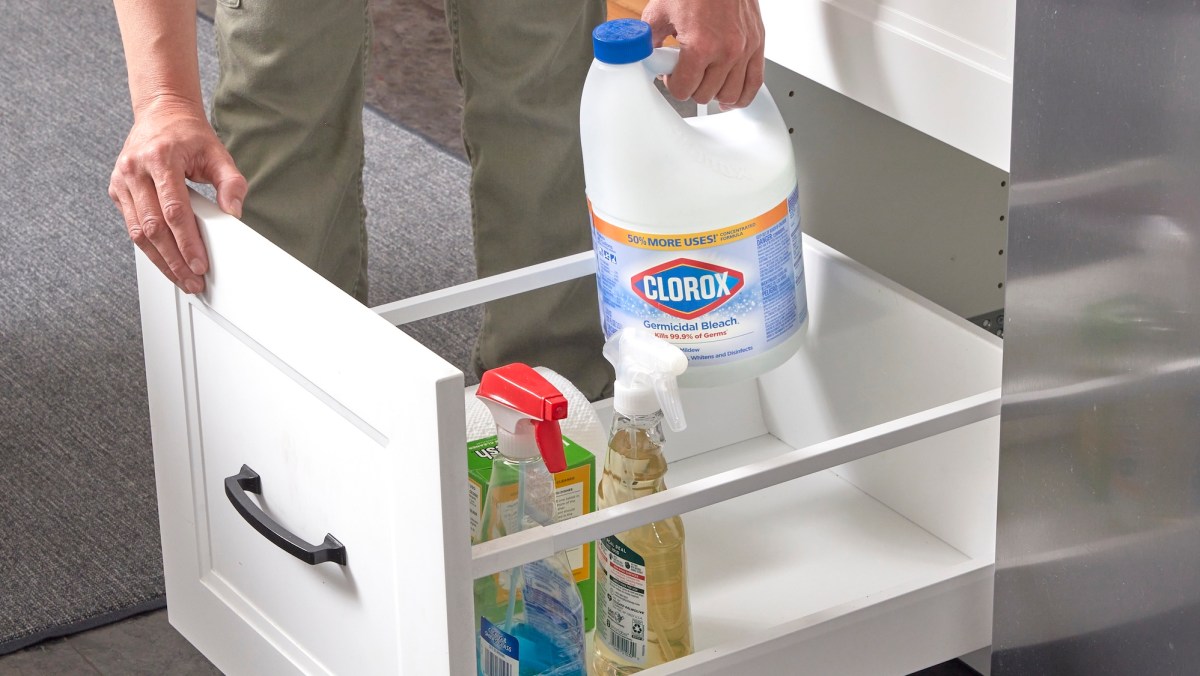
- The Ammonia and Acid Danger: Never mix bleach with ammonia, vinegar, toilet bowl cleaners, or other acidic products. Doing so initiates a chemical reaction that releases toxic gases (such as chlorine gas or chloramine vapors), which can cause severe respiratory damage or prove lethal.
- Ventilation: Bleach vapors release strong fumes that irritate the mucous membranes, eyes, and lungs. It should only be used in well-ventilated spaces.
- Protective Gear: Direct contact can cause chemical burns or severe skin irritation; rubber gloves and eye protection are non-negotiable prerequisites for heavy-duty applications.
Chronology: The Evolution of Bleach from Textile Industrialization to Everyday Utility
To understand how bleach became a ubiquitous household chemical, it helps to examine its historical timeline:
- Late 18th Century (1785): French chemist Claude Louis Berthollet discovered the bleaching properties of chlorine gas, revolutionizing the European textile industry by replacing sun-bleaching fields with chemical processes.
- 1799: Scottish chemist Charles Tennant developed a powder form (chlorinated lime), making commercial distribution safer and more practical for industrial mills.
- Early 20th Century: Liquid sodium hypochlorite solutions became commercially viable for household consumption, quickly transitioning from industrial textile mills to domestic kitchens and laundries.
- Mid-to-Late 20th Century: Public health organizations, including the Centers for Disease Control and Prevention (CDC) and the Environmental Protection Agency (EPA), codified specific guidelines for using diluted bleach solutions for sanitation during natural disasters and water-shortage emergencies.
- Modern Era: Home improvement authorities and DIY platforms began cataloging dozens of alternative domestic uses for the chemical, transforming it from a simple laundry aid into a multi-use property maintenance tool.
Supporting Data & Practical Applications: 13 Surprising Uses for Bleach
When properly diluted, sodium hypochlorite serves functions that span the entire homestead. Here is how modern homeowners are utilizing bleach across various categories:
In the Kitchen and Household
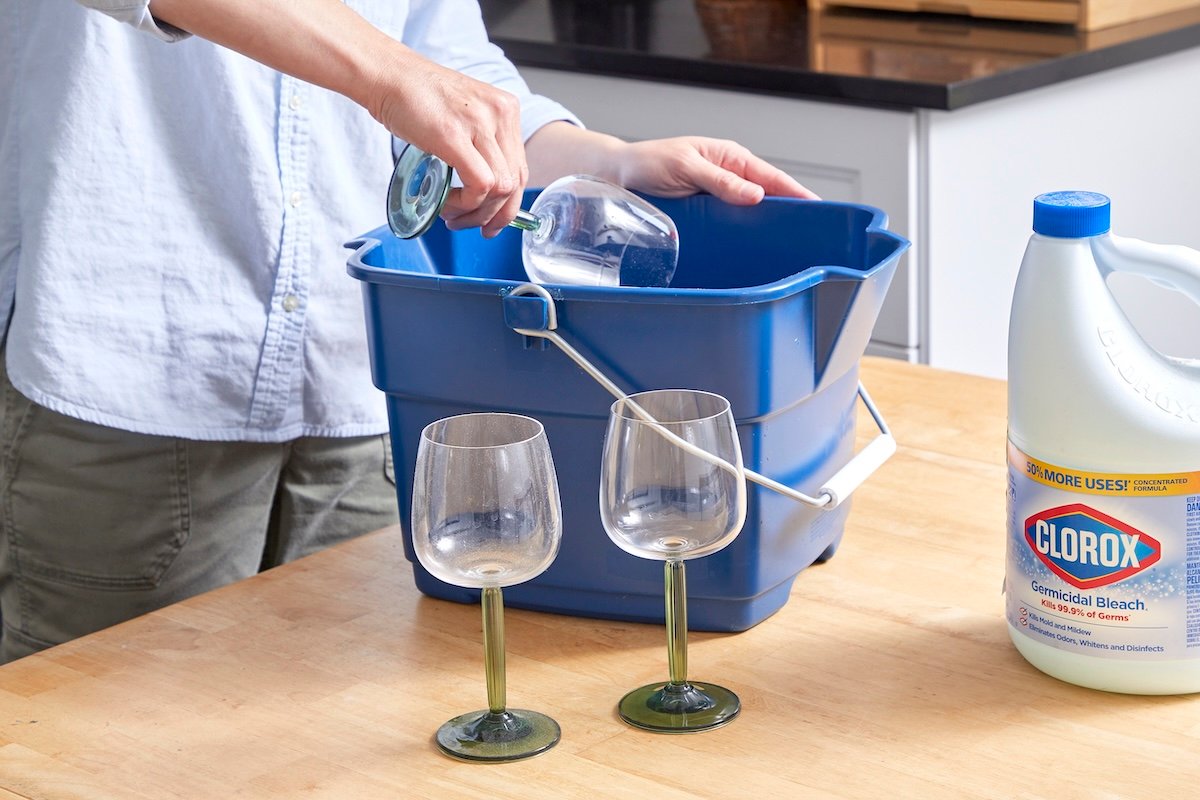
- Making Glassware Sparkle: Adding a single teaspoon of bleach to a dishwasher load restores a brilliant shine to cloudy glassware. Alternatively, a soak in a 1:4 bleach-and-water solution clears away stubborn mineral haze.
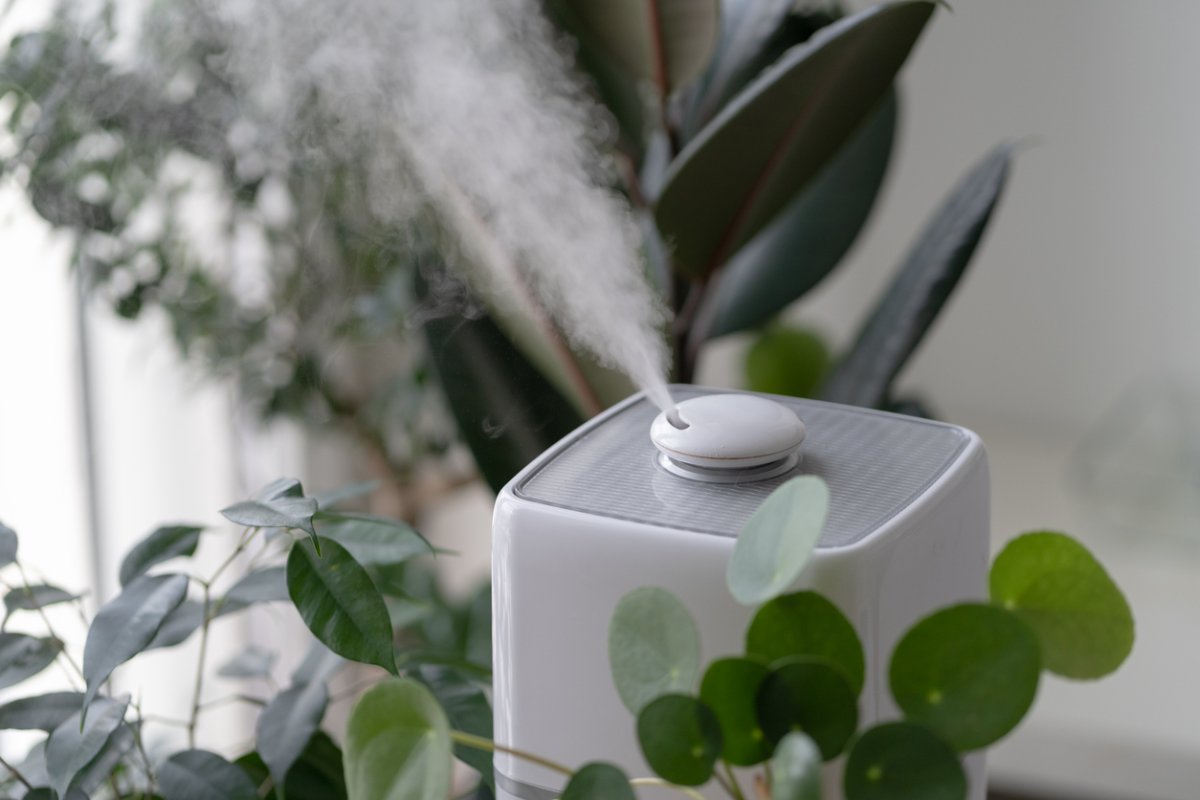
- Purifying Humidifiers: The EPA recommends cleaning humidifiers regularly to prevent mold and bacterial growth. A mix of 1 teaspoon of bleach per gallon of water, left in the tank for 20 minutes, safely sanitizes the unit.
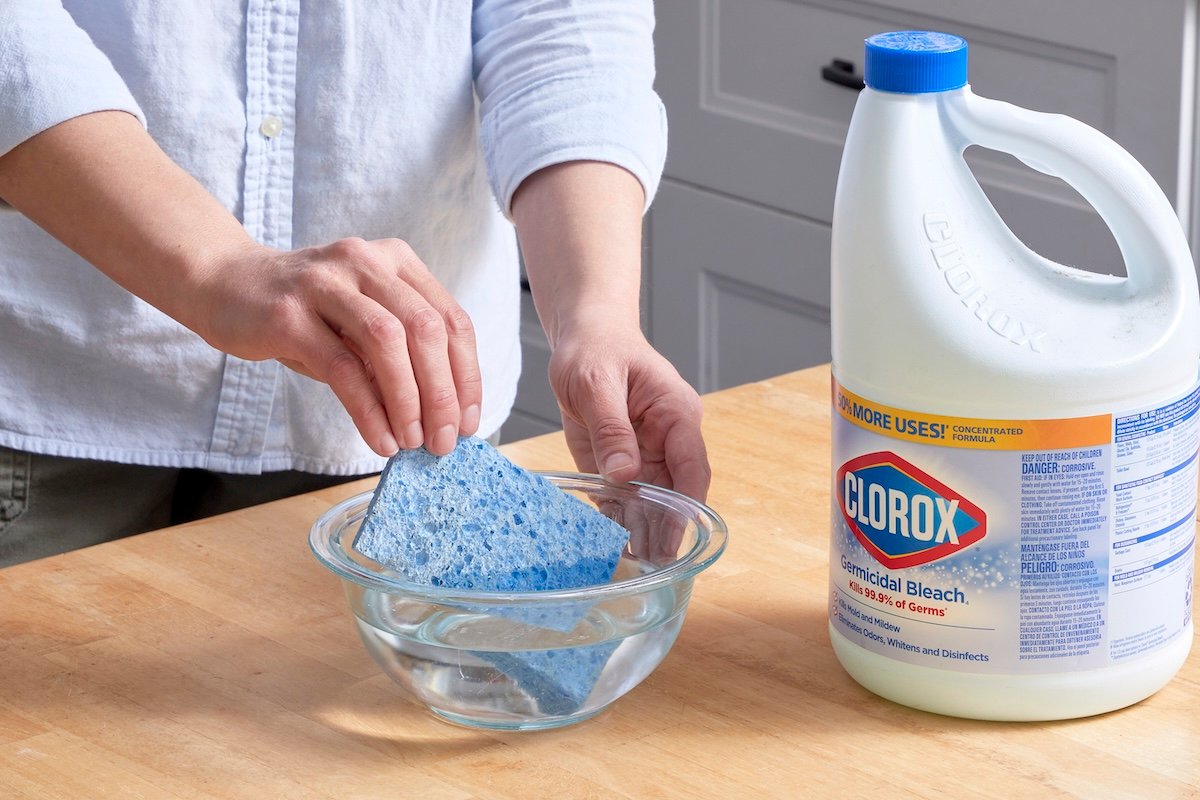
- Sterilizing Sponges: Kitchen sponges are bacterial hotbeds. Submerging a sponge for one minute in a mixture of ½ teaspoon of 8.25% bleach per quart of warm water neutralizes accumulated germs.
In the Garden and Outdoors
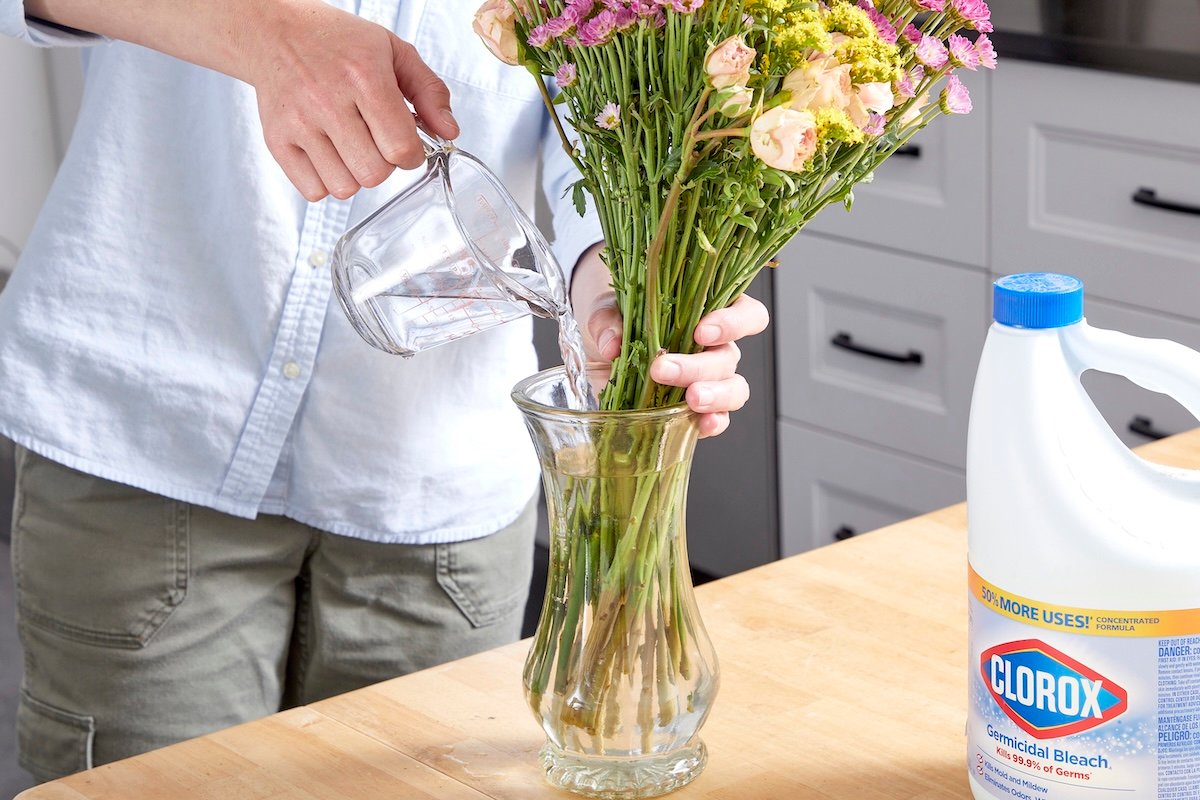
- Boosting Flower Blooms: Adding a few drops of bleach to vase water keeps cut flowers fresh longer by preventing bacterial slime from clogging the stems, keeping the water crystal clear.
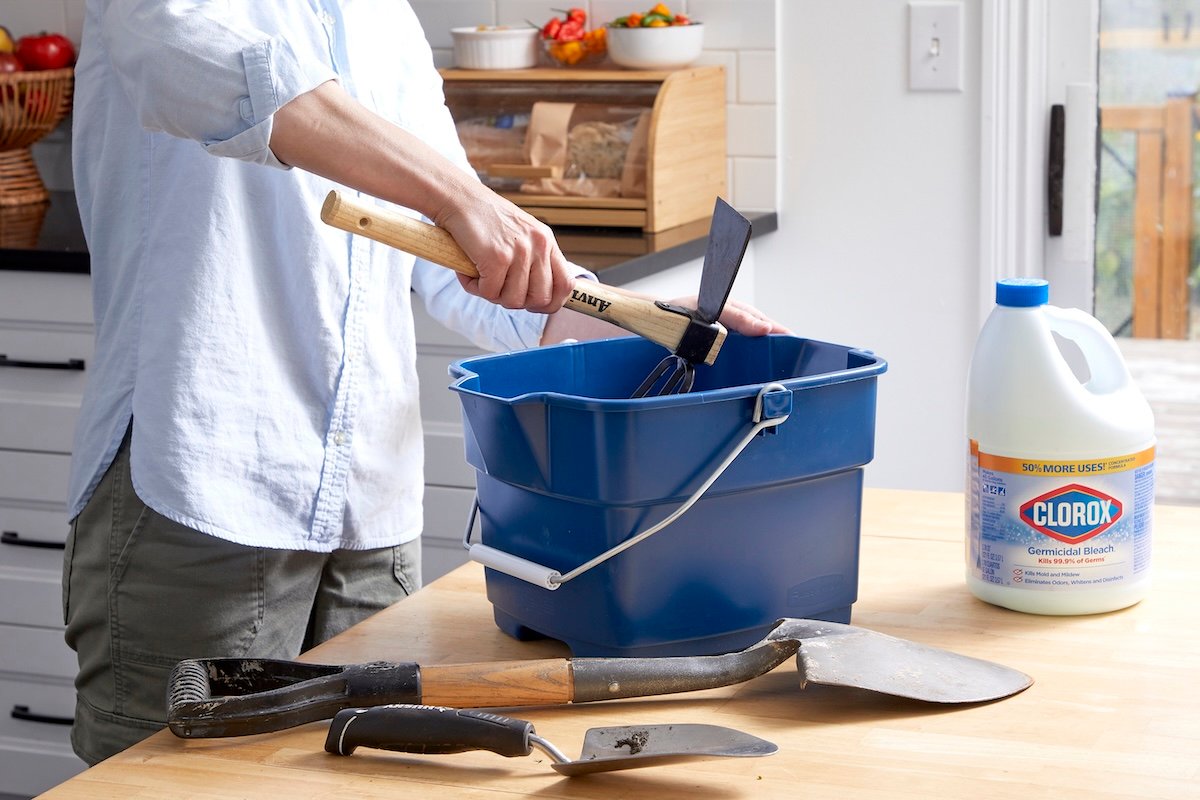
- Disinfecting Garden Tools: Pruning shears and trowels can transmit plant diseases. Soaking them in a 1-to-4 bleach solution eliminates pathogens before they spread to healthy flora.
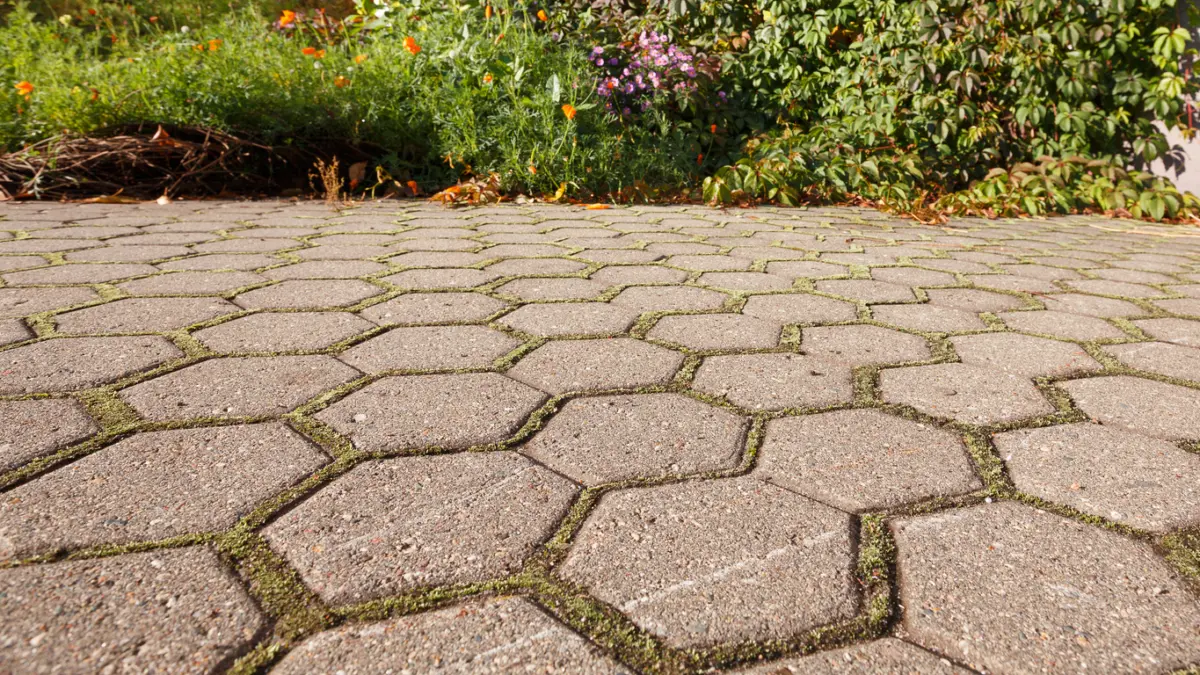
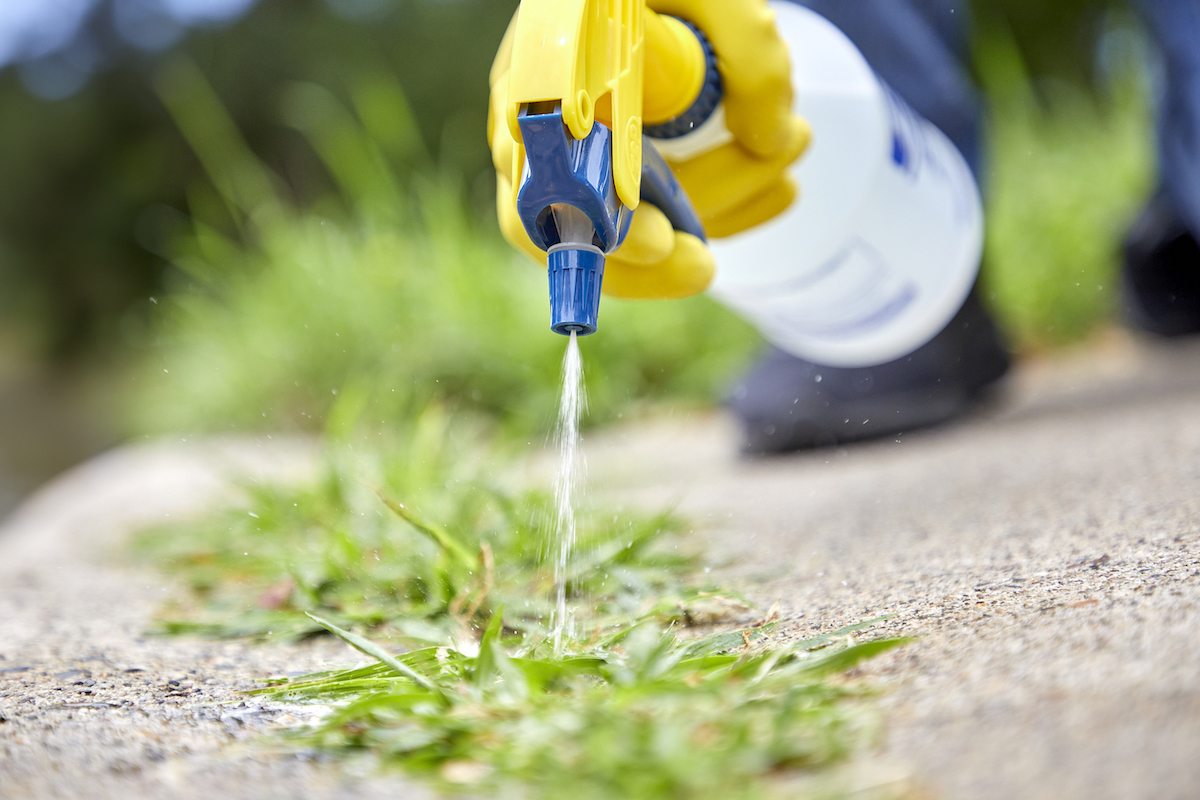
- Eliminating Weeds: Undiluted bleach sprayed directly onto weeds sprouting in concrete or driveway cracks will kill them and deter future growth. (Caution: It will also kill adjacent grass and can lighten paving stones).
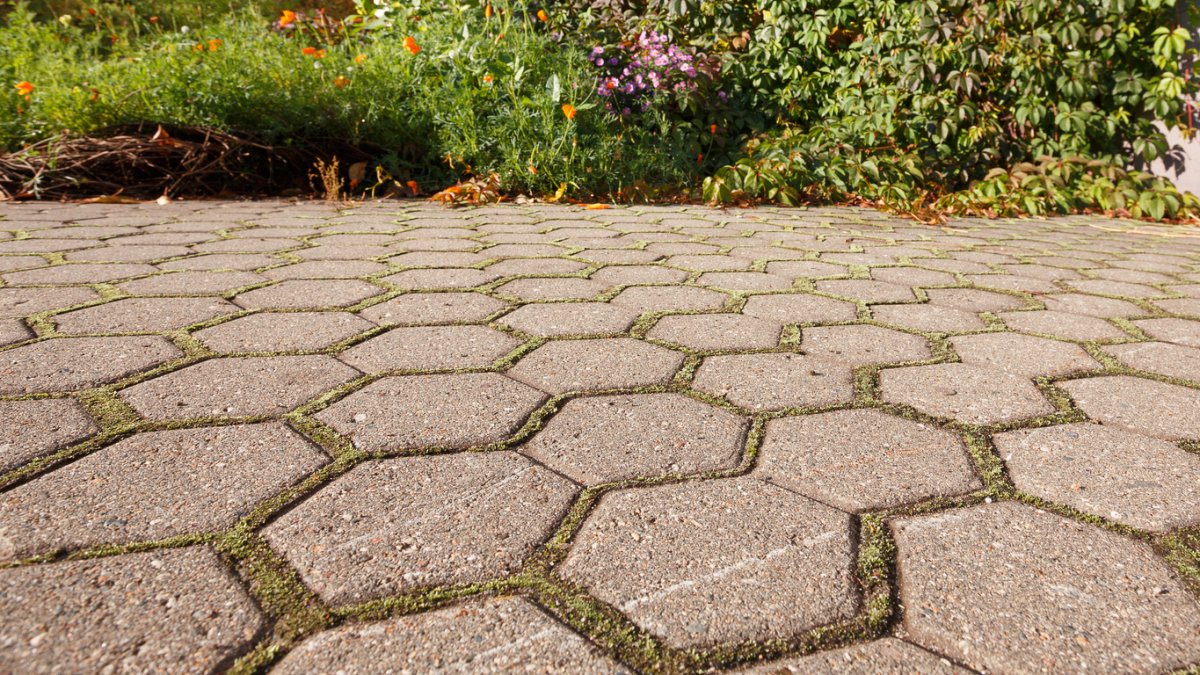
- Revitalizing Paths and Patios: Algae and moss make stone walkways slippery and weathered. A solution of 1 cup of bleach per gallon of water quickly lifts organic grime when sprayed and rinsed.
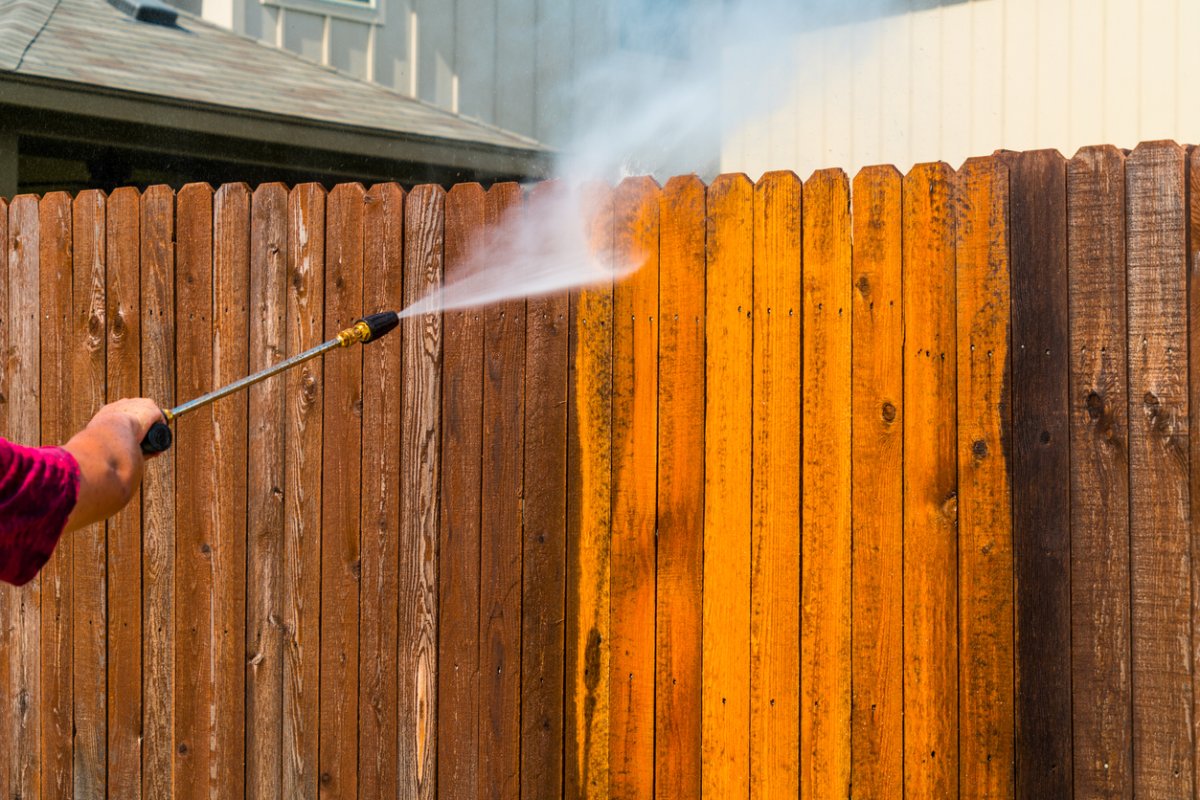
- Renewing Wood Fences: Gray, mold-stained privacy fences can be restored using a pump sprayer filled with a diluted bleach solution, protecting surrounding plants with drop cloths beforehand.
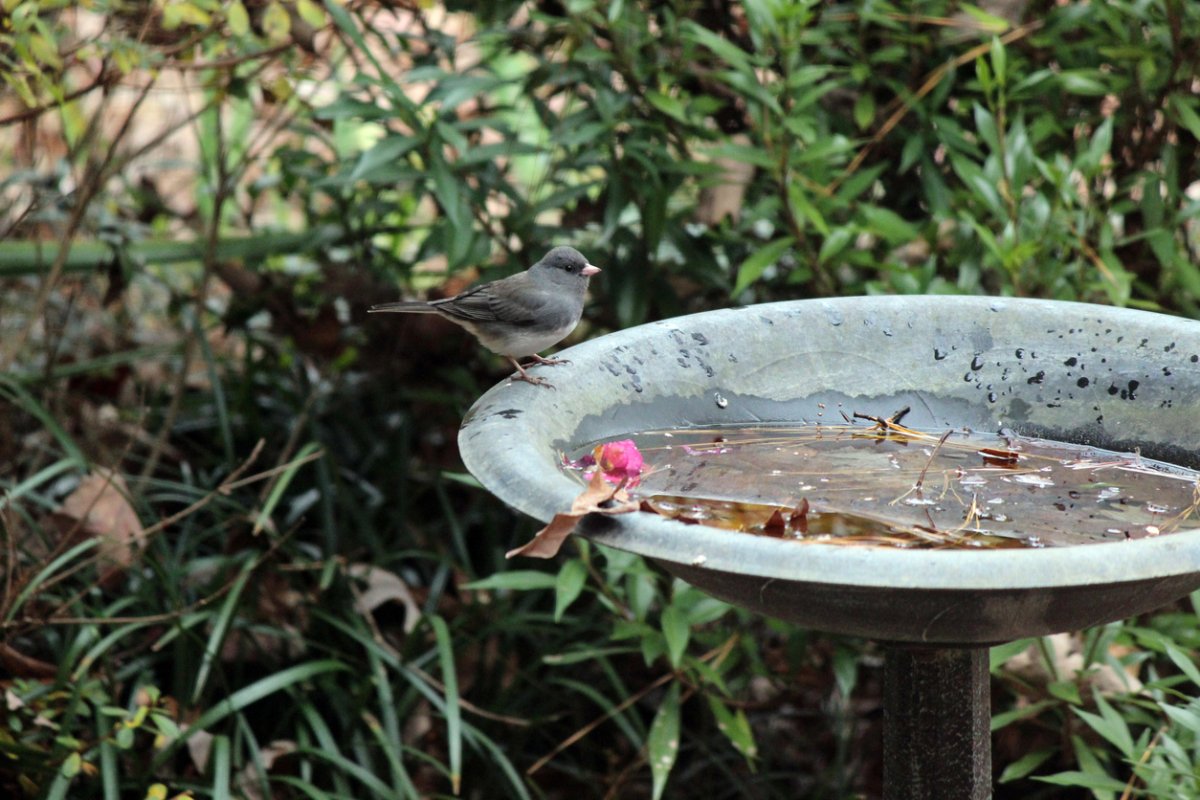
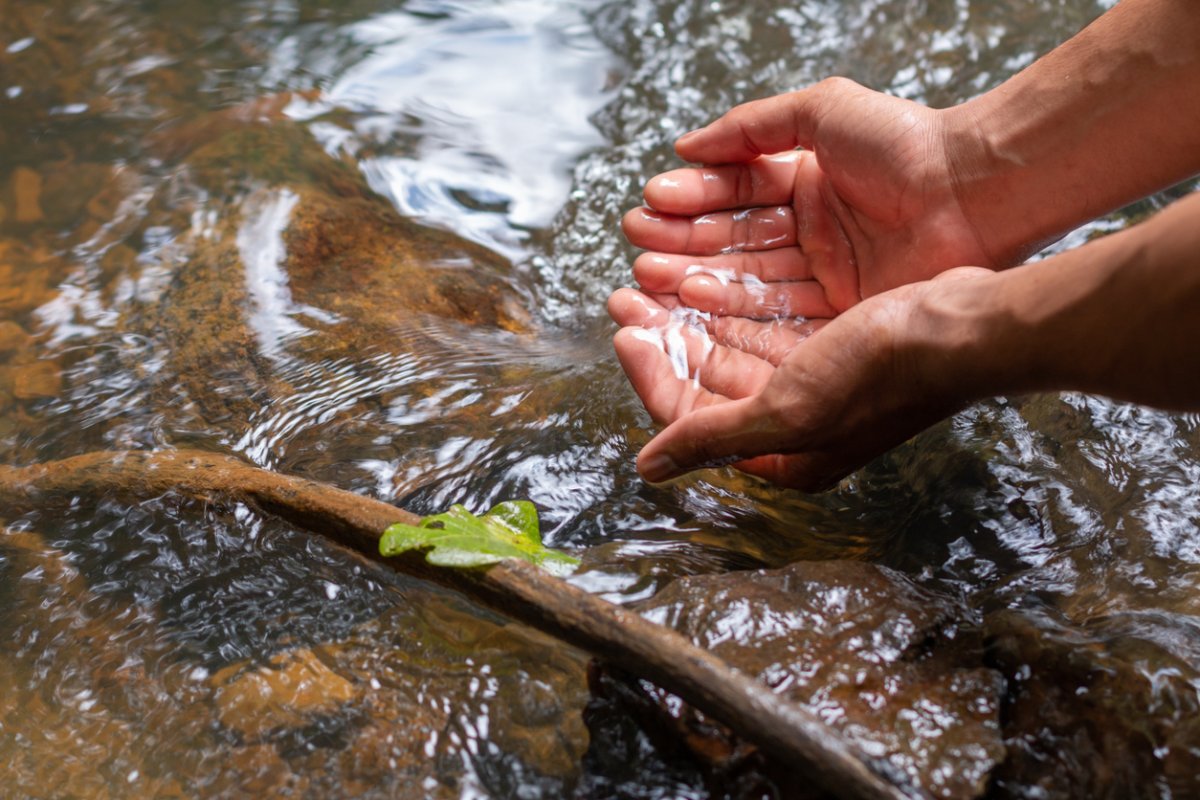
- Knocking Out Mosquitoes: Adding a few drops of bleach to a stagnant birdbath kills mosquito larvae. Larger rain barrels require roughly one tablespoon per 50 gallons. (Note: Never introduce bleach into natural streams, ponds, or wildlife habitats).
- Cleaning Outdoor Furniture: Plastic and resin patio furniture can be scrubbed with a mixture of $frac13$ cup of bleach per gallon of water, left for 6 minutes, and rinsed thoroughly.
- Whitening Canvas Shoes: Stained white canvas shoes can be brought back to life using a gentle scrub of 1 part bleach to 5 parts water, followed by a thorough clean-water rinse.
In Emergencies and Disasters
- Emergency Water Disinfection: If boiling water is not an option, the EPA advises adding 8 drops of 6% bleach (or 6 drops of 8.25% bleach) to 1 gallon of clear water. Stir and let sit for 30 minutes; a faint chlorine smell indicates it is safe to drink.
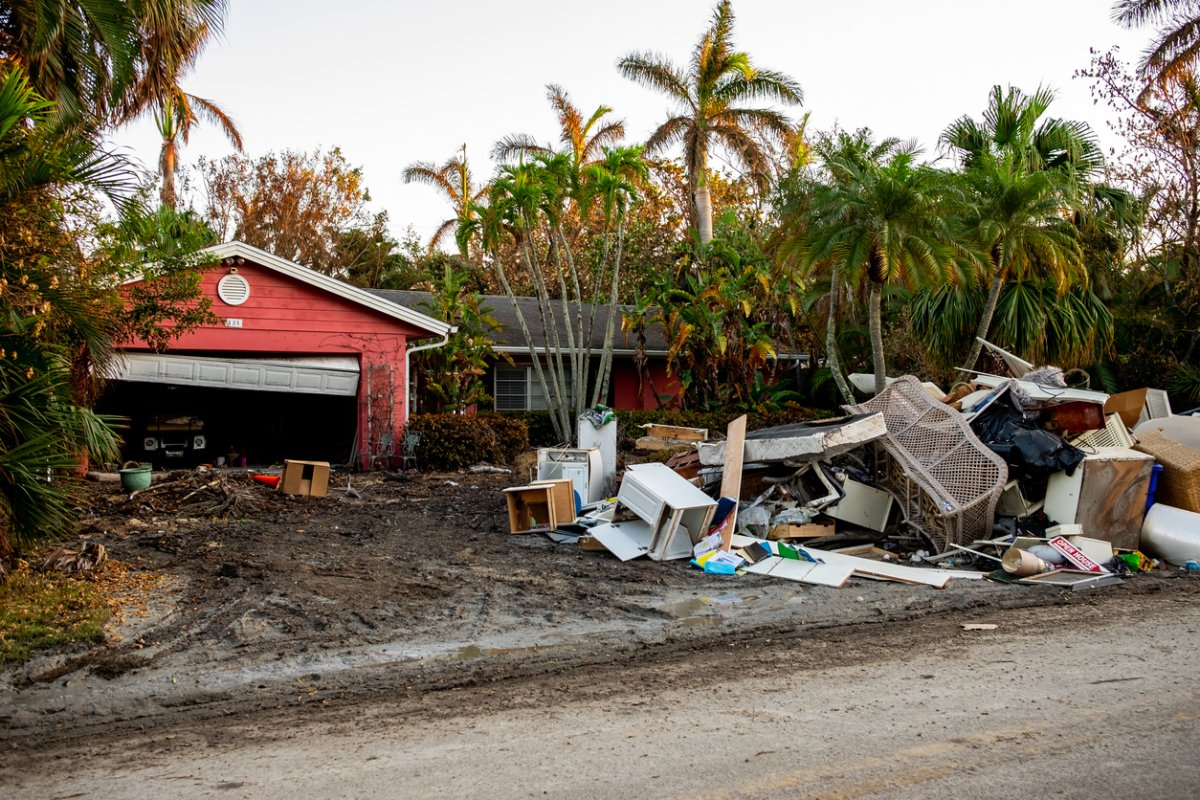
- Disaster Cleanup: Following floods or hurricanes, the CDC recommends using specific bleach dilutions to sanitize salvageable hard surfaces, children’s toys, and food-contact areas (always followed by a potable water rinse).
Official Responses and Regulatory Guidance
Public health and safety organizations continuously update guidelines regarding the handling and shelf-life of sodium hypochlorite.
According to the Environmental Protection Agency (EPA) and the CDC, bleach has a limited active window. The shelf life of bottled bleach is typically about 6 months to a year when stored in a dark, temperature-controlled environment. After this period, the sodium hypochlorite degrades into ordinary salt water, rendering it ineffective as a sanitizer.
Disposal Protocols
Environmental agencies strongly advise against casually pouring large quantities of expired or unneeded bleach down household drains. High concentrations of bleach can corrode metal plumbing, damage municipal sewage infrastructure, and disrupt the delicate bacterial balance inside residential septic tanks. Instead, consumers are directed to take unwanted chemicals to designated local hazardous waste disposal facilities. If pouring down a drain is unavoidable, it must be heavily diluted with large volumes of running water.
Implications: Balancing Convenience and Environmental Safety
The widespread adoption of bleach for alternative home maintenance tasks presents a distinct duality for modern homeowners. On one hand, it remains one of the most cost-effective, readily available, and scientifically proven chemical sanitizers on the market. Tasks that would otherwise require expensive, specialized commercial cleaners can often be accomplished with a single bottle of generic bleach.
On the other hand, the ecological and health implications demand cautious oversight. Runoff from outdoor applications—such as washing a fence or killing patio weeds—can inadvertently damage surrounding landscaping, harm lawn turf, or find its way into local storm drains. Furthermore, the risk of chemical cross-contamination in indoor cleaning closets remains a persistent concern for poison control centers nationwide.
Ultimately, while sodium hypochlorite is far more than a mere laundry additive, unlocking its full utility requires a healthy respect for its chemical potency. Homeowners who prioritize correct dilution ratios, diligent personal protection, and mindful disposal can safely leverage bleach to maintain a cleaner, healthier living environment both inside and out.
