

When disaster strikes—whether it is a fast-moving wildfire, a crippling winter blizzard, or an unexpected grid failure—the difference between chaos and control often boils down to preparation. Emergency management experts consistently emphasize that the crucial first steps in any crisis are to stay calm, assess the situation, and execute a pre-determined plan. However, maintaining composure is exponentially easier when you have the right tools within arm’s reach.
Whether you need to shelter in place for days or evacuate your home within minutes, having a well-stocked, grab-and-go emergency kit drastically reduces stress, anxiety, and critical decision-making mistakes. While the emergency preparedness market is flooded with tactical gear of varying quality, legacy electronics brands are carving out a trusted space for reliable safety devices. Notably, a familiar name from the golden age of consumer electronics—RadioShack—has emerged as a reliable source for specialty safety gadgets designed to keep individuals informed, illuminated, and connected during times of uncertainty.
Main Facts: Building the Ultimate RadioShack Emergency Toolkit
To construct an effective emergency preparedness kit, experts suggest focusing on three core pillars: communication, illumination, and power autonomy. RadioShack’s current lineup of specialized hardware directly addresses these needs through portable, rugged engineering designed to withstand harsh conditions.
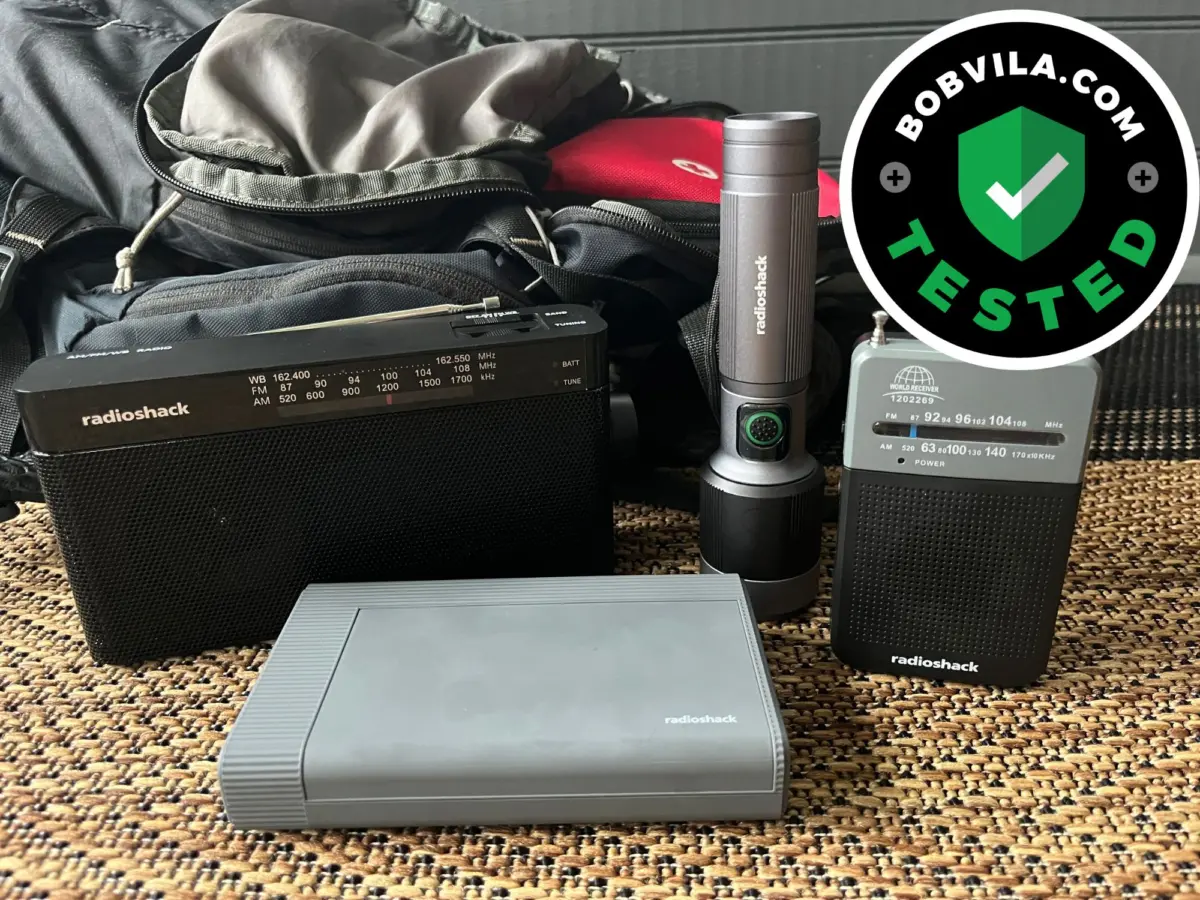
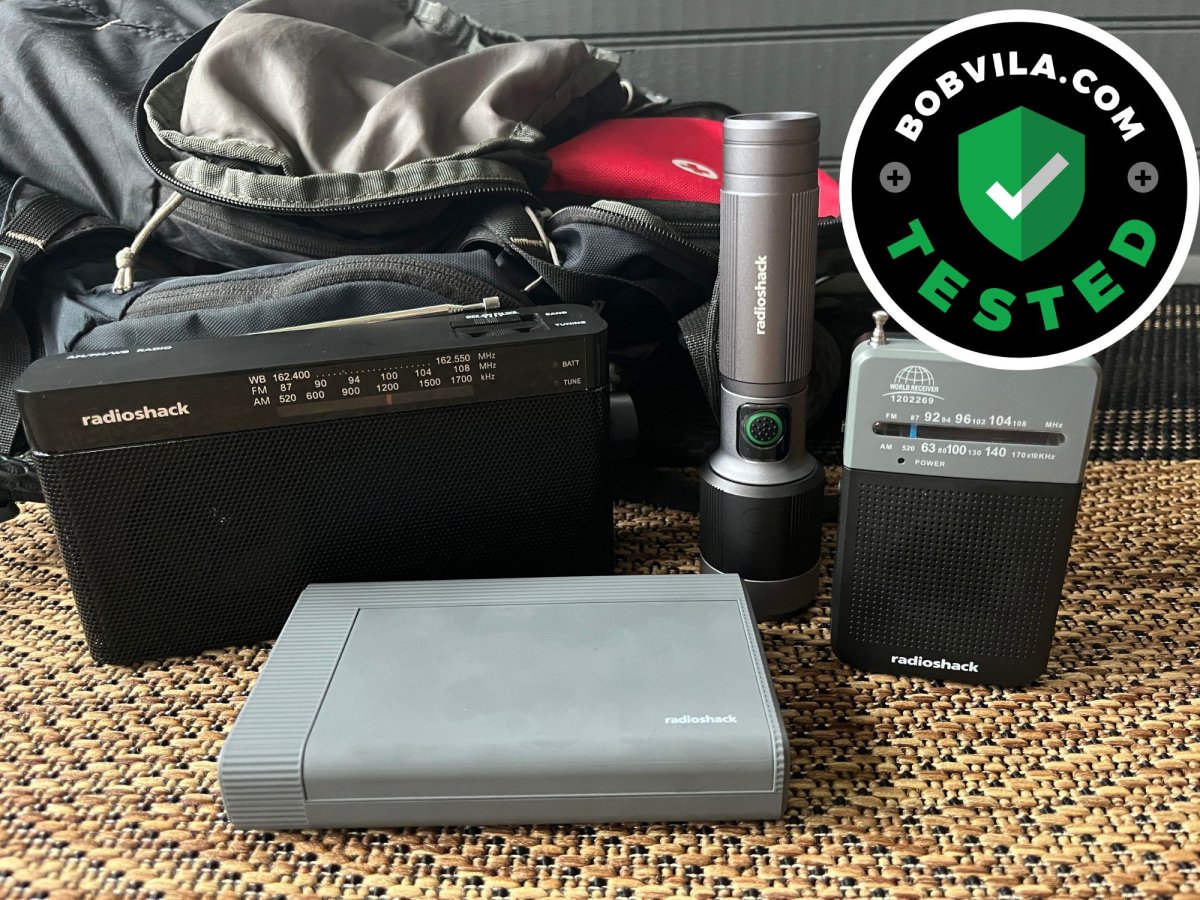
Among the standout gear recommended for emergency kits are:
- The Portable Battery-Powered Weather Radio: A lightweight, handheld device engineered to capture critical National Oceanic and Atmospheric Administration (NOAA) broadcast signals alongside standard AM/FM bands.
- The High-Lumen Rechargeable LED Flashlight: A heavy-duty, aircraft-grade aluminum flashlight packing a 30-watt LED capable of emitting up to 1,088 lumens with variable dimming and SOS flashing modes.
- The 20,000 mAh Portable Power Bank: A high-capacity power station featuring a 100-watt maximum output and multi-port charging capabilities to keep vital electronics operational.
- The Pocket-Size AM/FM Radio: A deck-of-cards-sized audio companion offering exceptional sound clarity, longevity, and discrete listening options via a standard 3.5mm headphone jack.
Each of these devices serves as a vital safeguard against information blackouts and power failures, transforming standard emergency kits into self-sustaining communication hubs.
Chronology of Preparedness: From Analog Relics to Modern Survival Tech
The reliance on specialized communication and power devices during emergencies did not happen overnight; it is the result of decades of technological evolution. Understanding how we arrived at today’s compact, high-output survival gear highlights the importance of these tools.
The Era of Analog Reliance (1970s–1990s)
For generations, brands like RadioShack served as the neighborhood hub for hobbyists, engineers, and prepared citizens alike. During major weather events in the late 20th century, families relied heavily on analog transistor radios running on heavy-duty D or C cell batteries. These devices were bulky, often limited to static-heavy AM/FM frequencies, but they were the primary lifeline for civil defense alerts before the widespread adoption of the internet and cellular networks.
The Digital Shift and the Rise of NOAA Weather Bands (2000s–2010s)
As meteorological technology advanced, the National Weather Service expanded its VHF radio network, broadcasting continuous weather information directly from local forecast offices. Emergency preparedness philosophy shifted from mere entertainment-based radios to dedicated Specific Area Message Encoding (SAME) weather radios. Manufacturers began integrating hand-cranks and solar panels into designs, though battery technology remained constrained by heavy nickel-cadmium or early lithium-ion cells.
The Modern Era of Multi-Functional Survival Gear (Present Day)
Today’s emergency gear bridges the gap between consumer electronics and ruggedized survival tools. Modern lithium-ion battery chemistry allows compact devices to hold immense charges, while high-efficiency LEDs provide blinding illumination without draining power sources instantly. Brands that once defined the retail electronics landscape have repurposed their engineering expertise to build lightweight, dependable gear tailored specifically for the modern prepper and safety-conscious homeowner.
Supporting Data: Testing Reliability in the Field
To evaluate the true performance of these emergency devices, field testers put RadioShack’s hardware through rigorous real-world conditions, examining battery retention, durability, and functional output.
NOAA Weather Radio Performance Metrics
- Weight: Less than 1 pound; easily stows in the external pocket of a standard daypack or bug-out bag.
- Power Source: Operates on two standard AA batteries or a direct 5-amp DC power supply.
- Battery Longevity: During continuous playback testing, a pair of fresh AA batteries sustained operations for an impressive 15 hours.
- Frequency Bands: Features dedicated NOAA weather channels alongside traditional AM and FM broadcasts for non-emergency entertainment.
High-Lumen LED Flashlight Benchmarks
- Build Quality: Rugged, aircraft-grade aluminum housing designed to absorb impact.
- Light Output: Driven by a powerful 30-watt LED capable of producing up to 1,088 lumens—rivaling or exceeding the output of traditional 75-watt incandescent bulbs.
- Beam Capabilities: Features step-free dimming, a strobe function, a dedicated flashing SOS mode, and a telescoping beam.
- Field Test Results: In outdoor night testing, the focused beam projected enough light to clearly read a book from 100 yards away.
- Power & Charging: Powered by a rechargeable lithium-ion battery delivering 60 minutes of continuous runtime at peak output, fully recharging in 4 hours via an included 2-watt USB-C cord.
20,000 mAh Power Bank Specifications
- Capacity: 20,000 mAh—sufficient to fully recharge a standard smartphone up to 4 times.
- Output Ports: Equipped with one USB-A (out) port, one USB-C (out) port, and one versatile USB-C (in/out) port capable of a maximum output of 100 watts.
- Interface: Features a real-time LCD screen displaying current charge status and active output wattage, allowing users to prioritize power distribution among multiple devices simultaneously.
Pocket-Size AM/FM Radio Longevity
- Form Factor: Roughly the dimensions of a standard deck of cards, complete with a heavy-duty belt/pocket clip.
- Power Requirements: Runs on 2 AA batteries.
- Endurance Test: Survived a grueling 48-hour continuous play test without depleting the power source.
- Audio Delivery: Features a surprisingly robust built-in speaker alongside a standard 3.5mm earphone jack for private listening.
Official Responses and Expert Recommendations
Emergency management agencies, including the Federal Emergency Management Agency (FEMA) and the Department of Homeland Security (via Ready.gov), continuously update their guidelines regarding household preparedness. Public safety officials stress that citizens should be entirely self-sufficient for a minimum of 72 hours during a disaster, though extending that window to two weeks is increasingly recommended.
Safety authorities emphasize the following principles when assembling an emergency kit:
- Redundancy in Power: Relying solely on solar power or wall chargers is a vulnerability. Kits should include a mix of battery-operated, rechargeable, and hand-cranked or direct-DC devices.
- Unfiltered Information Access: Cellular networks are notoriously prone to failure during major disasters due to localized tower destruction or overwhelming network traffic. Standalone AM/FM and NOAA weather radios bypass cellular congestion entirely, ensuring citizens receive direct civil defense updates.
- Ergonomics and Portability: Heavy, cumbersome survival gear often gets left behind during frantic evacuations. Lightweight, pocket-sized instruments encourage users to keep their kits mobile and accessible.
Implications: Why Preparedness Matters in a Changing Climate
The increasing frequency of extreme weather events—fueled by shifting global climate patterns, aging infrastructure, and urban sprawl—means that power grid vulnerabilities are no longer hypothetical scenarios; they are recurring realities. From the Texas winter freezes to coastal hurricanes and western wildfires, communities find themselves cut off from essential services with little warning.
Investing in reliable, specialty safety devices carries profound implications for community resilience and personal peace of mind. When households are equipped with independent sources of illumination, weather forecasting, and mobile device charging, the burden on first responders is significantly reduced.
Furthermore, having immediate access to reliable information prevents panic. Knowing whether an evacuation order is mandatory or if a severe weather cell has shifted direction allows individuals to make rational, life-saving choices. By integrating time-tested electronics brands into modern emergency planning, everyday citizens can bridge the gap between vulnerability and absolute readiness, ensuring they remain connected even when the rest of the world goes dark.
