As the golden haze of late August gently yields to the crisp, invigorating mornings of September, the rhythm of the garden shifts dramatically. For horticulturists and green-thumbed homeowners alike, this seasonal pivot is not merely about saying goodbye to summer blooms; it is a critical window of opportunity. Preparing outdoor spaces for the impending cold months requires a strategic, timely cleanup that balances aesthetic tidiness with ecological mindfulness.
While certain elements of the landscape—such as nutrient-rich seed heads and hollow plant stems—should be left intact to support over-wintering wildlife, a substantial portion of the garden demands active intervention. Tackling these foundational chores now prevents arduous labor once the ground hardens into a frozen crust, setting the stage for a resilient, thriving landscape come spring.
Main Facts: The September Gardening Imperative
September acts as the vital bridge between the vibrant, high-maintenance demands of summer and the dormant slumber of winter. According to leading horticulturists, early autumn is the optimal timeframe to address deteriorating vegetation, refresh protective ground covers, and eliminate aggressive weeds before they set root for the next season.
Key priorities for the month include:
Removal of spent summer annuals and tender warm-season crops before they succumb to disease.
Strategic deadheading of late-summer perennials to encourage secondary blooms and maintain plant vigor.
Rejuvenation of mulch layers to insulate root systems against erratic freeze-thaw cycles.
Targeted weed eradication taking advantage of damp, post-heatwave soil conditions.
Balancing cleanliness with conservation, ensuring beneficial insects and local fauna retain necessary winter shelters.
Chronology of Seasonal Care: A Timetable for Autumn Success
Navigating the transition from summer to winter can feel overwhelming without a structured plan. Horticultural timelines emphasize that early, mid, and late autumn require distinctly different approaches to garden maintenance.
Phase 1: Early September – The Great Clearing
As soon as September begins, attention should turn to annuals and crops that have completed their lifecycle. Sweet peas, morning glories, zinnias, and nasturtiums often begin to look weathered, turning brown and mushy. Removing these plants early prevents the proliferation of fungal spores, most notably powdery mildew, which thrives in cooling, damp conditions.
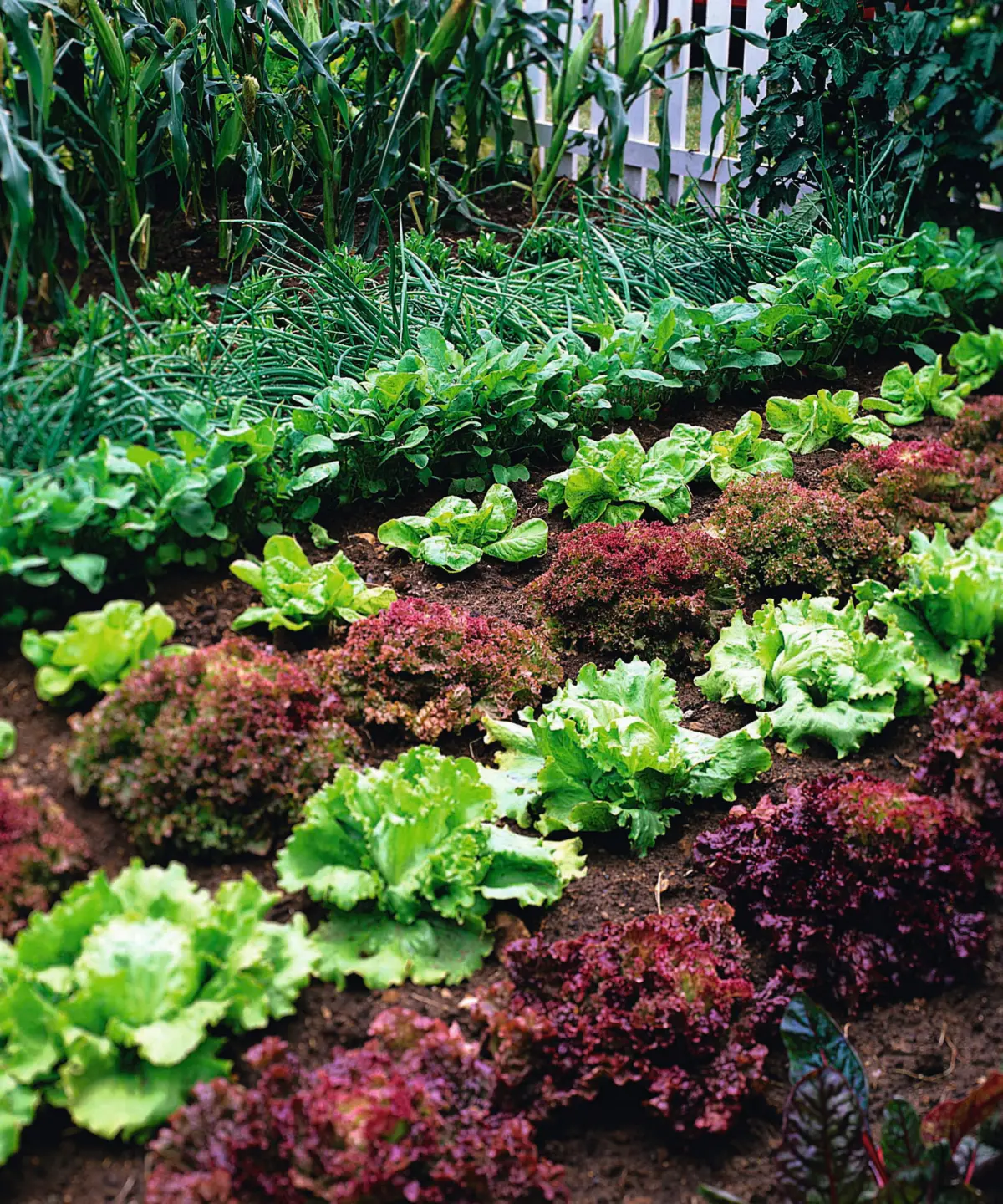
Similarly, vegetable patches require immediate triage. Indeterminate tomatoes, tender herbs like basil, and spent summer squashes must be pulled. Any remaining green tomatoes can be harvested and ripened indoors or on the vine using traditional maturation techniques.
Phase 2: Mid-September – Pruning and Deadheading
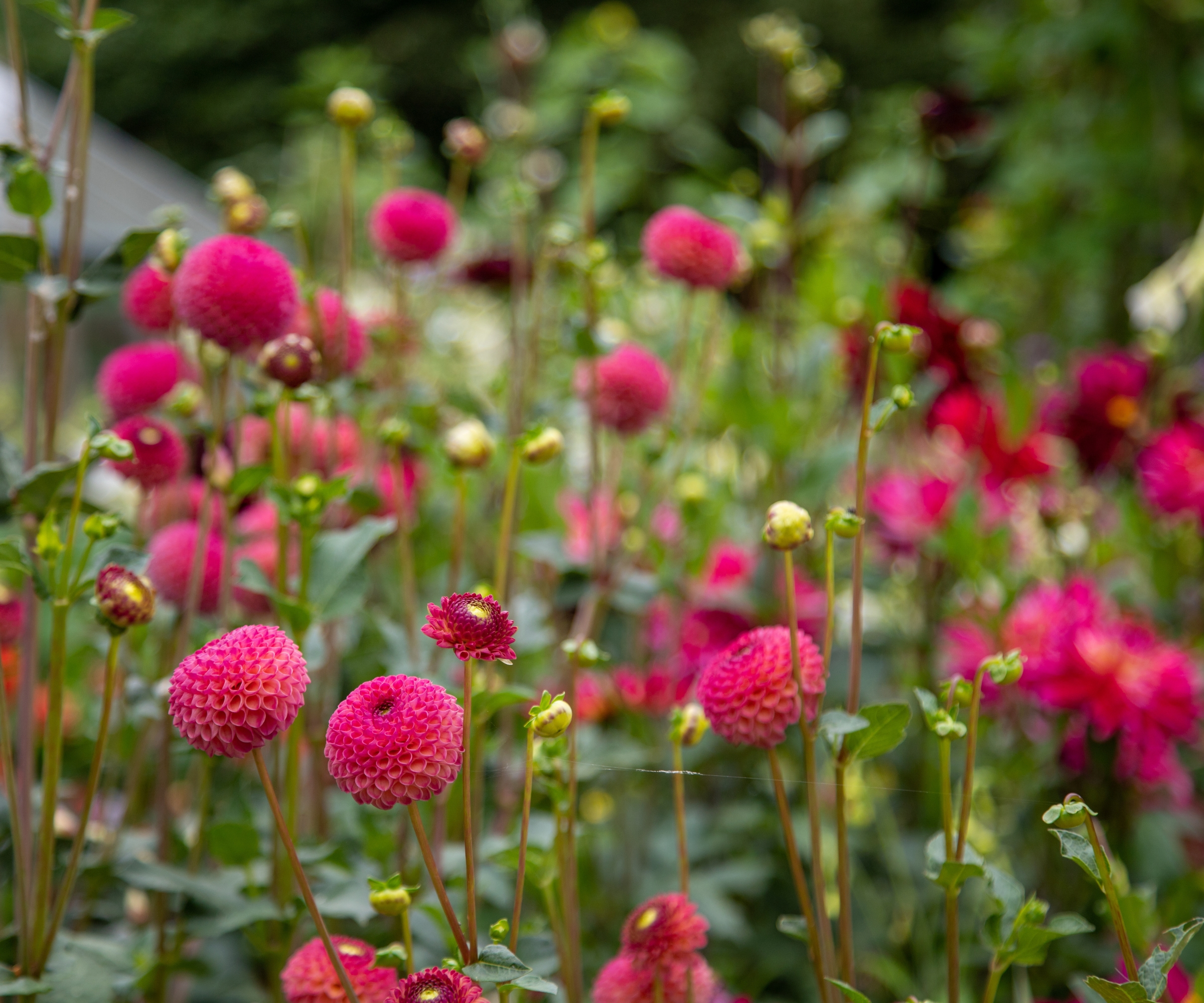
Once the major debris is cleared, mid-September is ideal for deadheading summer-blooming perennials. Plants such as hydrangeas, lavender, roses, dahlia varieties, and yarrow benefit immensely from the removal of spent flowers. This process redirects the plant’s remaining energy away from seed production and back into root and stem strength, while keeping the garden looking curated and intentional.
Phase 3: Late September – Mulching and Soil Protection
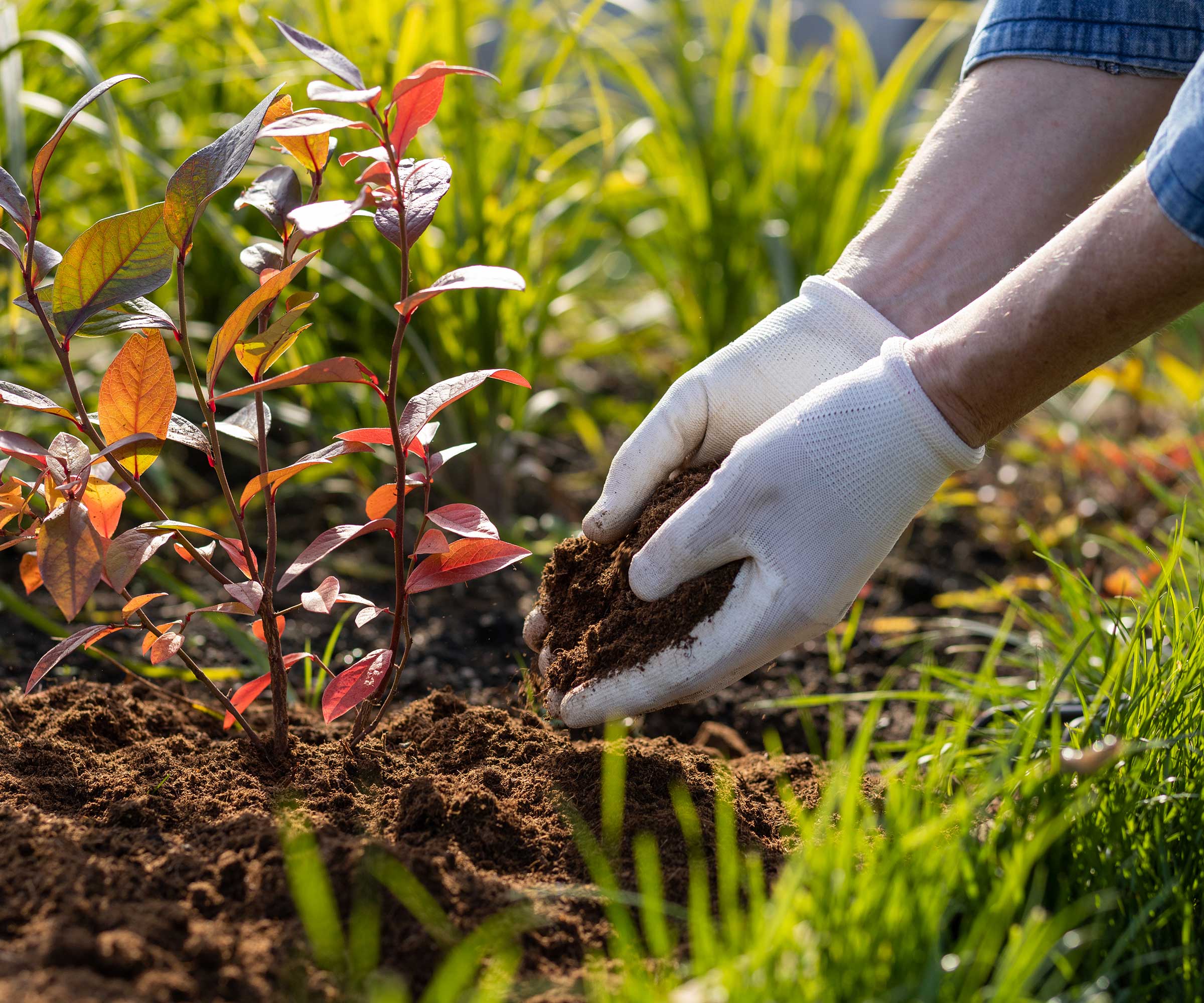
As temperatures begin their steady decline, attention shifts below the soil line. Removing depleted organic matter and applying a thick, fresh blanket of mulch safeguards root systems from severe winter shocks. This period also marks the final window for effective weed removal before perennial weeds establish deep root systems for the winter.
Supporting Data and Expert Insights: Professional Best Practices
To maximize efficiency and protect plant health, gardening experts advocate for specialized tools and scientifically backed techniques during the September transition.
The Role of Specialized Tools
Precision is paramount when pruning and clearing. Utilizing micro-tip pruning snips allows for clean cuts on delicate annual stems without bruising surrounding tissue. For larger perennials and woody stems, sharp bypass pruners are essential. Furthermore, horticulturalists strongly recommend sanitizing tools between plants to eliminate the transmission of viral and fungal pathogens.
Expert Perspectives on Soil and Mulch
Landscape professionals emphasize that mulch is far more than a decorative ground cover; it is a thermal shield. Kate Schneider, a prominent garden designer and founder of Ibis Coastal Landscapes, explains the mechanics of autumn mulching:
"Think of mulch as a warm blanket for your plants during winter. It helps insulate the soil, moderate temperature swings, retain moisture, and reduce erosion. This is especially helpful in warmer climates, including the South, where fluctuating temperatures can create repeated freeze-and-thaw cycles that can stress or damage plants."
Schneider adds a crucial caveat regarding application technique: "Just don’t pile it directly against the trunks or stems of your plants. A little breathing room goes a long way."
Managing Annuals and Pests
Wendy Hanson Mazet, a certified arborist, horticulturist, and plant diagnostician at the University of Nevada, Reno Extension, underscores the importance of timing when dealing with vining annuals.
"In many areas, annual vines such as sweet peas and morning glories are much easier to remove before hard frosts arrive, making fall clean-up simpler and more manageable," notes Mazet.
She warns that delaying this work until the ground freezes makes root extraction exceptionally difficult, while simultaneously increasing the risk of moisture-borne diseases like powdery mildew spreading unchecked across garden beds.
Official Responses and Ecological Considerations: The "Don’t Over-Tidy" Movement
In recent years, environmental scientists and wildlife conservationists have issued guidance urging gardeners to exercise restraint during the autumn cleanup. While human aesthetics favor bare, pristine soil over the winter, local ecosystems rely heavily on the natural debris left behind in a wilder landscape.
Supporting Local Wildlife
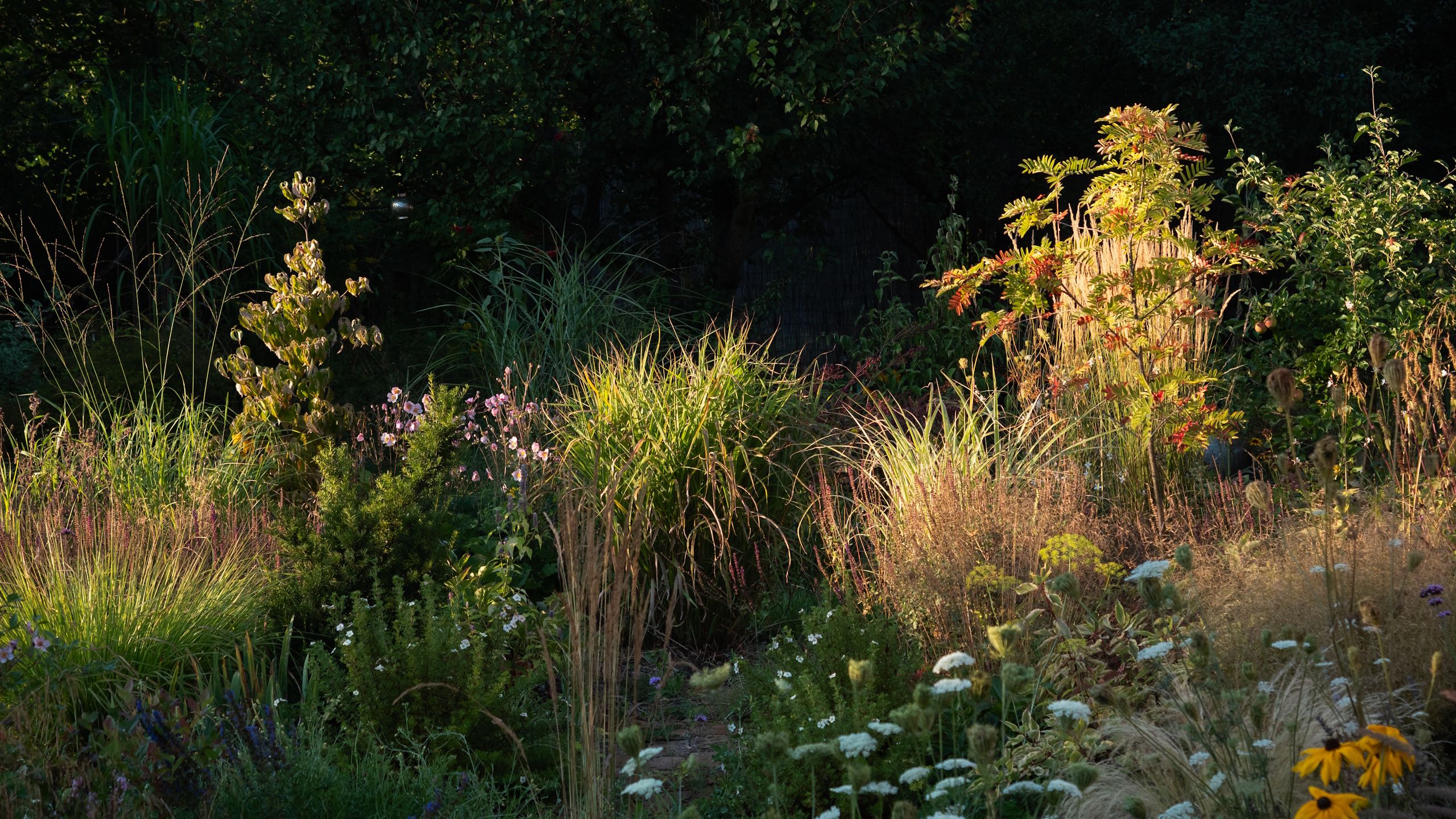
Horticultural authorities advise against cutting back all perennials to ground level. Hollow plant stems—such as those found on coneflowers, Joe-pye weed, and ornamental grasses—serve as vital over-wintering sites for solitary native bees and other beneficial insects.
Additionally, leaving seed heads intact provides an indispensable food source for resident and migratory birds during the lean winter months. When planning the September cleanup, gardeners are encouraged to adopt a selective approach: clear diseased material and high-risk pest havens, but leave structural seed stalks standing.
Architectural Winter Interest
Beyond ecological benefits, leaving select dried foliage and seed heads intact creates striking architectural silhouettes against winter snow and frost. Plants like ornamental grasses and hydrangeas offer sculptural beauty that transforms a dormant garden into a textured winter landscape.
Implications for the Future: Building Long-Term Resilience
The meticulous execution of September gardening tasks yields dividends that extend far beyond immediate aesthetic satisfaction. By investing time in autumn clean-up and soil preparation, gardeners actively contribute to the long-term health and resilience of their outdoor spaces.
Weed Suppression and Spring Readiness
Clearing weeds in September—particularly after late-summer rains have softened the soil—interrupts the reproductive cycle of invasive species. Pulling weeds while their root systems are pliable ensures they cannot overwinter and aggressively colonize beds the following spring. Furthermore, establishing clean borders and laying fresh organic mulch suppresses weed germination well into the next growing season.
Climate Adaptation
As regional weather patterns become increasingly unpredictable, characterized by sudden heatwaves followed by rapid cold snaps, proactive soil management is more critical than ever. Fresh mulch layers moderate soil temperatures and retain vital moisture, buffering plants against environmental stress.
Ultimately, the September transition is a partnership with nature. By balancing the practical necessity of garden hygiene with an appreciation for ecological cycles, gardeners create sustainable, beautiful environments capable of weathering the harshest winters and bursting forth with renewed vigor every spring.