

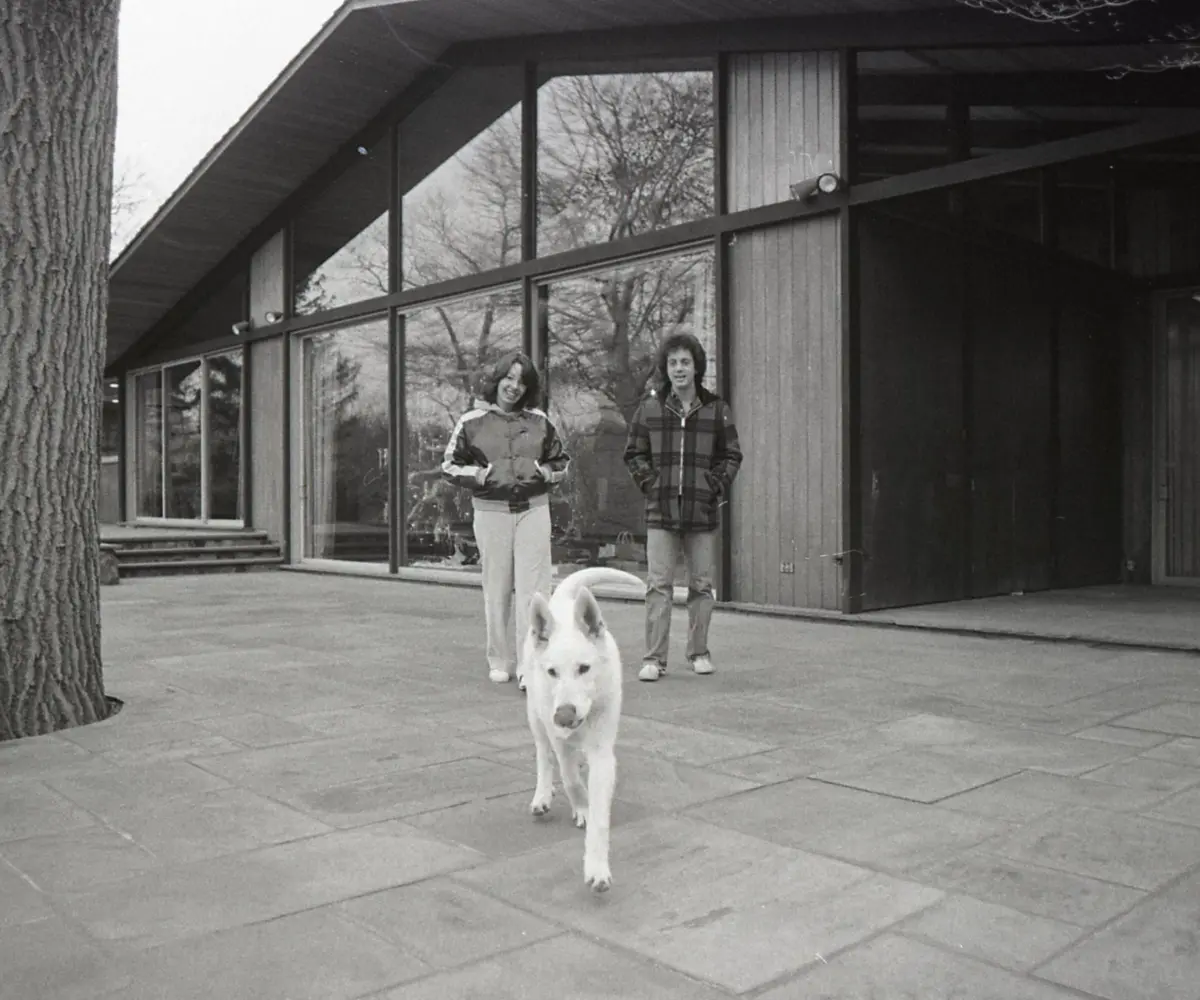
Long before it became a permanent fixture in American music history, legendary singer-songwriter Billy Joel’s Long Island waterfront property served as a quintessential contemporary sanctuary. Purchased by the "Piano Man" artist in the late 1970s, the striking mid-century modern residence was far more than just a private refuge from the whirlwind of global superstardom; it was an architectural canvas.
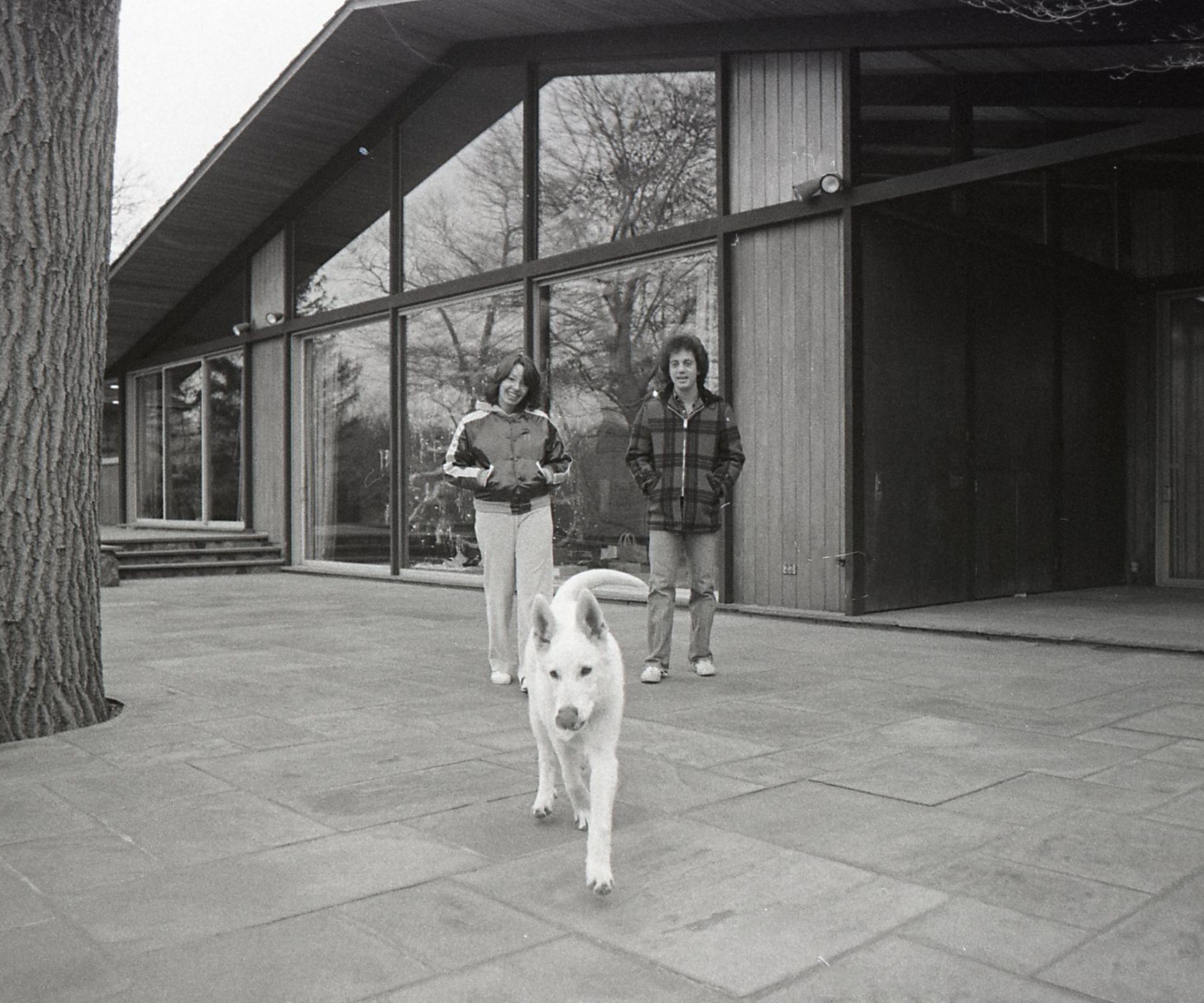
In an iconic archival photograph capturing Joel alongside his then-wife, Elizabeth Weber, the crisp lines of the home’s contemporary architecture famously formed the backdrop for the cover of his chart-topping 1980 studio album, Glass Houses. While the expansive floor-to-ceiling windows and clean geometric lines immediately draw the eye, a closer look at the historic image reveals the true anchor of the composition: a wide, beautifully laid stone patio.
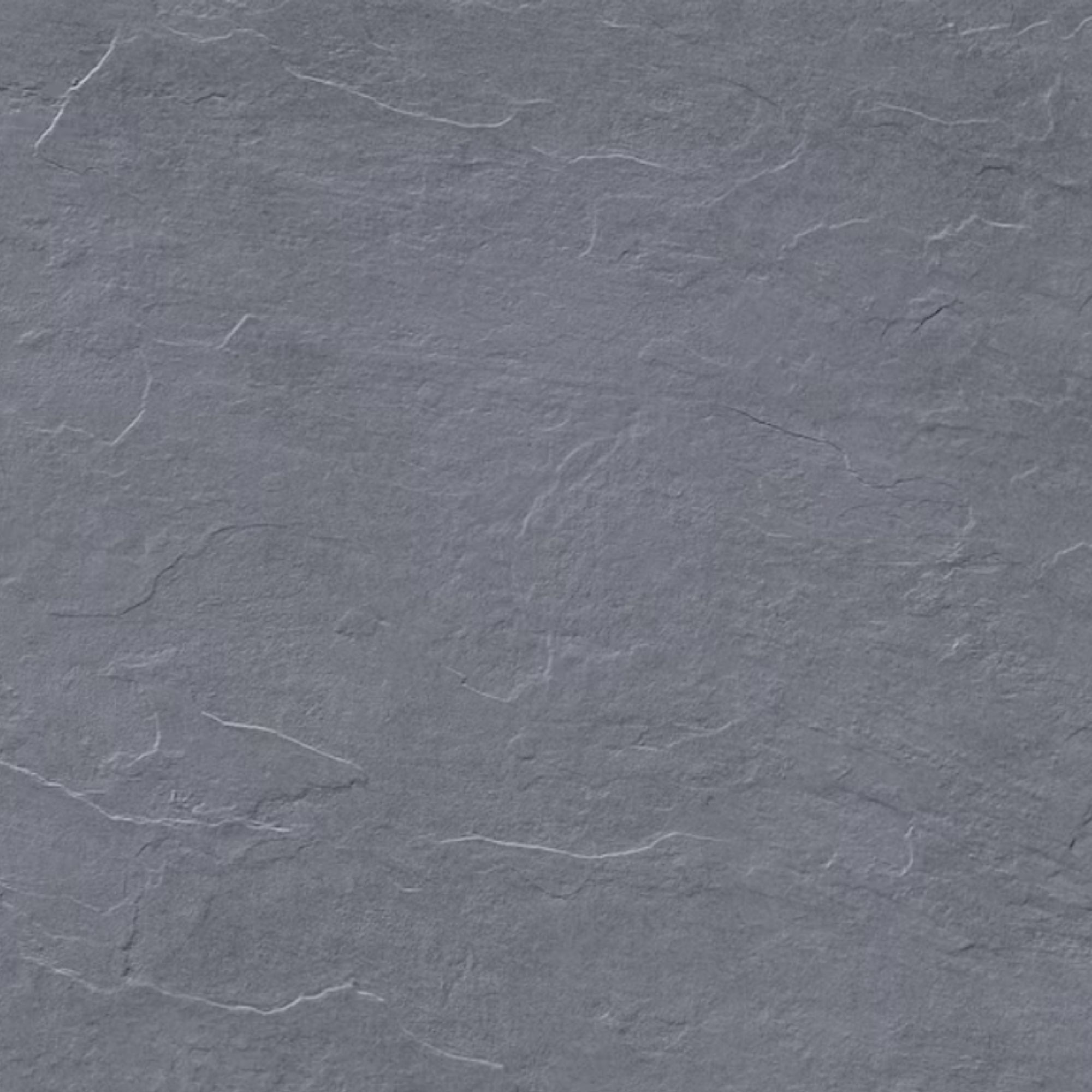
Constructed from enduring bluestone flagstones, the terrace established a seamless visual and physical transition between the structured man-made interior and the rugged, surrounding woodlands. Now, more than forty years after that photograph was snapped, the very same design philosophy is experiencing a massive resurgence. Homeowners, landscapers, and interior designers are once again turning to the timeless elegance of natural stone to bridge the gap between indoor and outdoor living spaces.

The Main Facts: A Timeless Material Back in the Spotlight
The enduring appeal of Billy Joel’s 1980s terrace highlights a broader, contemporary shift in home design: the departure from fast-trend landscaping in favor of permanent, organic materials. Recent search trends and design metrics indicate that homeowners are rethinking their exteriors, prioritizing longevity over fleeting aesthetic fads.
According to recent Google Trends data, global interest in "natural stone paving" has skyrocketed by an astonishing 1,121% over a recent three-month period. This staggering spike points to a fundamental change in consumer psychology. Rather than opting for synthetic, mass-produced composite decking or trendy, short-lived patio tiles, modern property owners are investing heavily in materials that promise both structural integrity and aesthetic endurance.
Ellie Parker, a natural stone expert at Stoneworld, notes that this shift reflects a growing desire for mindfulness in architectural choices. "Homeowners are becoming much more considered with their garden choices," Parker explains. "Rather than choosing materials purely because they look good in the moment, they are looking for products that will stand the test of time. Natural stone fits into that really well because it is durable, proven, and only gets better with age."
Chronology of a Design Icon: From the 1970s Retreat to the 2020s Revival
To fully understand why natural stone paving remains relevant today, it is helpful to trace its journey through modern architectural history:
- Late 1970s: Billy Joel acquires his contemporary waterfront estate on Long Island, incorporating mid-century modern architectural elements and natural bluestone patios designed to harmonize with the wooded, coastal landscape.
- 1980: The home achieves cultural immortality when Joel and Elizabeth Weber pose on the property for the cover of Glass Houses, cementing the bluestone terrace into the background of pop culture history.
- 1990s–2010s: Exterior design trends fluctuate wildly through the decades, frequently favoring manufactured pavers, stamped concrete, and heavily treated synthetic decking materials that offer quick installation but limited aging capabilities.
- Recent Years: A cultural pendulum swing toward sustainability, organic modernism, and biophilic design triggers a renewed appreciation for raw, earth-derived building products.
- Present Day: Driven by a reported 1,121% surge in search interest for natural stone paving, architects and homeowners look back at mid-century masterpieces like Joel’s Long Island home as blueprints for sustainable, enduring outdoor spaces.
Supporting Data and Market Insights
The architectural and landscaping industries have been quick to respond to the surge in demand for organic, durable exterior elements. Market analysts attribute the 1,121% increase in natural stone search queries to several overlapping cultural and economic drivers:
- The Rise of Biophilic Design: Post-pandemic lifestyle shifts have placed a premium on mental health and wellness, driving homeowners to create outdoor living spaces that integrate seamlessly with nature. Natural stone acts as a literal bridge between human-made architecture and the natural environment.
- Durability and Return on Investment (ROI): In an economic climate where homeowners scrutinize the lifecycle costs of renovations, natural stone outperforms almost all synthetic alternatives. While materials like wood decking or poured concrete require frequent staining, sealing, or eventual replacement, quality bluestone, slate, and granite flagstones can endure for generations with minimal maintenance.
- The "Patina" Economy: Consumers are increasingly valuing materials that develop character over time. Unlike plastics or manufactured laminates that degrade and look worn out, natural stone weathers gracefully, absorbing moss, subtle color variations, and the marks of history.
Official Responses and Expert Perspectives
Design professionals emphasize that the secret to the success of Billy Joel’s historic terrace lies in its contextual harmony. When a material is chosen because it belongs to the earth rather than a trend catalog, it never truly looks out of style.
"Natural stone has a strong connection to the environment around it," notes Ellie Parker of Stoneworld. "Because it is a natural material, it sits comfortably within the landscape rather than feeling imposed on it. Over time, gardens soften around stone, planting establishes, and the material becomes part of the setting in a really authentic way."
Landscape architects echo this sentiment, pointing out that hardscaping should act as a quiet supporting actor to the natural flora of a garden, rather than dominating the visual field. The muted blue-gray tones of traditional bluestone, for instance, provide a neutral, grounding base that allows surrounding greenery, seasonal blooms, and architectural woodwork to shine.
Implications for Modern Homeowners and Future Design
The revival of mid-century hardscaping principles carries profound implications for the future of residential architecture and landscaping:
1. Moving Away from Disposable Design
For decades, the home improvement market has been flooded with disposable, fast-fashion interior and exterior products. The dramatic surge in natural stone popularity signals a rejection of this "throwaway" culture. Homeowners are increasingly willing to invest more upfront for materials that reduce environmental waste and offer multigenerational durability.
2. Blurring the Indoor-Outdoor Boundary
The architecture seen in Billy Joel’s late-70s estate—characterized by expansive glass and uninterrupted patio flooring—laid the early groundwork for today’s obsession with indoor-outdoor living. By extending the same stone palette or maintaining consistent flooring levels from the living room out onto the terrace, modern designers can make compact homes feel sprawling and interconnected with nature.
3. Sourcing Sustainable and Ethical Materials
As demand for natural stone climbs, the industry faces an increased responsibility to ensure ethical sourcing and sustainable quarrying practices. Consumers are now looking for certifications and transparency regarding where their flagstones, pavers, and garden accents originate, favoring suppliers who prioritize environmental stewardship.
Shop the Stone Exterior Edit
For those looking to channel the enduring aesthetic of Billy Joel’s historic Long Island terrace into their own outdoor spaces, designers recommend incorporating tactile, earthy elements. Here are a few ways to bring the look home:
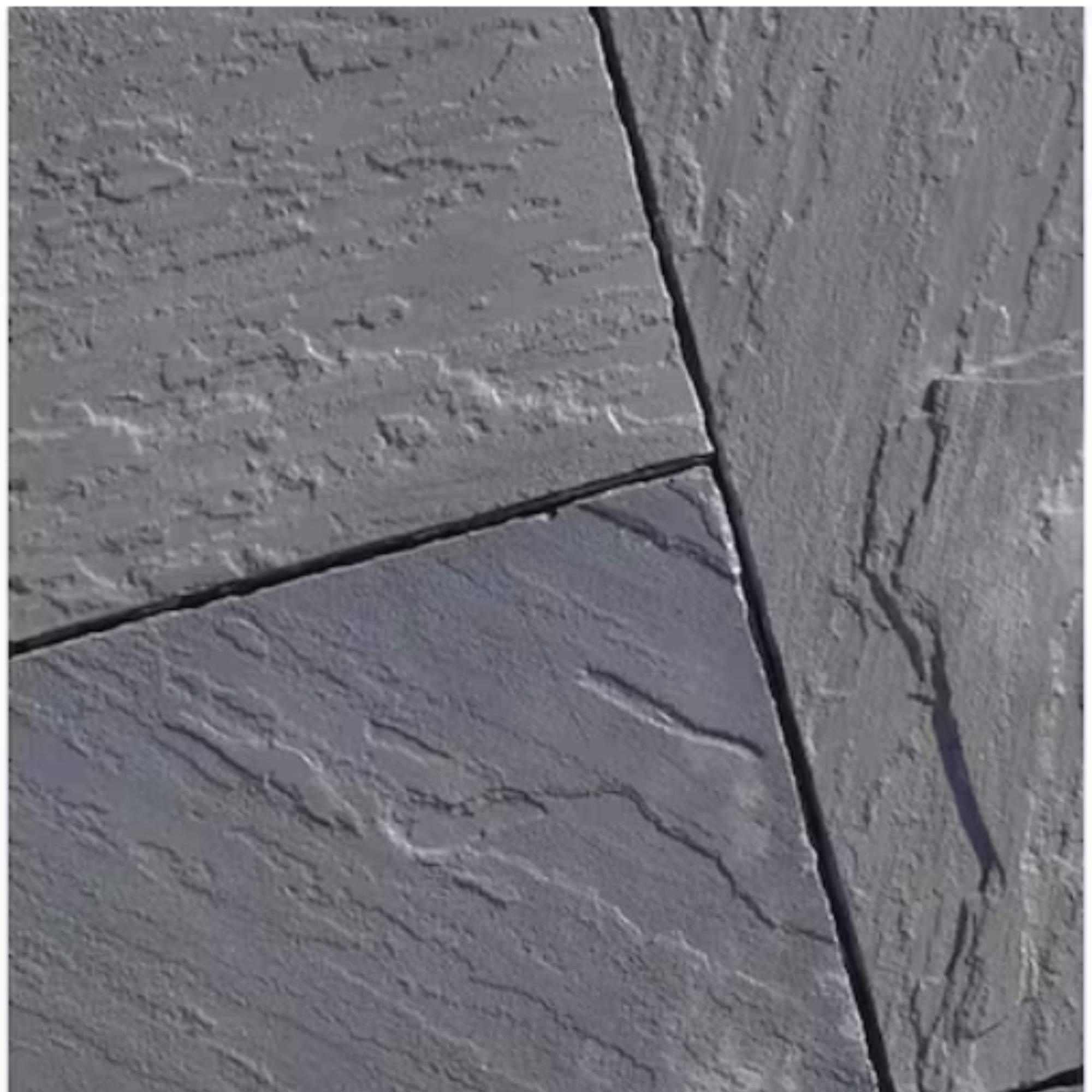
- Bluestone Concrete Pavers & Natural Cleft Porcelain: Ideal for recreating the classic, chiseled-edge patio look without sacrificing modern installation convenience. These pavers offer subtle color variations that mimic aged slate.
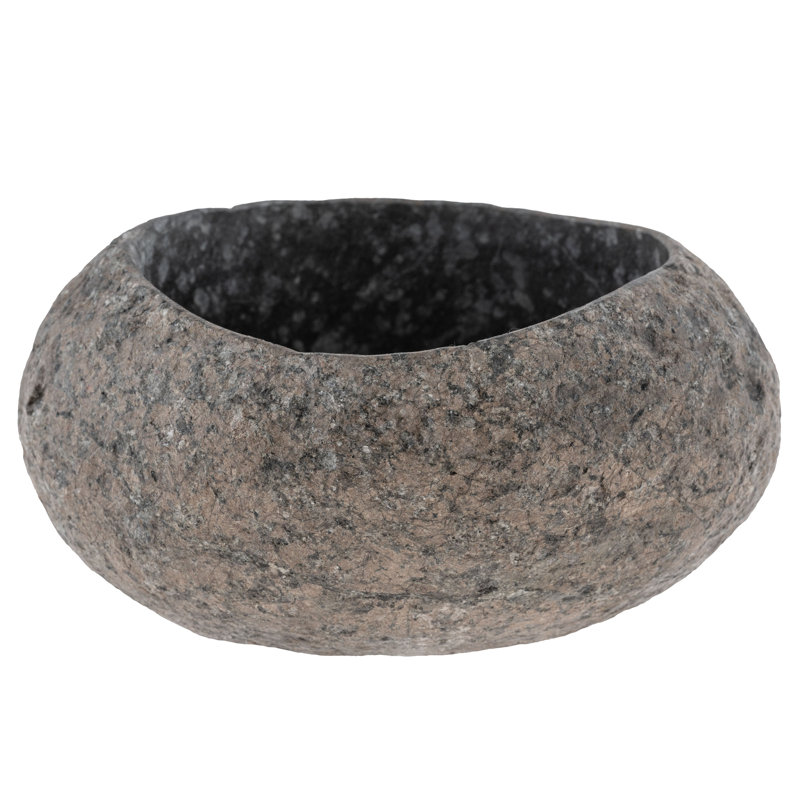
- Handcrafted Natural Stone Planters: Sourced ethically from riverbeds or crafted from volcanic ash and natural stone blends, these weather-resistant vessels introduce raw texture to patios and entryways.
- Sculptural Concrete and Stone Accent Tables: Introducing tapered, hard-edged accent furniture grounds an outdoor seating area, providing a striking contrast against lush green foliage and warm wood tones.
Conclusion
Looking back at the archival photograph of Billy and Elizabeth on their Long Island terrace, the stone slabs epitomize a rare kind of design permanence. Decades after the shutter clicked and the album hit the shelves, the image remains proof that choosing enduring, earth-derived materials is the simplest, most effective way to design a space that never goes out of style. As modern homeowners pivot toward sustainability and authenticity, the lessons of mid-century stone architecture remain as rock-solid as ever.
