

Main Facts
Following the passing of legendary journalist, activist, and feminist icon Gloria Steinem on September 2, 2026, her iconic Upper East Side brownstone in New York City is officially slated for preservation. Rather than being sold or converted into private luxury residences, the multi-level property will be transformed into a permanent political organizing space and living archive. This enduring hub will house her ongoing non-profit organization, Gloria’s Foundation, ensuring that the rooms where decades of women’s liberation history were forged continue to serve as a beacon for grassroots activism and community building.
The preservation effort mirrors the sentiments expressed by Steinem in her forthcoming, posthumous memoir, An Unexpected Life, in which she wrote: "I have now lived for more than 50 years in this brownstone, in rooms that have witnessed lives before mine, and will know others after I am gone."
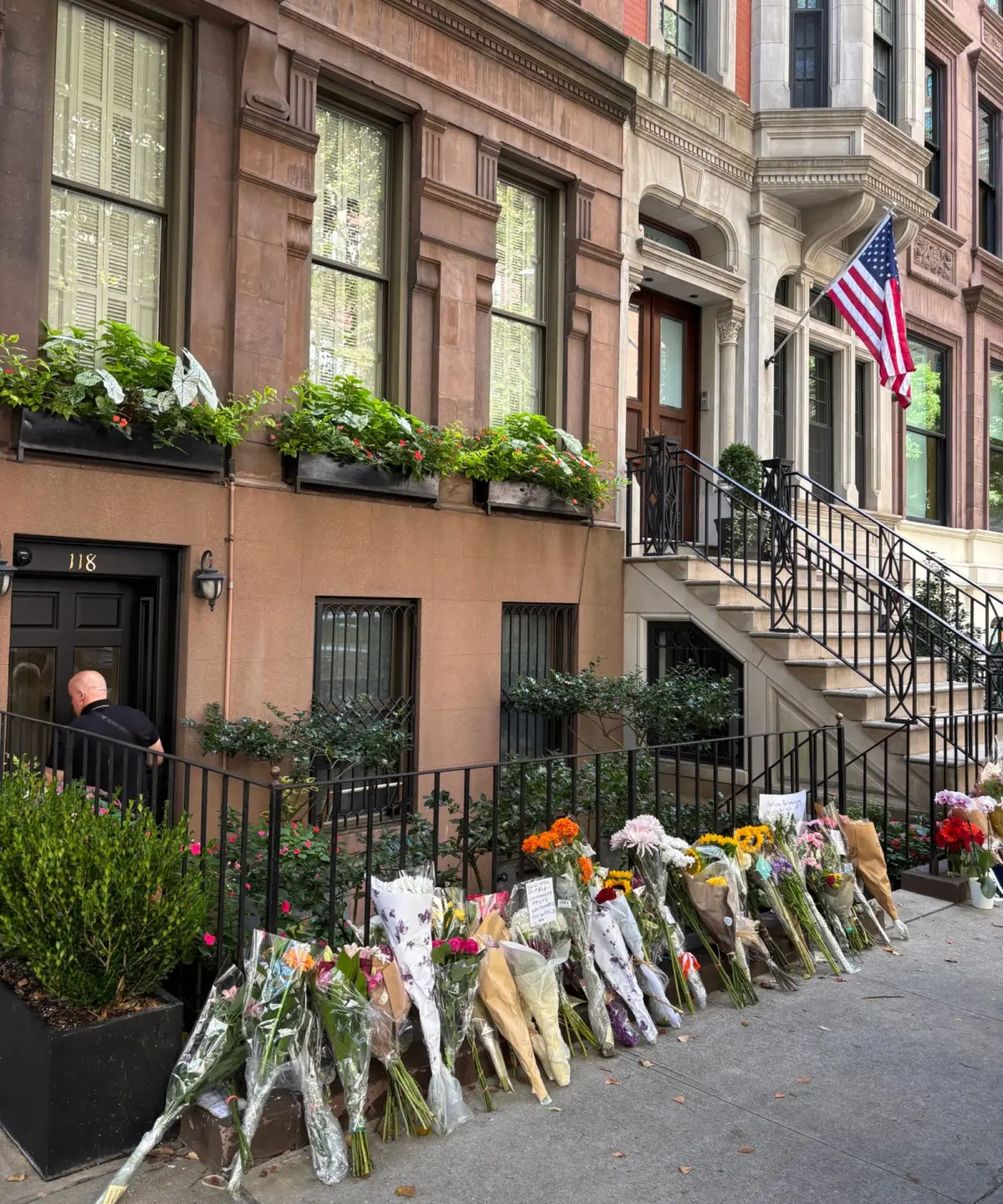
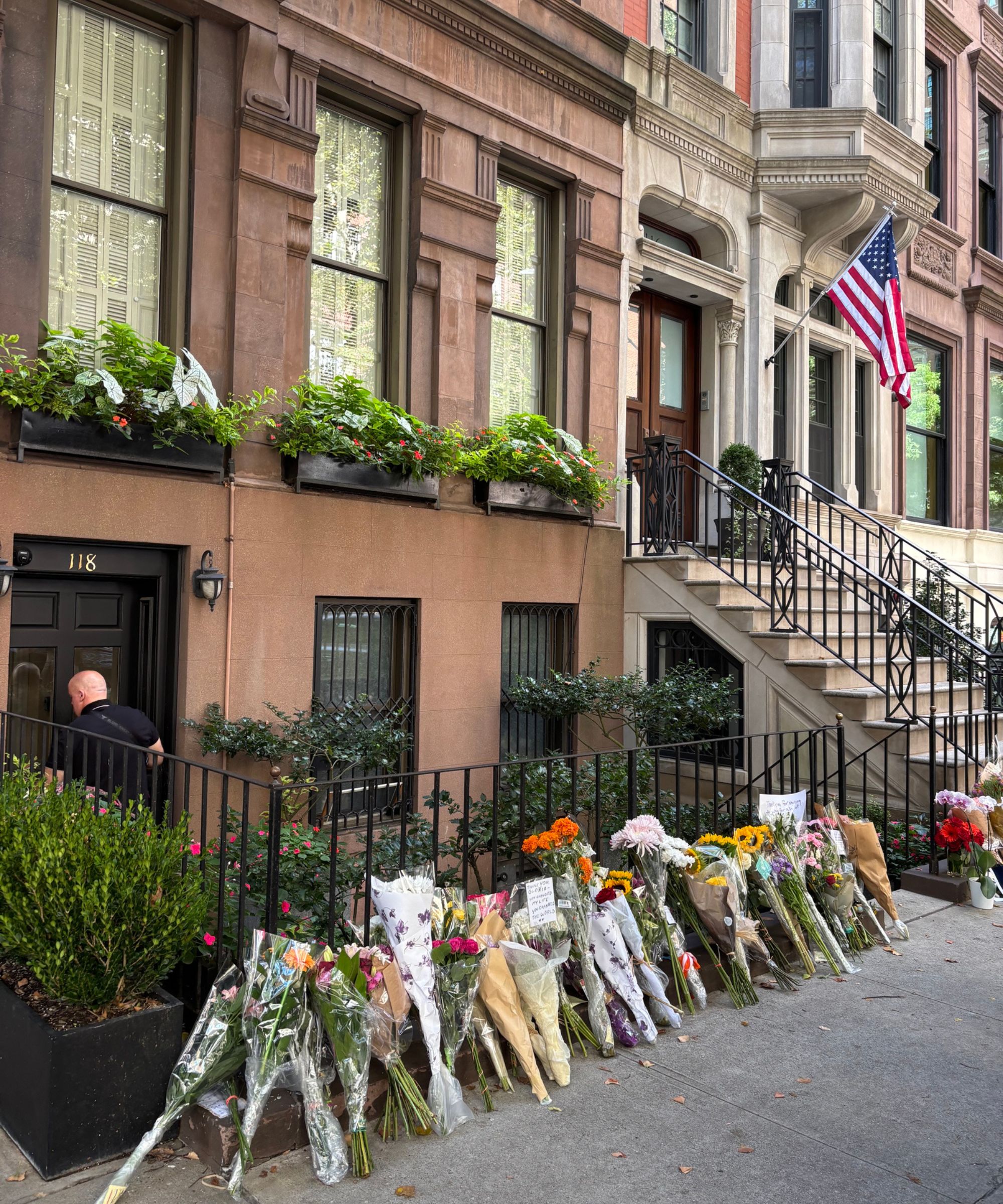
In the wake of her passing, crowds of admirers and advocates have gathered outside the historic building to leave bouquets of flowers, transforming the New York City sidewalk into an impromptu memorial. While the building’s global style, maximalist decor, and bohemian charm have long fascinated design critics, its true legacy lies in the revolutionary dialogues, strategic planning, and "Talking Circles" that took place within its walls—fostering gender equality movements that changed the course of modern history.
Chronology: Five Decades of Evolution on the Upper East Side
The history of Steinem’s brownstone is deeply intertwined with the timeline of modern second-wave feminism and her own personal milestones as a writer and organizer.
- 1968: Gloria Steinem initially moves into the Upper East Side brownstone as a renter, eventually purchasing her first duplex unit within the building. At a time when the Women’s Liberation Movement was gaining national momentum, her home quickly established itself as an informal sanctuary and gathering spot for activists, intellectuals, and writers.
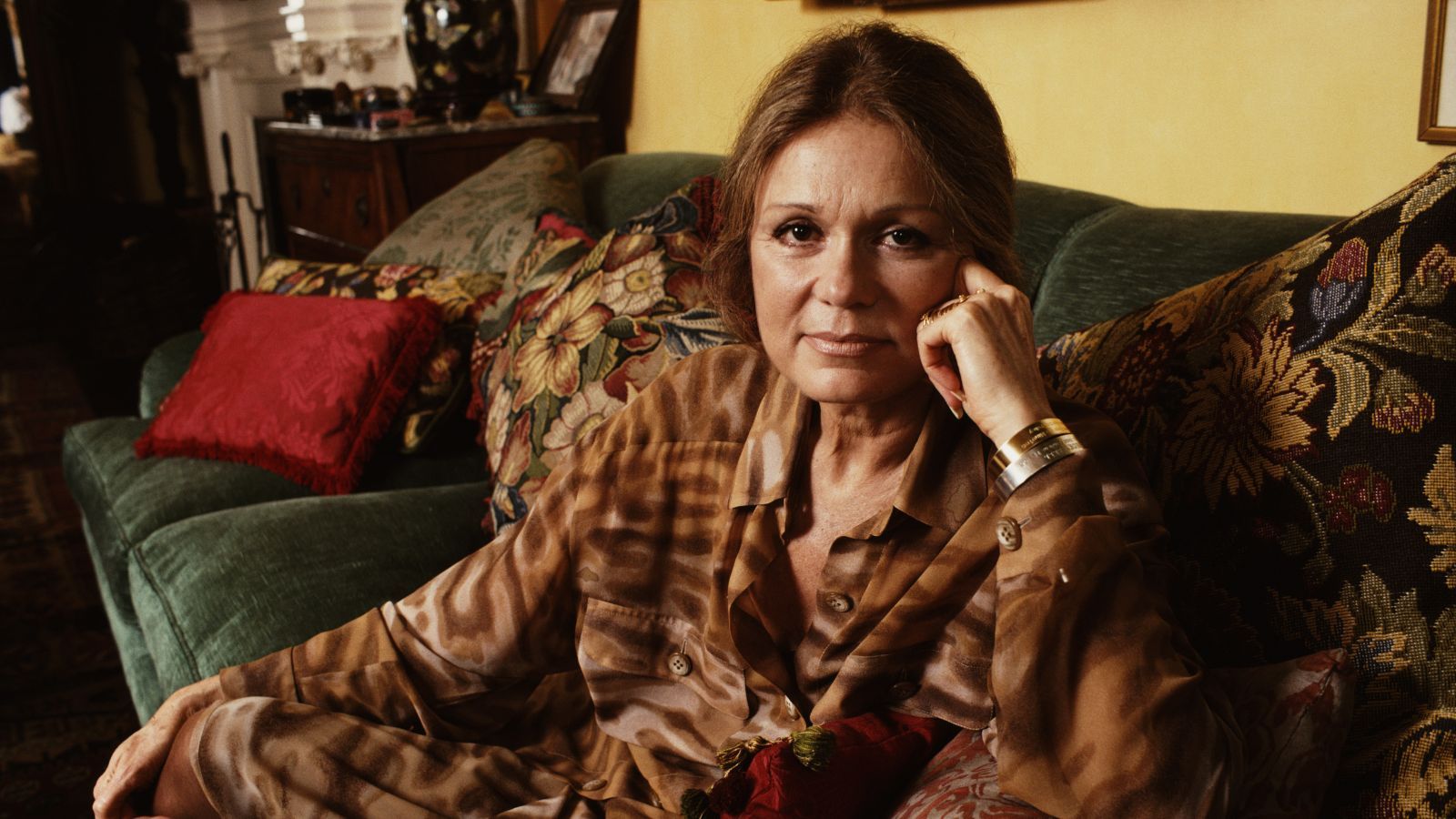
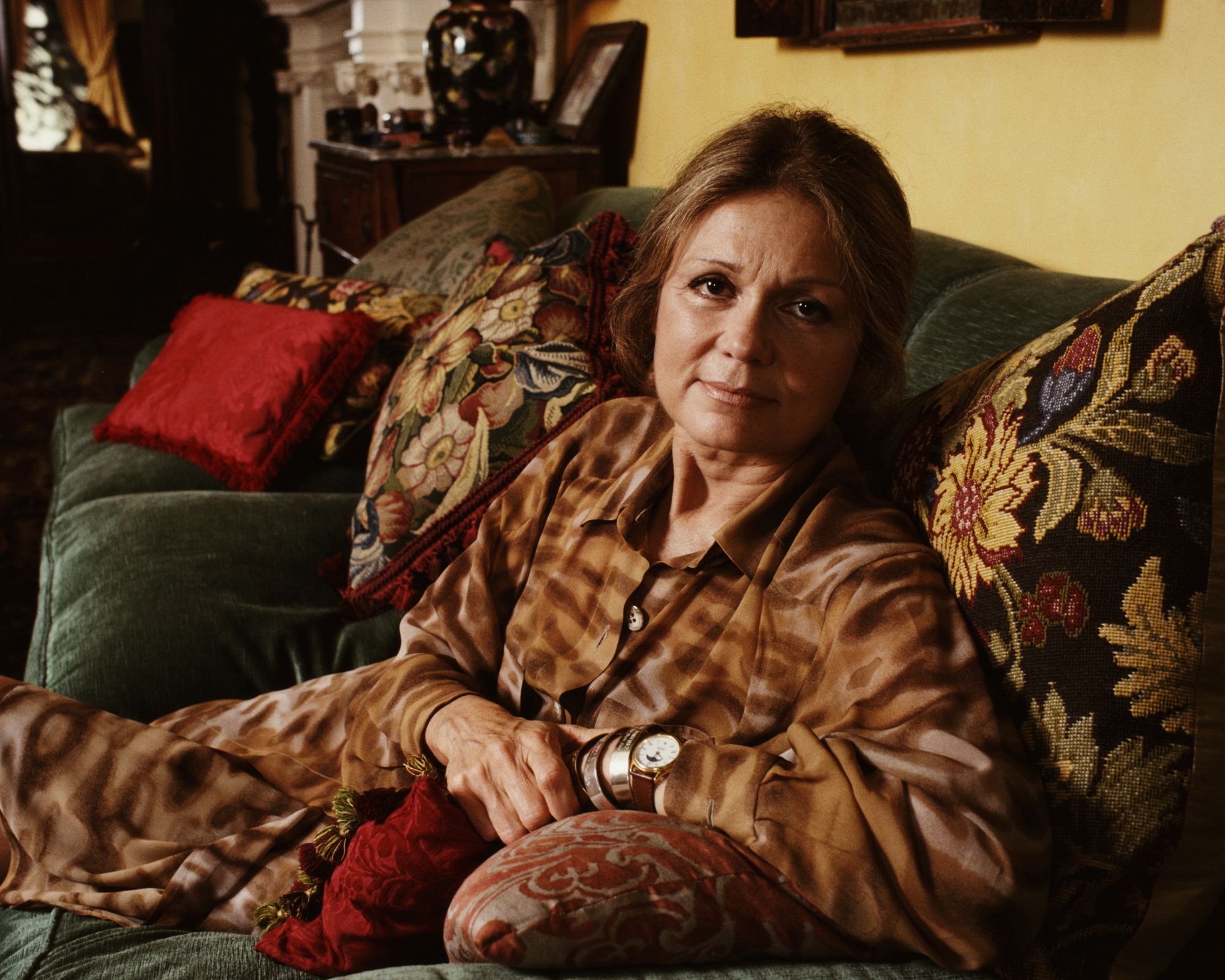
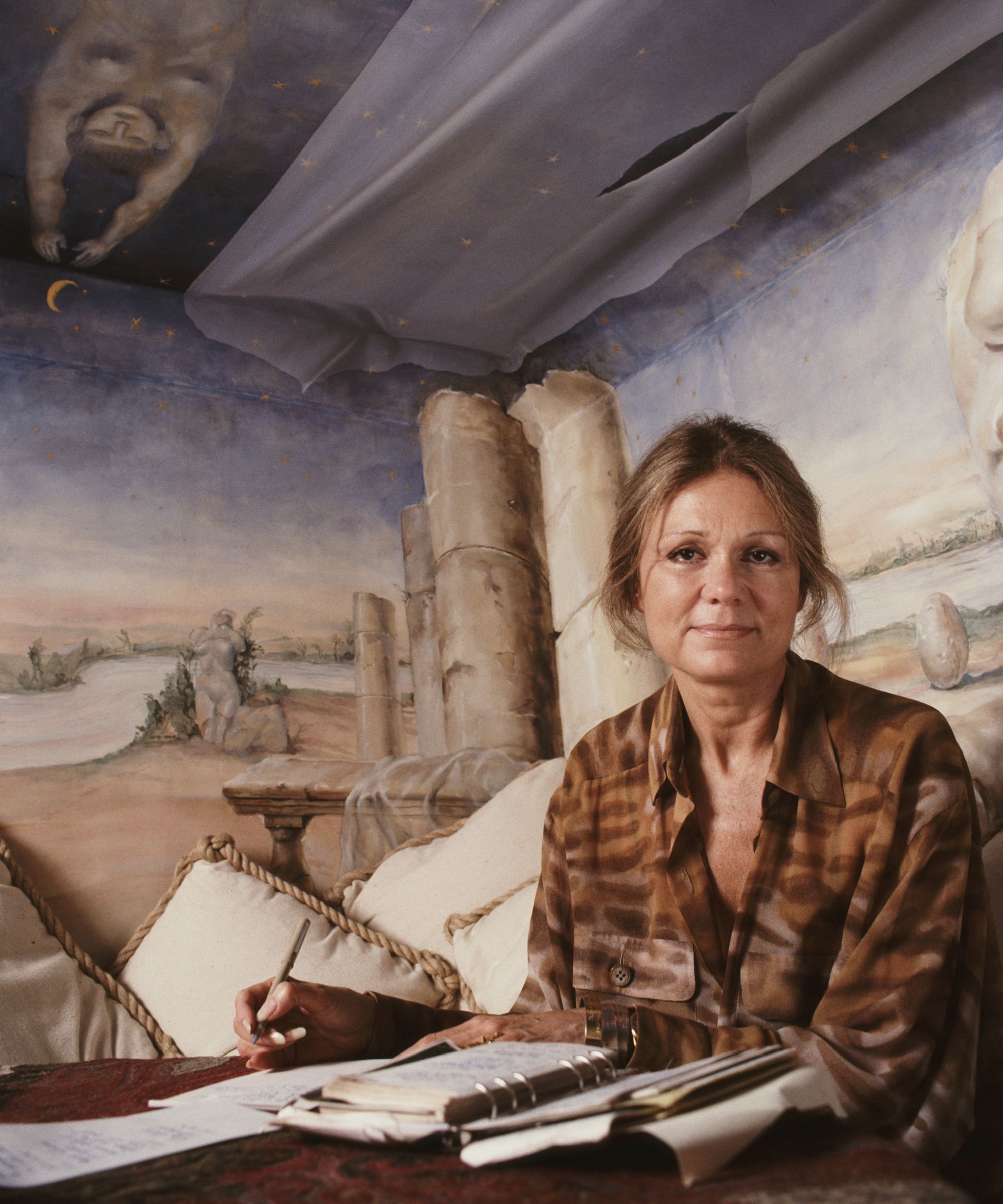
- The 1990s: Archival photography, such as Barbara Alper’s 1990 photoshoot for Getty Images, captures the vibrant, maximalist aesthetic of Steinem’s living spaces. Characterized by richly layered textiles, overflowing bookshelves, and global artifacts, the interior reflects a rejection of sterile, minimalist design trends in favor of a warm, lived-in bohemian sanctuary.
- 2017: Expanding her footprint within the historic building, Steinem purchases the entire third floor of the brownstone. This expansion creates additional space to accommodate her escalating administrative needs and the growing scope of her advocacy work.
- Mid-2020s: Steinem collaborates with acclaimed interior designer Jane Hallworth to execute a sensitive, piecemeal renovation of the duplex—likening the process to the organic growth of "an anthill." While modernizing essential infrastructure, including plumbing updates and a kitchen refresh, they carefully preserve the home’s signature aesthetic, including a bathroom designed with dynamic tilework resembling an antique rug and a vanity crafted from a salvaged architectural archway.
- September 2, 2026: Gloria Steinem passes away, prompting an outpouring of global grief and tributes. Shortly thereafter, it is announced that the brownstone will be legally preserved as a political organizing space and living archive under Gloria’s Foundation.
- Late 2026: Steinem’s posthumous memoir, An Unexpected Life, hits shelves, offering readers intimate reflections on her five decades inside the brownstone and the philosophy behind her domestic sanctuary.
Supporting Data: Architecture, Design, and Domestic Philosophy
Gloria Steinem’s brownstone is as much a masterclass in personal interior design as it is a historical landmark. Eschewing the sleek, sterile surfaces popular in modern architectural circles, Steinem intentionally curated an environment that felt welcoming, eclectic, and deeply personal.
In a 2024 interview with Architectural Digest, Steinem humorously reflected on her design choices: "Obviously I’m not a modern person. There’s a kind of antiseptic furniture look I would not love."
Key Architectural and Design Elements:
- The Maximalist Living Room: Dubbed by The New York Times as "the living room where history still happens," this space served as the primary venue for Steinem’s legendary Talking Circles. Featuring stacked bookshelves, globally sourced textiles, and warm muraled walls, it was built to prioritize human connection over aesthetic pretense.
- The Bathroom Renovation: Remodeled in partnership with designer Jane Hallworth, the space features intricate patterned tiling that mimics an antique rug. Adding a touch of historical reuse, the curved wooden vanity was constructed from a salvaged antique archway discovered elsewhere on the property.
- The "Anthill" Approach to Renovation: Rather than undertaking sweeping, disruptive overhauls, Steinem updated her home incrementally over 50 years. This gradual layering of items from international travels gave the space its signature collaged and dynamic visual weight.
Official Responses and Public Reactions
The decision to convert the brownstone into a public-facing political archive has been met with widespread acclaim from cultural historians, architectural preservationists, and feminist organizations worldwide.
Representatives for Gloria’s Foundation released a statement emphasizing the necessity of keeping the space active: "Gloria’s home was never merely a residence; it was an engine room for social change. By preserving these rooms, we ensure that future generations of activists have a physical anchor point to draw inspiration from, continuing the fight for equity where so many historic coalitions were first built."
Urban preservation groups in New York City have also praised the initiative. Preservation advocates note that while historic preservation often focuses strictly on elite architecture or institutional monuments, saving everyday spaces where grassroots movements unfolded honors a more democratic and inclusive version of history.
Visitors outside the brownstone during recent weeks echoed these sentiments. Groups of women, students, and activists have left handwritten notes, books, and floral arrangements on the steps. For many, the brownstone represents tangible proof that monumental social shifts often begin in cozy, book-lined living rooms rather than corporate boardrooms.
Implications: The Legacy of Spaces in Feminist History
The preservation of Gloria Steinem’s Upper East Side brownstone carries profound implications for how society documents and honors the legacies of cultural figures, particularly women.
1. Shifting the Focus from Monuments to Movements
Traditional historic preservation has historically favored battlefields, government halls, or the grand estates of political elites. By turning a residential brownstone into a living political archive, the project validates domestic and community spaces as legitimate sites of historical significance. It underscores the reality that political history is frequently manufactured around dining tables, living room sofas, and shared libraries.
2. A Living Archive vs. a Static Museum
Crucially, the brownstone will not operate as a cordoned-off museum with velvet ropes. By housing Gloria’s Foundation and serving as an active political organizing space, the building remains dynamic. It honors Steinem’s life-long ethos of action over passive admiration—ensuring that the rooms continue to generate dialogue, mentorship, and progressive advocacy.
3. Interior Design as Autobiography
Steinem’s home serves as a case study in how interior design can reflect a life of purpose. Her rejection of "antiseptic" modernism in favor of collected, global, and bohemian maximalism directly mirrored her worldview: inclusive, layered, textured, and deeply human. As readers explore her posthumous memoir, An Unexpected Life, alongside visual retrospectives of her home, they are offered a holistic portrait of a woman whose domestic environment was completely integrated with her life’s work.
Ultimately, visiting or studying Steinem’s brownstone serves as a permanent reminder: history is not merely a collection of abstract dates and events, but is deeply rooted in the physical places where people gather, converse, and dare to imagine a more equitable world.
