

Main Facts
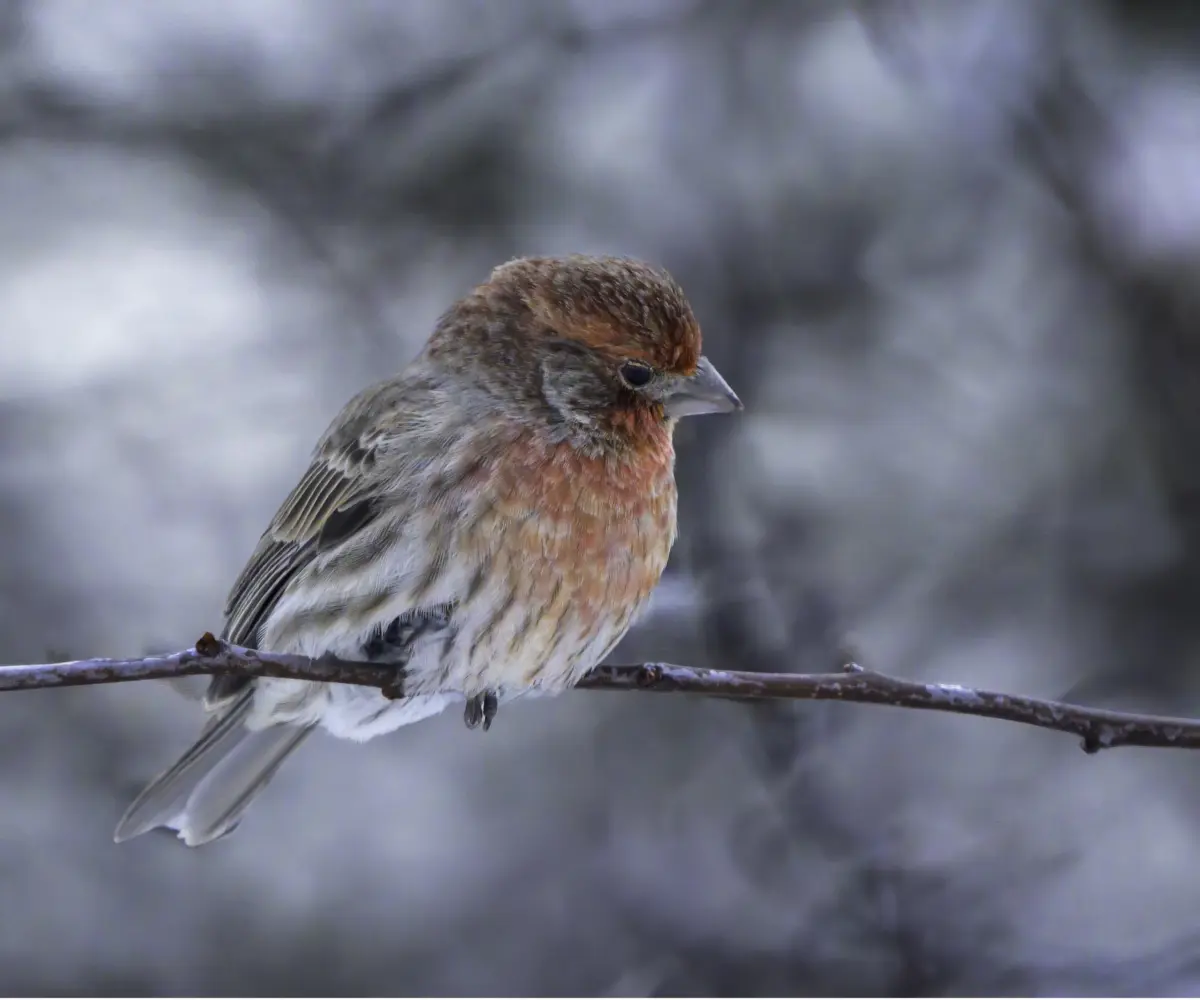
In a surprising twist for American ornithology and backyard enthusiasts alike, the House Finch has officially claimed the crown as America’s most frequently detected backyard bird. According to the newly released 2026 U.S. Birdwatching Insights Report by smart bird feeder brand Birdfy, the cheerful songbird was logged by automated AI systems more than 200 million times over a single 12-month cycle.
Industry experts and wildlife enthusiasts had widely anticipated that the iconic, brilliant-red Northern Cardinal would secure the top spot. However, comprehensive data collected between June 2025 and May 2026 from over 2.1 billion total feeder visitors nationwide proved otherwise.
The findings underline a major technological shift in how humans interact with local wildlife. Powered by high-definition cameras and sophisticated artificial intelligence capable of recognizing thousands of avian species, smart bird feeders are rewriting our understanding of backyard ecosystems. Beyond the triumph of the House Finch, the report revealed unexpected avian diversity across suburban and rural yards alike—including significant spikes in early-morning wildlife activity and rare hummingbird migrations.
Chronology and Data Collection: Tracking Billions of Feeder Visits
The data driving the 2026 U.S. Birdwatching Insights Report was gathered through a vast, decentralized network of smart bird feeders deployed across the United States.
- June 2025 – May 2026: Birdfy’s network monitored and recorded over 2.1 billion total avian interactions. Utilizing machine-learning algorithms, the smart devices instantly cataloged species, recorded high-speed video, and logged exact timestamps of every arrival.
- Late Summer / Early Autumn: Data trends began to indicate an unprecedented surge in migrant activity. Automated logs showed that overall backyard bird activity spiked dramatically in the predawn hours—long before most human observers woke up to fill their feeders.
- Early 2026: Final data aggregation revealed a clear geographic divide in the nation’s bird populations. While the House Finch dominated total detections nationwide, regional breakdowns painted a more nuanced picture. East of the Rocky Mountains, Northern Cardinals remained the undisputed kings of the yard. West of the Rockies, however, House Finches appeared with unmatched frequency.
- Publication of the 2026 Report: The official findings were released to the public, offering unprecedented insight into migratory patterns, regional populations, and rare species sightings.
Supporting Data and Regional Trends
The sheer scale of the Birdfy report provides a fascinating statistical window into American backyard biodiversity.
The Top Contenders
While the House Finch took the national gold medal with over 200 million detections, it was closely trailed by a familiar roster of resilient backyard species:
- Northern Cardinals
- House Sparrows
- Mourning Doves
- Tufted Titmice
The Geographic Divide
The report highlights a distinct longitudinal split in North American backyard demographics:
- The Eastern United States: Dominated heavily by the Northern Cardinal, whose bright red plumage and distinctive crest make it a perennial favorite.
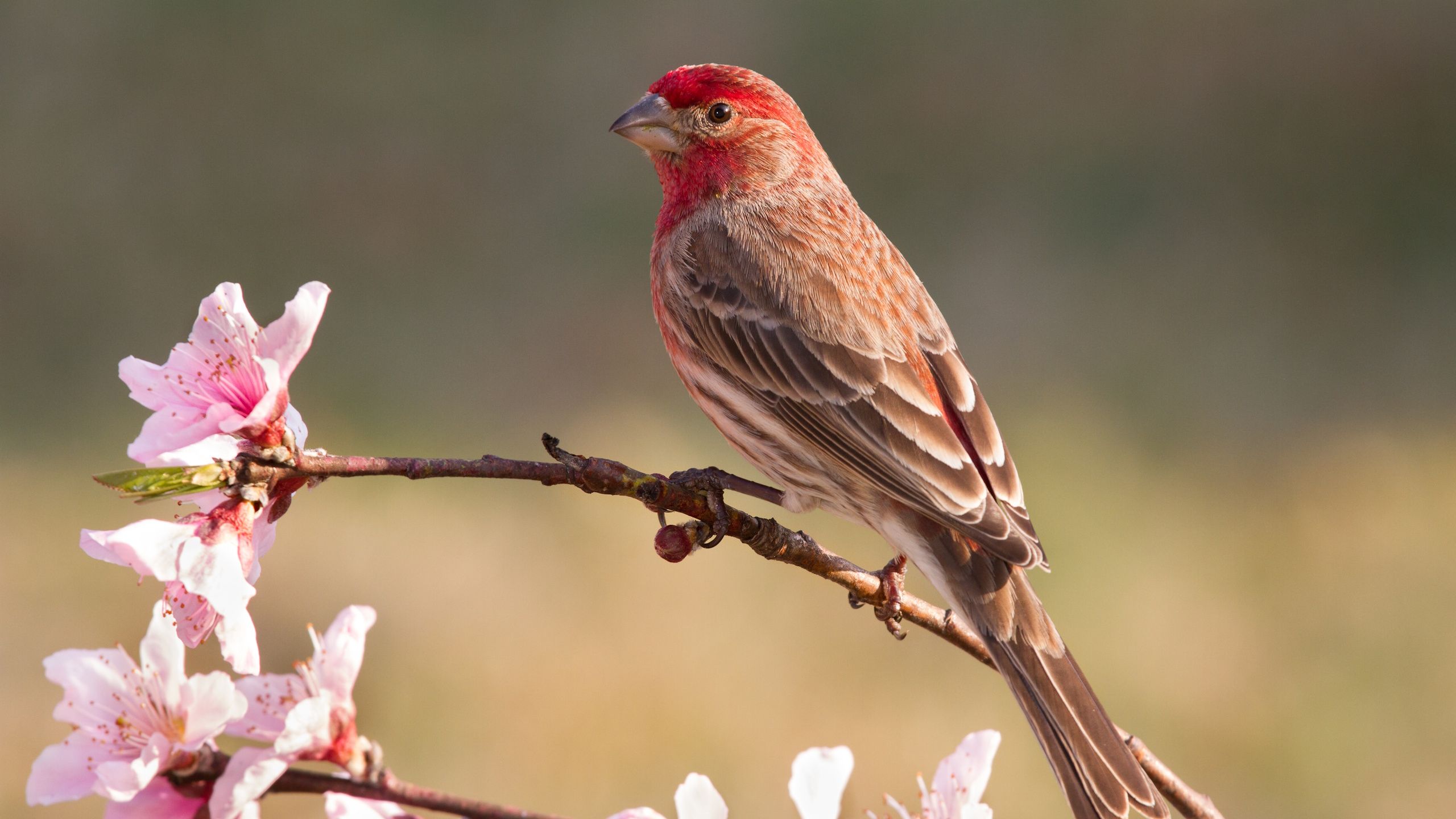
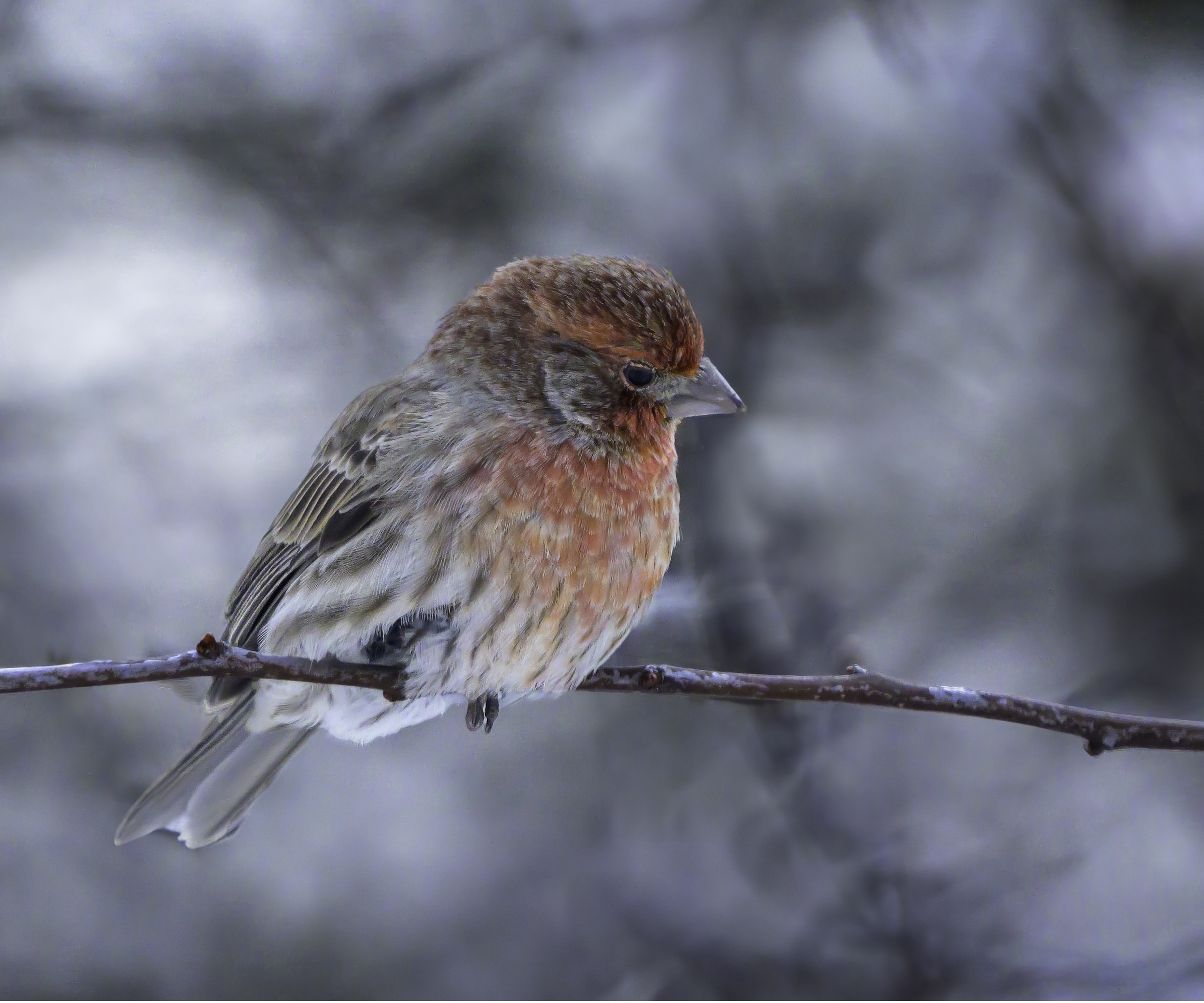
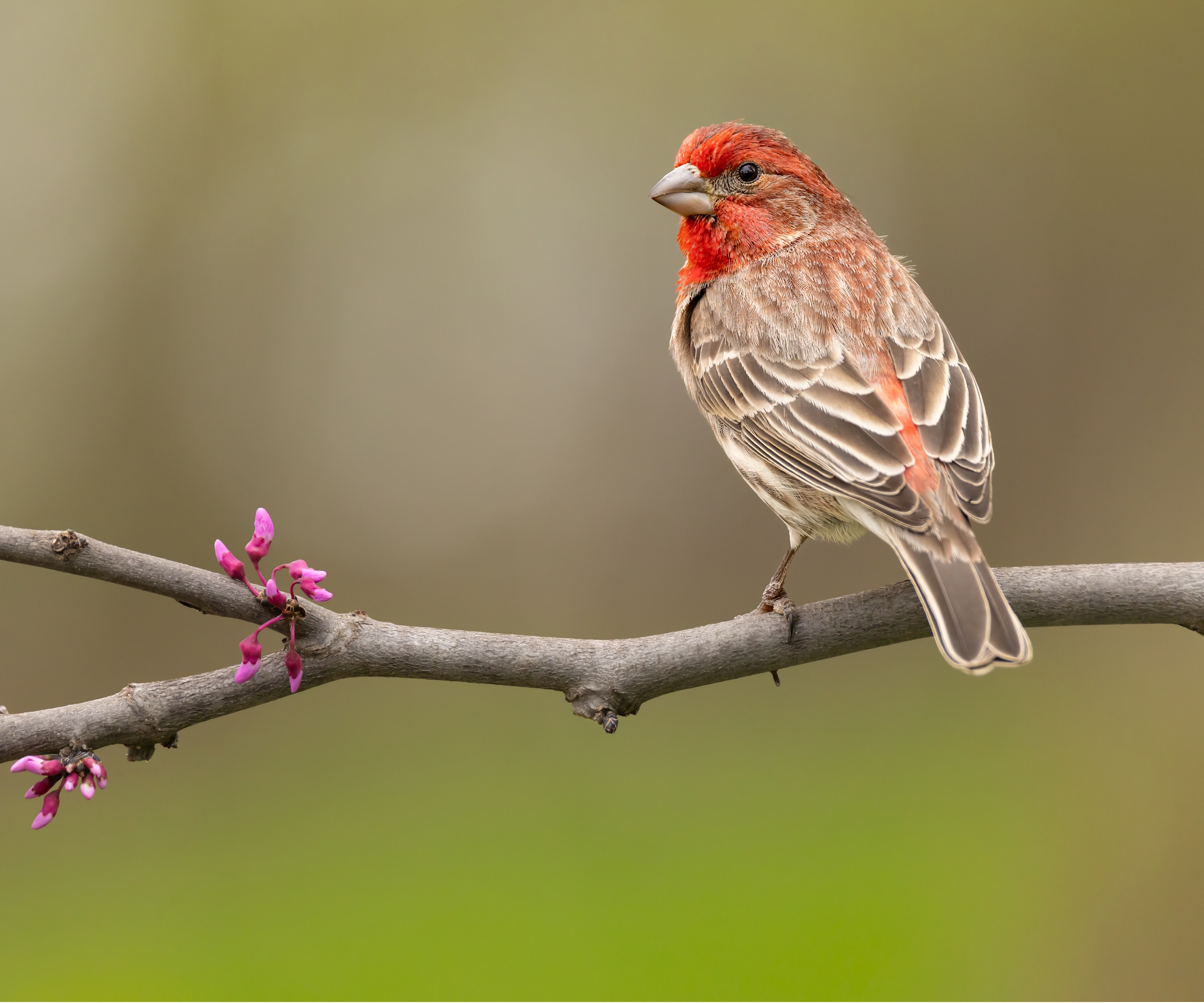
- The Western United States: Heavily led by the House Finch (Haemorhous mexicanus), a bird originally native to the southwestern U.S. and Mexico. Today, thanks to their adaptability, male House Finches—recognized by their streaky brown bodies and vibrant red heads, throats, and chests—thrive in everything from arid brushlands to bustling urban centers.
A Haven for Rare Hummingbirds
Perhaps the most startling revelation in the 2026 report centers on hummingbird data. Across more than 20 million hummingbird identifications, automated cameras recorded 17 rare species well beyond the usual suspects.
- The Dominant Species: Ruby-throated Hummingbirds accounted for over 60% of all hummingbird sightings, heavily dominating the eastern half of the country. Meanwhile, Anna’s, Allen’s, Rufous, and Costa’s Hummingbirds ruled the western skies.
- The Rare Visitors: Cameras successfully captured elusive species such as the Broad-billed, Berylline, and the striking Lucifer Hummingbird—the latter easily identified by its deeply curved bill and brilliant, iridescent purple gorget (throat patch).
Official Insights: The Role of Technology in Modern Conservation
The integration of artificial intelligence into backyard bird feeding has transformed passive hobbyists into active citizen scientists. Industry spokespeople note that smart bird feeders do more than just snap charming photos for social media; they provide ornithologists with unprecedented behavioral datasets.
"Bird activity surged before most Americans had even woken up," notes the Birdfy insights team, emphasizing that traditional human observation simply misses vast windows of wildlife behavior. By leveraging motion-activated cameras and instant mobile alerts, homeowners are gaining a clearer picture of when wildlife feeds, how flocks interact, and how migration patterns are shifting in response to changing climates and suburban expansion.
Conservationists point out that these massive influxes of data help track population health, monitor the spread of avian diseases, and map out shifting ranges for both resident and migratory species.
Implications for Backyard Birdwatchers
For everyday nature lovers and garden designers, the 2026 report offers a clear roadmap on how to optimize yards to support local wildlife and attract a wider variety of visitors.
Supporting House Finches
Because House Finches are gregarious, social birds that often feed in flocks, backyard setups should accommodate multiple visitors at once.
- Feeder Selection: Opt for tube feeders equipped with long perches and multiple feeding ports to prevent overcrowding and allow several finches to dine simultaneously.
- Nutritional Needs: House Finches thrive on black oil sunflower seeds, which provide the high-fat energy required to survive harsh summer heat and freezing winter conditions.
- Natural Habitats: Incorporating native plants—such as coneflowers (Echinacea)—provides a natural, highly nutritious food source once the seeds mature.
- Predator Protection: Position feeders near protective tree or shrub cover. This gives small songbirds a safe place to dart and hide from neighborhood cats and aerial predators.
- Sanitation: Regular cleaning of feeders is essential to prevent the buildup of mold and the transmission of avian diseases like Mycoplasma conjunctivitis, which can disproportionately affect finch populations.
Supporting Hummingbirds and Managing Migration
With hummingbird migration cycles shifting, garden enthusiasts are encouraged to prepare their yards well in advance.
- Feeders and Nectar: Hang specialized hummingbird feeders filled with a simple 4:1 ratio of water to refined white sugar. Never use red food coloring.
- Water Sources: Interestingly, research shows that hummingbirds actually prefer a fine mist over standing bird baths. Installing solar-powered fountain pumps or misters in the garden is a surefire way to draw them in.
- Late-Season Flora: Planting late-blooming nectar sources, such as Mexican bush sage, ensures that migrating hummingbirds have access to vital energy sources as natural summer blooms fade.
Avoiding Common Pitfalls
Experts warn that poorly maintained feeders can quickly backfire. Failing to refresh nectar and seeds regularly leads to mold growth, which can sicken visiting birds. Furthermore, unmanaged seed spillage on the ground is a primary culprit for inadvertently attracting unwanted pests, such as rats and mice, to residential yards.
Ultimately, the 2026 U.S. Birdwatching Insights Report proves that America’s passion for backyard wildlife is stronger than ever. Armed with smart technology, a better understanding of species demographics, and proper garden stewardship, birdwatchers nationwide can look forward to an even more vibrant, diverse season of backyard discovery.
