

LONDON — A staggering £36 billion ($48.8 billion) legal battle originating from one of the worst environmental disasters in modern history has transformed into an internecine corporate war. Behind the scenes of a monumental UK lawsuit against mining giants BHP Group Ltd. and Vale SA, deep-pocketed litigation funders are engaged in a vicious proxy battle for control, pitting elite law firms against one another and threatening to derail the next phase of compensation for hundreds of thousands of Brazilian victims.
The litigation, which seeks restitution for more than 600,000 Brazilians impacted by the catastrophic 2015 Fundão dam collapse, recently achieved a monumental legal milestone when the presiding court found the mining operators liable in November. Yet, rather than uniting the stakeholders, victory has triggered a chaotic power struggle. Two primary financial backers—North Wall Capital and Gramercy Funds Management—are locked in a high-stakes chess match, backing rival legal teams, executing behind-the-scenes boardroom coups, and disputing who holds the legitimate authority to guide the historic litigation toward its eventual multi-billion-dollar payout.
1. Main Facts: The Anatomy of a Multi-Billion-Dollar Proxy War
At the heart of the controversy is Pogust Goodhead, the primary law firm that engineered the UK class action against BHP and Vale. Following the November liability ruling, the firm’s financial backers and client representatives have fractured into opposing camps, exposing the precarious dynamics of modern litigation finance.
- The Core Dispute: North Wall Capital and Gramercy Funds Management are fighting for control over the litigation’s next strategic phase to maximize their returns on massive capital investments.
- The Legal Factions: Gramercy currently backs a joint front featuring Pogust Goodhead and elite litigation powerhouse Quinn Emanuel Urquhart & Sullivan. Conversely, North Wall is bankrolling a challenger firm, Edward McCourt & Company—staffed by former Pogust Goodhead defectors—operating alongside U.S. firm Bailey Glasser International (BGI).
- The Leadership Upheaval: The ongoing chaos may provide Thomas Goodhead, the ousted former chief executive and face of Pogust Goodhead, an unexpected path back into the litigation after his acrimonious exit from the firm late last year.
- The Client Committee Revolt: In a dramatic escalation, the confidential 17-member client committee representing the affected Brazilian communities announced it had officially terminated Pogust Goodhead’s services, though the firm has aggressively contested the validity of this dismissal.
The explosive rift demonstrates the immense financial incentives driving the litigation finance sector. Funders shoulder the astronomical costs of massive class-action lawsuits in exchange for a lucrative percentage of any eventual settlement or judgment. However, as this case demonstrates, when billions of dollars hang in the balance, the alignment of interest between funders, lawyers, and plaintiffs can spectacularly collapse.
2. Chronology: From Tragedy to Boardroom Coup
To understand how a historic environmental lawsuit devolved into a bitter corporate turf war, one must trace a decade of tragedy, financial maneuvers, and internal betrayals.
November 2015: The Fundão Dam Disaster
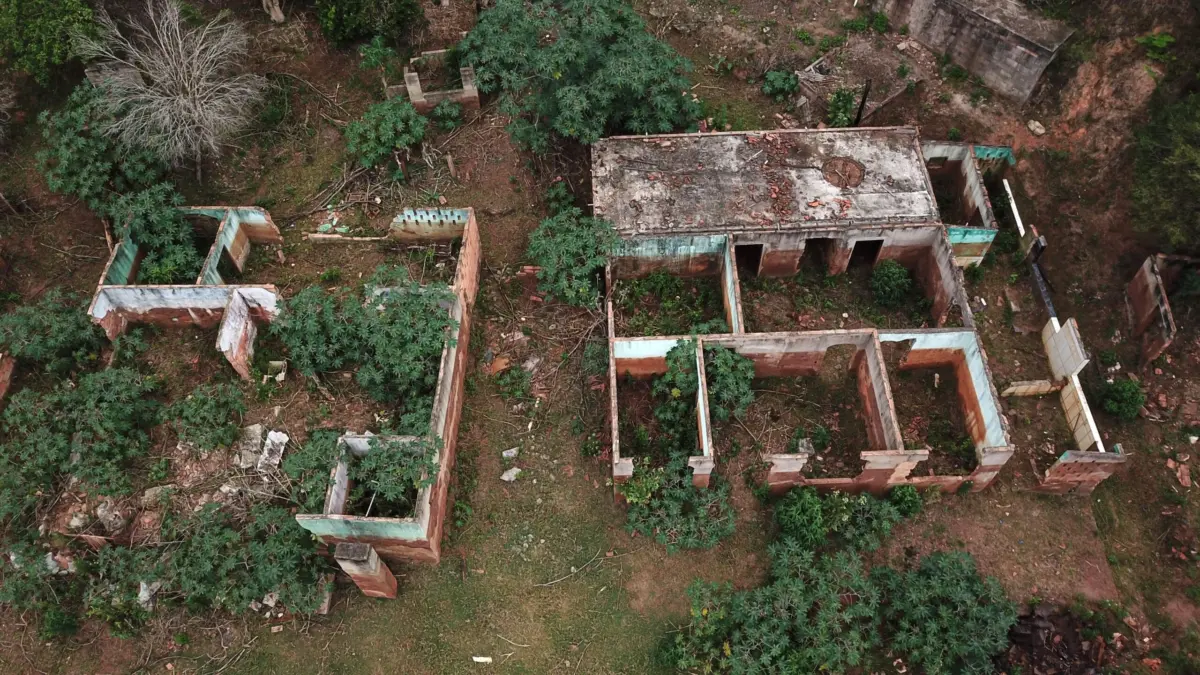
The catastrophe unfolded in the Brazilian states of Minas Gerais and Espírito Santo when the Fundão tailings dam—operated by Samarco Mineração S.A., a joint venture between BHP and Vale—ruptured. The resulting wall of toxic mud killed 19 people, devastated local ecosystems, destroyed entire villages, and polluted the Doce River down to the Atlantic Ocean.
2023–2024: Financial Restructuring and Settlements
As Pogust Goodhead pursued international legal avenues, North Wall Capital initially provided €178 million ($207 million) in critical funding to sustain the firm’s operations and case preparation. In 2023, Gramercy Funds Management stepped in, providing a massive refinancing loan that allowed North Wall to double its money. Gramercy subsequently poured hundreds of millions of dollars more into the litigation. Meanwhile, in 2024, the corporate entities struck a separate $31.1 billion settlement with Brazilian authorities, though this accord explicitly excluded the ongoing UK High Court action and a concurrent lawsuit in the Netherlands.
Late 2024–September 2025: The Fall of Thomas Goodhead
Behind the public facade of legal victories, severe internal friction developed between Gramercy and Pogust Goodhead’s key shareholder and director, Thomas Goodhead. According to court filings—specifically a witness statement submitted by Pogust Goodhead’s General Counsel, Kam Lynn Wong, in a London court—Gramercy grew deeply dissatisfied with Goodhead’s leadership. The investment fund accused Goodhead of misusing corporate expense accounts to fund lavish stays in luxury hotels and private aviation travel.
Goodhead consistently denied any wrongdoing, asserting that his corporate travel and hospitality budgets were entirely commensurate with those of other major international law firms, and claimed he was forced out in a calculated boardroom coup. He officially departed the firm in September 2025.
Late 2025–Early 2026: The Fracturing of the Legal Coalition
Following Goodhead’s departure, the relationship between Pogust Goodhead and the confidential client committee deteriorated irreparably. Desperate to maintain momentum following the liability finding, Pogust Goodhead brought in Quinn Emanuel as co-counsel. However, the client committee strongly opposed this move. Capitalizing on this friction, North Wall Capital stepped back into the fray, pivoting its financial backing toward Edward McCourt & Company—a boutique firm populated by former Pogust Goodhead partners—in a direct bid to seize control of the client base and the litigation.
3. Supporting Data: Financial Exposure and Corporate Provisioning
The sheer scale of the litigation matches the unprecedented corporate exposure faced by the mining conglomerates involved.
- The Claim Valuation: The UK lawsuit is valued at approximately £36 billion ($48.8 billion), representing one of the largest group actions in legal history.
- BHP’s Provisions: According to BHP Group Ltd.’s 2026 Annual Report, the company increased its estimate of Samarco-related costs by $575 million, bringing its total provisions for the 2015 disaster to roughly $5.2 billion. Crucially, BHP’s official financial reports do not provide a separate, definitive estimate for the potential financial blow of the UK High Court case.
- Overlapping Compensation: BHP has asserted that approximately 240,000 claimants participating in the UK lawsuit have already received varying degrees of compensation through localized reparation programs in Brazil. The mining company argues that these prior payouts must be factored in, significantly reducing the ultimate quantum of damages claimed in the British proceedings.
- The Funding Stakes: The original €178 million North Wall loan—which netted North Wall a 100% return upon Gramercy’s 2023 buyout—pales in comparison to the hundreds of millions Gramercy has invested since, illustrating why both investment houses are fighting so aggressively to control the outcome.
4. Official Responses and Legal Posturing
As the battle lines solidify in London courtrooms, representatives for all major institutional players have adopted tight-lipped or combative postures.
Representatives for Quinn Emanuel, Gramercy Funds Management, and North Wall Capital all declined formal requests for comment from journalists. However, the legal combatants locked in the struggle over representation have been far from silent.
Pogust Goodhead issued a fierce, uncompromising statement challenging the legitimacy of the client committee’s attempt to sever ties:
“Pogust Goodhead’s position is clear: the client committee, a group of 17 members appointed by the previous management and whose identities are kept confidential, does not have the authority, acting on its own, to transfer the claims.”
Conversely, legal representatives speaking on behalf of the client committee staunchly defended their autonomy, asserting that they acted strictly within their contractual rights to safeguard the best interests of the plaintiffs:
“The committee remains fully confident in the decision it took to protect the interests of the people it represents.”
Thomas Goodhead has remained largely inaccessible for direct comment regarding the corporate governance allegations, though he previously characterized his removal as a hostile takeover orchestrated by institutional investors looking to seize control of the firm’s revenue streams. Meanwhile, spokespeople for Bailey Glasser International—working in tandem with the challenger firm Edward McCourt & Company—have declined to comment on their involvement in the North Wall-backed coup.
5. Implications: The Future of Litigation Finance and the Victims’ Quest for Justice
The civil war unfolding behind the scenes of the Fundão dam lawsuit carries profound implications that extend far beyond the courtroom battles of London and the river valleys of Minas Gerais.
The Litigants Left in Limbo
For the 600,000 Brazilian citizens who have endured a decade of legal delays, administrative hurdles, and lingering environmental trauma, the spectacle of elite investment funds and rival law firms battling over billions in potential fees is a bitter pill to swallow. While institutional investors fight for dominance to maximize their return on investment, the core objective—securing comprehensive, timely justice for the victims of a man-made environmental disaster—risks being sidelined by corporate greed.
The Broader Debate Over Litigation Finance
The case serves as a watershed moment for the booming UK litigation finance market.
- Proponents argue that commercial litigation funding is an indispensable equalizer, providing ordinary citizens and devastated communities the massive financial resources required to take on trillion-dollar multinational conglomerates like BHP and Vale. Without external capital, they argue, such monumental claims would never see the inside of a courtroom.
- Critics, however, point to the messy fallout of the Pogust Goodhead litigation as a textbook example of the industry’s dark side. They contend that when third-party financiers inject hundreds of millions of dollars into legal actions, their primary incentive is profit maximization rather than client welfare. Critics argue this dynamic encourages hyper-aggressive litigation strategies, fractious internal power struggles, and exorbitant fee structures that siphon away funds that rightly belong to disaster victims.
As the legal teams maneuver for dominance ahead of the next procedural phases in the UK courts, the ultimate resolution of the £36 billion lawsuit remains shrouded in uncertainty. Whether the original legal architects can retain their foothold, or whether the North Wall-backed insurgents successfully wrest control of the proceedings, one reality remains painfully clear: the path to justice for the victims of the Fundão dam collapse continues to be paved with corporate conflict.
