

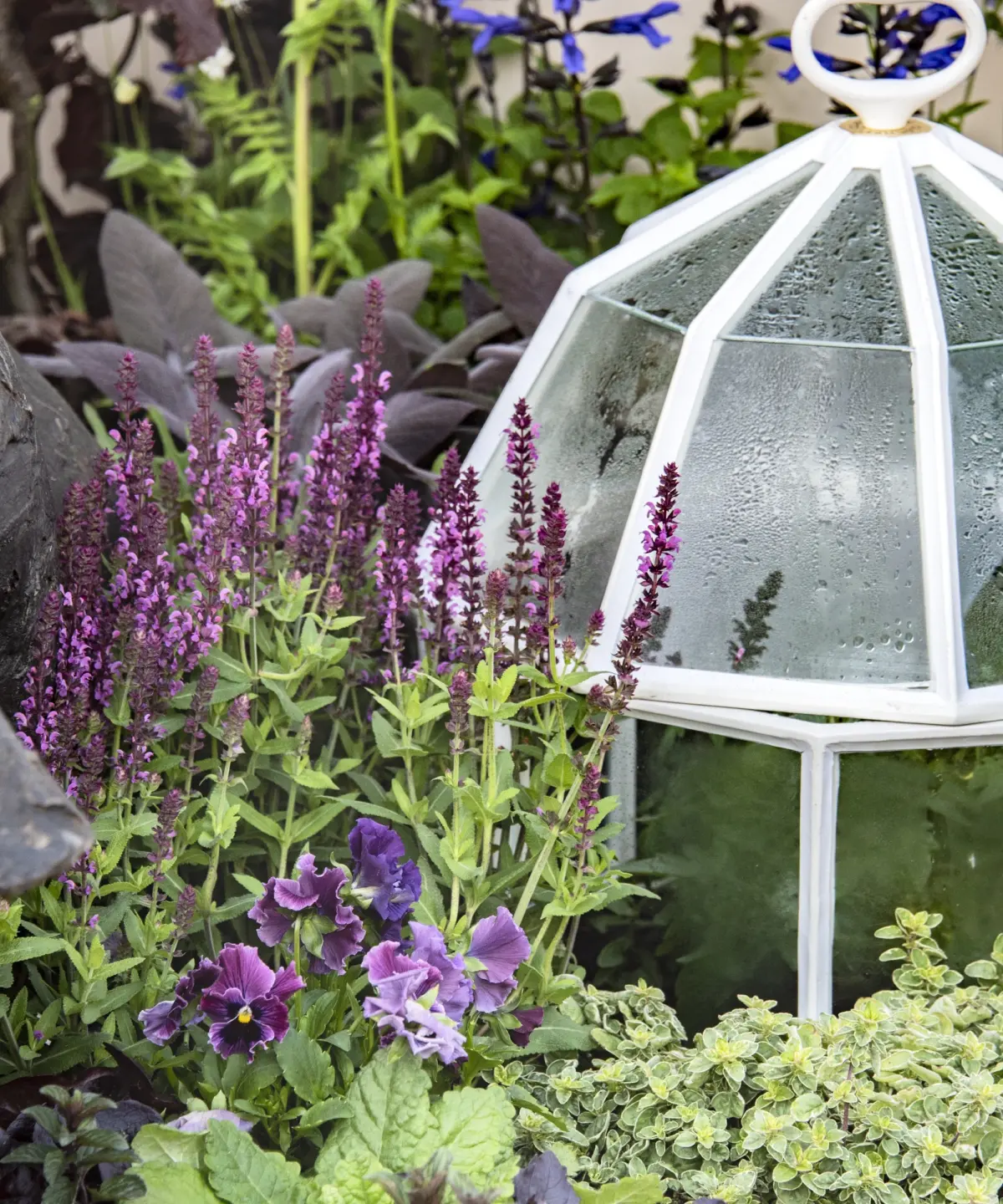
As the golden haze of late summer settles over the landscape and many classic perennials begin their inevitable seasonal fade, salvias stand out as resilient, vibrant anchors of the garden. Whether woven generously through herbaceous borders, accenting patio containers, or brightening sprawling flower beds, these tough and colorful plants provide a vital splash of late-season pigmentation. However, as the calendar flips to September, the shifting weather patterns demand a transition in maintenance.
Navigating the nuances of late-season care can be complex, primarily because different varieties of salvia possess distinct growth habits, frost tolerances, and pruning needs. To help gardeners protect their investments and ensure a stellar show well into autumn—and a triumphant return next spring—horticulturists have compiled a comprehensive September checklist. From strategic deadheading and careful container management to the art of propagation and overwintering, here is everything you need to know to master salvia care as autumn approaches.
Main Facts: What Salvias Need in September
Salvia—a massive genus encompassing hundreds of species of sage—is a favorite among both amateur gardeners and professional landscape designers for its drought tolerance, pollinator-friendly blooms, and extended flowering season. In September, the primary goal shifts from maximizing rapid mid-summer growth to gently guiding the plant through its transition into dormancy while wringing out the final weeks of floral brilliance.
The core tenets of September salvia management include:
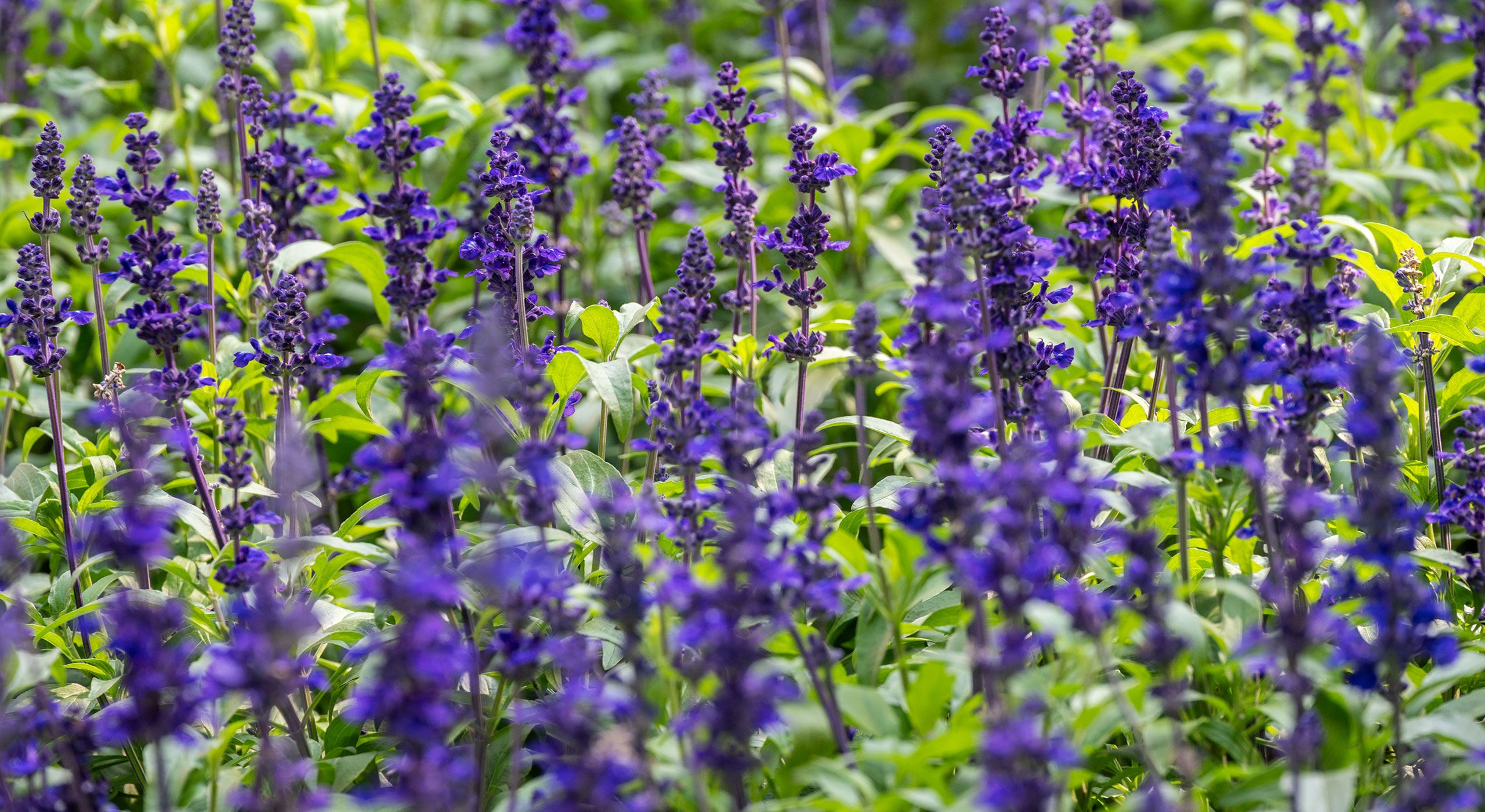
- Continued Deadheading: Removing spent flower spikes prevents the plant from expending precious energy on seed production, redirecting those resources into new blossoms.
- Targeted Nutrition: Container-grown salvias often require a final, gentle nutrient boost, though heavy fertilizing must be avoided to prevent tender, frost-vulnerable growth.
- Pest and Disease Vigilance: Cooler, damper autumn conditions create prime environments for aphids and powdery mildew, which require proactive monitoring.
- Patience with Pruning: Resist the urge to cut back healthy, flowering stems too early, as foliage protects the crown and allows vital late-season photosynthesis.
- Winter Preparation: Understanding the hardiness zone of specific varieties is crucial for determining whether tender salvias need indoor shelter, frost covers, or protective mulching.
- Propagation: September is an ideal window to take stem cuttings, securing free replacement plants for the following spring.
Chronology of Late-Season Salvia Maintenance
Understanding the seasonal arc of salvia care helps gardeners time their interventions perfectly, balancing active growth stimulation with gradual winter preparation.
Early September: Boosting Blooms and Managing Containers
As the month begins, daytime temperatures often remain warm, but the shortening days signal a change. This is the optimal window to inspect potted salvias. Months of prolific flowering in containers deplete vital soil nutrients. Giving container-grown plants a light application of a balanced, water-soluble fertilizer—such as Miracle-Gro All Purpose Plant Food—provides a final, healthy push.
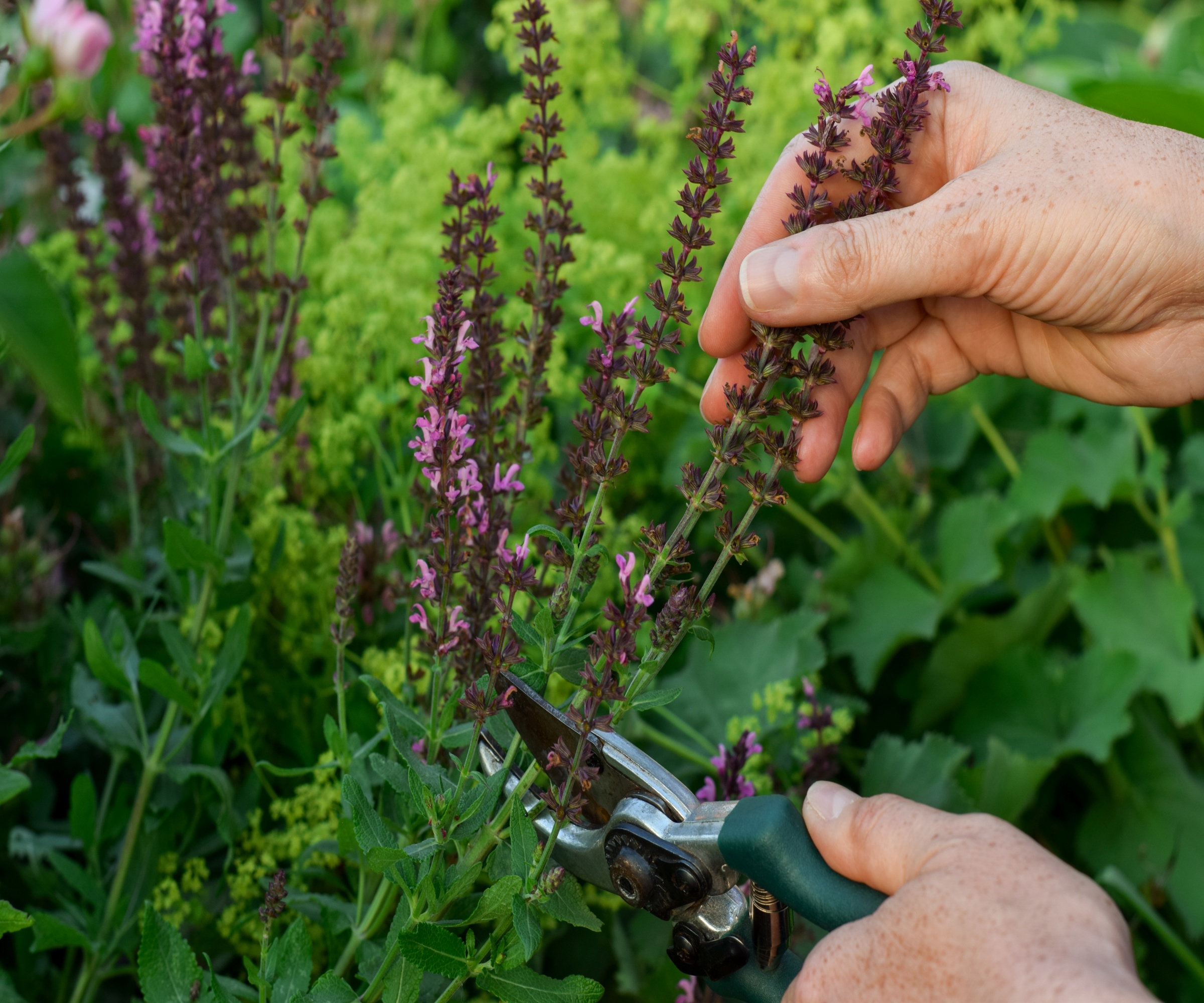
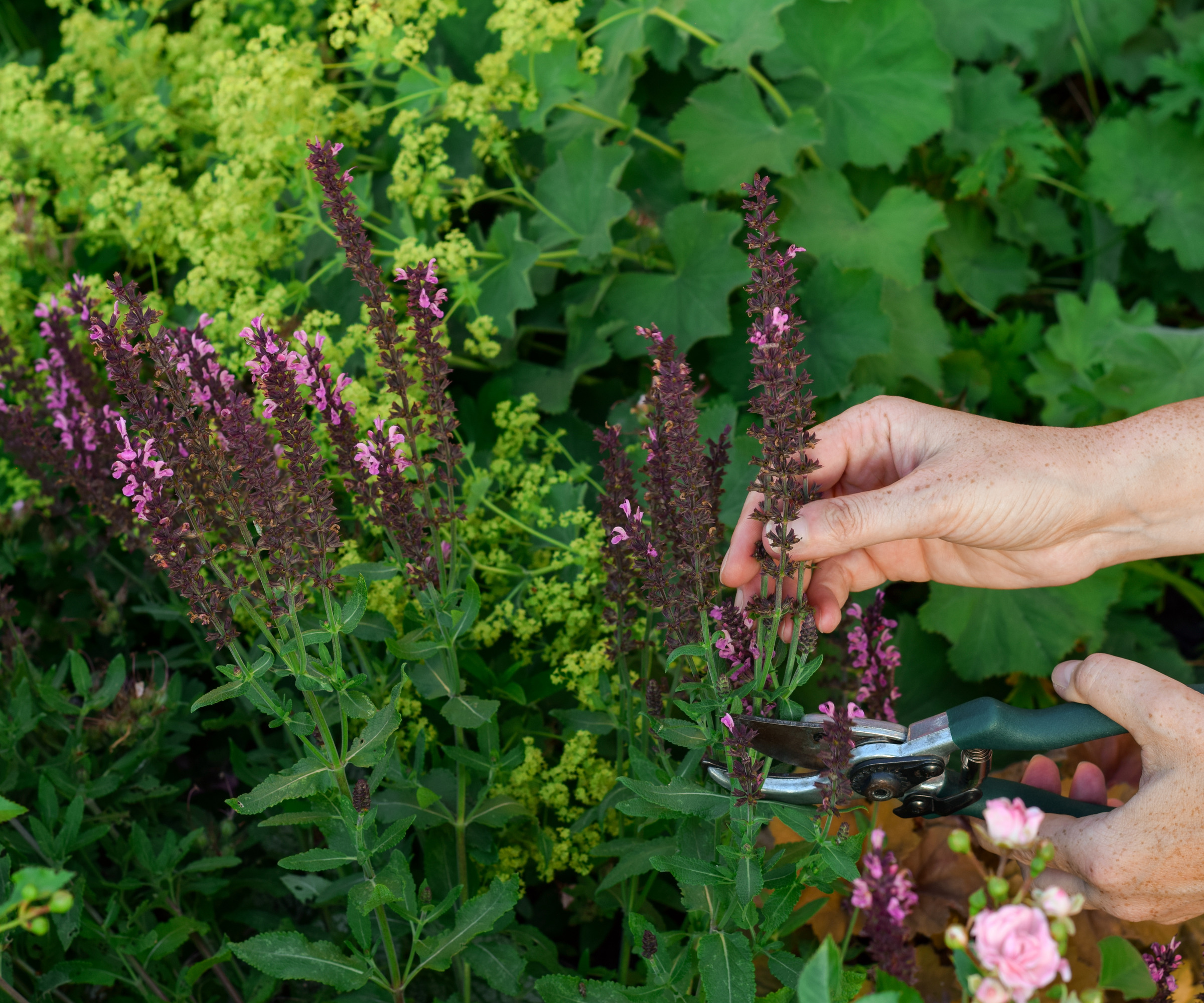
Concurrently, deadheading should be performed weekly. Using sharp bypass pruners (such as Fiskars Steel Bypass Pruning Shears or Scotts Precision Hand Pruners), gardeners should clip faded flower stalks back to just above a healthy set of leaves or a branching node. This encourages lateral growth and extends the colorful floral display deep into the autumn months.
Mid-September: Health Inspections and Pest Control
By the middle of the month, the risk of moisture-related garden issues increases as morning dews get heavier and evening temperatures drop. Gardeners must perform thorough health checks, paying close attention to the undersides of leaves and crowded interior stems where aphids and whiteflies love to hide.
If soft-bodied pests are detected, treating them organically with an insecticidal soap like Bonide Insecticidal Soap can halt infestations before they spiral. Similarly, early signs of powdery mildew—a frequent autumn nuisance for salvias—can be managed with a targeted copper fungicide, such as Bonide Copper Fungicide. Crucially, watering habits must shift: transition from overhead sprinkling to targeted base-watering to keep foliage dry and curtail fungal spore germination.
Late September to Early October: The Transition to Overwintering
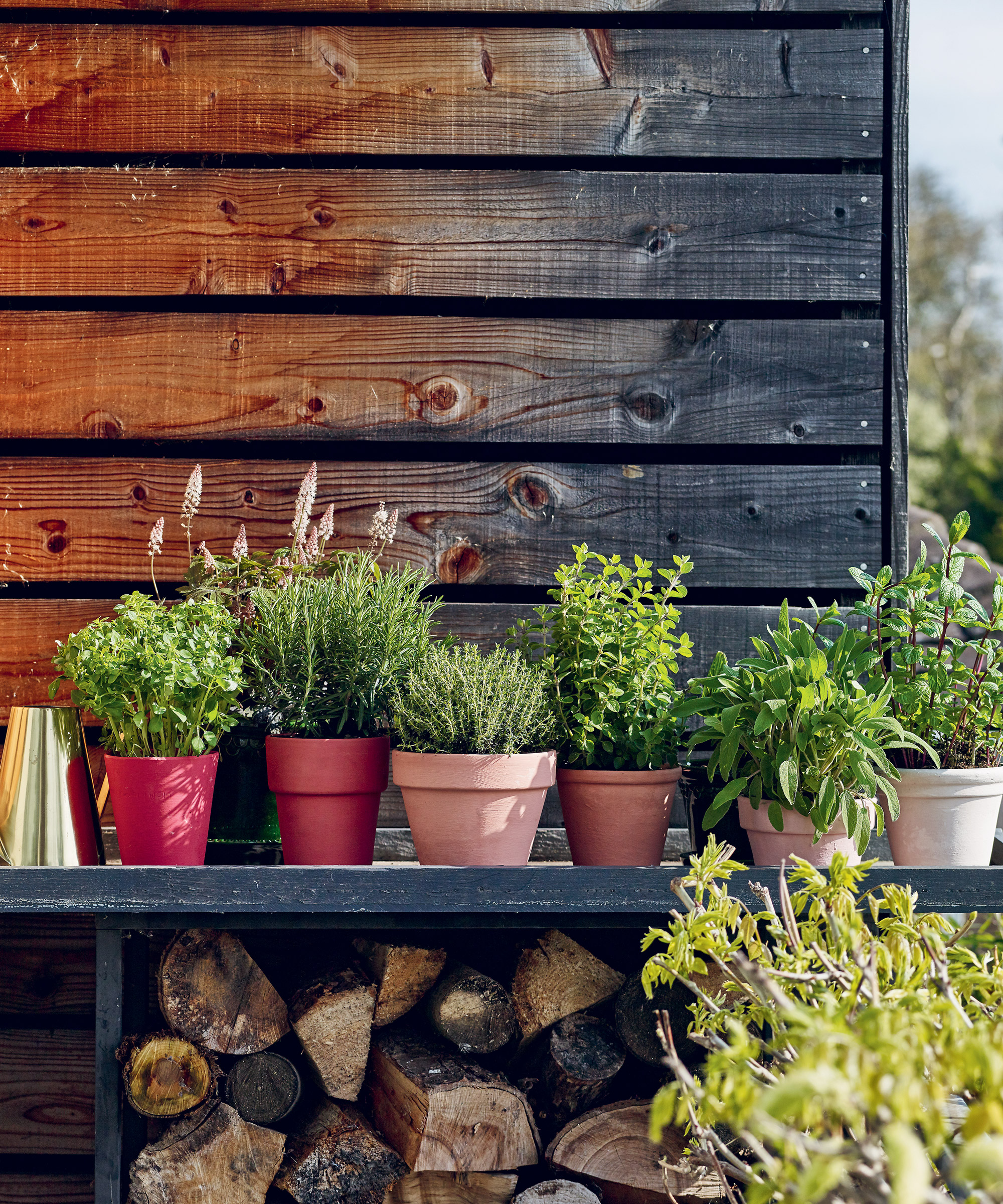
As the first frost warnings loom on the horizon, the focus shifts entirely from stimulation to protection. Tender perennial salvias—often grown as annuals in cooler northern climates—must be evaluated. Gardeners in colder USDA Hardiness Zones should prepare to move potted tender salvias indoors or into protected glasshouses. For in-ground plants, applying a thick layer of organic mulch, such as Scotts Nature Scapes Color Enhanced Mulch, around the root zones insulates them against sudden temperature fluctuations.
This is also the prime moment to harvest stem cuttings. Taking non-flowering shoots, dipping them in hormone powder, and rooting them in a specialized medium like Miracle-Gro Seed Starting Potting Mix ensures a robust collection of young plants ready for the next spring season without spending a dime at the nursery.
Supporting Horticultural Data and Supply Insights
Maintaining salvias effectively requires the right tools and soil amendments. According to botanical data from leading plant societies, proper pruning tools are paramount; ragged cuts made with dull blades create entry wounds for pathogens. Utilizing professional-grade tools like Haus & Garten Premium Titanium Bypass Pruning Shears ensures clean, vascular-friendly cuts that heal rapidly.
When purchasing new additions or expanding a collection, selecting reliable cultivars makes a significant difference in hardiness and performance. While varieties like Russian Sage offer sturdy architectural elements, dedicated gardeners often seek out specialized perennial salvias such as the Snow Hill Wood Sage from Plant Addicts.
For winter protection, physical barriers remain highly effective. Lightweight frost blankets, such as Agfabric Plant Covers, offer breathable defense against early-season freezes, protecting foliage without suffocating the plant. For garden beds, organic mulches maintain soil temperatures and retain moisture, shielding delicate root structures from the damaging freeze-thaw cycles characteristic of late autumn and early winter.
Official Responses and Horticultural Perspectives
Leading botanical experts and horticulturists emphasize that the biggest mistake gardeners make with salvias in the fall is treating them with a one-size-fits-all approach.
"Salvia is a wonderfully diverse genus," notes a senior extension horticulturist specializing in perennial management. "You have completely hardy, herbaceous species that laugh off freezing winters in Zone 4, and then you have tender, shrubby tropical salvias that will turn to mush at the very first whisper of frost. Gardeners need to identify their exact species before deciding whether to prune hard or bring the plant indoors."
Furthermore, plant pathologists stress the importance of hygiene during the late-season transition. "As plants slow down their metabolism in September, they are less capable of recovering from pest damage or disease vectors," explains a plant health specialist. "Clearing away fallen debris, avoiding late applications of high-nitrogen fertilizers that push soft, weak growth, and maintaining good air circulation are your best lines of defense against fungal outbreaks as the weather turns damp."
Implications for Gardeners and the Environment
The meticulous care of salvias through September carries broad implications that extend well beyond the aesthetics of an individual yard.
Extended Ecological Support
By continuing to deadhead and maintain healthy salvias through the early autumn, gardeners provide an essential ecological service. Late-blooming salvias serve as critical refuels for migrating pollinators, including monarch butterflies, native bees, and late-season hummingbirds. In many regions, natural food sources are dwindling by September, making well-maintained garden salvias a vital pitstop for wildlife.
Economic and Sustainable Gardening
The practice of taking September cuttings directly impacts a gardener’s budget and sustainability footprint. Propagating existing plants eliminates the need to purchase fresh annuals the following spring, reducing plastic pot waste, commercial nursery transport emissions, and garden expenditures. By mastering the art of overwintering and propagation, gardeners cultivate resilient, self-sustaining landscapes capable of enduring economic and climatic uncertainties.
Climate Adaptation and Resiliency
As weather patterns become increasingly erratic—marked by unseasonably warm autumns followed by abrupt, severe freezes—the traditional garden calendar is disrupted. Learning to read plant responses rather than relying solely on calendar dates allows gardeners to adapt dynamically. Providing flexible protection, such as moveable containers and breathable frost blankets, ensures that beloved ornamental plants survive shifting climate extremes, safeguarding biodiversity at the hyper-local level.
