

By Tenielle Jordison
As the crisp air of autumn begins to settle in, avid gardeners know that fall is not a time to wind down, but rather a season of intense, rewarding activity. From refreshing tired summer containers with vibrant cold-hardy blooms to burying spring-flowering bulbs for a burst of color after the frost, autumn demands a strategic approach to planting. Even indoor houseplants benefit immensely from late-year repotting if they have outgrown their current vessels.
However, while the rewards of container and indoor gardening are rich, the physical process is frequently accompanied by a frustrating familiar trial: spilled potting soil across clean kitchen floors, aching backs from bending over low surfaces, and the heavy, exhausting labor of shifting water-logged terra cotta pots.
Fortunately, seasoned horticulturists have long relied on a specialized arsenal of potting accessories to streamline the process. By investing in ergonomic tools, intelligent workspace setups, and moisture-management solutions, gardeners can eliminate the mess and physical strain, turning autumn container maintenance into an effortless pleasure.
Main Facts: The Core Elements of Fall Container Upkeep
Autumn container gardening requires more than just picking out attractive plants; it demands a systematic workflow that protects both your home and your flora. The core pillars of successful fall potting center on three main functional areas: workspace management, mobility solutions, and moisture control.
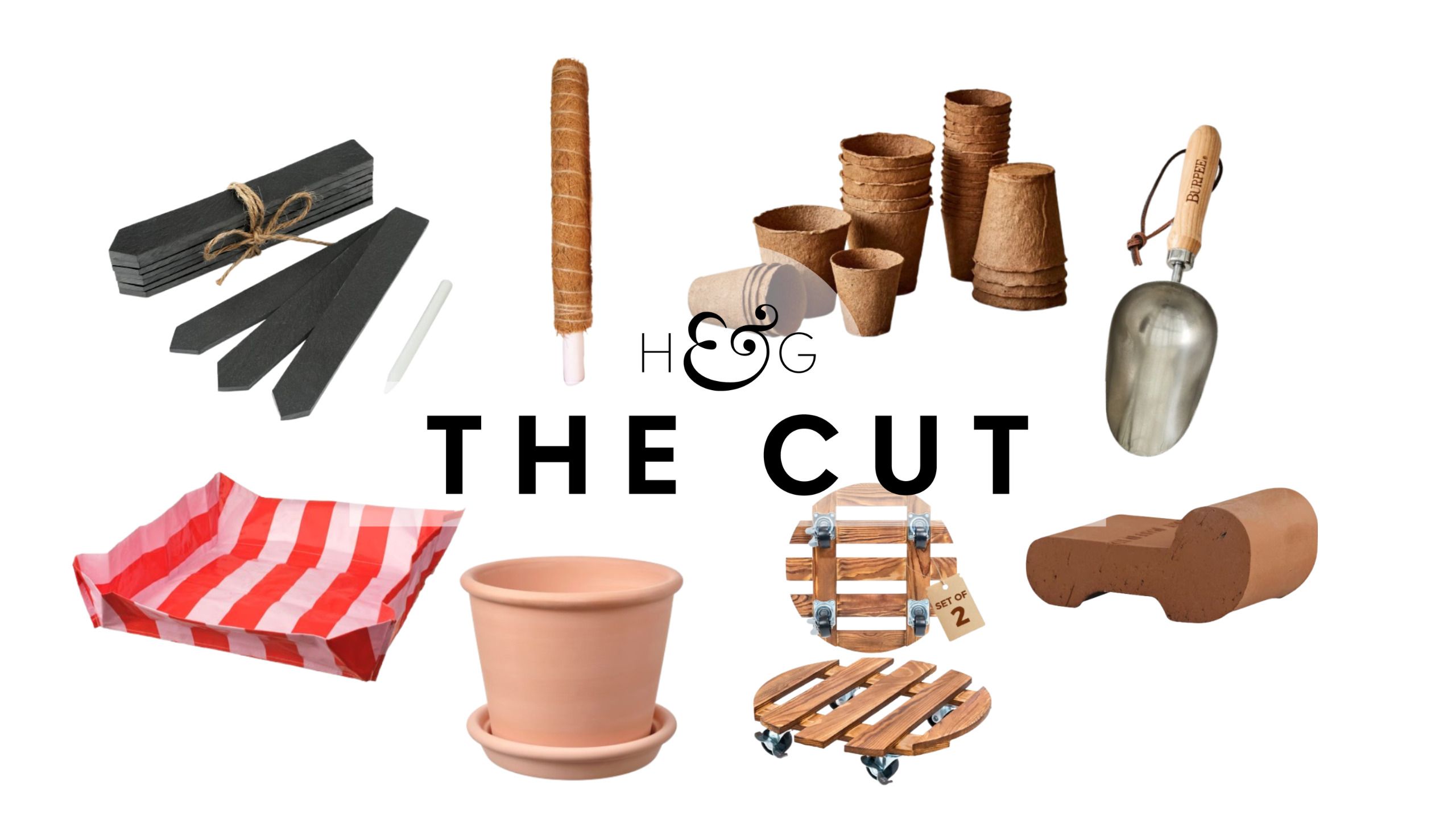
- Workspace Containment: Mess is the primary deterrent for indoor or patio potting sessions. Waterproof, foldable potting mats with raised corners serve as collapsible barriers, capturing rogue soil and allowing excess dirt to be effortlessly funneled back into storage bags. For larger projects, dedicated potting benches provide elevated, organized work surfaces.
- Pot Mobility: Heavy autumn rains and shifting seasonal sunlight angles often require pots to be relocated. Plant caddies equipped with heavy-duty locking wheels allow gardeners to glide massive ceramic or wooden containers across patios and decks without risking structural injury or strained muscles.
- Moisture Optimization: As temperatures drop, over-watering becomes a silent killer for potted plants. Integrating drainage inserts and self-watering terracotta spikes ensures that root systems receive adequate oxygen while protecting against root rot and dehydration.
Chronology: The Seasonal Lifecycle of Container Maintenance
Understanding when and how to execute container care ensures optimal plant health throughout the shifting seasons. The autumn gardening timeline follows a distinct operational flow:
Late Summer to Early Fall: The Transition Phase
As summer annuals fade, gardeners begin evaluating their containers. This is the ideal window to assess root crowding in houseplants and outdoor pots alike. Gardeners utilize soil test kits to evaluate nutrient depletion and pH levels in existing container soil, determining whether it can be replenished or must be completely replaced.
Mid-Fall: The Planting and Repotting Window
With the workspace secured—often utilizing a portable potting mat or a dedicated workstation—gardeners empty, clean, and refresh containers. Fall-specific flora, such as chrysanthemums, pansies, and ornamental kales, are potted alongside drainage inserts. Simultaneously, spring bulbs (tulips, daffodils, and crocuses) are layered into deep containers for overwintering.
Late Autumn to Winter: Protection and Mobility
As frost threats loom, sensitive container plants must be moved to sheltered porches or brought indoors entirely. Plant caddies and heavy-duty casters become essential during this phase, enabling gardeners to effortlessly shift heavy setups away from freezing northern winds and toward optimal sunlight zones.
Supporting Data: The Logistics of Efficient Potting Gear
To quantify the impact of proper gardening accessories, industry observations highlight how ergonomic design directly influences gardening frequency and plant survival rates:
- Reduction of Soil Waste: Standard potting methods result in an estimated 10% to 15% loss of potting mix spilled onto surrounding surfaces. Potting mats with raised, snap-corner designs capture over 95% of stray soil, redirecting it back into active use.
- Physical Strain Mitigation: Lifting containers weighing over 30 pounds without mechanical assistance (such as plant caddies or lifting straps) accounts for a significant percentage of seasonal gardening-related lower back injuries.
- Root Rot Prevention: Over-saturation remains the leading cause of container plant failure during the damp autumn months. The use of elevated drainage inserts (such as plastic or resin pot lifts) increases oxygen flow to the root zone by up to 30%, drastically lowering mortality rates from fungal pathogens.
Horticultural Insights and Professional Perspectives
While casual gardeners often view potting as a straightforward matter of transferring soil and roots from one vessel to another, professionals emphasize that success lies in meticulous preparation and chemical-biological balance.
"There is a lot more to potting than simply placing a plant in a new container," notes top gardening specialists. Quality control begins at the microscopic level. Utilizing a dedicated soil test kit prior to planting reveals crucial macronutrient deficiencies and exact pH readings, allowing growers to amend old container soil rather than needlessly discarding it.
Furthermore, professional garden designers continuously warn against common pitfalls, such as grouping plants with vastly disparate moisture and sunlight requirements into a single decorative container. When high-thirst summer survivors are paired with drought-tolerant succulents in the same pot, failure is virtually guaranteed—regardless of how expensive the container or accessory might be.
Implications: Elevating Your Gardening Routine
The integration of thoughtful accessories into your fall gardening routine carries far-reaching implications for both the gardener and the environment.
1. Environmental Sustainability through Soil Conservation
By utilizing specialized funnelling mats and conducting routine soil tests to replenish exhausted medium rather than tossing it out, gardeners significantly reduce waste. Reusing and amending container soil preserves peat bogs and decreases the carbon footprint associated with constantly purchasing bagged commercial soil mixes.
2. Enhanced Accessibility and Inclusivity
Gardening should be a lifelong, accessible hobby. Physical limitations, arthritis, and back sensitivity often force older or disabled individuals to abandon container gardening. The advent of ergonomic potting benches, waist-height tables, and rolling plant caddies democratizes the craft, ensuring that enthusiasts of all physical abilities can continue nurturing their spaces.
3. Long-Term Plant Viability
The minor financial investment in drainage inserts, moisture-monitoring spikes, and reliable plant labels pays dividends in plant longevity. Proper labeling prevents care confusion during winter dormancy, while engineered drainage safeguards precious perennials against seasonal root rot.
Ultimately, equipping your garden shed with these 16 essential potting accessories transforms a messy, physically taxing chore into an organized, joyful ritual. Whether you are curating a sprawling outdoor patio display or tending to delicate indoor botanical collections this autumn, the right tools ensure your plants—and your patience—flourish.
