

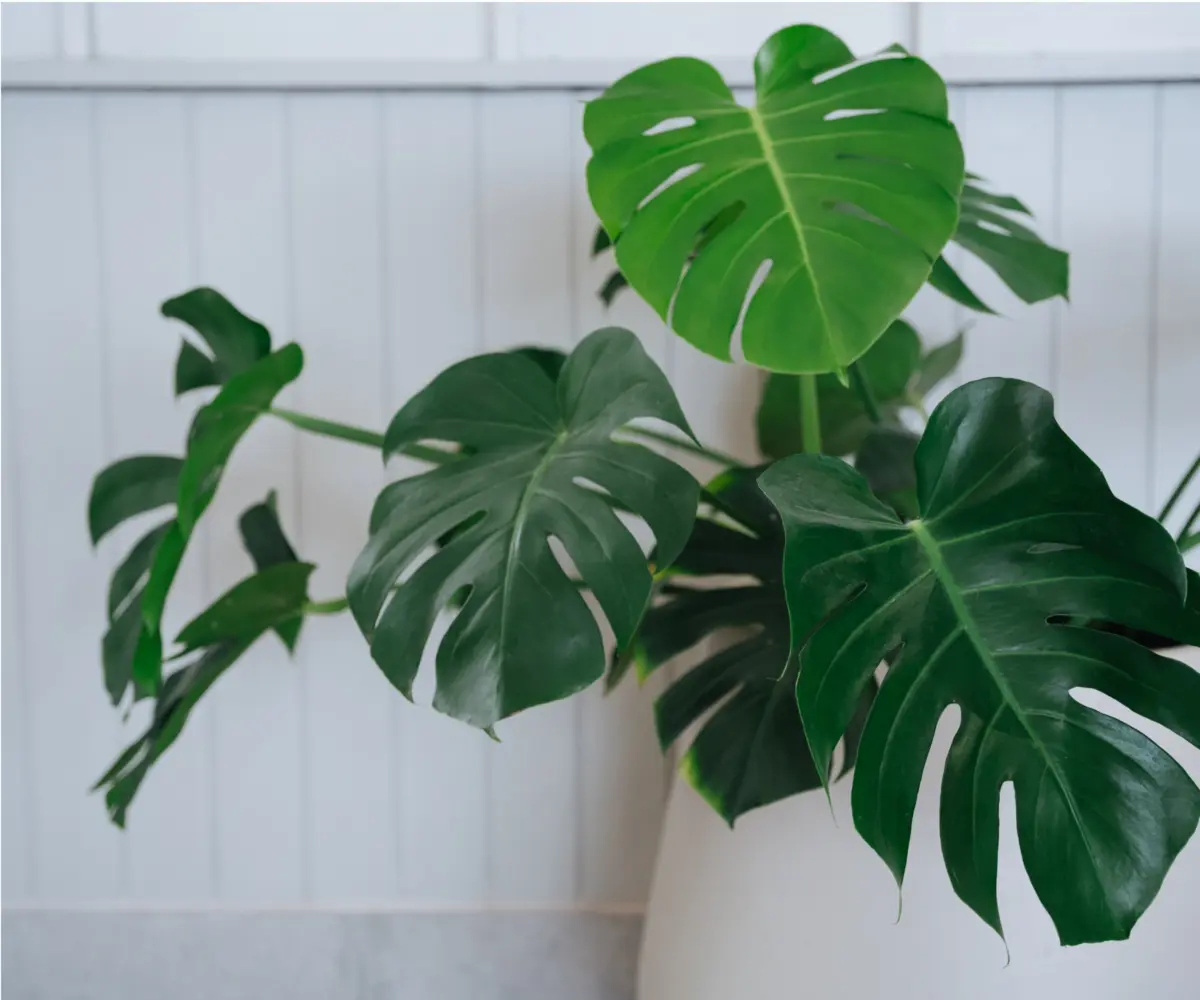
As the vibrant energy of summer gives way to the crisp, cooler breezes of autumn, indoor gardeners must turn their attention to a seasonal shift. For many plant enthusiasts, the crown jewel of the indoor jungle is the Monstera deliciosa. Towering over surrounding flora with its iconic, fenestrated leaves, this tropical statement piece requires meticulous attention to maintain its glossy, robust appearance.
Transitioning a tropical plant from the long, sun-drenched days of summer into the shorter, dimmer days of autumn requires a delicate touch. Sudden environmental fluctuations—such as drops in ambient temperature, shifting humidity levels, and altered moisture retention in the soil—can trigger dramatic reactions. Drooping stems, yellowing foliage, and stunted growth are common stress responses if proactive measures are not taken.
To help houseplant owners navigate this crucial seasonal transition, we consulted houseplant expert Rosalin Ortega, founder of the online plant shop All About Planties. Drawing on professional horticultural insights, this guide outlines the five essential tasks every plant parent should complete this September to ensure their Monstera thrives year-round.
1. Clean Your Monstera’s Foliage
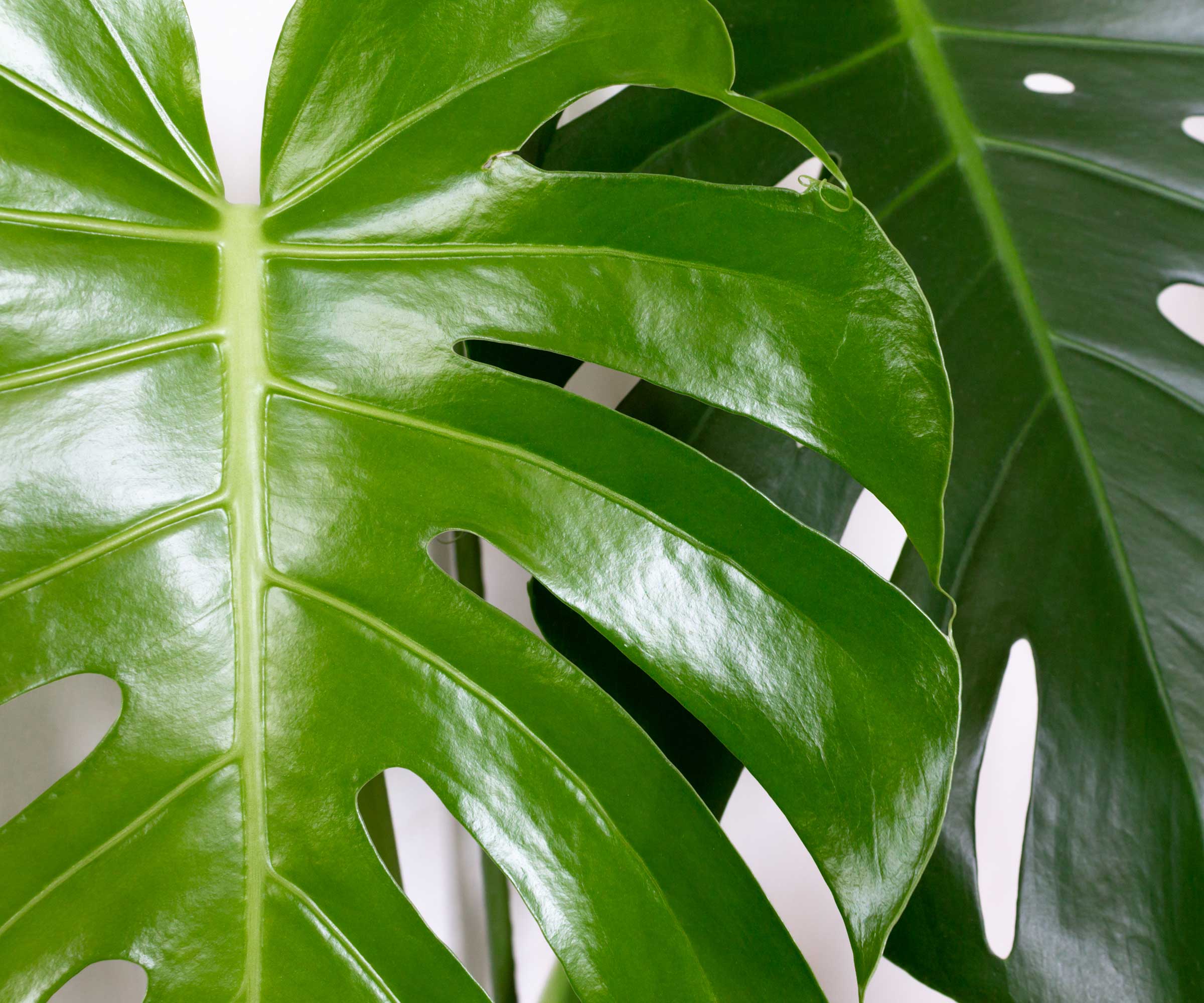
The very feature that makes the Monstera deliciosa so captivating—its massive, perforated leaves—also makes it a magnet for airborne dust. Over the course of summer, open windows, circulating ceiling fans, and indoor foot traffic combine to deposit a fine layer of particulate matter across broad leaf surfaces.
Leaving this dust layer unchecked can spell trouble for your plant. A thick accumulation of dust blocks the plant’s stomata (pores), severely hindering photosynthesis and leaving the foliage looking dull and tired.

"September is a good time to clean the leaves, especially after a summer of open windows, fans, or extra dust in the home," explains Rosalin Ortega.
To restore your plant’s glossy sheen, Ortega recommends a gentle approach: "I recommend gently wiping each leaf with a soft, damp cloth while supporting it from underneath. I also like to add a small amount of diluted neem oil, which helps remove build-up and can help discourage common pests."
For a quick and efficient dusting routine, many indoor gardeners utilize specialized tools like soft microfiber houseplant dusting gloves, which allow you to wipe down massive leaves in a single, sweeping motion.
2. Adjust and Reduce Watering Schedules
One of the most pervasive pitfalls in indoor horticulture is maintaining a rigid, year-round watering schedule. Houseplants do not consume water at a constant rate; their hydration needs fluctuate dynamically in response to changing seasons, temperature drops, and daylight hours.
As September brings cooler ambient temperatures and shorter days, the soil in your Monstera’s pot will retain moisture for significantly longer periods. Continuing a high-frequency summer watering regimen during this period is a recipe for disaster.
"As the days become shorter and temperatures begin to cool, the soil may take longer to dry. This usually means the Monstera will need water less often than it did during summer," notes Ortega. "I suggest checking the soil before watering and waiting until the top two inches feel dry. The important thing is to follow the soil rather than continuing with the same summer schedule."
To take the guesswork out of watering, many experts rely on a soil moisture meter. Inserting the metal probe deep into the pot provides an instant, accurate reading of root-zone moisture levels, ensuring you only pick up the watering can when the plant truly needs it.
The Danger of Overwatering: Ignoring these seasonal cues and overwatering your Monstera in the fall can quickly lead to anaerobic soil conditions. This is the primary driver of houseplant root rot, which manifests as yellowing leaves, mushy stems, and, if left untreated, the eventual death of the plant.
3. Stop or Scale Back Fertilizing
During the spring and summer growing seasons, Monsteras consume vast amounts of nutrients to fuel their rapid, dramatic expansion. However, as autumn arrives, the plant’s natural growth cycle slows down drastically.
A common beginner mistake is continuing to apply high-strength fertilizers into the fall and winter months. When a plant’s metabolic rate slows down, it cannot process excess nutrients. Pouring fertilizer onto dormant or semi-dormant roots can result in nutrient burn, oversaturated soil chemistry, and weak, spindly growth that is poorly equipped to handle darker, cooler days.

"If the Monstera is still actively producing new leaves, it can continue receiving a light feeding in September. I prefer a balanced houseplant fertilizer at half strength," advises Ortega. "However, if growth has started to slow, you can reduce the frequency or stop fertilizing until spring. There is no need to force new growth when the plant is naturally beginning to slow down."
If your plant has ceased producing new foliage, put away the general-purpose plant food entirely. You can resume a specialized Monstera-specific fertilizer routine once spring returns.
4. Relocate Your Monstera to a Brighter Location
In their native rainforest habitats of Central and South America, Monstera deliciosa specimens grow beneath dense tree canopies, receiving dappled, filtered sunlight. While this adaptation allows them to tolerate lower-light conditions indoors, they unquestionably perform best when provided with bright, indirect light.
As September progresses and daylight hours visibly diminish, indoor light levels drop precipitously. A spot that felt adequately bright in July may transform into a gloomy corner by October. If left in a dim location, your Monstera may begin to stretch, lean awkwardly toward the light source, or produce significantly smaller leaves with fewer fenestrations.
"A spot that provided enough light in summer may become too dim as the days get shorter. If the Monstera begins leaning, stretching, or producing smaller leaves, I recommend moving it a little closer to a bright window," says Ortega.
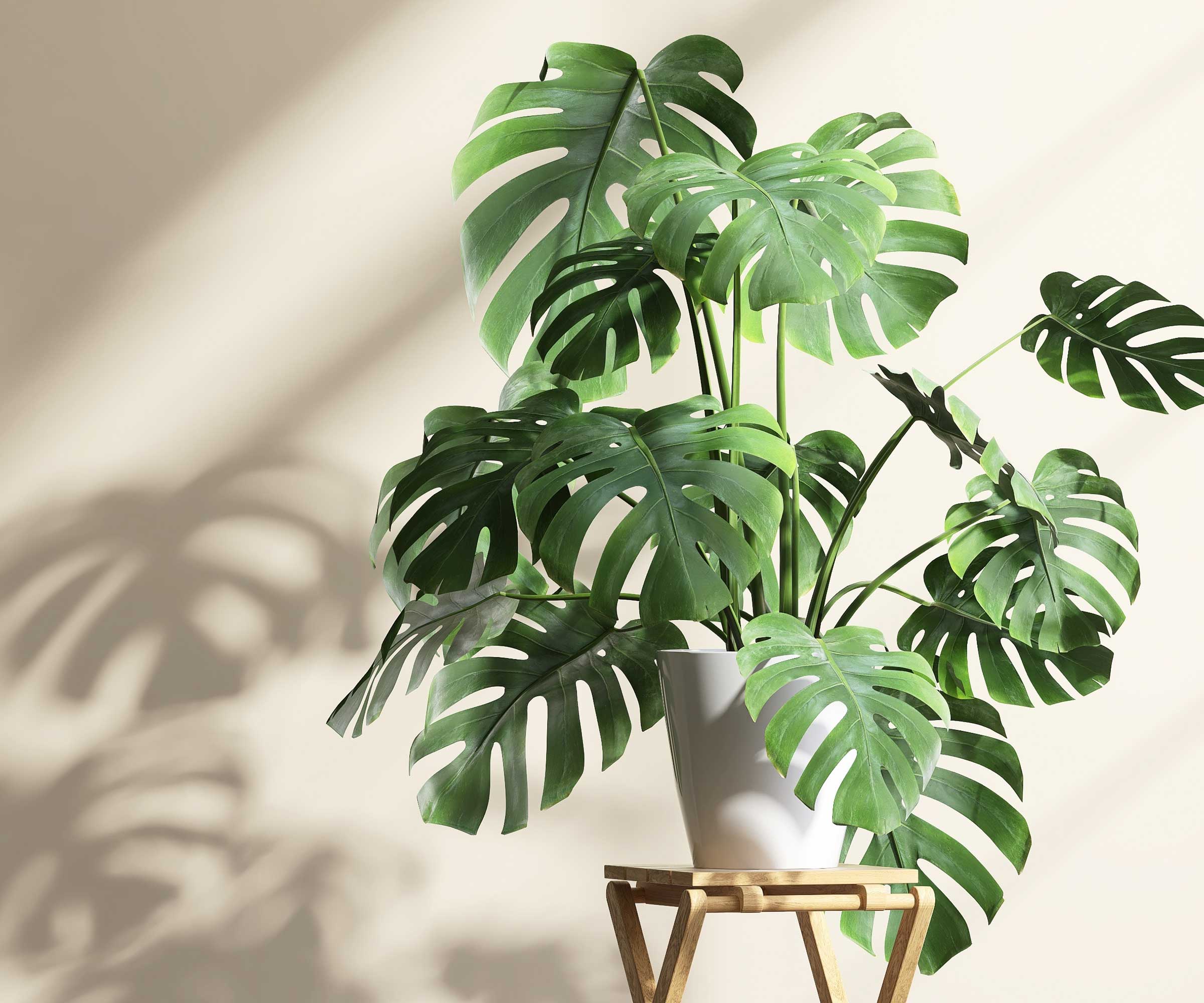
When relocating your plant, remember to make the shift gradually to prevent environmental shock. Always protect the foliage from harsh, direct afternoon sun, which can easily scorch delicate green tissue, causing unsightly brown, crispy patches known as leaf scorch.
If your home lacks naturally bright spaces during the autumn and winter months, supplementing with a full-spectrum LED grow light on a timer is an effective solution. Additionally, rotating your potted Monstera 90 degrees every week or two ensures all sides receive equal light exposure, encouraging a balanced, symmetrical silhouette.
5. Remove Damaged or Diseased Foliage
Summer can be harsh on indoor plants. Between accidental bumps, direct sun exposure near open windows, and occasional pest pressures, your Monstera may enter September carrying some battle scars. Leaves that have suffered from scorch, fungal leaf spots, or discoloration caused by previous watering mishaps will not regenerate.
Instead of helping the plant, these damaged leaves act as a drain on the Monstera’s stored energy resources. September, with its milder transition temperatures, offers an ideal window to prune away this dead weight.
Using clean, sterilized pruning shears or sharp gardening scissors, cut the damaged leaves off cleanly near the base of the main stem.
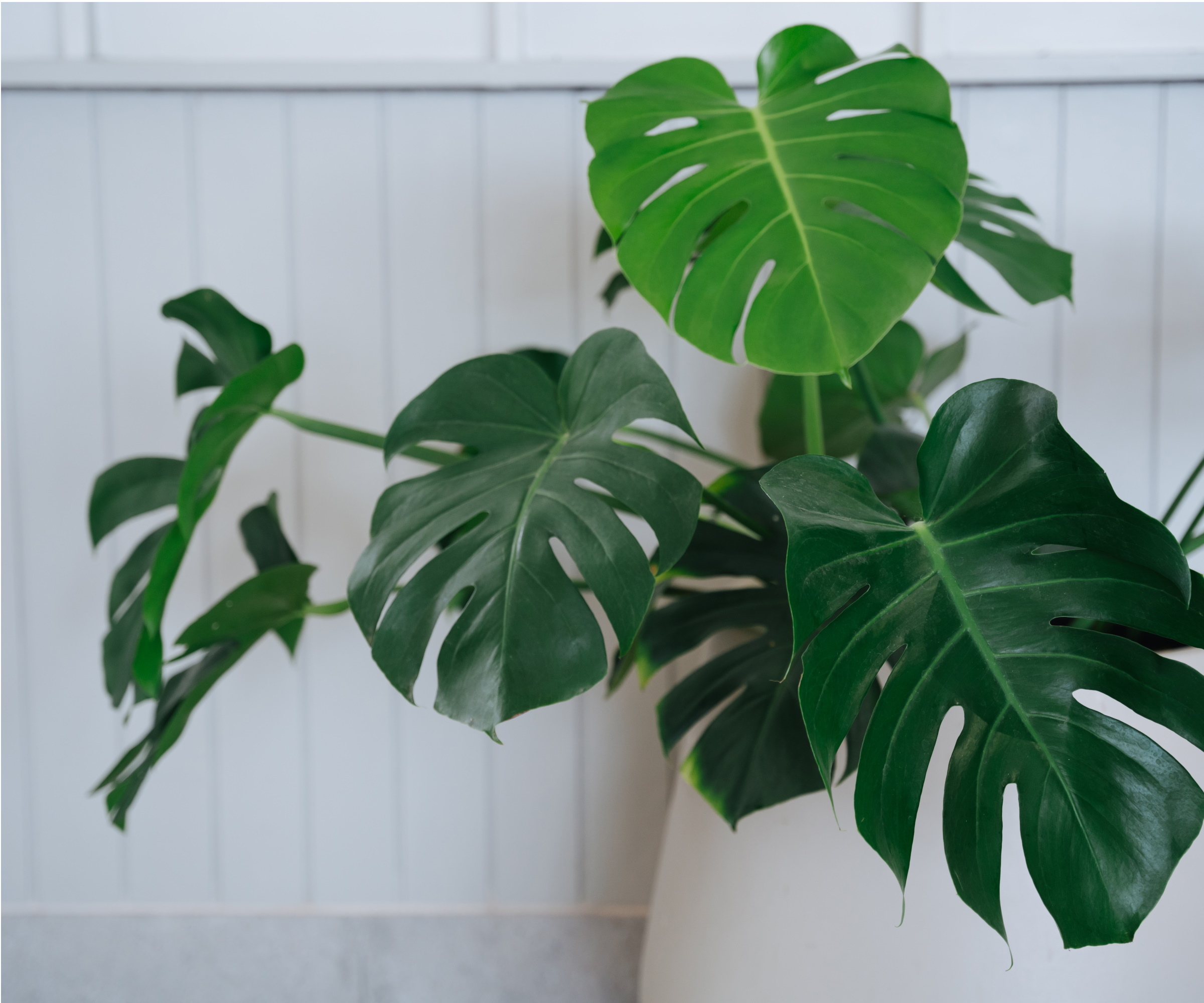
"Take care not to prune more than one-third of the plant, as this can cause shock and result in more stress symptoms," warns Ortega. "Likewise, clean your tools afterwards to prevent the risk of pests and diseases spreading."
Pruning away weakened foliage also serves a dual protective purpose: it deters opportunistic houseplant pests, such as spider mites and thrips, which frequently experience population surges indoors as the heating goes on during the colder months.
Essential Autumn Shopping Checklist for Monstera Owners
As you prepare your indoor garden for the seasonal flip, having the right tools on hand can make all the difference:
- For Training & Support: If your Monstera has outgrown its current configuration, consider introducing a bendable moss pole or coir stake to train an overgrown plant and encourage upward, vertical growth.
- For Pest Prevention & Cleaning: Keep a bottle of ready-to-use neem oil spray and soft microfiber dusting gloves nearby to keep leaves immaculate and pest-free.
- For Precision Care: Invest in a reliable soil moisture meter and a digital-timer grow light to maintain optimal environmental parameters throughout the dim winter months.
By tuning into your Monstera’s changing needs this September, you will safeguard your prized specimen against seasonal stress and set the stage for a spectacular burst of growth when spring finally returns.
