

Main Facts: The Spectacular Rise of Callicarpa
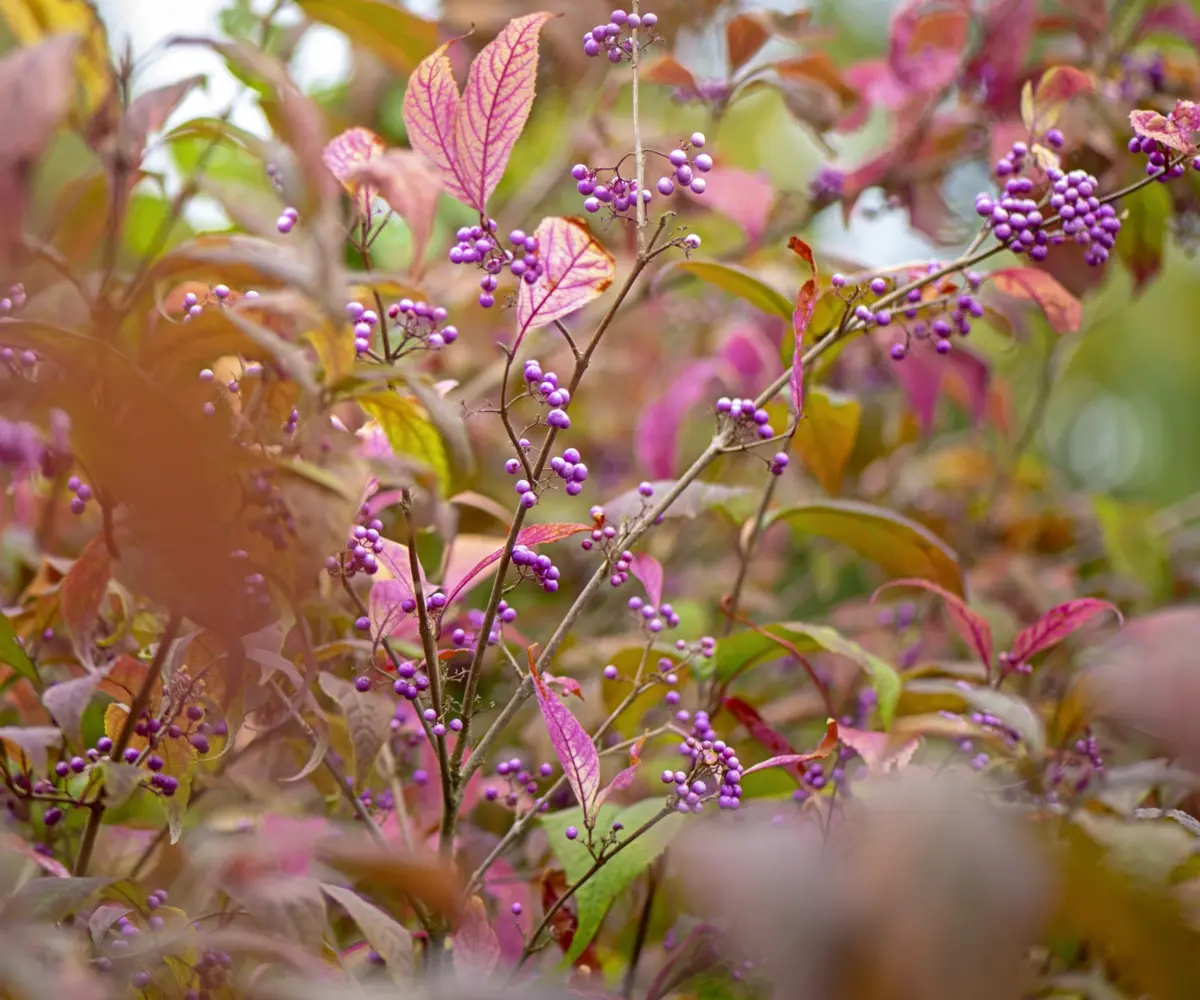
For much of the spring and early summer, the deciduous shrub known as the beautyberry (Callicarpa) remains a quiet, unassuming backdrop in the landscape. Sporting bold green leaves that gradually shift into brilliant shades of autumn gold, it easily goes unnoticed during the height of the growing season. However, once midsummer arrives, delicate clusters of tiny pink blossoms emerge, hinting at the horticultural spectacle to come.
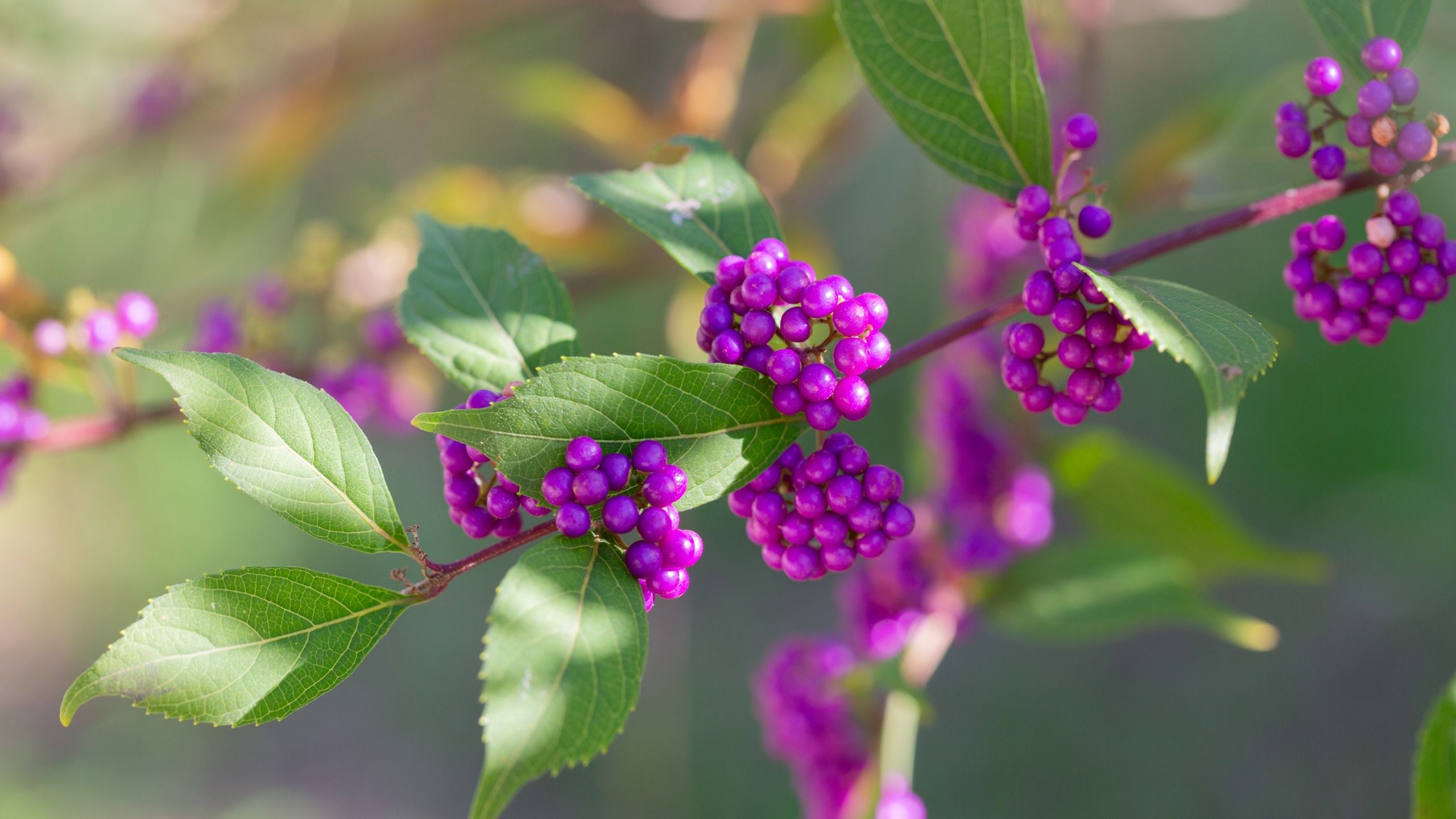
By September, the true magic of the plant reveals itself. The shrub erupts into dense, glistening clusters of vibrant violet, purple, or snow-white berries that illuminate fading garden borders just as the rest of the landscape begins to prepare for winter dormancy.
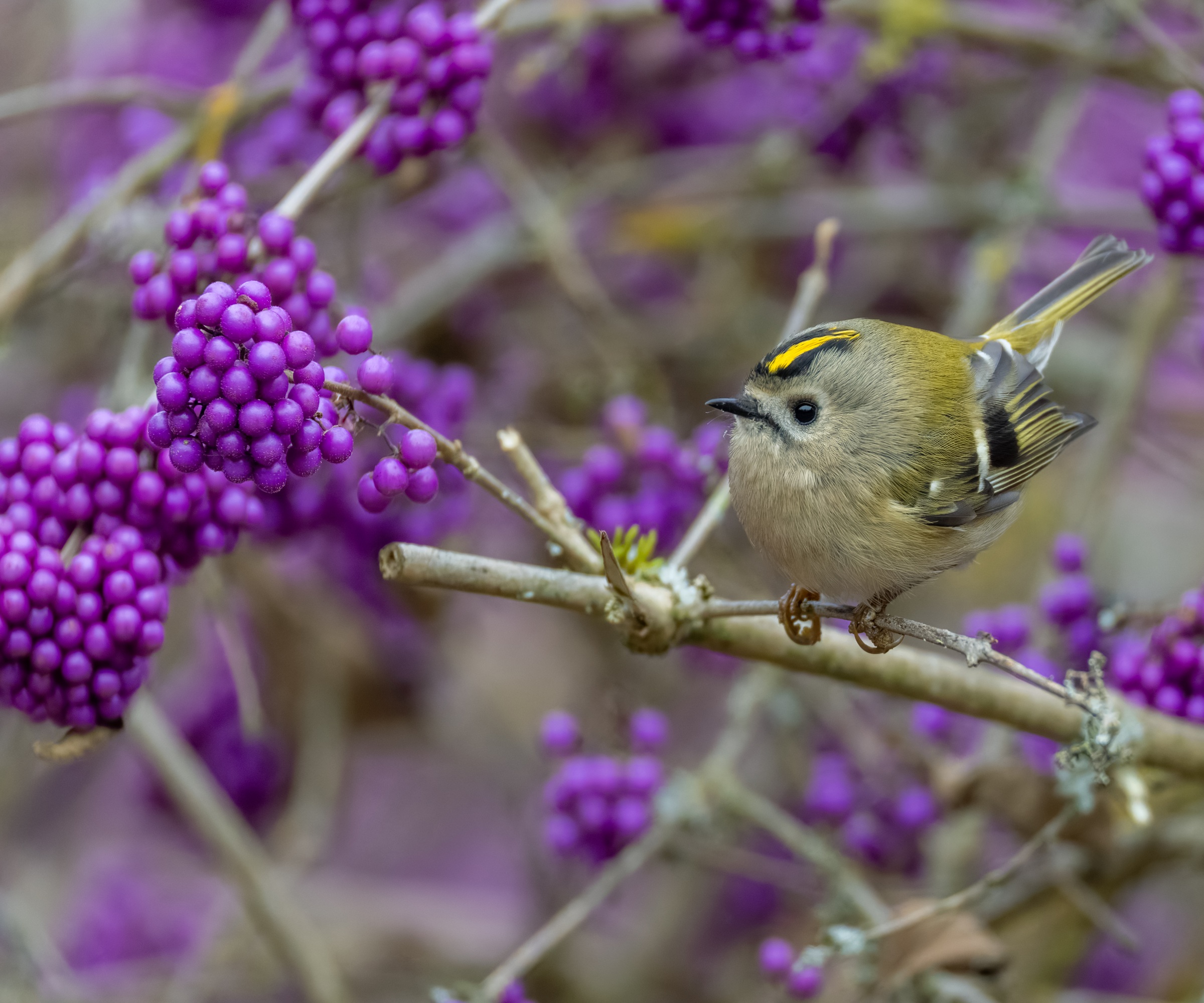
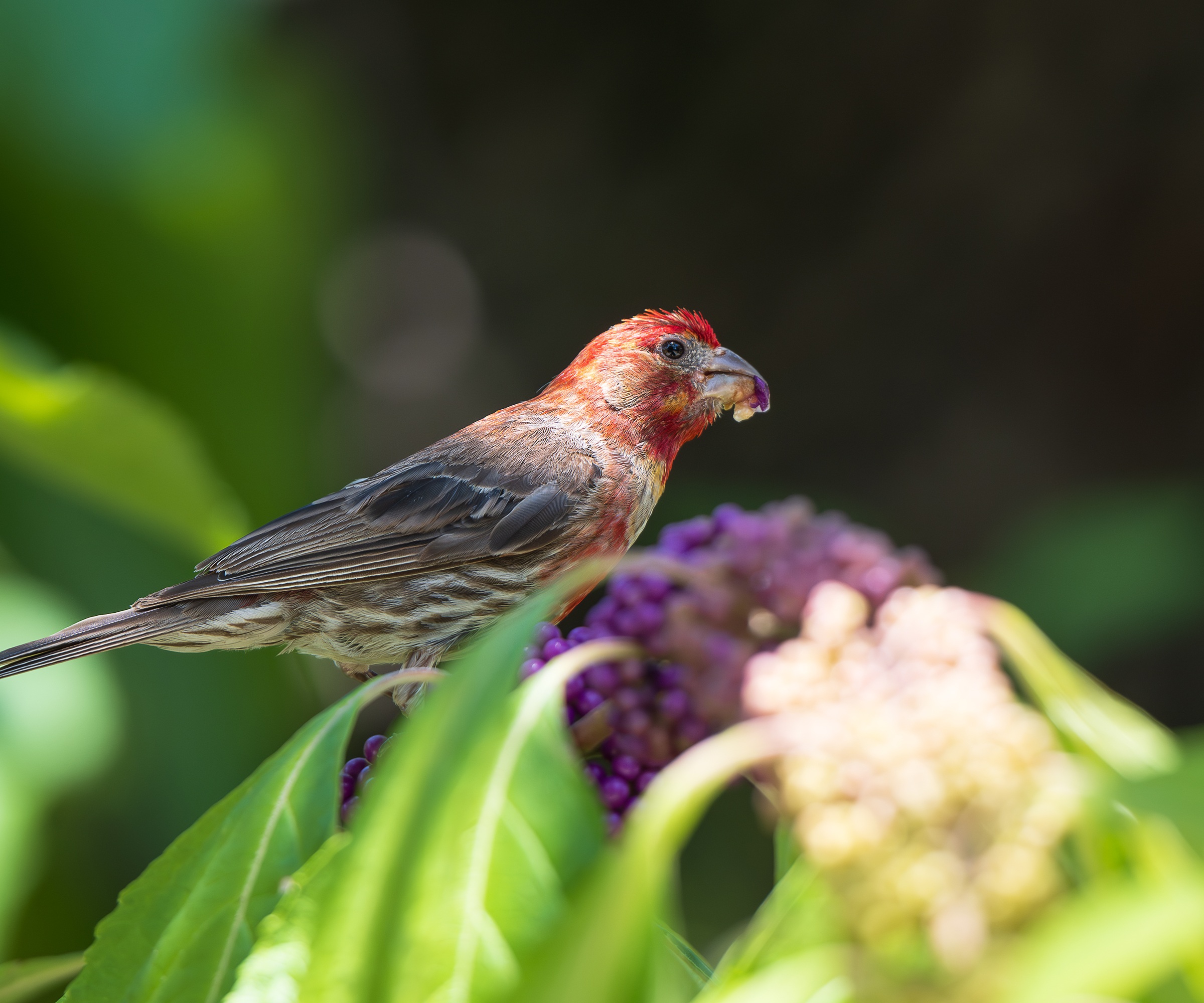
Beyond its undeniable aesthetic appeal, the beautyberry has quickly become a cornerstone of modern ecological landscaping. Horticultural experts and wildlife conservationists alike champion the shrub as a vital tool for "foodscaping"—the practice of integrating ornamental plants that simultaneously provide sustenance for local fauna. From native songbirds and migratory flocks to small mammals, the rich fruit serves as an essential lifeline during naturally lean months of the year.
Available in a wide range of popular cultivars—such as the mood-foliaged ‘Pearl Glam’, the pristine white-berried ‘Snow Star’, and the ultra-prolific ‘Plump and Plentiful Amethyst’—this versatile shrub bridges the gap between high-end landscape design and sustainable, wildlife-friendly gardening.
Chronology: From Woodland Edge to the Suburban Backyard
The journey of the beautyberry from a wild, native understory plant to a cultivated garden favorite spans centuries of ecological adaptation and botanical discovery.
- Pre-Columbian and Early Native Era: Historically, native species like Callicarpa americana (American beautyberry) thrived naturally along the edges of eastern and southeastern woodlands, on top of rocky bluffs, and across damp forest slopes. Indigenous populations and regional wildlife long utilized the plant, recognizing its unique ecological niche.
- Late 20th Century Horticultural Expansion: As the movement toward native plant landscaping gained momentum, horticulturists began collecting, breeding, and stabilizing regional varieties. Gardeners realized that while Southeastern native species excelled in warmer climates, Asian counterparts like Callicarpa dichotoma (Purple beautyberry) offered superior cold hardiness for northern zones.
- The Modern "Foodscaping" Era: In recent years, environmental shifts and a growing consumer focus on biodiversity have propelled the beautyberry into the mainstream. Rather than separating ornamental gardens from natural habitats, homeowners increasingly demand multi-functional plants. Cultivars bred for heavier berry yields and striking foliage—such as Proven Winners’ ‘Pearl Glam’—have transformed the shrub from a regional secret into a globally recognized design staple.
Supporting Data: Specifications, Hardiness, and Varieties
Selecting the right beautyberry requires careful consideration of local climate zones, soil requirements, and spatial limitations. Botanical data outlines distinct differences between the primary species and their standout cultivars:
1. American Beautyberry (Callicarpa americana)
- Native Region: Southeastern United States and the Mid-Atlantic.
- Hardiness Zones: USDA Zones 6 through 10. Prefers long, warm growing seasons.
- Dimensions: Reaches heights of 36 to 48 inches (91–122 cm) with a generous spread of 48 to 72 inches (122–183 cm).
- Environmental Preference: Thrives in direct sunlight but demonstrates high tolerance for partial or dappled shade. Prefers rich, moist, but well-draining soils.
2. Purple Beautyberry (Callicarpa dichotoma)
- Native Region: Southeast Asia.
- Hardiness Zones: Hardy down to USDA Zone 5, making it ideal for northern gardeners.
- Dimensions: Typically smaller and more rounded, growing 24 to 48 inches (61–122 cm) tall and 36 to 60 inches (91–152 cm) wide.
- Notable Cultivars:
- ‘Early Amethyst’: Ripens its fruit a full month earlier than standard varieties, giving migrating birds an early-season food boost.
- ‘Plump and Plentiful Amethyst’: Specifically bred to produce heavier, more densely packed berry clusters for maximum visual and ecological impact.
3. Specialty Cultivars for Modern Landscapes
- ‘Pearl Glam’ (Callicarpa): Celebrated for its striking, moody dark-purple foliage that contrasts sharply against bright violet berries. Available through specialty nurseries like Nature Hills and Plant Addicts.
- ‘Snow Star’: A unique white-berried variant distributed by Park Seed, offering a striking monochromatic alternative to traditional purple fruit.
Official Perspectives: Insights from Master Gardeners and Habitat Experts
Industry leaders and ecological specialists emphasize that integrating beautyberry into a yard yields benefits that extend far beyond simple curb appeal.
Tabar Gifford, Partnership Cultivator at American Meadows and High Country Gardens, stresses the importance of matching the plant to the region. "Beautyberry is a plant where ‘which one’ matters as much as ‘which zone,’" Gifford explains. For wildlife gardens, she advocates for straight species like Callicarpa americana: "These plants retain the natural traits and genetic diversity of the species, making them better suited to the wildlife and conditions of their region."
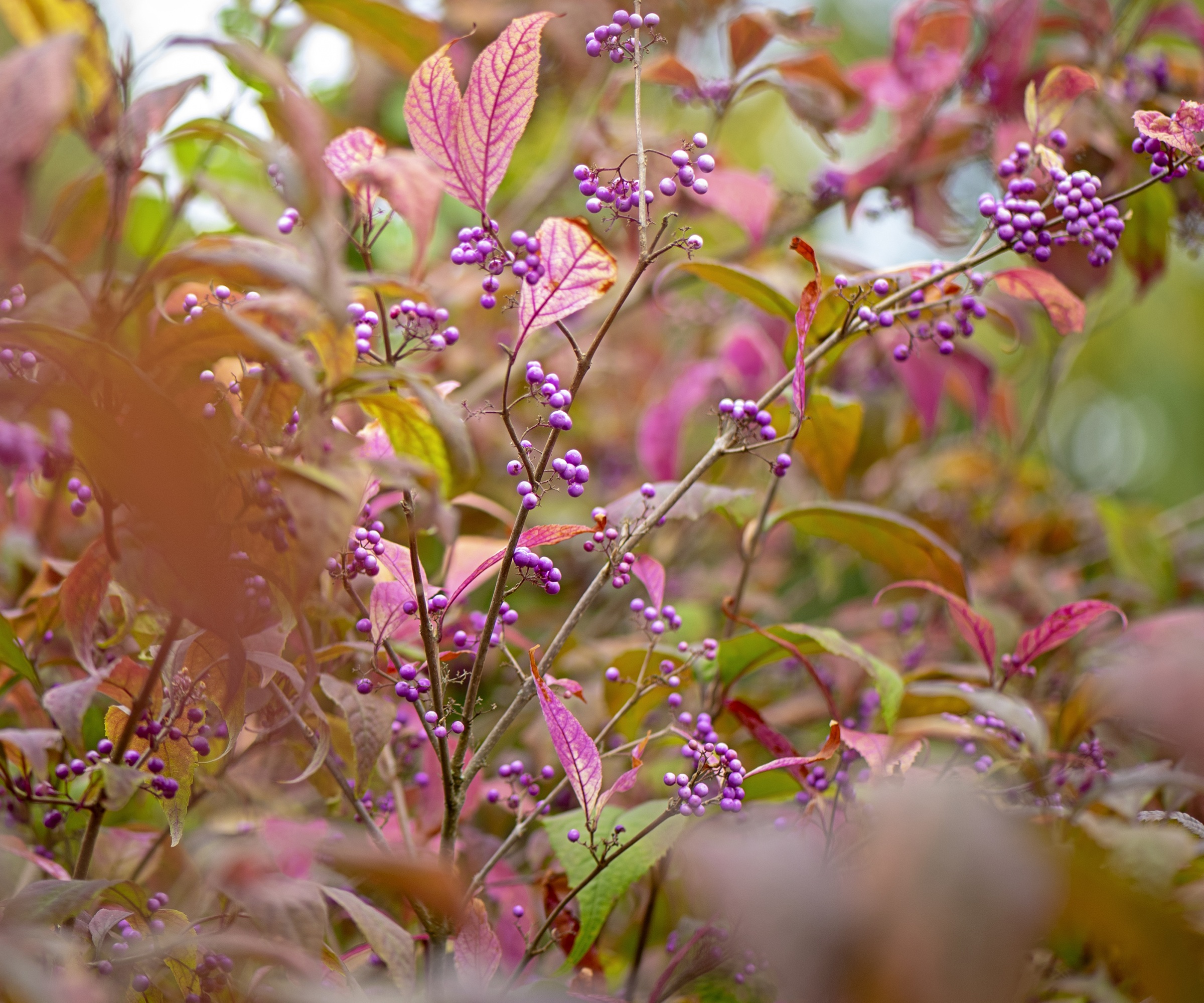
Furthermore, Gifford points out that avian species are not the only beneficiaries. "Small mammals rely on these plants too," she notes, highlighting how the dense branching structure also provides essential shelter from predators and harsh winter weather.
Tess Renusch, a lead native plant habitat expert at the National Wildlife Federation, champions the integration of beautyberry into broader, layered garden ecosystems. She recommends planting beautyberries in groups of three or five to encourage optimal cross-pollination and maximize the fall fruiting display.

"Beautyberry works well in a mixed shrub border or understory planting and can be paired with other native shrubs and flowering plants that provide food and cover at different times of year," Renusch advises. She suggests pairing them with native viburnums (such as ‘Brandywine’) and serviceberries to secure a continuous food supply for birds, alongside native perennials like coneflowers, black-eyed Susan, and milkweed to support seasonal pollinators and beneficial insects.
Implications: The Shift Toward Ecological and Sustainable Landscaping
The surging popularity of the beautyberry is symptomatic of a much larger, systemic shift in contemporary landscaping and horticulture. For decades, residential garden design prioritized rigid aesthetic perfection—lawns and ornamental plants chosen strictly for visual symmetry, often requiring heavy inputs of chemical fertilizers, pesticides, and supplemental irrigation while offering little to no ecological value.

The rise of shrubs like Callicarpa signals a cultural pivot toward functional ecology. As natural habitats face increasing fragmentation due to urban sprawl, suburban and urban yards represent a massive, untapped network of potential wildlife corridors. By incorporating native and adaptable berried shrubs, everyday gardeners are actively participating in regional conservation efforts.
Key Environmental Impacts:
- Mitigating Habitat Loss: Providing reliable food sources for migratory birds helps offset the destruction of wild feeding grounds along traditional flyways.
- Promoting Chemical-Free Gardens: Because species like the American beautyberry are naturally robust and well-adapted to regional pests, they require minimal chemical intervention, protecting local pollinators and watershed health.
- Climate Resilience: Selecting regionally appropriate cultivars (such as utilizing C. dichotoma in northern zones and C. americana in the South) ensures lower water dependency and long-term plant survival amid shifting weather patterns.
Ultimately, the beautyberry proves that gardeners do not have to choose between a visually stunning landscape and a ecologically responsible one. By welcoming this vibrant fall showstopper into mixed borders and wildlife sanctuaries, growers secure a brilliant splash of seasonal color while simultaneously nurturing the fragile ecosystems right outside their windows.
