LOS ANGELES — As the calendar turns and the lazy afternoons of summer gradually yield to the crisp breeze of autumn, backyard design undergoes a fundamental shift. Millions of homeowners across the country begin the bittersweet ritual of pulling heavy-duty vinyl covers over their swimming pools, packing away seasonal loungers, and resigning their backyards to months of dormancy. But according to interior design experts and a surprising blast from the past, this seasonal abandonment of outdoor living spaces is entirely unnecessary.
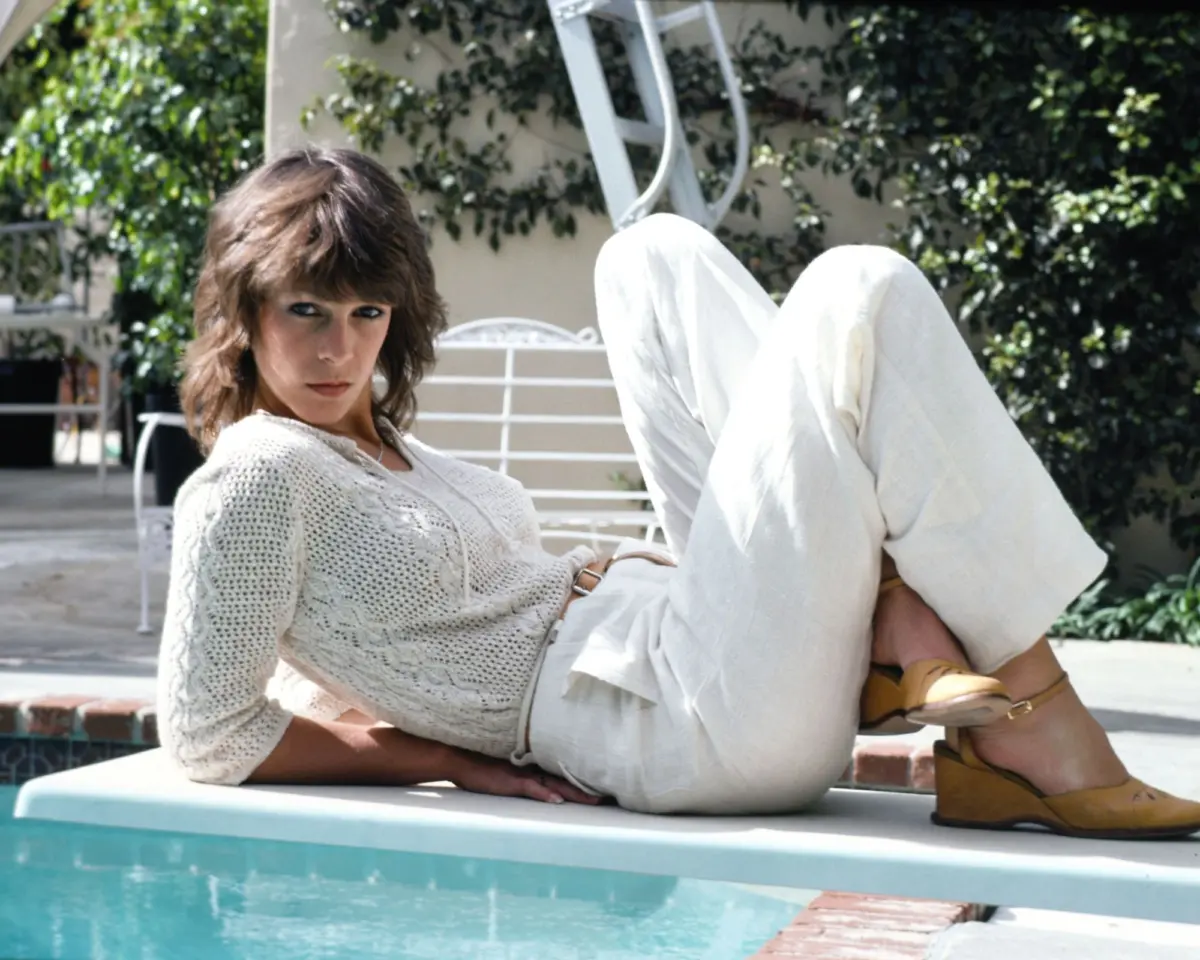
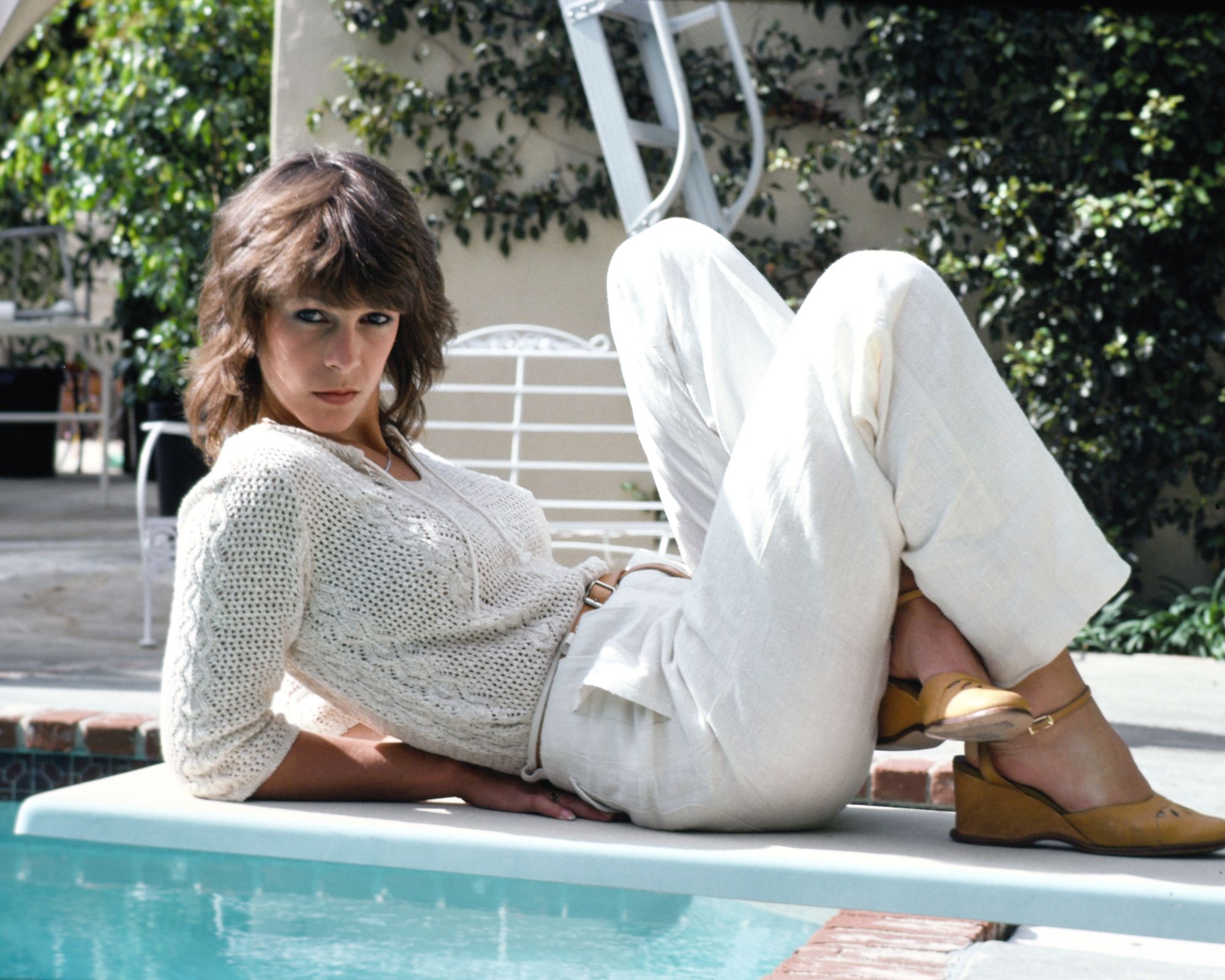
For definitive proof of a yard that thrives long after the pool is closed, interior enthusiasts need look no further than a newly resurfaced vintage photoshoot capturing Hollywood icon Jamie Lee Curtis at her Los Angeles apartment in 1978.
Long before she became an Oscar-winning powerhouse, a young Curtis was captured lounging effortlessly on a diving board, her casual cool matched only by the remarkably enduring design of her outdoor surroundings. Decades later, the architectural and landscape choices captured in those frames offer a masterclass in year-round exterior styling—proving that white wrought iron furniture, lush greenery, and subtle terracotta accents create a sophisticated sanctuary that looks just as breathtaking in the dead of winter as it does in the peak of July.
Main Facts: Deconstructing the 1978 Curtis Aesthetic
The newly highlighted archival photographs showcase a distinct blend of classic California ease and European-inspired romanticism. At the center of the visual narrative is Curtis herself, relaxed by the water’s edge, yet the true star of the composition is the meticulously layered background.
Several core design elements define this enduring aesthetic:
The Verdant Backdrop: Cream-colored exterior walls serve as a neutral, light-reflecting canvas, heavily populated by climbing vines, ivies, and leafy evergreens. This living wall guarantees structural color and texture regardless of the season.
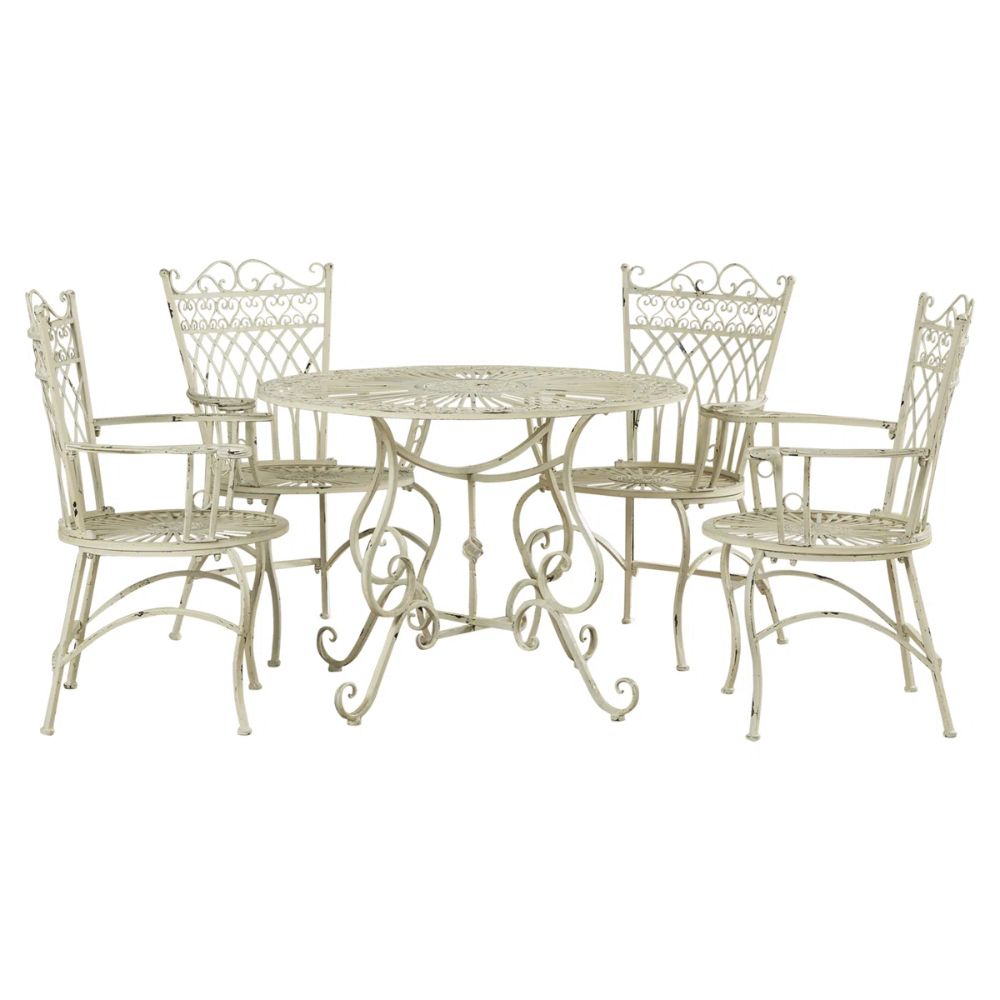
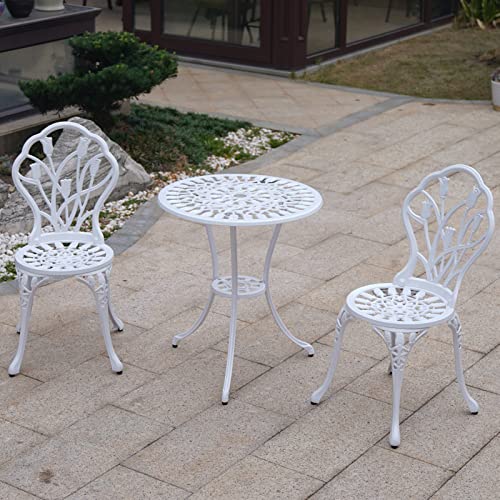
Intricate Wrought Iron: White, wrought-iron patio furniture introduces delicate, antique-style silhouettes that contrast sharply with the raw greenery, adding an element of timeless craftsmanship.
Earthy Terracotta Accents: Bricks framing the perimeter of the pool inject a warm, grounding terracotta tone, anchoring the brighter whites and greens of the courtyard.
Rather than relying on brightly colored plastic pool accessories or hyper-modern minimalist lounges that look out of place once the water is drained, Curtis’s apartment courtyard utilized foundational architectural materials. The result is an outdoor living space that reads as an organic extension of the interior home—a true outdoor room.
Chronology: From Vintage Hollywood to the 2026 ‘Grandma Gardening’ Trend
To understand why a snapshot from 1978 is resonating so deeply with modern designers, one must look at the evolution of backyard culture over the last half-century.
The Late 1970s: The Era of Collected Casualness
In 1978, exterior design was moving away from the stark, futuristic plastics of the mid-century modern era and leaning toward a more romantic, Mediterranean-influenced revival. Courtyards, potted citrus trees, and ornate metalwork dominated upscale urban apartments and suburban homes alike. Curtis’s Los Angeles rental embodied this shift, prioritizing atmosphere and texture over stark utility.
The Decades of Trend Fatigue
Through the 1990s and 2000s, outdoor design frequently fell victim to hyper-seasonal cycles. Homeowners invested heavily in flimsy, resin-based furniture meant to be used exclusively during summer and stored in dark garages during winter. Pools became isolated focal points rather than integrated landscape features, leaving backyards looking desolate and neglected during the colder months.
The 2026 Resurgence: Nostalgia Meets Durability
Fast-forward to the present day, and consumer habits have shifted dramatically. Driven by a collective cultural desire for sustainability, craftsmanship, and nostalgia—exemplified by viral movements like the "grandma gardening" trend and cottagecore aesthetics—homeowners are increasingly looking backward to find solutions for modern living spaces. The realization that quality pieces from eras past could weather decades of changing styles has sparked a massive retail revival for wrought iron, cast aluminum, and authentic masonry.
Supporting Data and Market Insights: Investing in Year-Round Appeal
The timing of the archival resurfacing aligns perfectly with the retail calendar. As summer winds down, the home and garden sector enters its back-to-school and late-season promotional window. Industry analysts note that this period offers the optimal economic opportunity to invest in high-end, weather-resistant outdoor furnishings that can withstand the elements 365 days a year.
According to home improvement market data, consumer spending on durable, multi-season outdoor goods has risen steadily. Homeowners are moving away from disposable, season-specific decor in favor of "investment pieces" that maintain their visual integrity even when snow, fallen leaves, or pool covers dominate the landscape.
Wrought iron and heavy-gauge cast aluminum are experiencing a massive commercial renaissance. Unlike lightweight synthetic materials that can crack in freezing temperatures or blow away in autumn gales, heavy metal frameworks maintain their silhouette and stability year-round. When paired with frost-resistant planters and evergreen plantings, these materials ensure that a patio or pool deck retains its architectural depth during the winter months.
Official Responses and Expert Perspectives
Industry leaders and professional designers are echoing the sentiment that outdoor spaces deserve the same year-round attention as indoor living rooms.
Naomi Bentley, a prominent design expert at the renowned outdoor furniture brand Charles Bentley, emphasizes that creating a captivating exterior does not require overcomplication.
"Creating an outdoor space that you love doesn’t have to be complicated," Bentley explains. "The right furniture provides the foundation; then it’s all about adding personal touches that reflect your style. Whether you’re entertaining friends or enjoying quiet moments with family, choosing a set that suits your garden is the first step towards creating a space you’ll want to use all year."
Bentley notes that vintage-inspired metal furniture is rapidly becoming a top choice for consumers leaning into cottage-inspired gardens and rustic aesthetics.
"I love how wrought iron-style furniture adds instant character, whether it’s on a patio, balcony, or tucked into a quiet corner of the garden," she says. "To complete the look, I’d pair it with wildflower-filled planters, climbing plants, or fragrant herbs to create a peaceful, nature-inspired setting."
Implications: The Shift Toward Intentional, Multi-Season Outdoor Living
The enduring appeal of Jamie Lee Curtis’s 1978 pool deck carries significant implications for modern real estate, architectural landscaping, and interior design philosophy.
1. The Death of the "Off-Season" Backyard
For too long, backyards have been treated as seasonal luxuries rather than permanent extensions of the home. By designing with structural permanence—utilizing evergreens, hardy vines, and substantial iron or stone furniture—homeowners can eliminate the dreary, neglected aesthetic that typically plagues properties between October and April.
2. Sustainability Through Timelessness
In an era of fast furniture and throwaway decor, the 1978 aesthetic serves as a functional rebuke of disposable consumerism. Wrought iron furniture, when properly maintained, can last for generations. Investing in durable, classic pieces reduces waste and ensures that a patio remains stylish across decades rather than fleeting micro-trends.
3. Blurring Indoor and Outside Boundaries
The ultimate takeaway from Curtis’s Los Angeles courtyard is the seamless integration of nature and architecture. Cream walls blanketed in ivy, coupled with the earthy warmth of terracotta and the delicate linework of white metal, prove that an outdoor space can possess just as much interior depth, warmth, and personality as a formal living room.
Recreating the Look at Home
For homeowners eager to channel the California cool of a 1970s Jamie Lee Curtis courtyard, design editors recommend focusing on a few key architectural swaps and additions:
Invest in Intricate Metalwork: Look for 5-piece dining sets or bistro collections finished in antique white or cream iron. Brands offering cast aluminum alternatives can provide the same visual weight and Victorian-style intricacy with added rust-resistance.
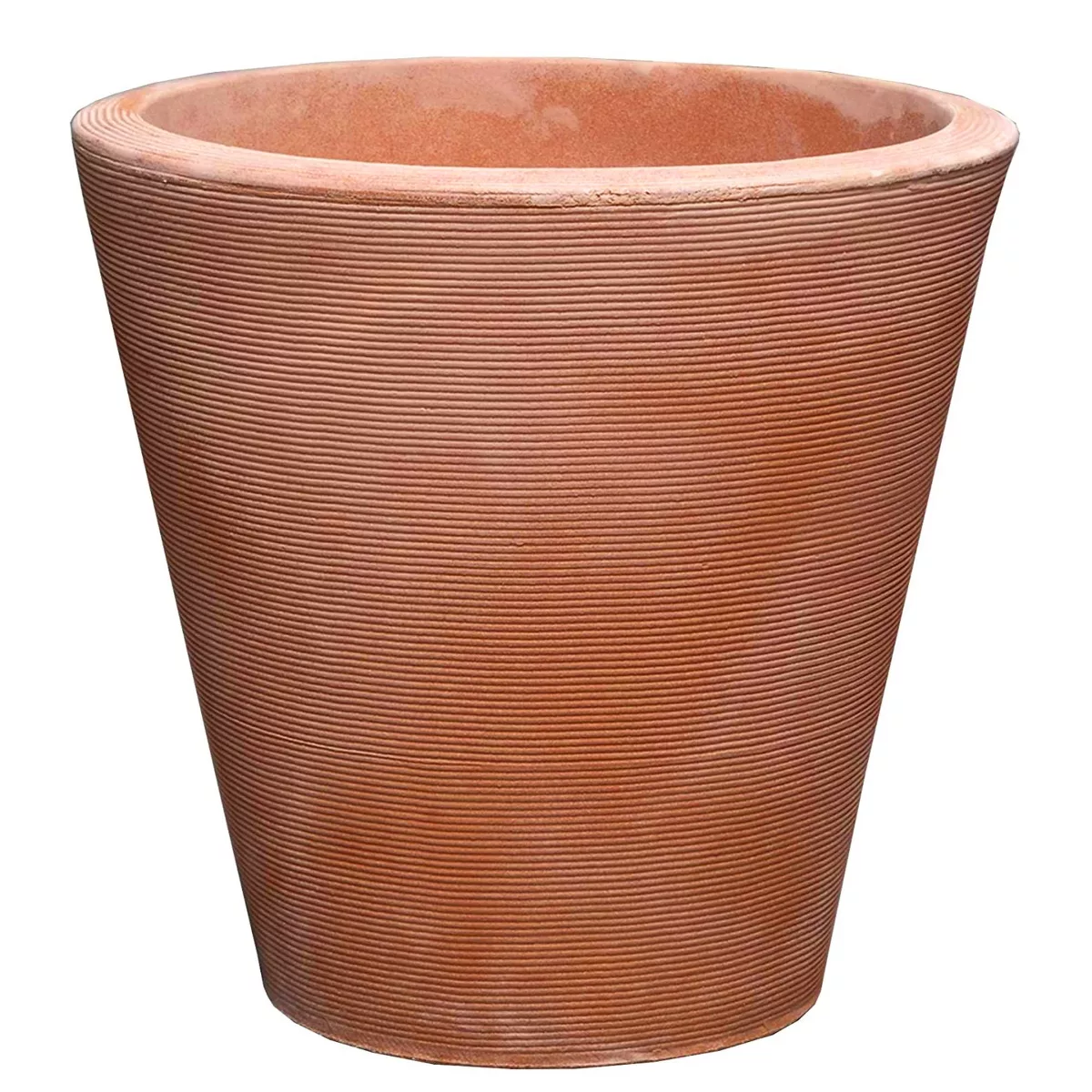
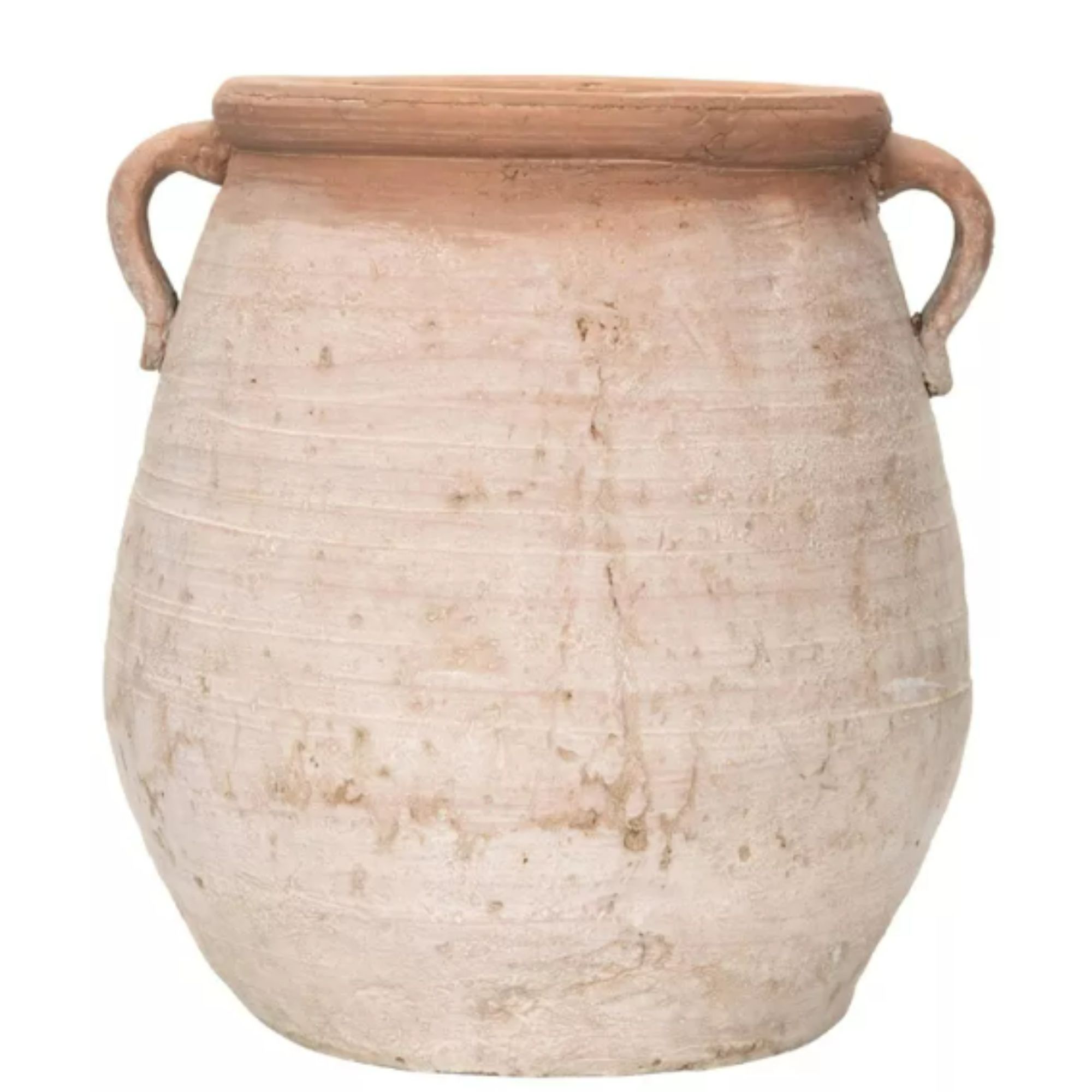
Embrace Weathered Terracotta: If repaving a pool deck with classic red brick isn’t feasible, double-walled resin or lightweight composite planters finished in weathered terracotta offer an effortless shortcut to the Spanish Revival aesthetic.
Anchor with Evergreens: Plant American arborvitae, climbing ivies, or structured boxwoods to ensure that privacy and deep green hues remain intact long after deciduous trees drop their leaves.
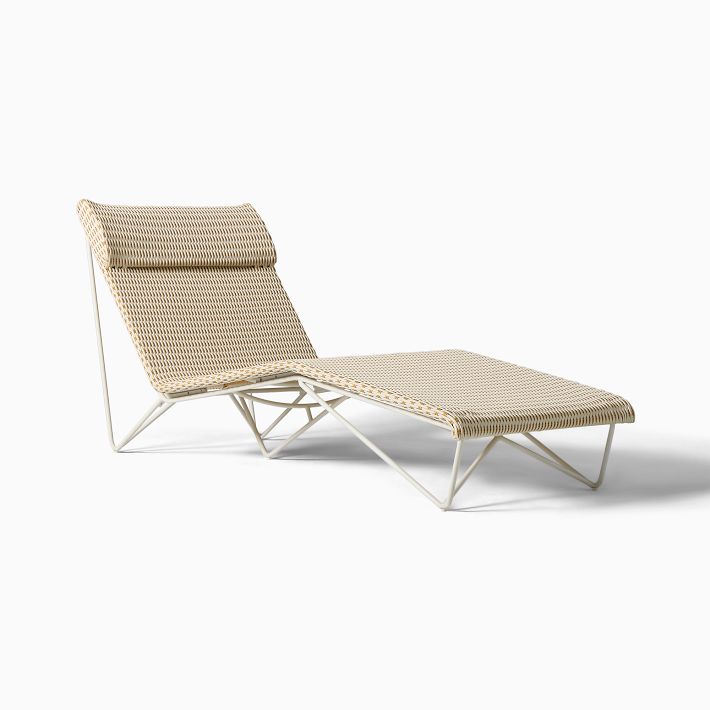
Soften with Contemporary Classics: Pair traditional metal frames with modern European-style chaise lounges or geometric textiles to ground the vintage elements in contemporary comfort.
As we look toward the changing seasons, the lesson from 1978 is clear: great design is never seasonal. By anchoring outdoor spaces with enduring materials, rich textures, and permanent greenery, any backyard can look effortlessly fabulous—whether the pool is open for a summer swim or neatly tucked away for the winter.