As the lush days of summer gradually give way to the crisp, cooler mornings of autumn, indoor gardeners face a pivotal shift in routine. While transitioning our wardrobes from linen to wool is second nature, adjusting our indoor plant care regimes is an essential step that is frequently overlooked. As daylight hours shrink and indoor temperatures drop, plants begin their natural transition away from active summer growth and into a state of dormancy or semi-dormancy.
According to botanical experts, one of the most critical missteps a plant owner can make during this seasonal pivot is continuing to fertilize. While it may seem counterintuitive to withhold nutrients from your beloved greenery, feeding houseplants as they enter their resting phase can trigger a cascade of negative health effects, occasionally proving fatal to sensitive species.
Main Facts: The Dangers of Fall Fertilization
At the heart of the autumn houseplant debate is a fundamental biological mismatch: supplying heavy nutrients to an organism that no longer has the biological capacity to process them.
During the spring and summer, plants experience peak metabolic activity. They soak up abundant sunlight, drink deeply, and grow rapidly, utilizing essential nutrients like nitrogen, phosphorus, and potassium to build new foliage, stems, and roots.
However, as September arrives, shifting environmental triggers—namely, reduced photoperiods (shorter daylight hours) and cooler ambient indoor temperatures—signal to the plant that winter is approaching. Growth slows down dramatically.
When a gardener continues to apply fertilizer during this slowdown, the plant cannot absorb or utilize the surplus minerals. Consequently, unabsorbed chemical fertilizers accumulate in the potting mix, causing mineral and salt build-ups. This excess salinity draws moisture away from the roots through osmotic pressure, effectively burning the root system.
The visible symptoms of fertilizer burn and root stress include:
Brown, crispy leaf tips and margins
Premature yellowing and dropping of lower leaves
A crusty white mineral deposit forming on the surface of the soil or along the interior rim of the terracotta pot
Overall stunted decline and weakened resistance to pests and diseases
Furthermore, experts emphasize that forced growth under dim autumn and winter light conditions results in weak, spindly, and pale stems—a phenomenon known as etiolation. Piling on fertilizer cannot compensate for a lack of natural sunlight; instead, it places immense physical stress on the plant.
Chronology: Understanding the Plant Growth Cycle
To master indoor plant care, it helps to understand the seasonal chronology of a houseplant’s year:
Spring (March – May): The Awakening. As daylight increases, plants emerge from winter dormancy. This is the time to slowly reintroduce and gradually increase fertilization, starting with weak doses to help the plant awaken.
Summer (June – August): Peak Vigor. Plants experience maximum growth. Regular, balanced feeding every few weeks is optimal to support their high metabolic output.
September: The Pivotal Transition. The turning point. Day lengths noticeably shorten, and indoor thermostats fluctuate. For the vast majority of houseplants, September marks the final month of regular care, and the absolute deadline for halting chemical and liquid fertilization.
Autumn to Winter (October – February): The Resting Phase. Most indoor plants enter dormancy or semi-dormancy. Watering is reduced, moving plants away from cold drafts or dry heat vents becomes necessary, and zero fertilizer is applied.
Supporting Data and Expert Insights: Exceptions to the Rule
While the golden rule of autumn is to stop fertilizing, horticulture professionals note that nature rarely deals in absolute binaries. Plant care must be tailored to individual species and indoor microclimates.
The Behavioral Approach over the Calendar Approach
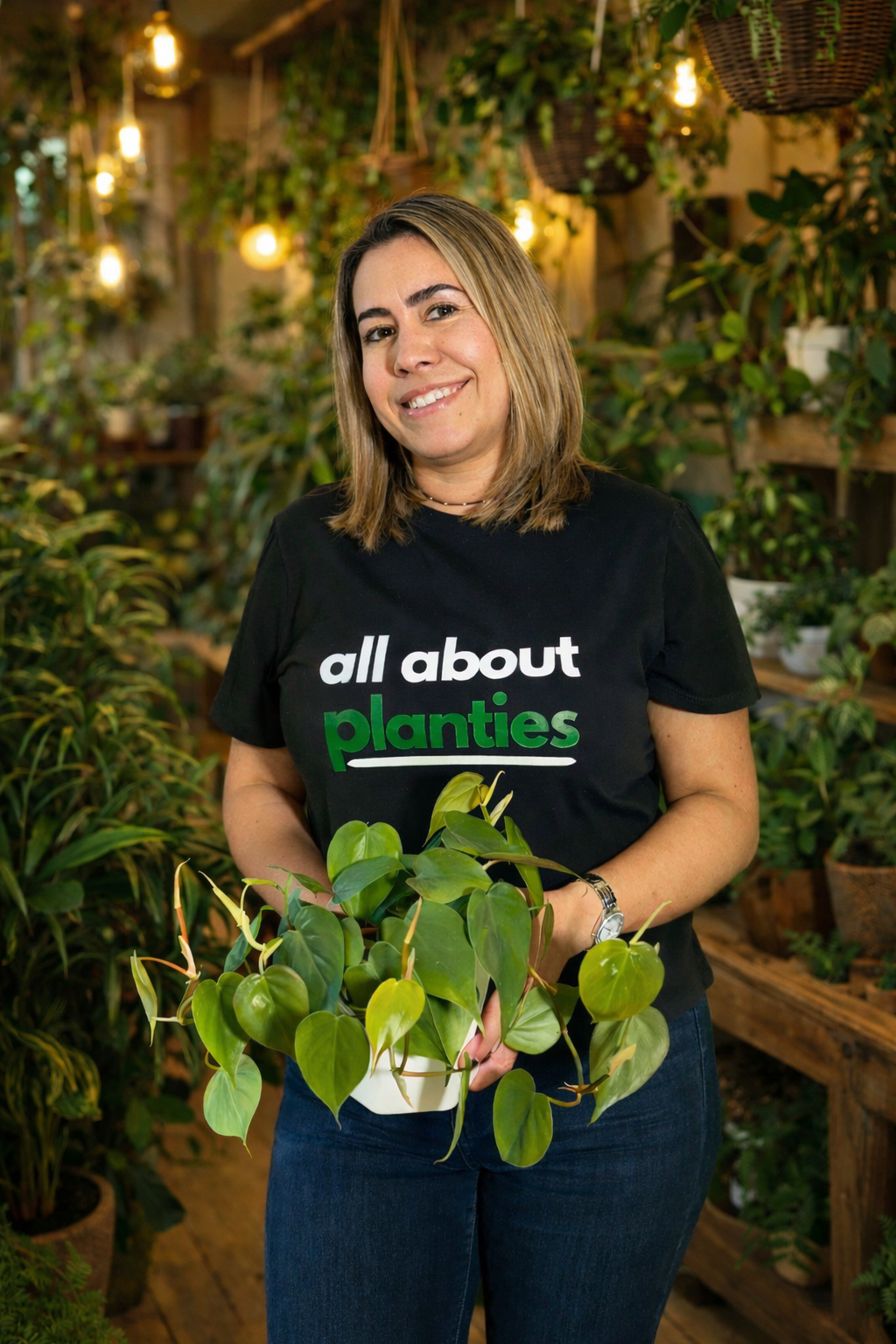
Rosalin Ortega, founder of the online houseplant hub All About Planties, advises gardeners to observe their plants rather than blindly following a calendar.
"If it has stopped producing new leaves, the soil is drying much more slowly, or its overall growth has noticeably slowed, it is probably time to pause fertilizing until spring," Ortega explains.
However, she points out that certain tropical indoor plants—such as pothos, philodendrons, monsteras, and spider plants—can defy calendar expectations. If these plants are kept in exceptionally warm rooms with access to bright light, or under full-spectrum LED grow lights, they may continue throwing out new growth well into the autumn months.
For these active outliers, a gentle, modified feeding schedule can be maintained. Ortega recommends scaling back the frequency significantly and diluting a balanced liquid fertilizer down to half-strength.
The Dormancy Spectrum
Conversely, other popular houseplants take their cues from nature immediately.
Fast-acting sleepers: Species like Alocasias and Caladiums are notorious for dropping all their foliage and retreating into subterranean corms or tubers to sleep through the darker months. Feeding these dormant structures is completely useless and highly damaging.
Slow growers: Naturally slow-growing architectural plants like ZZ plants (Zamioculcas zamiifolia) and Snake plants (Sansevieria/Dracaena) utilize very little energy during the cooler months and require minimal to no fertilizer once their growth pauses in early fall.
Official Responses and Technological Aids: Optimizing Indoor Microclimates
Modern indoor gardening has evolved past simple window sills. With the rise of smart home tech and specialty indoor horticulture, gardeners have new tools to influence plant behavior.
Marina Prokaten, a resident botanical expert for the plant care application Plantum, notes that technology can alter a plant’s seasonal clock.
"Regular fertilization is necessary during the period of active growth: spring and summer. You’ll need to gradually increase feeding throughout this period, starting with small doses to help your plant awaken and adjust to new conditions," Prokaten advises.
However, Prokaten and other botanists emphasize that artificial interventions—such as investing in full-spectrum LED indoor grow lights—fundamentally change the equation. When plants are supplemented with high-output artificial light that mimics long summer days, their biological clocks are tricked into maintaining active photosynthesis. For plants kept under intense grow-light setups, a very light, occasional maintenance feed through autumn may be safely tolerated, provided soil moisture is meticulously monitored.
For low-maintenance growers who prefer a hands-off approach come spring, experts suggest transitioning to slow-release granular fertilizers. Applied just as spring growth kicks off, these pellets dissolve slowly over multiple weeks, providing a steady, measured nutrient drip that minimizes the risk of root burn compared to concentrated liquid formulas.
Implications: The Broader Scope of Fall Indoor Plant Maintenance
Ceasing fertilization is only one piece of the autumn plant care puzzle. The transition from summer to fall carries wider implications for the health of your entire indoor jungle.
The Overlooked Fall Checklist
As outdoor temperatures drop and heating systems kick on inside, homes transform into dry-air environments. Gardeners must broaden their focus beyond the feeding bowl to address other critical autumn maintenance tasks:
Pest Inspections: Fall is prime time for common indoor pests—such as spider mites, fungus gnats, and mealybugs—to multiply, capitalising on stressed plants adjusting to lower humidity and indoor heating. Thoroughly inspecting the undersides of leaves and leaf joints in September can prevent a minor pest issue from exploding into a full-scale infestation.
Adjusting Watering Cadence: Because lower light levels and cooler temperatures slow down transpiration and evaporation, potting soil retains moisture for much longer. Continuing to water on a strict summer schedule will quickly lead to root rot. Always check the top few inches of soil before reaching for the watering can.
Relocation and Positioning: As daylight angles shift outdoors, the light filtering through your windows changes dramatically. Plants that basked in bright indirect light all summer may suddenly find themselves in deep shadow. Moving sensitive tropicals closer to windows—or setting up supplementary lighting—helps mitigate shock.
Final Takeaway
When in doubt, remember that it is always safer to under-fertilize than to over-fertilize. If you are uncertain whether your plant requires a final September feed, the wisest course of action is to clean your feeding cans, store the plant food away until the spring thaw, and let your indoor garden rest, recover, and prepare for the cycle of rebirth ahead.