

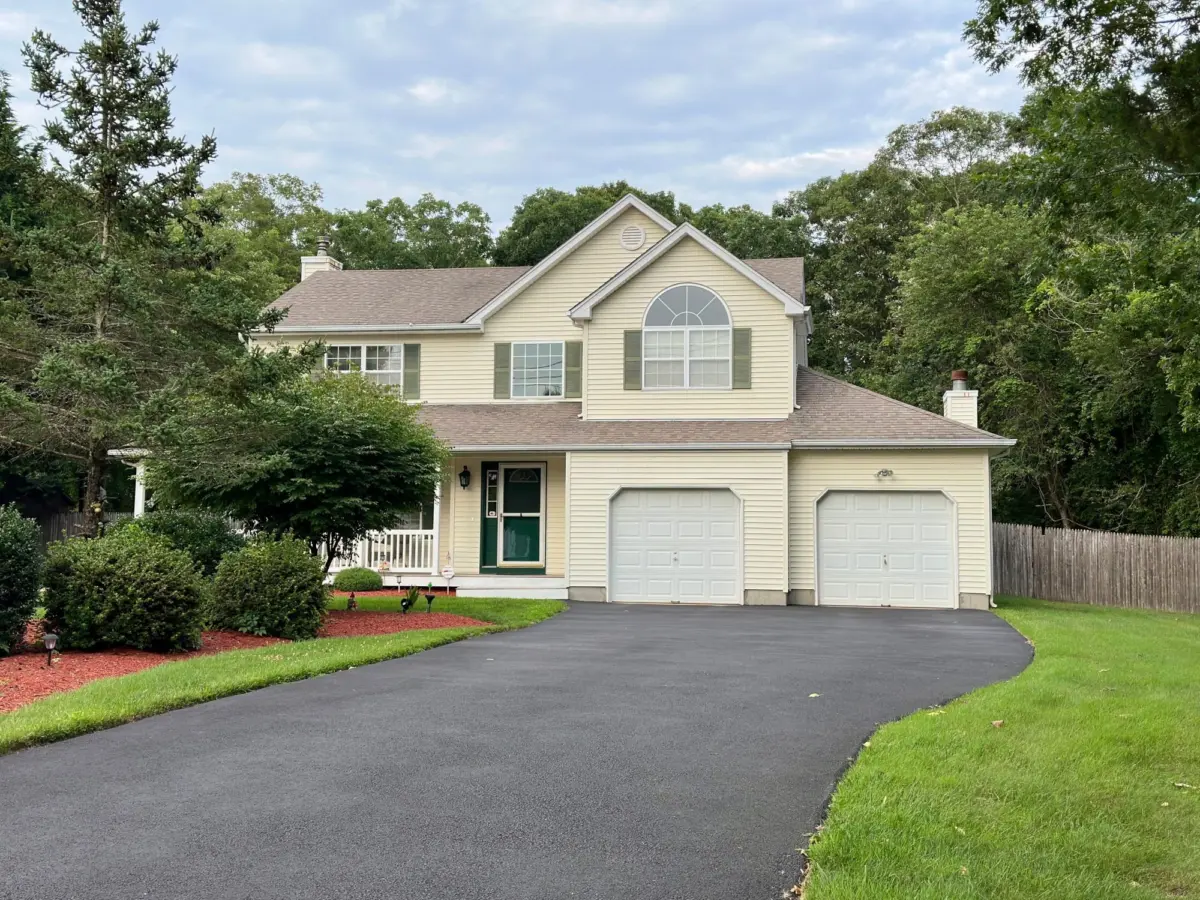
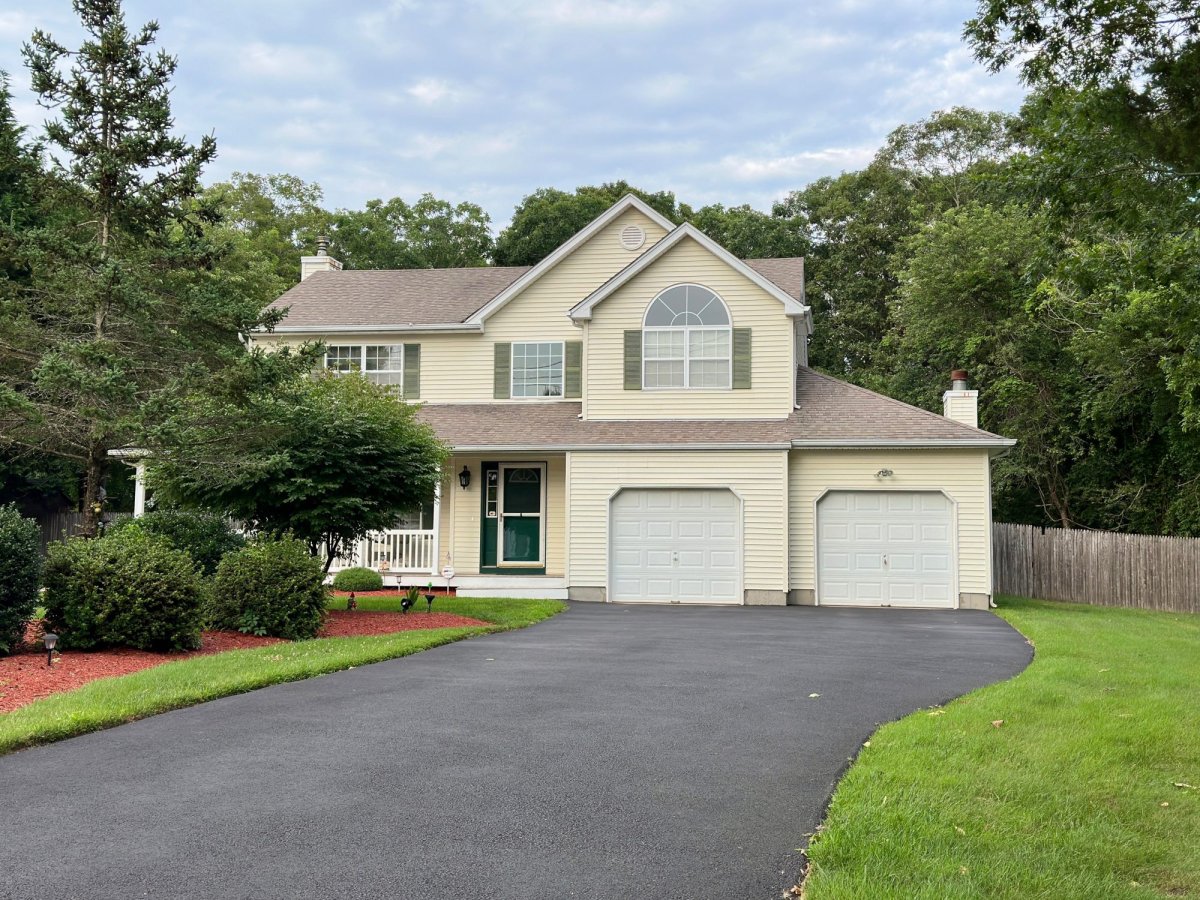
As the crisp air of autumn settles in and the holiday hosting season looms on the horizon, homeowners across the country are turning their attention to curb appeal. From trimming overgrown hedges to updating exterior lighting, making the home welcoming for visiting family and friends is a top priority. However, one of the most substantial—and structurally vital—projects you can tackle before winter sets in is paving or resurfacing your driveway.
An asphalt driveway offers a sleek, uniform appearance, a safe and level surface for walking and vehicle traffic, and a significant boost to your property’s overall value. Yet, installing or replacing an asphalt driveway is not a project to be taken lightly. It requires a precise window of weather conditions, significant financial investment, and, above all, the right contractor.
To help homeowners navigate this complex home improvement process, we spoke with Alex Aukerman, owner of Ox Asphalt in Indianapolis, Indiana. With years of experience evaluating, bidding on, and executing thousands of paving projects, Aukerman shared invaluable insights into what separates a fly-by-night operation from a master craftsman. Below is a comprehensive guide detailing the essential facts, timelines, professional advice, and long-term implications of paving your asphalt driveway before the cold weather takes hold.
The Main Facts: Understanding Asphalt Paving and Timing
Before diving into contractor selection, it is crucial to understand the fundamental limitations of working with asphalt, particularly regarding temperature.
Asphalt is a mixture of aggregates, sand, and asphalt cement (a petroleum product). To be successfully laid and compacted, it must remain at a high enough temperature so that the liquid binder stays pliable. According to industry standards, the minimum ground and air temperature required for paving an asphalt driveway is 50 degrees Fahrenheit (10°F).
When temperatures drop below this threshold, asphalt cools far too quickly as it exits the truck and is spread across the ground. This premature cooling prevents heavy compaction equipment from properly pressing the material into a dense, interlocking layer. The result? A porous, brittle surface prone to premature cracking, crumbling, and potholes.
When Is It Time for a New Driveway?
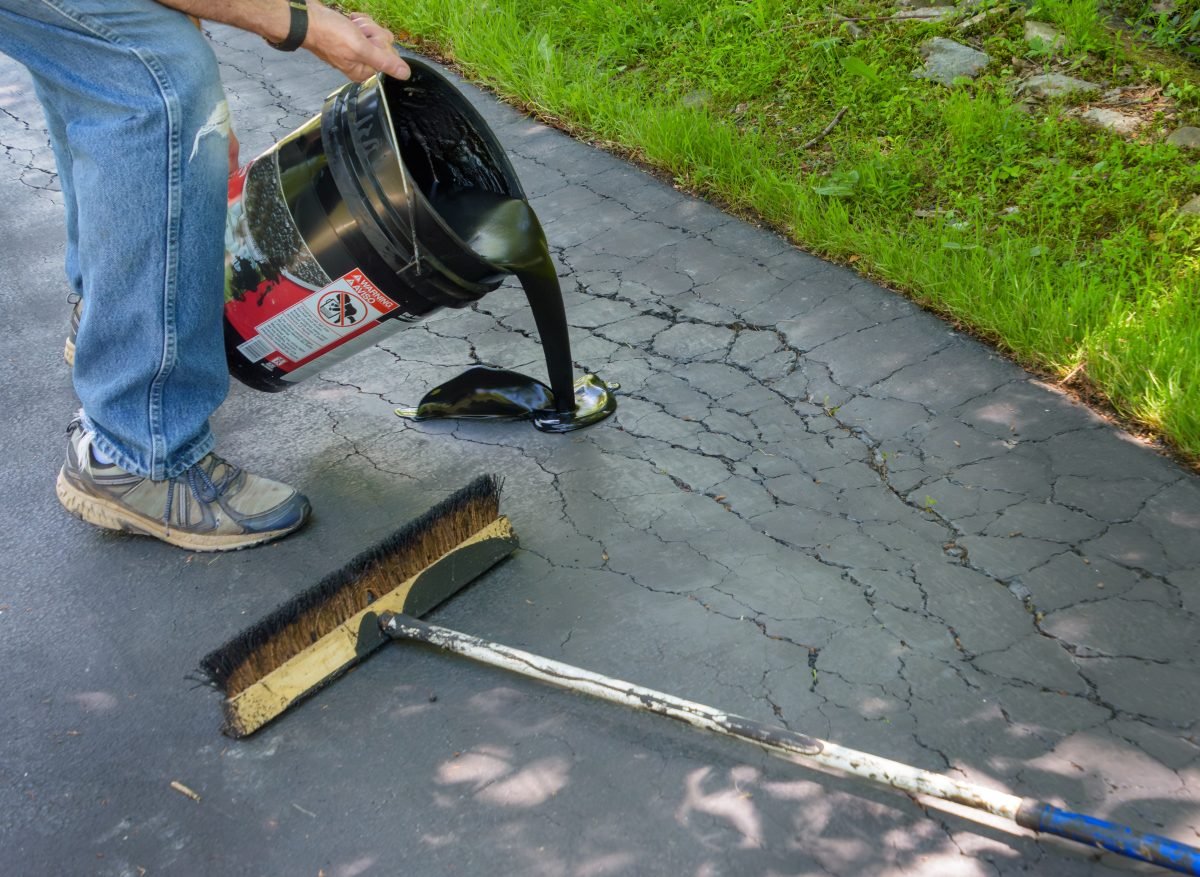
While routine maintenance—such as applying a fresh sealcoat every few years—can significantly extend the life of an asphalt surface, all blacktop eventually reaches the end of its lifespan. Homeowners should look out for the following warning signs:
- Severe Cracking: Alligator cracking (interconnected cracks resembling reptile skin) indicates a structural failure in the base.
- Buckling and Warping: Caused by shifting soil or tree roots beneath the surface.
- Crumbling Edges: A sign that the asphalt was laid too thin or lacks proper lateral support.
- Faded Color: While normal oxidation causes fading, it also signals that the binder is drying out and becoming vulnerable to water infiltration.
- Sinkage and Puddling: Pools of standing water indicate drainage issues or a collapsing sub-base.
When these symptoms appear, minor patches will no longer suffice; a full paving or repaving project is required.
The Chronology of a Paving Project
Knowing what to expect during the installation process helps homeowners hold contractors accountable and ensures the project runs smoothly from conception to completion.
Phase 1: Research and Bidding (Late Summer / Early Fall)
The process begins weeks before any heavy machinery arrives. Homeowners should collect at least three written bids from licensed and insured local contractors. This phase involves discussing the scope of work, evaluating warranties, and asking the critical pre-hiring questions detailed later in this article.
Phase 2: Site Preparation and Excavation (Day 1 of Construction)
Once a contractor is selected and the weather is deemed cooperative, the physical labor begins. Crews will excavate the old asphalt and existing sub-base material to the appropriate depth. This phase also includes grading the site to ensure proper water runoff away from the home’s foundation and garage.
Phase 3: Base Installation and Compaction (Day 1–2)
A durable driveway is only as good as its foundation. Contractors lay down a thick layer of crushed stone aggregate, which is then thoroughly compacted using heavy vibrating rollers. This creates a stable load-bearing platform capable of supporting heavy vehicles without shifting.
Phase 4: Laying and Compacting the Asphalt (Day 2–3)
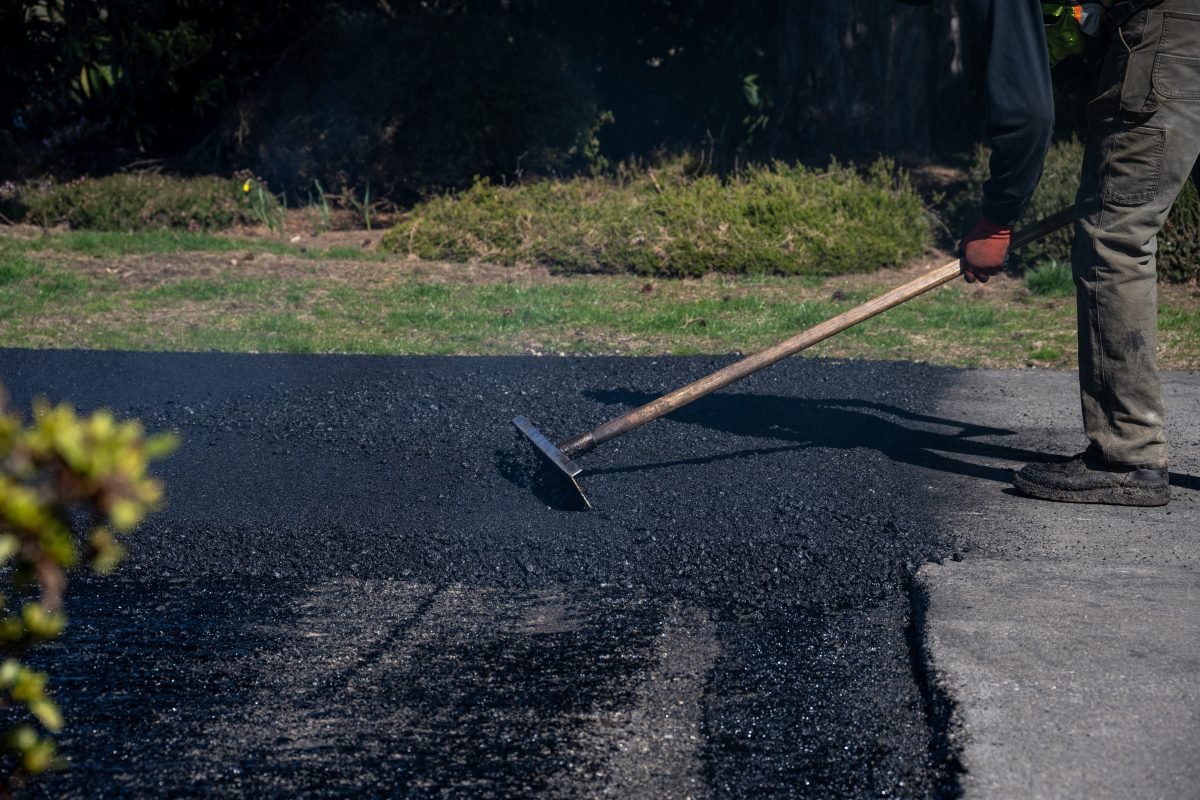
Hot-mix asphalt is delivered to the site via dump truck, typically at temperatures exceeding 300 degrees Fahrenheit. Crews use specialized rakes and lutes to spread the material evenly, followed immediately by heavy steel-wheel rollers to compact the hot mix to its final specified thickness.
Phase 5: Curing and Cooling (Days 3 to 14+)
Asphalt does not "dry"; it cools and cures. While the surface may feel cool to the touch within a few hours, the internal binder takes days or even weeks to fully harden. Homeowners must strictly adhere to the contractor’s guidelines regarding foot traffic, vehicle parking, and sealing.
Supporting Data: Why Attention to Detail Matters
Home improvement projects are fraught with the potential for corner-cutting, and asphalt paving is no exception. Because the finished product looks uniform on day one, unscrupulous contractors can easily conceal sub-standard materials and poor workmanship beneath the surface.
Industry data highlights that driveway failures typically stem from two primary issues: inadequate sub-base preparation and insufficient asphalt thickness.
- The Sub-Base Factor: A standard residential driveway requires a crushed aggregate base of at least 4 to 6 inches, depending on soil conditions. If a contractor skimps on the stone base—or fails to compact it thoroughly—the weight of a standard SUV will eventually cause the subgrade to yield, resulting in massive surface depressions.
- The Compaction Ratio: Hot asphalt loses volume as it is compressed by heavy machinery. A reputable contractor understands this mathematical reduction and lays down a loose layer thick enough to achieve the desired post-compaction thickness. Failing to account for this leads to a thin, fragile driveway that deteriorates after a single winter freeze-thaw cycle.
Official Responses: Expert Insights from the Field
To uncover the questions that homeowners frequently overlook, we turned to Alex Aukerman, owner of Ox Asphalt in Indianapolis. Drawing from a career spent evaluating thousands of driveways across the Midwest, Aukerman provides an insider’s perspective on how to interview a paving professional effectively.
According to Aukerman, homeowners often ask standard questions—such as whether a contractor is licensed, bonded, and insured—while completely missing questions related to structural integrity. If he were hiring a professional to pave his own property, Aukerman states he would insist on asking the following five critical questions:
1. "What are you doing underneath the asphalt?"
Aukerman warns that a cheap contractor can easily hide sub-standard work in the foundation. Homeowners must demand specifics: How much material will be excavated? What type of stone will be used for the base? How many passes will the compaction roller make? And crucially, what protocol is in place if soft, unstable ground is discovered beneath the topsoil?
2. "When you quote the asphalt thickness, is that before or after compaction?"
This is the ultimate litmus test for comparing bids apples-to-apples. "High-quality contractors will quote a post-compaction number, while cheap contractors will refer to the pre-compaction number," Aukerman explains. Knowing this distinction prevents homeowners from inadvertently paying for a thick layer on paper that turns out paper-thin in reality.
3. "Can you show me exactly where the water will go?"
Drainage is the silent killer of driveways. A poorly graded surface can direct rainwater straight into your garage, pool it against your home’s foundation, or trap moisture along the edges of the pavement. "Once winter hits and the freeze-thaw cycle begins, these mistakes will be exposed," Aukerman notes. Every contractor should be able to map out and explain the precise slope and runoff path.
4. "Can I see work you completed at least 3 years ago?"
Every newly paved driveway looks pristine on the day it is finished. The true test of a contractor’s craftsmanship is how the asphalt holds up after enduring multiple scorching summers and punishing winter freezes. Aukerman suggests asking for local addresses of older projects and driving by to inspect them in person.
5. "What weather conditions would force you to postpone the job?"
If a homeowner is rushing to complete a project before winter, shady contractors may be tempted to rush the job in freezing temperatures. If a contractor claims that weather is irrelevant or dismisses temperature guidelines, it is a glaring red flag. Integrity means knowing when to wait for optimal conditions rather than forcing a failing application.
Implications: The Long-Term Impact on Your Home
Investing in a properly paved asphalt driveway yields benefits that extend far beyond simple aesthetics.
- Property Value and Curb Appeal: Real estate experts consistently note that exterior upgrades offer a high return on investment. A smooth, black, professionally edged driveway signals to potential buyers that the home has been meticulously maintained.
- Safety and Accessibility: Eliminating cracks, heaves, and potholes removes potential tripping hazards for children, elderly family members, and holiday guests. It also prevents vehicle alignment damage caused by deep ruts and sinkholes.
- Financial Longevity: By asking the right questions upfront, ensuring proper sub-base installation, and verifying post-compaction thickness, homeowners can avoid the exorbitant costs of premature replacement. A quality asphalt driveway, properly maintained and sealed, can easily provide 15 to 20 years of reliable service.
As the winter season approaches, taking the time to thoroughly vet your asphalt contractor ensures that your driveway will stand strong against the elements—keeping your home safe, beautiful, and structurally sound for years to come.
