

By Tech & Gadgets Desk
Published: September 2026
With the official public rollout of iOS 27 and tvOS 27, Apple is injecting its generative AI suite—Apple Intelligence—directly into the smart home ecosystem. For users invested in Apple Home, the update introduces powerful new video summaries, advanced search parameters, and multi-camera footage stitching.
However, the excitement surrounding these next-generation upgrades has been quickly overshadowed by a steep and controversial pricing structure. While the software updates offer undeniable quality-of-life enhancements for home security monitoring, Apple’s tier-locked approach to artificial intelligence features could price out everyday consumers.
Main Facts: What iOS 27 Brings to Apple Home
The integration of Apple Intelligence into HomeKit Secure Video marks one of the most substantial architectural leaps for the Apple Home platform in years. Key features introduced in iOS 27 include:
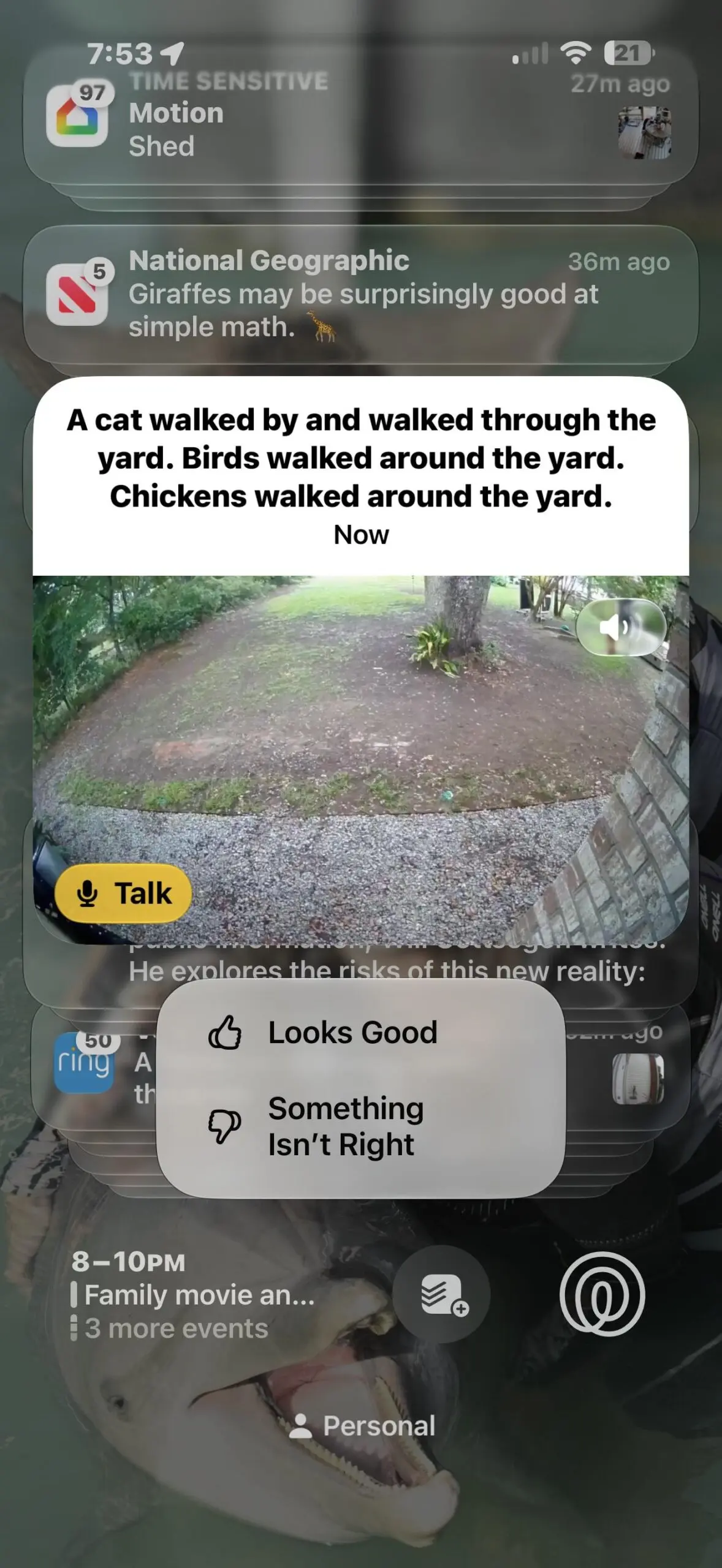
- AI-Powered Video Summaries: Instead of forcing users to scrub through lengthy security clips, the system generates concise text descriptions of what compatible security cameras captured. A quick notification might now read: "Package left on the front porch by a delivery driver at 2:15 PM," paired with the relevant video snippet.
- Advanced Video Search: Users can now use natural language queries within the Apple Home app to search historical footage, locating specific events instantly without manual date and time filtering.
- Multi-Camera Footage Stitching: The platform can intelligently combine simultaneous feeds from multiple cameras into a single, cohesive clip, providing a streamlined timeline of an event unfolding across different zones of a property.
- 4K Resolution Support: Alongside AI features, the underlying infrastructure has been optimized for speed, reliability, and native support for 4K video streams.
Despite these advanced capabilities, accessing Apple Intelligence for security cameras is not bundled into standard operating system updates. Instead, Apple has tied the feature set strictly to high-tier iCloud Plus and Apple One storage plans—with costs scaling aggressively depending on the number of cameras monitored.
Chronology: The Evolution of HomeKit Pricing
To understand why the iOS 27 pricing model has drawn sharp criticism from the tech community, it is helpful to look back at how Apple’s smart home storage model has evolved:
- The Baseline ($1/month): Historically, HomeKit Secure Video entered the market as an affordable security companion. For $0.99 a month (the 50GB iCloud Plus tier), users received secure cloud recording for a single camera, complete with activity zones, smart alerts, and facial recognition.
- The Mid-Tier Expansion ($9.99/month): For households with multiple entry points, Apple offered the 2TB iCloud Plus plan at $9.99 monthly, scaling support up to five cameras without counting recorded footage against the user’s personal cloud storage quota.
- The Enterprise Shift ($29.99/month and up): Apple introduced higher-capacity tiers (6TB and 12TB) to accommodate heavy data users, though these were rarely utilized strictly for smart home integrations.
- The iOS 27 AI Pivot: With the launch of iOS 27, Apple has repurposed these high-tier iCloud storage plans as gates for Apple Intelligence features. Rather than a flat add-on fee for AI processing, users must upgrade their entire cloud storage subscription to unlock AI summaries for additional cameras.
Supporting Data: Breaking Down the Costs
Apple’s official support documentation reveals a rigid, hardware-scaling cost structure for unlocking Apple Intelligence across home security hardware.
| iCloud Plus Plan | Monthly Cost | Supported Cameras with AI | Total Annual Cost |
|---|---|---|---|
| 2TB Plan | $9.99 / month | 1 camera | ~$120 / year |
| 6TB Plan | $29.99 / month | Up to 2 cameras | ~$360 / year |
| 12TB Plan | $59.99 / month | Up to 5 cameras | ~$720 / year |
For power users or those already subscribing to the Apple One Premier bundle (priced at $39.95/month for 2TB of storage and five cameras), the friction point is even more pronounced. Under the new rules, an Apple One Premier subscriber gets Apple Intelligence for just one of their five cameras. To extend AI capabilities to the remaining four cameras, users are forced to abandon their bundle or pay an additional $60 a month for the 12TB tier.
When factoring in an existing Apple One subscription, a fully integrated five-camera AI setup can balloon to roughly $1,200 annually—a figure that positions Apple’s smart home features far above standard consumer expectations.

Official Responses and Industry Context
Apple has defended its pricing strategy by pointing to the extensive processing power required for local and cloud-based generative AI models, emphasizing data privacy and on-device processing capabilities. However, the company has remained tight-lipped regarding whether higher storage tiers will unlock expanded limits for Siri and other cross-device Apple Intelligence features beyond the Home app.
How Competitors Compare
In the broader smart home market, Apple’s pricing model faces intense scrutiny when weighed against primary competitors:
- Amazon Ring: Ring offers robust, AI-powered video descriptions and advanced motion verification through its Protect subscription tiers, typically capping out around $20 a month for unlimited cameras at a single location.
- Google Nest: Google provides similar intelligent alerts, familiar face detection, and event history summaries via its Nest Aware subscriptions, also maxing out around $20 a month for comprehensive home coverage.
Compared to these ecosystems—which offer broader device compatibility and mature smart home integration at a flat, predictable rate—Apple’s per-camera AI scaling model feels disproportionately expensive.
Implications for the Smart Home Market
The introduction of iOS 27 creates a complex dilemma for smart home enthusiasts and everyday Apple consumers alike.
1. The Value Proposition Gap
While beta testers and early adopters praise the responsiveness of AI-powered video summaries and multi-camera stitching, the consensus among reviewers is clear: the utility does not match the price. Saving a few minutes of video scrubbing is a fantastic quality-of-life feature, but when it costs hundreds of dollars more per year than competing platforms, mainstream adoption will likely stall.
2. Backward Compatibility and Reassurance
On a positive note, Apple has not stripped away existing functionality. Users who choose to remain on legacy HomeKit Secure Video plans will not lose their current features, facial recognition, or cloud storage benefits. Furthermore, the under-the-hood performance upgrades included in iOS 27—such as enhanced reliability and 4K video support—apply to all users regardless of whether they pay for Apple Intelligence.
3. Future Outlook for Apple’s Ecosystem
As Apple continues to roll out generative AI features across its hardware lineup, the monetization strategy demonstrated in iOS 27 may set a precedent for how the company handles cloud-heavy AI processing. If consumers push back against per-camera tier gating, Apple may be forced to introduce a la carte AI add-on passes rather than forcing entire storage plan upgrades.
For now, homeowners looking to upgrade to iOS 27 must weigh the convenience of automated security summaries against an eye-watering monthly subscription fee. For most households, standard HomeKit Secure Video remains more than sufficient—leaving Apple Intelligence in the home as a luxury reserved exclusively for the most dedicated (and deep-pocketed) tech enthusiasts.
