

By Ty Pendlebury
Senior Editor & Consumer Technology Analyst
Main Facts: The Dawn of the Apple Foldable Era
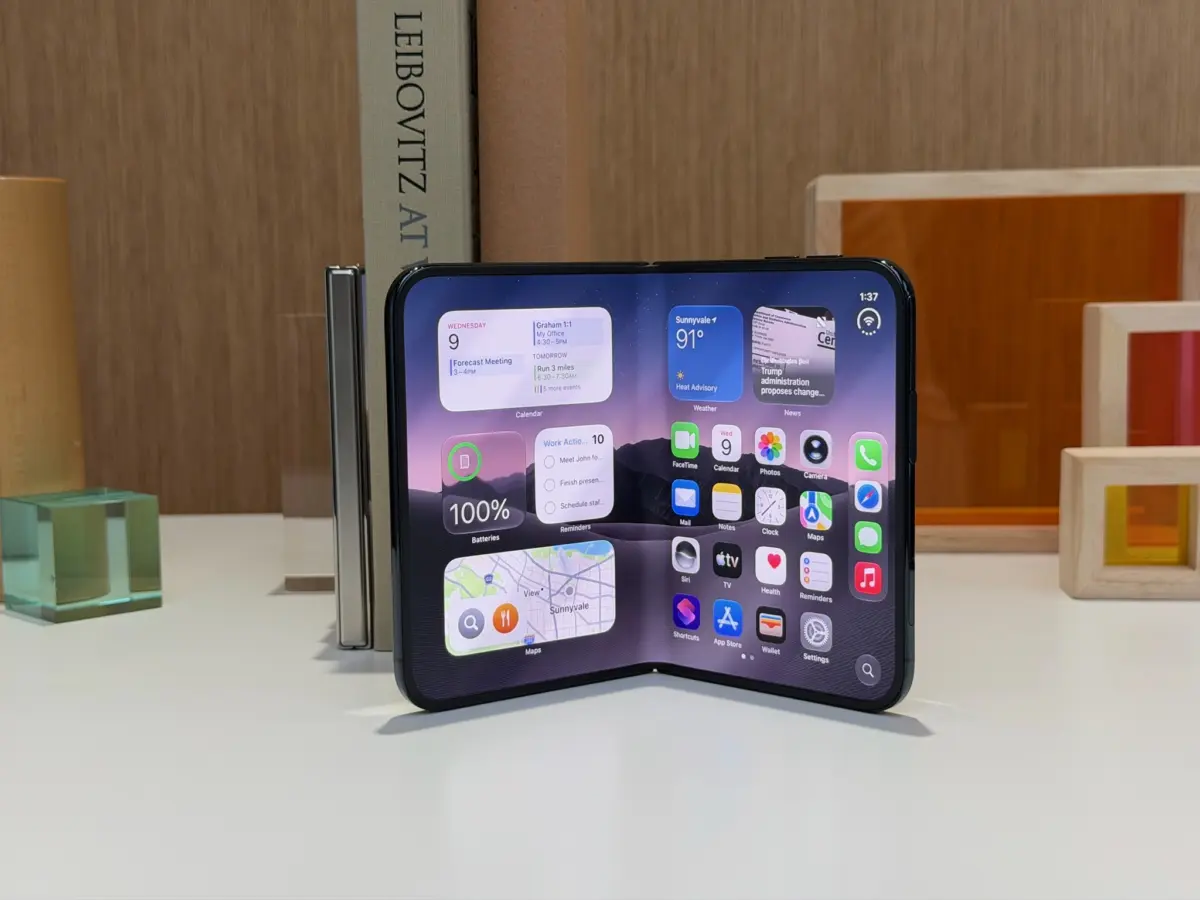
Apple has officially entered the foldable device market with the newly announced iPhone Duo, a milestone release that many industry watchers believe is merely the opening salvo in a much larger hardware offensive. Following the device’s unveiling, prominent industry insiders—led by Bloomberg’s seasoned Apple reporter Mark Gurman—have suggested that Cupertino is laying the groundwork for an entire family of foldable devices over the next several years.
The strategy appears deeply rooted in nomenclature. By choosing the distinct, three-letter moniker “Duo” rather than relying on traditional numbering or descriptive suffixes right out of the gate, Apple has deliberately left ample breathing room in its marketing architecture. In line with iconic branding lines like “Air” and “Pro,” the Duo brand hints at a modular family tree. If Gurman’s predictions hold true, consumers could soon see variations ranging from a sprawling iPhone Duo Max to a more pocketable iPhone Duo Mini or value-driven iPhone Duo SE, potentially spanning both book-style foldables and traditional clamshell form factors.
Yet, breaking into the folding phone market is no small endeavor. Starting at a steep $2,000 and up, the iPhone Duo commands roughly double the price of a standard single-screen flagship device. While preorders are slated to kick off on October 16 ahead of an official store release on October 23, the device enters a maturing marketplace. Competitors like Samsung have been iterating on foldable technology for the better part of a decade.
Apple’s bet is that its notoriously loyal ecosystem, coupled with refined engineering that aims to minimize screen creasing, will propel foldables into the mainstream. Gurman goes as far as to predict that foldable devices will dominate the majority of new smartphone sales within the next decade, with the iPhone Duo leading the charge as early as next year.
Chronology: From Samsung’s Early Lead to Apple’s 2026 Breakthrough
To understand the significance of the iPhone Duo, it is essential to trace the timeline of the foldable smartphone category—a race that Apple has deliberately, and uncharacteristically, watched from the sidelines for years.
- September 2019: Samsung launches the original Galaxy Fold, effectively birthing the modern commercial foldable category just months before the onset of the COVID-19 pandemic. Early iterations are plagued by durability concerns, high prices, and noticeable screen creases, positioning foldables as expensive, niche toys for tech enthusiasts.
- 2020–2024: Rivals such as Google (with the Pixel Fold), Motorola (with the Razr series), and OnePlus enter the fray. Hardware matures rapidly, hinges become more robust, and software optimization catches up with unusual aspect ratios. Despite this, foldables remain a single-digit percentage of the broader global smartphone market.
- March 2026: Rumors surrounding Apple’s long-rumored foldable project intensify significantly. Analysts and supply-chain leaks point to an imminent device codenamed internally, sparking widespread speculation about how Apple plans to solve the persistent "screen crease" problem that has dogged competitors.
- September 2026: Apple formally announces the iPhone Duo, shattering years of speculation. Bloomberg’s Mark Gurman publishes his weekly Power On newsletter detailing the naming strategy and forecasting a broader multi-device product roadmap.
- October 16, 2026: Official preorders for the iPhone Duo open globally, testing consumer appetite at the $2,000 price point.
- October 23, 2026: Official retail launch and in-store availability of the iPhone Duo.
- 2027 and Beyond (Projected): Expected window for Apple to expand the foldable lineup based on Duo sales data, potentially introducing clamshell variants or larger-format Max configurations.
Supporting Data: Market Realities, Pricing, and the "Apple Pivot"
Examining the viability of an expanded Apple foldable lineup requires looking at cold, hard market data, historical precedent, and consumer behavior metrics.
The Pricing Barrier
At a baseline of $2,000, the iPhone Duo is priced firmly in the ultra-premium tier. For context:
- Standard flagship slab phones (such as the base iPhone Pro models) typically hover between $1,000 and $1,200.
- Foldables from competitors range from $1,799 to upwards of $1,989, meaning Apple’s pricing strategy aligns directly with the upper echelon of current folding tech.
- Market Implication: At double the price of traditional handsets, the Duo is structurally barred from replacing traditional single-screen flagships for the average consumer in the short term. It will initially target early adopters, enterprise power users, and affluent tech enthusiasts.
The Danger of Silicon Valley Speculation
Not every Apple R&D project transitions from the laboratory to store shelves. Tech history is littered with brilliant prototypes that never saw the light of day. Consider the following cautionary tales:

- The Apple Vision Pro Derivative: Apple was heavily rumored to be working on a dramatically cheaper, stripped-down version of its Vision Pro augmented reality headset to capture a wider audience. Ultimately, supply chain and consumer interest data caused Cupertino to reportedly pivot resources away from the budget headset and toward dedicated smart glasses.
- The Fabled Apple TV Set: For well over a decade, Wall Street analyst Gene Munster and others predicted that Apple would release a branded physical television set to disrupt the living room. It never happened. Munster himself has since noted a crucial golden rule of tech journalism: "Just because Apple is working on a product doesn’t mean it will see the light of day."
Despite these canceled or altered trajectories, Gurman remains bullish, asserting that Apple "got it right from day one" with the Duo’s hardware execution, lessening the risk of a dead-end product line.
Official Responses and Industry Reactions
The announcement of the iPhone Duo and the subsequent reports of a broader foldable family have sent shockwaves through the consumer electronics industry.
Competitor Perspectives
Industry giants like Samsung have largely welcomed Apple’s arrival into the foldable space, viewing it not as a threat, but as validation of a category they pioneered seven years ago. For years, Android manufacturers struggled to convince mainstream buyers that a folding screen was anything more than a gimmick. By stepping into the ring, Apple instantly legitimizes the form factor for millions of consumers who previously dismissed foldables as fragile or unnecessary.
Analyst Commentary
Wall Street analysts are currently split into two distinct camps regarding Apple’s long-term foldable strategy:
- The Bullish View: Proponents argue that Apple’s entry mirrors its strategy with tablets and smartwatches—arriving late, refining the user experience, ironing out hardware flaws (such as the infamous display crease), and eventually capturing dominant market share through ecosystem lock-in and superior marketing.
- The Cautious View: Skeptics point out that unlike the transition from feature phones to smartphones, or MP3 players to streaming music devices, the folding phone solves a problem that many consumers do not feel they have. High manufacturing costs, repairability challenges, and consumer hesitation over mechanical hinge longevity remain formidable hurdles.
Implications: What an Apple Foldable Empire Means for the Future
If Mark Gurman’s predictions materialize and Apple systematically rolls out a diversified family of foldable devices over the next several years, the repercussions for the mobile computing landscape will be profound.
1. The Death of the Traditional "Slab" Phone?
Gurman’s bold claim that foldables will represent the majority of new phone sales within the next decade suggests a seismic shift in industrial design. If clamshell models (like a hypothetical iPhone Duo Mini) drop closer to traditional flagship pricing in future generations, consumers may increasingly abandon rigid glass-and-aluminum rectangles in favor of devices that pack larger screens into pocketable footprints.
2. Ecosystem Synergy and iPad Convergence
The introduction of a multi-tiered foldable lineup blurs the historical boundary between iPhones and iPads. A larger foldable device—effectively an iPad mini that folds in half—creates entirely new use cases for multitasking, productivity, and media consumption. Apple’s software engineering teams will need to continue adapting iPadOS-level capabilities for pocketable folding screens, driving deeper unification across the iOS ecosystem.
3. Supply Chain Dominance
Apple’s immense purchasing power and strict manufacturing tolerances will force global display manufacturers (such as Samsung Display, BOE, and LG Display) to innovate faster than ever before. Ultra-thin glass (UTG), proprietary hinge mechanisms, and crease-suppression technologies will become baseline industry requirements rather than premium differentiating features.
Conclusion
The release of the iPhone Duo is much more than a late entry into an established hardware category; it is the cornerstone of Apple’s next decade-long hardware strategy. While a $2,000 price tag ensures that the Duo will remain a luxury item in the near term, the blueprint is clear. As Apple iterates, slims down, and diversifies its folding portfolio into Max, Mini, and SE variants, the crease in the screen may soon become the defining feature of the modern mobile revolution.
