

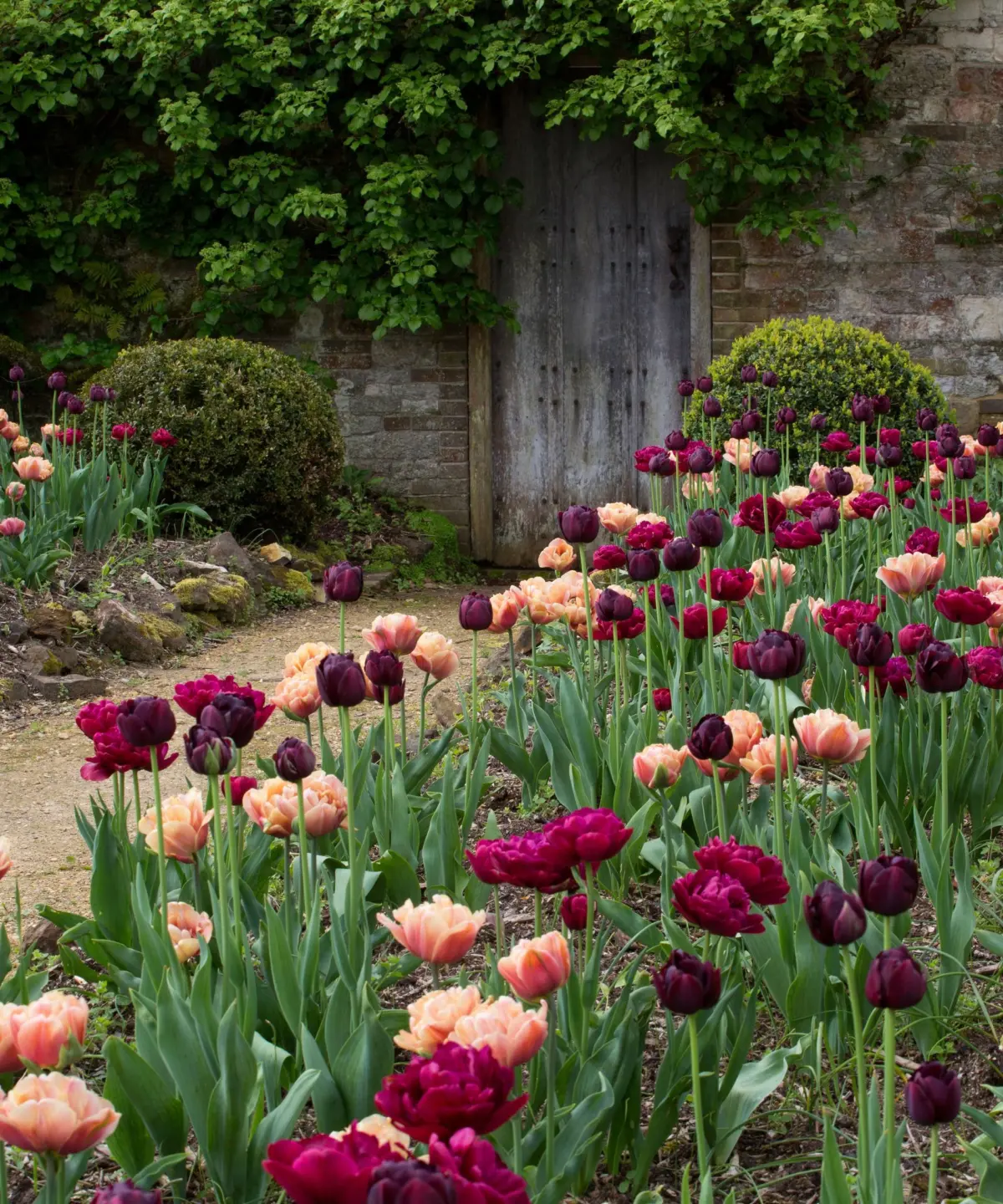
Nothing captures the rejuvenating spirit of spring quite like a sprawling, vibrant sea of blooming tulips. While their breathtaking displays define the landscape of April and May, the secret to achieving a yard full of head-turning color relies entirely on preparation executed months in advance. As the seasons shift and autumn brings a crisp chill to the air, gardeners face a crucial window of opportunity.
These cold-hardy classics depend on an essential winter chilling period to establish robust root systems. By dedicating time to a thoughtful fall planting routine, you lay the foundational architecture required for months of dazzling floral performance when warm weather finally returns. Whether you are accenting traditional garden borders, refreshing dynamic container arrangements, or bringing tight, neglected garden nooks to life, mastering a few core fundamentals will ensure a resilient, high-impact show.
Main Facts: The Science and Timing of Tulip Cultivation
At its core, successful tulip cultivation is a masterclass in botany and temperature management. Tulips are geophytes—perennial plants that store energy underground in modified stems known as bulbs. To break dormancy and trigger stem elongation and flowering in the spring, these bulbs must undergo a specific period of cold vernalization.
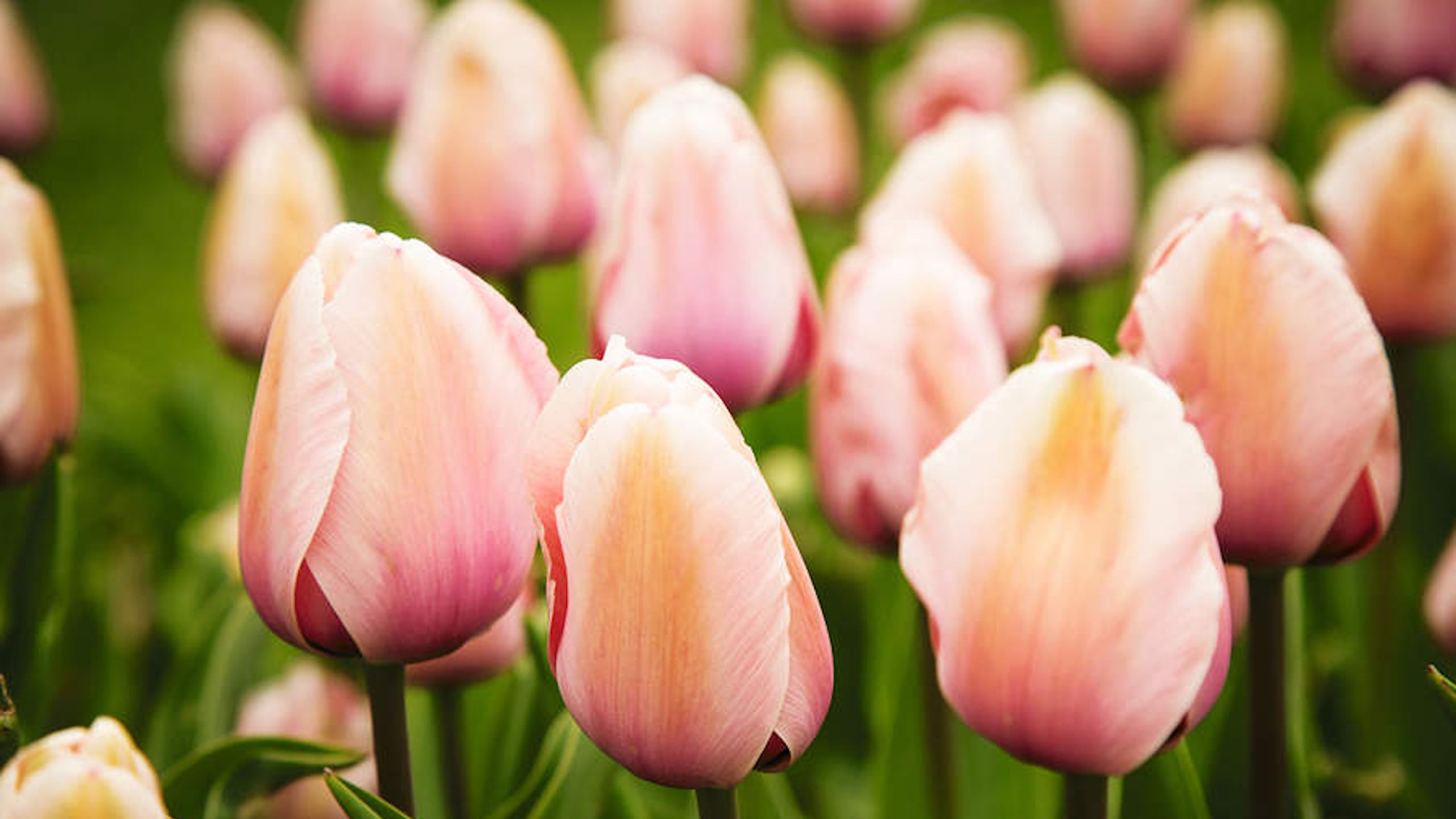
- Ideal Soil Temperature: Planting should commence once local soil temperatures consistently dip to 60°F or lower. This thermal threshold signals to the bulb that winter is approaching, encouraging root growth before the ground freezes solid, rather than prompting premature top-growth.
- Drainage Demands: Tulips are notoriously intolerant of "wet feet." They demand exceptionally sharp drainage and perform best in neutral to slightly alkaline soil.
- Depth and Spacing: Proper geometry matters. Bulbs should be nested roughly 6 to 8 inches deep (about two to three times the height of the bulb) and spaced 4 to 5 inches apart to prevent overcrowding while ensuring a dense, lush look.
- The Global Scope: With over 8,000 registered varieties categorized across 15 distinct horticultural groups, tulips offer a staggering array of shapes, heights, and bloom times. From early-season emperors to late-season singles, the sheer diversity allows for weeks of continuous color.
Chronology: The Lifecycle of a Spring Tulip
Understanding the timeline of a tulip helps contextualize why every step of the autumn routine is so vital to its ultimate success.
Phase 1: Selection and Sourcing (Late Summer to Early Fall)
Gardeners begin ordering bulbs from reputable growers in late summer. During this phase, quality control is paramount. A healthy bulb should feel heavy for its size, appear plump and clean, and feature a tight, papery outer tunic. Bulbs showing dark spots, mold, deep cuts, or premature green shoots should be discarded immediately.
Phase 2: Soil Preparation and Planting (Mid-Autumn)
As autumn progresses and soil temperatures drop below the critical 60°F mark, gardeners prepare the earth. Heavy clay soils are amended with sharp sand, horticultural grit, or well-rotted compost to guarantee fast drainage. Soil pH is tested, and acidic environments are balanced with garden lime or organic bone meal to foster strong cellular development. Bulbs are then buried at the proper depth—either individually in natural drifts or efficiently en masse within dug trenches.
Phase 3: The Underground Winter Dormancy (Late Fall to Winter)
Once in the ground, the tulip bulb enters a period of high physiological activity out of sight. While the surface foliage remains dormant, the basal plate of the bulb initiates root growth, utilizing stored carbohydrates to anchor itself firmly into the soil profile. For container-grown tulips in harsh winter regions (Hardiness Zones 3 through 7), this phase requires moving pots into sheltered, unheated spaces like garages or cold frames to prevent freeze-thaw cycles from destroying the developing roots.
Phase 4: Emergence and Budding (Early Spring)
As winter yields to the rising sun and warming temperatures of early spring, green shoots pierce the soil surface. This is the critical juncture where foliage unfurls to capture sunlight, feeding the developing flower bud hidden safely at the core of the plant.
Phase 5: Peak Bloom and Post-Bloom Care (Mid-to-Late Spring)
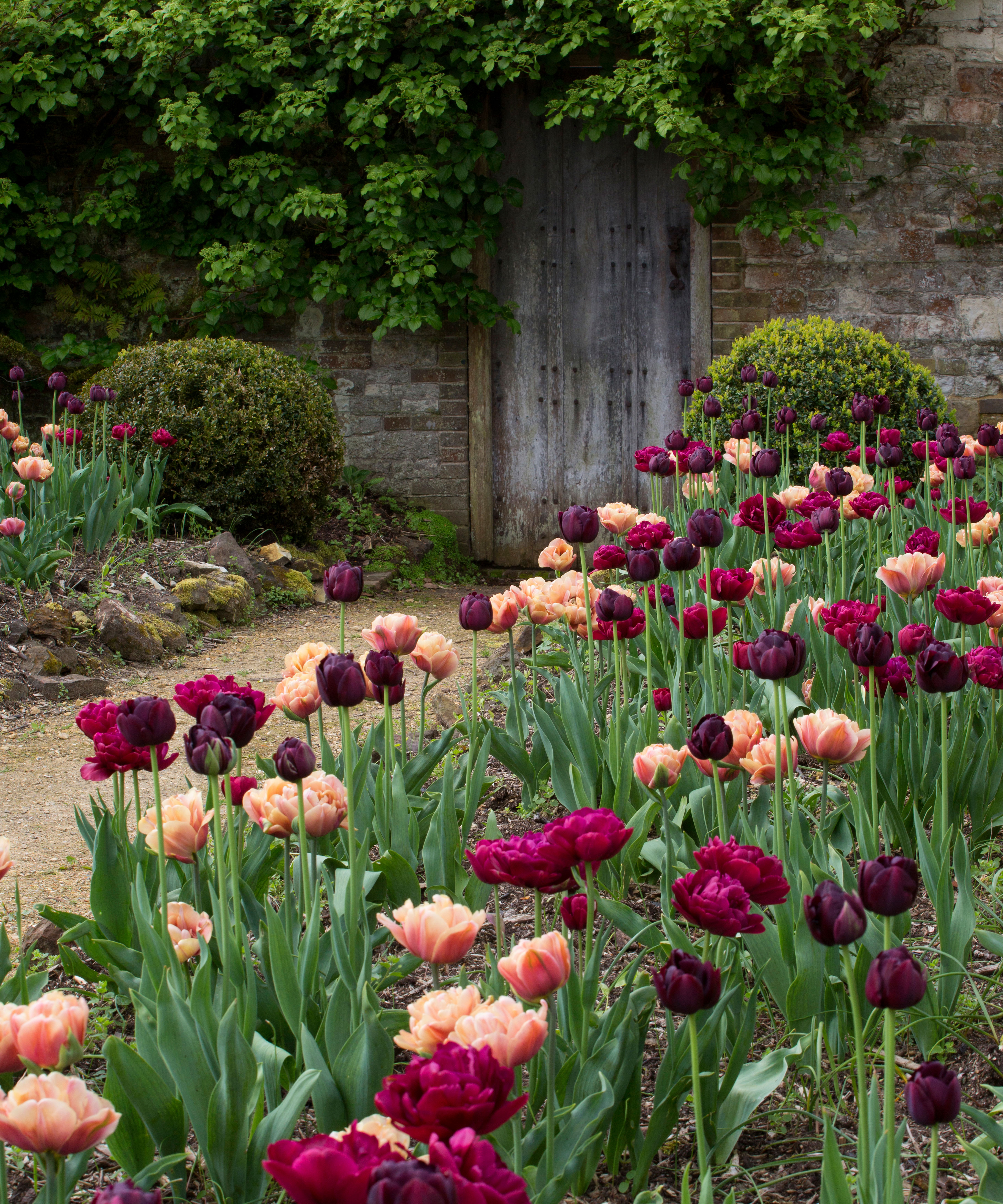
The grand finale arrives as petals burst open into brilliant shades of crimson, peach, pink, purple, and yellow. Following peak bloom, savvy gardeners practice "deadheading"—snipping off spent flower heads to prevent the plant from wasting energy on seed production. Crucially, the green foliage is left intact to photosynthesize and replenish the bulb for the next cycle, paving the way for the following year’s potential return.
Supporting Data: Specifications for Success
To achieve professional-grade results, horticulturists rely on specific measurements, regional data, and varietal classifications.
Soil Testing and pH Specifications
- Target pH Range: 6.0 to 7.0 (Neutral to slightly alkaline).
- Testing Methods: Digital pH meters or chemical strip kits (such as those widely available from garden centers and retailers like Walmart) provide precise chemical readings, eliminating guesswork before applying amendments like agricultural lime.
Recommended Varieties and Blends
To maximize visual impact and extend the flowering season, landscape designers often mix early, mid, and late-season varieties. Consider these industry favorites:
- The Rainbow River Blend (Burpee): A stellar mix of apricot, orange, pink, purple, and red tones designed for maximum mid-season vibrancy.
- ‘Orange Emperor’ (Fosteriana Group): An early-season standout known for its massive, luminous blooms that herald the arrival of spring.
- ‘Negrita’ (Triumph Group): A reliable, mid-season favorite featuring rich, satun-purple petals that excel both in garden beds and as cut flowers.
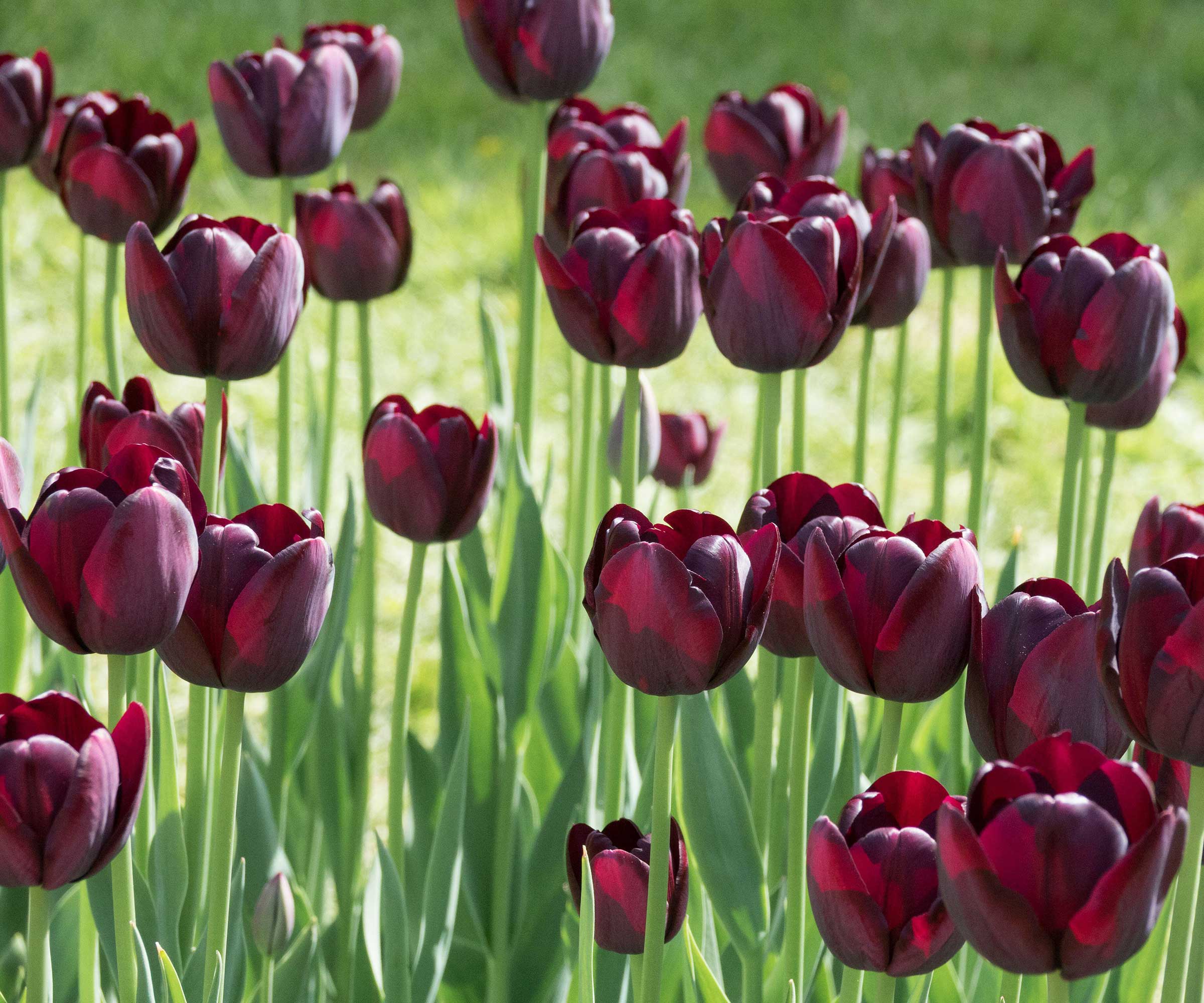
- ‘Queen of Night’ (Single Late Group): A dramatic, deep maroon-to-near-black tulip that provides striking contrast when paired with soft pastel flowers.
Physical Dimensions
- Planting Depth: 6 to 8 inches (measured from the base of the bulb to the soil surface). Deeper planting protects against late-spring heat spikes and deters subterranean pests like voles and squirrels.
- Planting Spacing: 4 to 5 inches apart, ensuring that individual bulbs do not physically touch, which can facilitate the spread of fungal pathogens.
Official Responses: Horticultural Insights and Expert Perspectives
Horticultural extension agents and master gardeners consistently emphasize that tulip longevity and performance are direct reflections of autumn preparation.
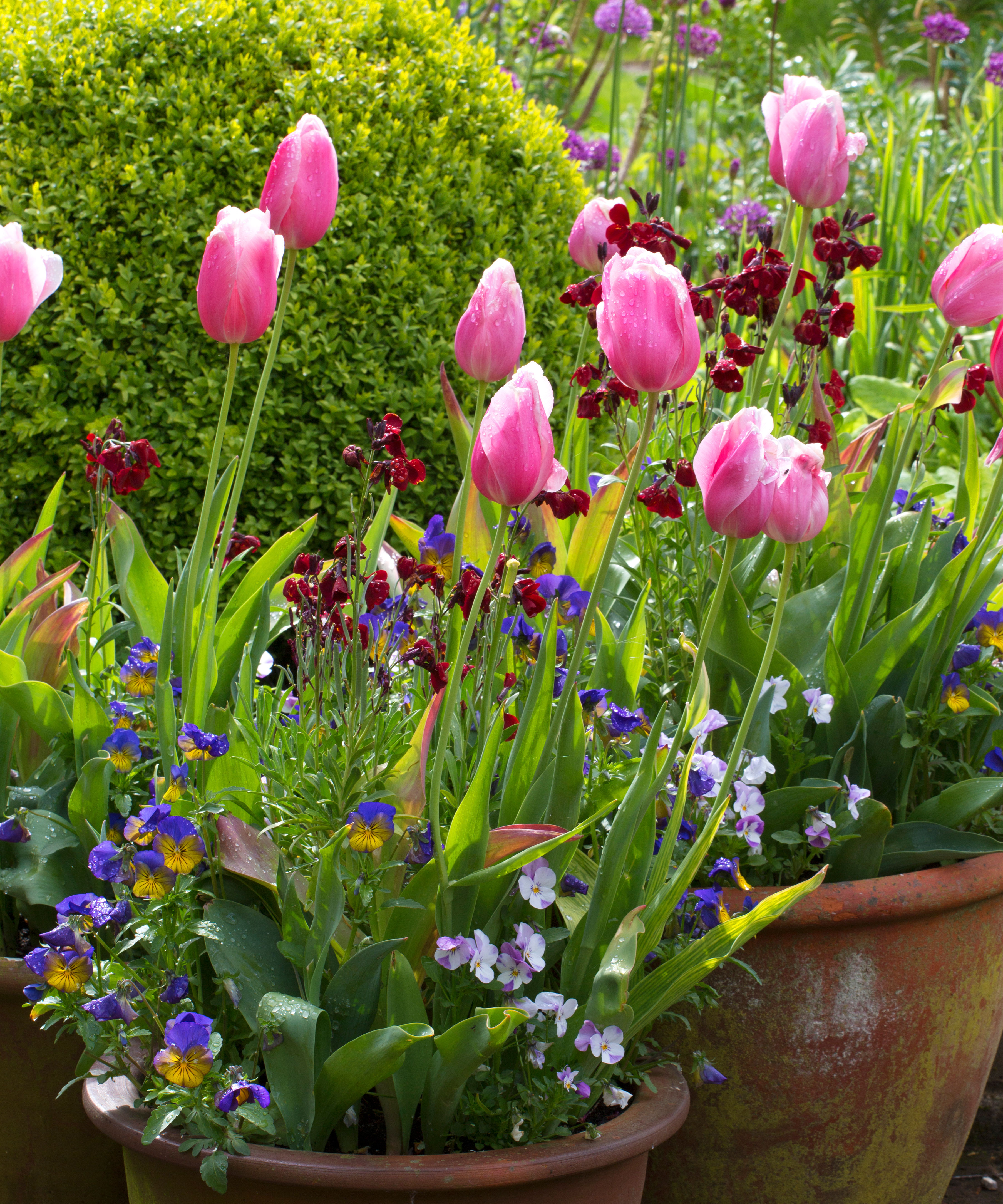
According to leading landscape designers, the common misconception that tulips are strictly "one-season-only" annuals stems largely from improper planting depths and poor drainage. When planted deeply—down to 8 inches in loose, sandy loam—tulips are insulated from extreme temperature fluctuations. This deep placement discourages the bulb from splitting into numerous tiny, non-flowering offsets (a phenomenon known as "bull-nosing" or "breaking up"), thereby encouraging the primary bulb to sustain itself and potentially return for subsequent seasons.
Furthermore, university agricultural extensions note that autumn soil moisture management is critical. While bulbs require a thorough soaking immediately after planting to settle the surrounding earth and initiate root-to-soil contact, they must never sit in waterlogged soil over the winter months. Excess winter moisture is the leading precursor to Fusarium basal rot and other fungal afflictions that decimate bulb populations before spring ever arrives.
Implications: Environmental, Aesthetic, and Economic Impact
Investing time and resources into autumn bulb planting carries far-reaching implications for home horticulture, urban ecosystems, and personal well-being.
Aesthetic Transformation
The visual return on investment for fall bulb planting is unmatched. A well-designed tulip display instantly elevates residential curb appeal, transforming drab, dormant post-winter landscapes into vibrant, living canvases. By utilizing techniques such as the "bulb lasagna"—layering early, mid, and late-blooming varieties vertically within a single container—gardeners can stretch a continuous wave of color across multiple weeks from a single footprint.
Ecological Support
While tulips are primarily cultivated for human aesthetic pleasure, they play a functional role in early-season pollinator ecologies. As honeybees and native early-emerging pollinators awaken from winter diapause, they actively forage for nectar and pollen. Early-season botanical and single-petaled tulip varieties provide a vital, accessible food source during a period when few other perennial plants are in flower.
Economic Considerations
Purchasing flower bulbs in bulk each autumn represents a modest financial commitment compared to buying fully grown nursery stock in the spring. By sourcing high-quality, heavy-grade bulbs and implementing sound cultivation practices, property owners maximize their botanical investment. Whether integrated into expansive cottage-style garden borders, organized into neat cut-flower trenches, or arranged in rustic terracotta pots, fall-planted tulips remain one of the most reliable and rewarding traditions in residential horticulture.
