Interior design often looks toward the future to find inspiration, pulling from emerging materials, avant-garde silhouettes, and cutting-edge color theories. However, some of the most enduring design lessons come from looking backward. More than two decades after it was first captured by cameras, the Chicago living room of Barack and Michelle Obama from 2004 is proving to be a masterclass in modern styling—largely due to a single, centuries-old design element: a richly patterned wall tapestry.
As contemporary homeowners and interior designers alike grapple with the sterility sometimes brought on by minimalist trends, the Obamas’ early-2000s aesthetic offers a refreshing alternative. By anchoring a restrained, cream-walled seating area with a vibrant, geometric-patterned woven wall hanging, the future president and first lady demonstrated how historical artifacts can breathe life, warmth, and individuality into a modern space. Today, this subtle design choice is driving a massive resurgence in tapestry decor, shifting the needle on how we think about wall art, acoustics, and architectural texture.
The Main Facts: The Enduring Appeal of Tapestry Decor
At its core, the appeal of a tapestry lies in its unique dual nature: it is simultaneously an artwork, a textile, and an architectural feature.
Historical Roots: Tapestries have graced human dwellings for over six00 years, originating heavily during the Middle Ages. Initially, they served a profoundly practical purpose alongside their aesthetic value. Hung across cold, imposing stone castle walls, woven textiles provided vital room insulation while telling intricate visual stories through color and pattern.
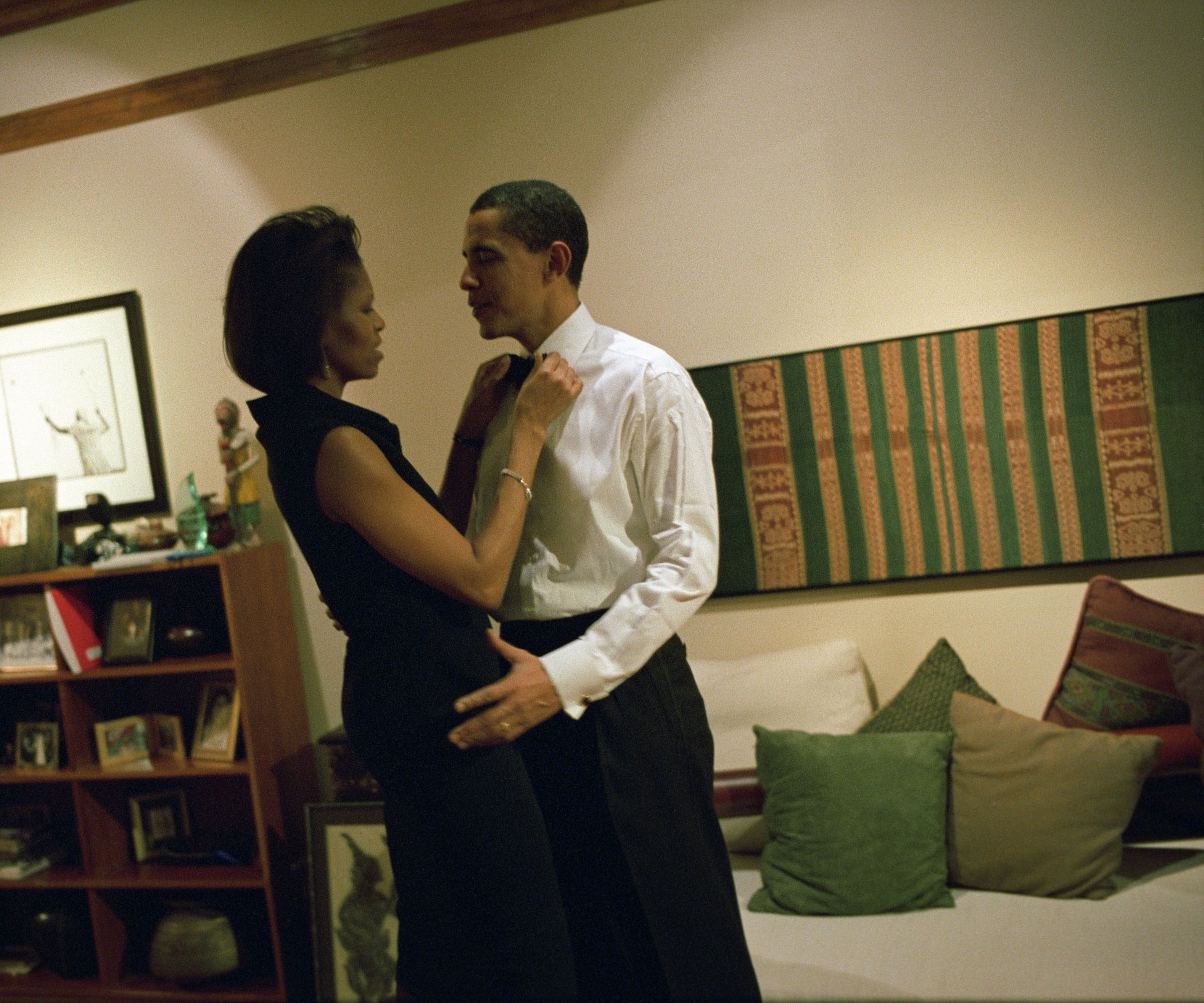
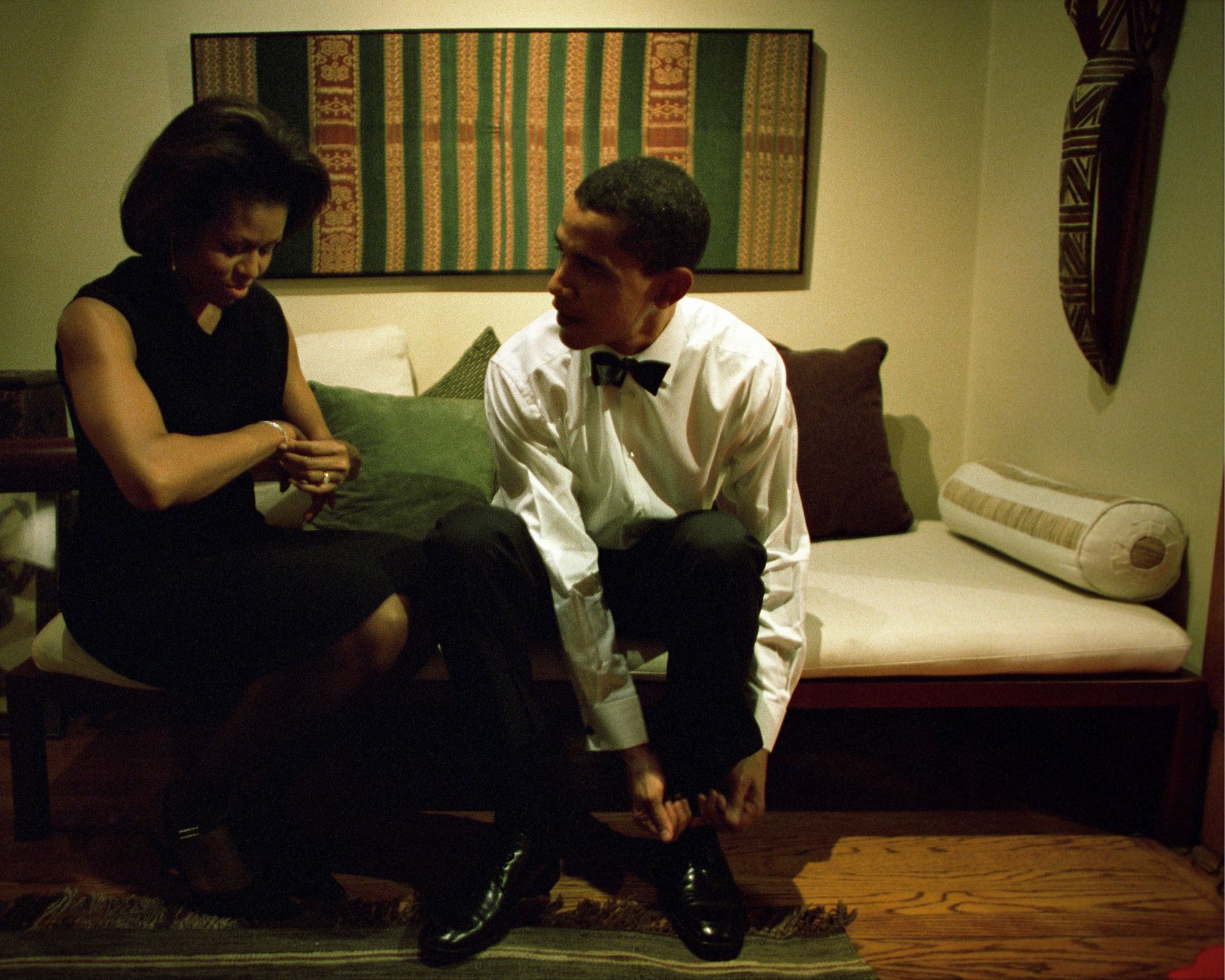
The Obama Living Room Benchmark: In archival photographs of the Obamas’ Chicago home taken in 2004, a large horizontal woven textile hangs prominently above their main seating area against a neutral cream backdrop. Featuring green tones and geometric motifs, the piece adds much-needed depth, color, and a collected, worldly feel without overwhelming the restrained color scheme.
Modern Renaissance: Interior experts note that woven wall hangings are staging a major comeback. Unlike traditional framed paintings or prints, tapestries introduce tactile softness, absorb sound to improve room acoustics, and effortlessly conceal minor wall imperfections.
Chronology: From Medieval Castles to 21st-Century Living Rooms
To understand why a 2004 design choice is resonating so strongly today, it helps to trace the trajectory of the woven wall hanging through history.
The Medieval and Renaissance Era (14th–16th Centuries)
Long before drywall and central heating, tapestries were the ultimate luxury status symbol for European nobility. Master weavers spent months—sometimes years—hand-crafting massive wool and silk pictorial panels depicting mythological scenes, battles, or pastoral landscapes. Because they were portable, wealthy families would pack up their tapestries and move them from one drafty estate to another, using them to trap heat in cavernous stone rooms.
The Mid-Century Modern Movement (1950s–1960s)
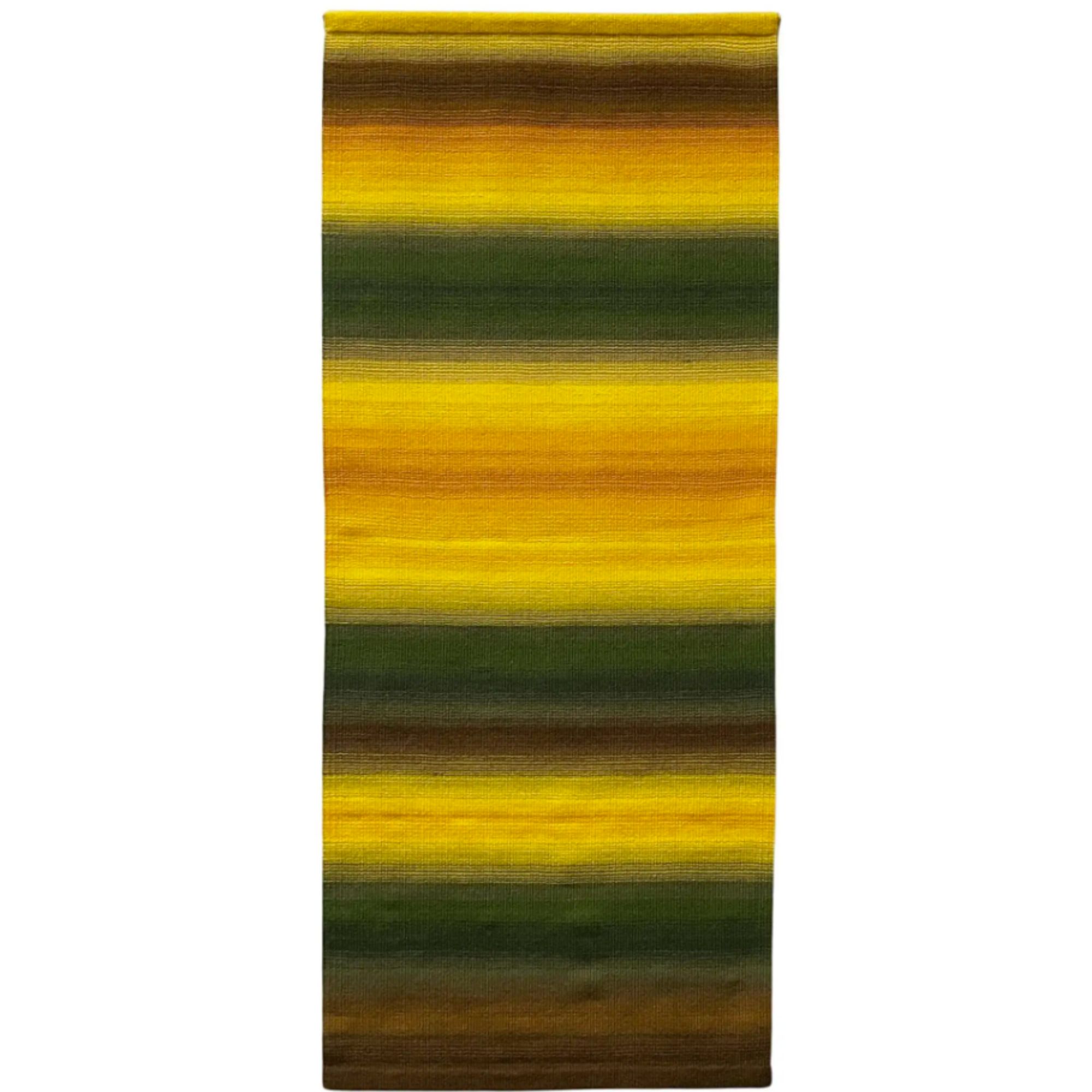
As architecture shifted toward clean lines, open floor plans, and industrial materials like steel and glass, interiors risked feeling cold. Mid-century designers in Scandinavia and North America revived the tapestry, turning to abstract geometric patterns, heavy wools, and rich, earthy palettes (such as the 1960s works by Finnish designers like Ulpu Räty).
The Obama Era and the Turn of the Millennium (2004)
When the Obamas curated their Chicago home ahead of Barack Obama’s ascent to national political prominence, they leaned heavily into a collected, eclectic aesthetic. The inclusion of a geometric, green-toned wall hanging in 2004 bridged the gap between traditional craftsmanship and modern restraint. It signaled that a home could feel both polished and deeply personal.
The Present Day Resurgence (2024–2026)
Fast-forward twenty years, and contemporary design trends are heavily prioritizing "soulful" interiors. As mass-produced, sterile decor falls out of favor, consumers are looking for items that tell a story. The Obama living room has resurfaced in design circles as the ultimate blueprint for integrating historic textiles into contemporary spaces without making a room feel stuffy or antiquated.
Supporting Data and Expert Insights
To gain a clearer picture of why tapestries are dominating current trend forecasts, industry leaders point to a cultural shift away from fast-furniture and toward authentic, tactile living spaces.
Steve Larkin, an interior styling expert at Lark & Larks, emphasizes that tapestries offer architectural solutions that hard finishes simply cannot replicate.
"Tapestries are trending again because they are a way to incorporate historical motifs and styles into modern homes," explains Larkin. "They add a unique warmth and texture to contemporary interior design styles, but they are also practical in that they can improve acoustics or be used to conceal imperfections on walls."
Furthermore, interior psychology studies indicate that homes featuring diverse textures—such as woven wool, raw wood, velvet, and stone—significantly reduce stress levels compared to ultra-sleek, monochromatic environments. Tapestries provide an instant injection of depth, movement, and organic warmth.
"There is currently a desire for more meaningful and intentional decor in homes, and the rich history of tapestries resonates with this," Larkin adds. "Tapestries can carry deep cultural meaning, as they may reflect the traditions or beliefs of who made them, and their labor-intensive creation process can satisfy people’s desire for authenticity and individuality in their homes."
Official Perspectives and Industry Adaptations
The influence of the textile revival extends far beyond hanging a piece of fabric on a drywall partition. High-end interior designers and textile houses are actively borrowing the motifs, color stories, and craftsmanship techniques associated with historical tapestries and applying them across the entire design spectrum.
According to market observations from leading interior publications:
Wallpaper and Upholstery: Contemporary designers are translating the rich, illustrative patterns of antique tapestries into large-scale wall coverings and statement upholstery fabrics, allowing homeowners to embrace the trend even if they aren’t ready to hang a textile on the wall.
Multifunctional Styling: Modern styling guidelines have discarded the notion that tapestries belong exclusively in formal studies or traditional living rooms. Experts advocate for using them as dramatic alternatives to headboards in bedrooms, as bohemian room dividers in open-plan apartments, or as oversized statement art in minimalist entryways.
Implications for Modern Homeowners
What does the enduring legacy of the Obamas’ 2004 living room mean for the average decorator? Primarily, it serves as an invitation to slow down and prioritize character over coordination.
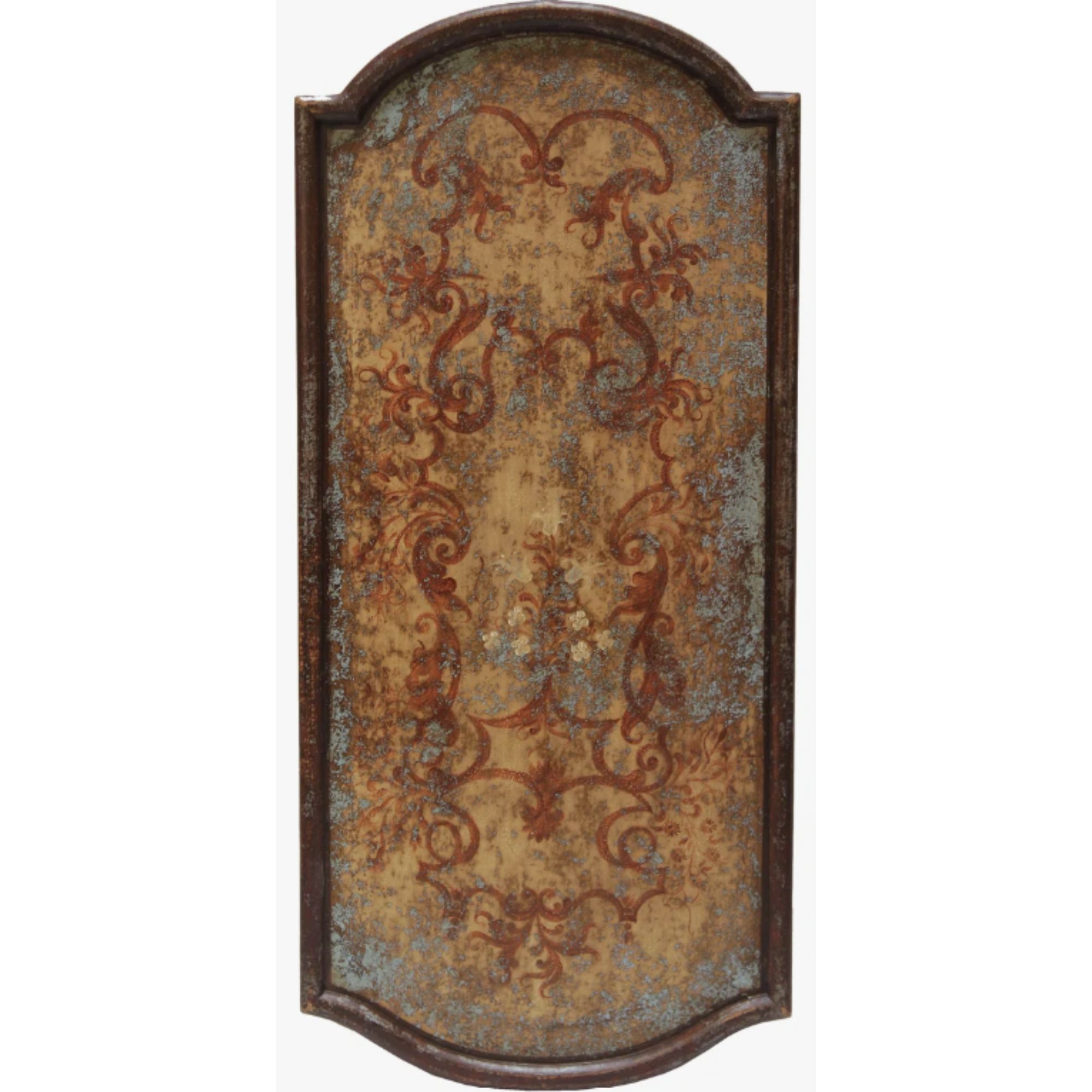
Embrace Imperfection and History: You do not need a museum-quality antique to capture the look. Mid-century modern wool wall hangings, textured artisanal weaves, and even distressed wood-and-fabric wall panels can introduce the same weathered, layered character into a space.
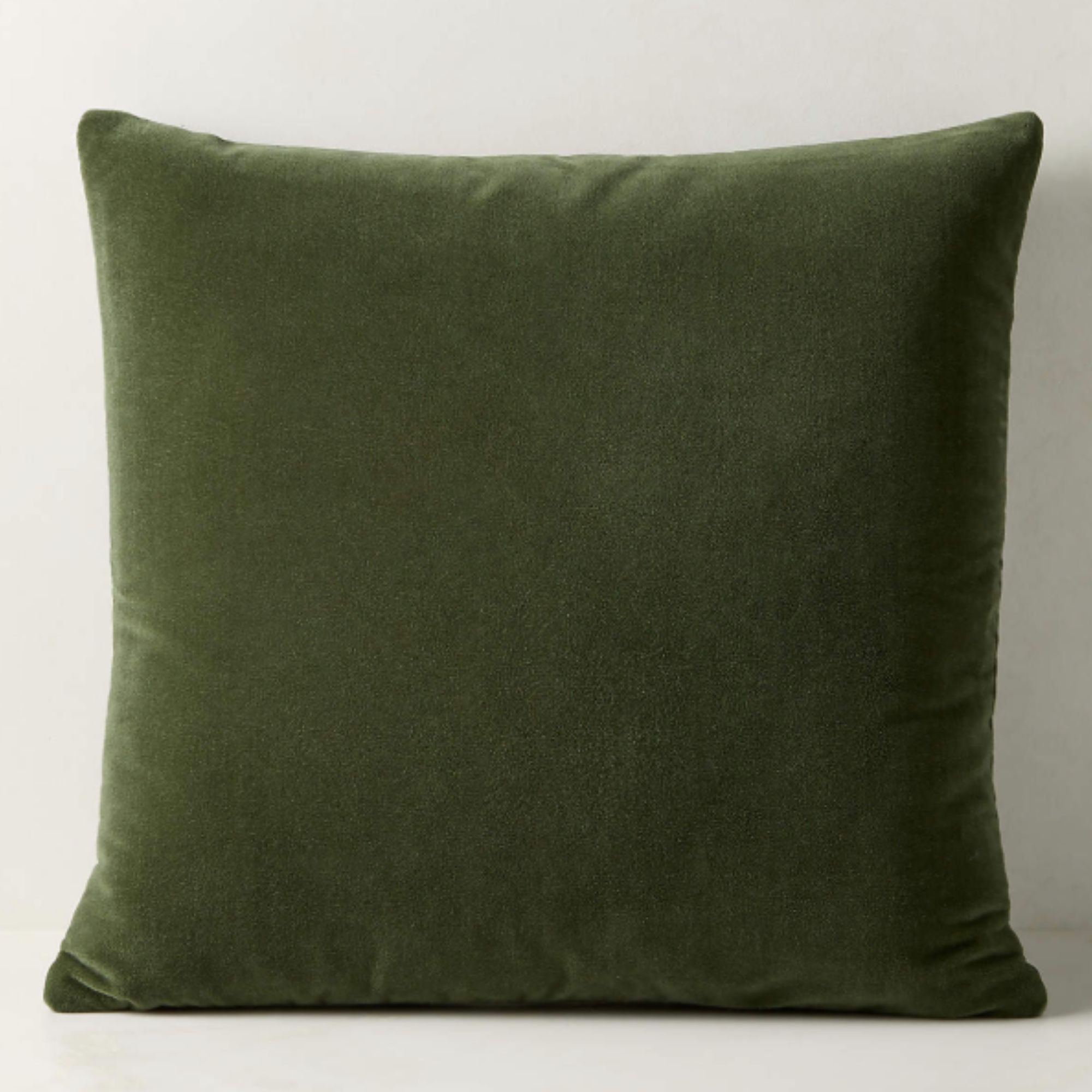
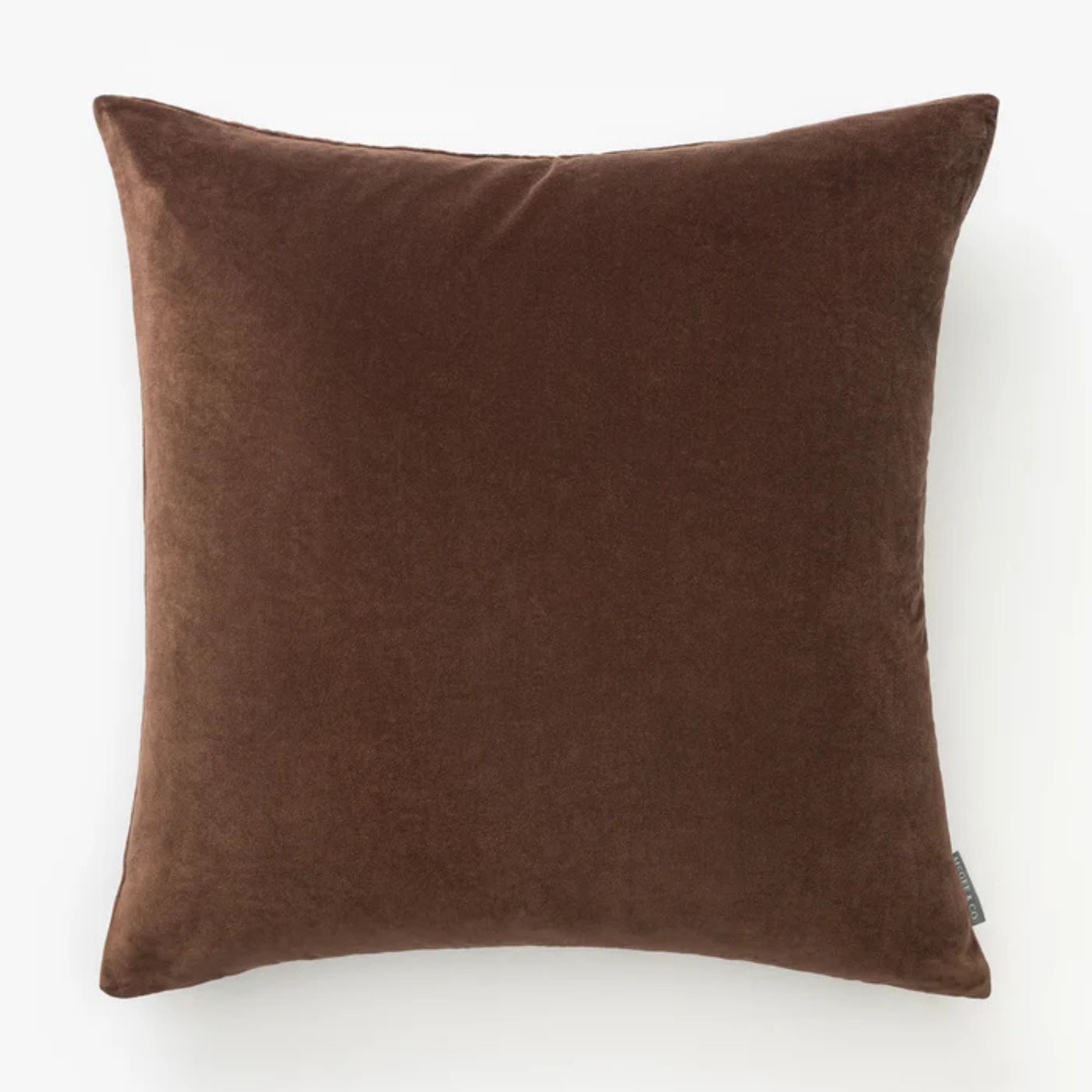
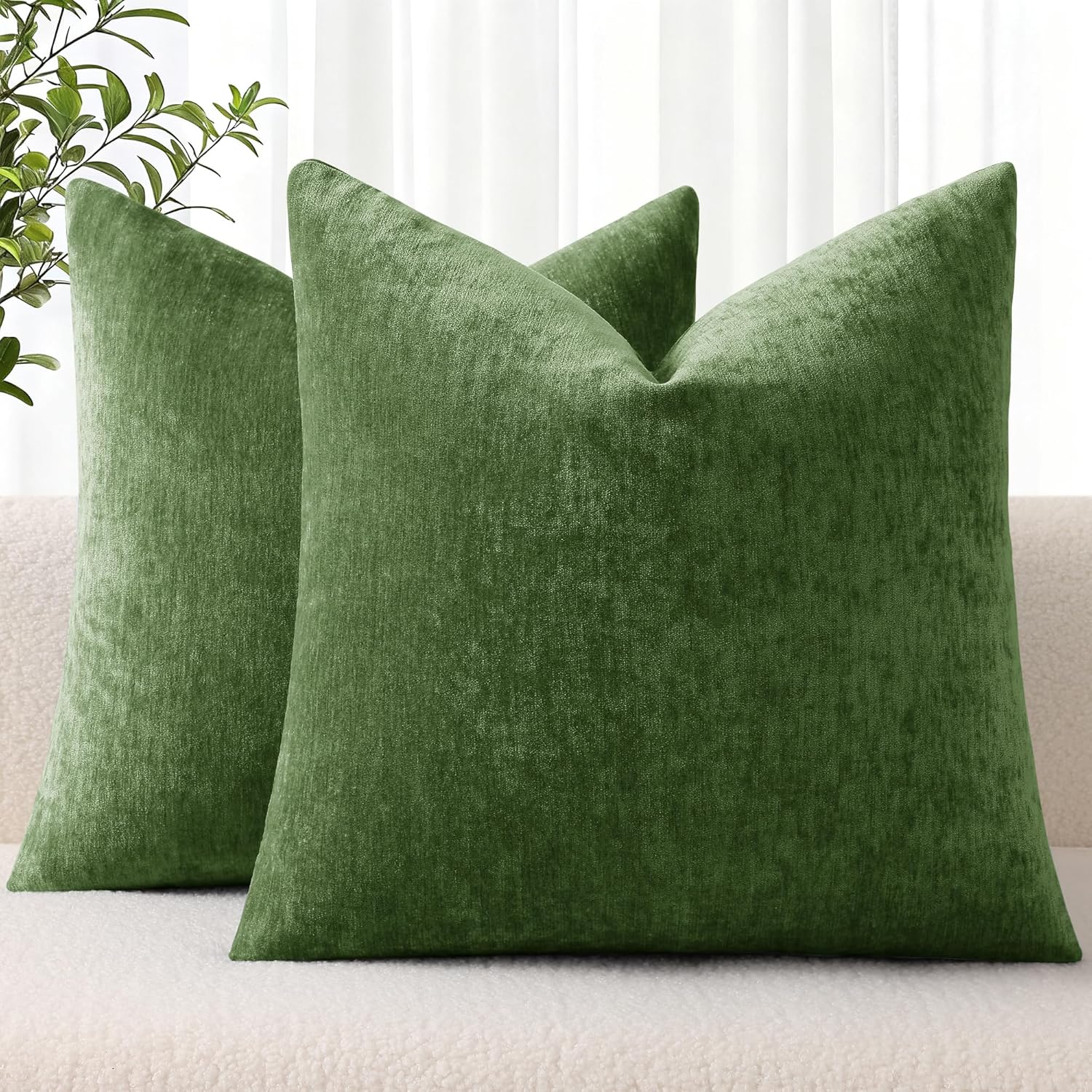
Layer Earthy Tones: The success of the Obamas’ wall hanging relied heavily on its color palette. By picking up green undertones and pairing them with rich wooden furniture and neutral upholstery, they created a harmonious, grounded environment. Homeowners can easily replicate this by pairing textured green accent pillows or rugs with warm wood accents.
Soften Hard Surfaces: As modern architecture continues to favor polished concrete, large glass windows, and minimalist metal framing, homes run the risk of feeling acoustically harsh and visually cold. Introducing a soft, woven textile breaks up expansive flat walls and absorbs sound, making living spaces feel instantly more intimate and inviting.
Ultimately, the lesson from Barack and Michelle Obama’s iconic living room is clear: when decorating for the future, looking backward is often your best design asset. The pieces with the deepest history are, remarkably, the ones that make a modern home feel most alive.