

By The Lifestyle & Culinary Desk
Published: October 2023
Main Facts: The Resurgence of Autumn Baking and Kitchen Craft
As the crisp autumn air settles and deciduous trees transform into vibrant tapestries of amber and gold, a corresponding shift occurs indoors. Fall is indisputably the premier season for baking. From spiced pumpkin pies and cinnamon-infused breads to rustic fruit galettes and hearty traybakes, the kitchen transitions from a space of functional necessity into the sensory heart of the home.
This seasonal pivot is driven by more than just a craving for comfort food. According to recent culinary and retail market analyses, autumn initiates a multi-month spike in homeware sales, specifically within the baking and hosting categories. Consumers are increasingly seeking out tools that bridge the gap between high-performance utility and aesthetic charm.
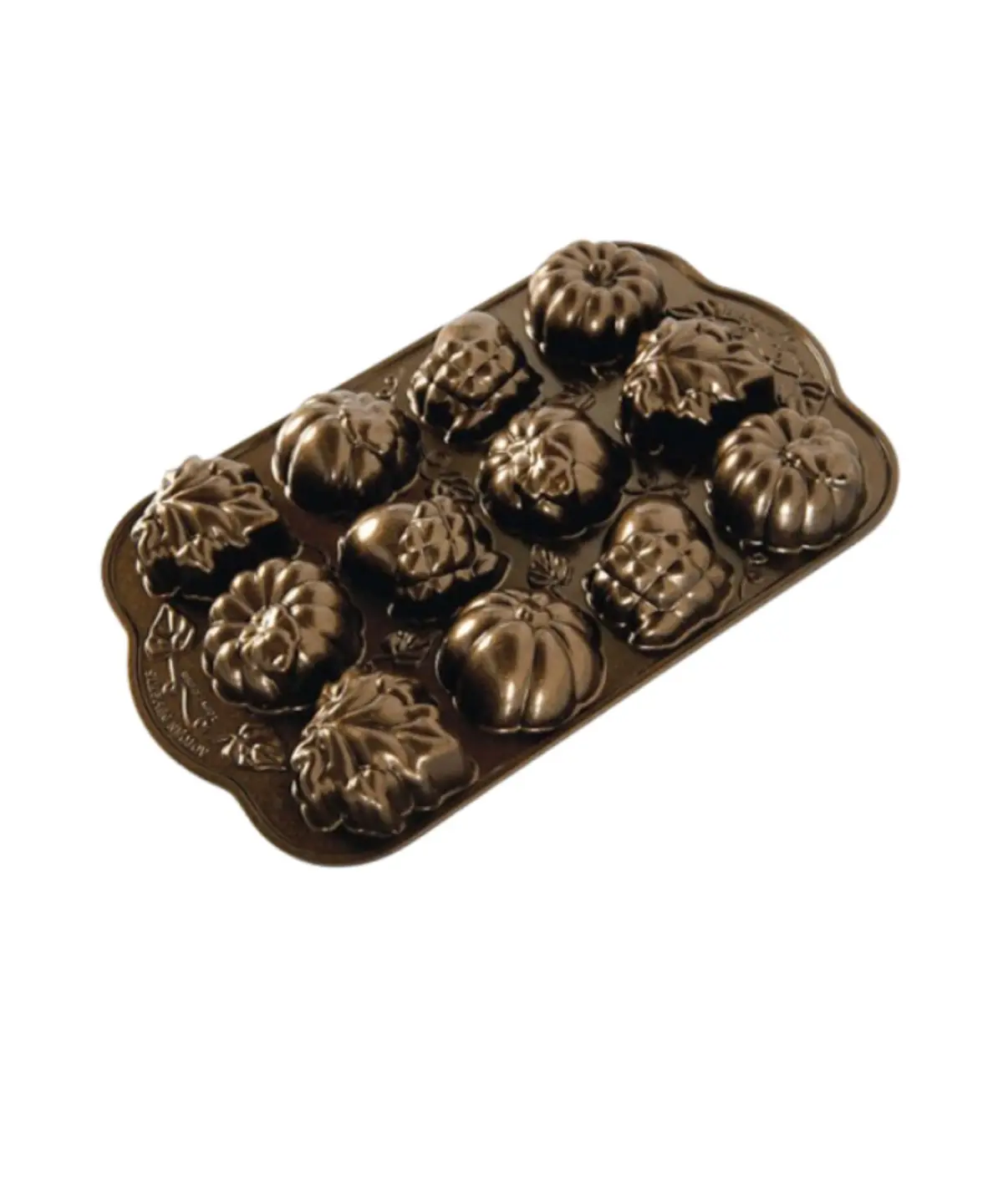
Whether you are a seasoned pastry chef refining your laminated doughs, a novice home cook experimenting with your first loaf of sourdough, or someone searching for the ideal holiday gift for the gastronome in your life, the current market offers an unprecedented array of specialized equipment. From heavy-duty stand mixers capable of kneading enriched doughs to intricate, heirloom-quality cast-aluminum molds, today’s bakeware market caters to every conceivable skill level and baking style.
Furthermore, this culinary enthusiasm coincides with the rapid approach of the autumn and winter hosting season. As Friendsgiving, Thanksgiving, and various end-of-year celebrations draw near, home cooks are getting a head start on dessert preparation, tabletop styling, and home decor integration.
Chronology: The Evolution of Seasonal Home Baking
To understand why autumn holds such a revered place in the modern kitchen, it is helpful to examine how seasonal baking has evolved from an agrarian necessity into a cherished lifestyle ritual.
Pre-Industrial Roots: Harvest Celebrations
Historically, autumn was the period of final harvest—a time when root vegetables, apples, pears, and winter squashes were gathered, and grains were threshed. In agrarian societies, baking in the fall was not a leisure activity; it was a method of food preservation and caloric stockpiling for the lean winter months ahead. Spices brought via global trade routes, such as cinnamon, nutmeg, and cloves, were traditionally expensive luxuries saved for harvest festivals and feast days, cementing their association with autumn flavors.
The Mid-20th Century: The Birth of Convenience
With the advent of the post-war economic boom and mass-manufactured kitchen appliances—most notably the widespread adoption of electric stand mixers and commercial baking tins—home baking shifted from subsistence to creative expression. Cookbooks and televised cooking shows popularized the concept of weekend baking, making complex desserts accessible to the suburban household.
The 21st-Century Renaissance: Digital Inspiration and Wellness
The contemporary baking boom, however, has distinct modern catalysts. Over the past decade, and particularly accelerated by global shifts toward home-centric living in the 2020s, baking has been re-embraced as a form of mindful therapy. Culinary platforms, video-driven social media tutorials, and specialized design blogs have transformed baking into a visual art form. Today’s home bakers are just as concerned with the aesthetic presentation of their creations—from the glossy sheen of a glaze to the rustic charm of a ceramic pie dish—as they are with taste.
This evolution has culminated in the current landscape, where brands release curated autumn collections months in advance, merging heritage craftsmanship with modern ergonomic design to meet the soaring consumer demand for seasonal nesting.
Supporting Data: Market Trends and Consumer Insights in Bakeware
The enthusiasm for autumn baking is robustly supported by retail data, consumer spending habits, and culinary industry metrics.
1. The Home Goods Spending Surge
According to retail analytics from home and garden sector reports, consumer spending on kitchen appliances, bakeware, and tabletop accessories experiences a predictable 35% to 50% surge between September and December. Within this bracket, items classified under "specialty bakeware"—such as fluted bundt pans, ceramic gratin dishes, and enameled cast-iron Dutch ovens—see the steepest increase in sales velocity.
2. Stand Mixer Demand and Technological Longevity
Stand mixers remain the undisputed crown jewel of the kitchen counter. Market research indicates that investment in high-end kitchen electronics continues to grow, driven by consumers looking for "forever items." Modern buyers are moving away from disposable plastic appliances in favor of robust, metal-bodied mixers equipped with powerful direct-drive motors capable of handling heavy brioche doughs, whipping meringues, and mixing dense batters without stalling.
3. The Intersection of Baking and Home Decor
A notable trend in recent years is the blurring of lines between kitchenware and living room decor. Bakeware is no longer relegated to dark cabinets; items are increasingly designed to double as serveware that goes straight from the oven to the dining table. This aligns with broader interior design trends emphasizing tactile materials—stoneware, cast iron, fluted ceramics, and brushed metals—that complement fall table decor ideas, such as dried botanicals, layered linens, and ambient lighting.
Official Industry Responses and Expert Perspectives
Culinary experts, product designers, and home economists emphasize that the secret to successful autumn baking lies not just in the ingredients, but in the intentionality of the tools used.
The Shift Toward Heritage and Durability
Speaking on current design directions, leading kitchenware developers note a definitive consumer pivot toward items that evoke nostalgia while offering modern performance.
"We are seeing a profound desire for permanence in the kitchen," notes a senior product developer for a premier international cookware brand. "When consumers bake in the fall, they are engaging in a sensory tradition. They want tools that feel substantial in the hand—heavy-gauge aluminized steel that won’t warp, ceramic glazes that resist chipping, and mixers that will last for generations. Baking is an act of care, and the equipment should reflect that level of investment."
Ergonomics Meet Aesthetics
Culinary instructors and professional bakers frequently stress the importance of balancing aesthetic appeal with ergonomic function. While a beautifully detailed pumpkin-shaped cake mold or a deep-ribbed bundt pan provides stunning visual results, the underlying metallurgy or ceramic engineering must ensure even heat distribution.
"Hot spots are the enemy of autumn baking," explains a veteran pastry chef and cookbook author. "When you are working with rich, dense ingredients like pureed pumpkin, melted butter, and dark sugars, even baking is critical. The best modern bakeware combines thermal efficiency with designs that make the baker’s life easier—non-stick coatings that actually release delicate pastries, and handles that provide a secure grip when pulling heavy dishes from a 425-degree oven."
Implications: The Psychological, Social, and Economic Impact of Autumn Baking
The cultural embrace of fall baking carries far-reaching implications for domestic life, mental well-being, and the broader hospitality economy.
1. Psychological Benefits and Mindfulness
In an era dominated by digital screens and fast-paced communication, baking offers a rare tactile refuge. Measuring dry ingredients, kneading dough, watching yeast rise, and smelling spices warm up the kitchen engage all five senses. Psychologists frequently cite baking as an effective form of behavioral activation and stress reduction. The deliberate pace of autumn baking—where rushing often leads to culinary failure—forces practitioners to slow down, practice patience, and experience the satisfaction of a tangible, creative output.
2. The Community and Social Dimension of Hosting
As the weather cools, social activities migrate indoors. Fall baking serves as a natural anchor for community and connection. Whether it is sharing a warm apple galette with neighbors, packing up boxes of spiced cookies for coworkers, or hosting a meticulously styled autumn dinner party, food acts as a social lubricant. The modern emphasis on cohesive home aesthetics—matching one’s bakeware to fall table decor—reflects a deeper cultural desire to create warm, welcoming, and beautiful environments for loved ones.
3. Economic and Retail Adaptations
For retailers and culinary brands, the autumn baking season represents a critical financial window. Brands that successfully merge functional innovation with seasonal storytelling capture significant market share. The expectation for multi-functional products—bakeware that performs impeccably in the oven and looks stunning on a dining table—is driving manufacturers to collaborate closely with interior designers and culinary influencers. Consequently, marketing strategies have evolved from simple product promotions to offering holistic lifestyle blueprints, encompassing everything from stand mixer guides to comprehensive fall table styling tips.
Conclusion: Embracing the Season
As the days grow shorter and the kitchen becomes the glowing, aromatic center of domestic life, investing in the right tools and embracing the ritual of baking offers rich rewards. From the mechanical reliability of a hardworking stand mixer to the charming presentation of seasonal molds and thoughtfully curated table decor, autumn invites us to slow down, get our hands flour-dusted, and share the fruits of our labor with those we hold dear. Whether you are an experienced artisan or a curious beginner, the golden season of baking is waiting.
