

TORONTO — While the Toronto International Film Festival (TIFF) has traditionally served as the ultimate launchpad for prestige cinema and Academy Award hopefuls, the 2026 edition underscored a seismic shift in the entertainment landscape. TIFF has officially become a battleground for the future of streaming television, particularly in the booming horror and genre space.
Major streaming heavyweights—including Peacock, Netflix, Amazon Prime Video, and AMC+—descended upon Toronto to showcase early looks at their premier autumn slates. By utilizing the festival as a launchpad for serialized terror, these platforms have underscored a hard industry truth: October is no longer just a month on the calendar; it is the most lucrative and strategically vital real estate in the streaming ecosystem.
Main Facts: The 2026 Streaming Horror Blitz
The convergence of prestige film culture and episodic horror at TIFF 2026 highlighted four major upcoming series set to drop just in time for Halloween.
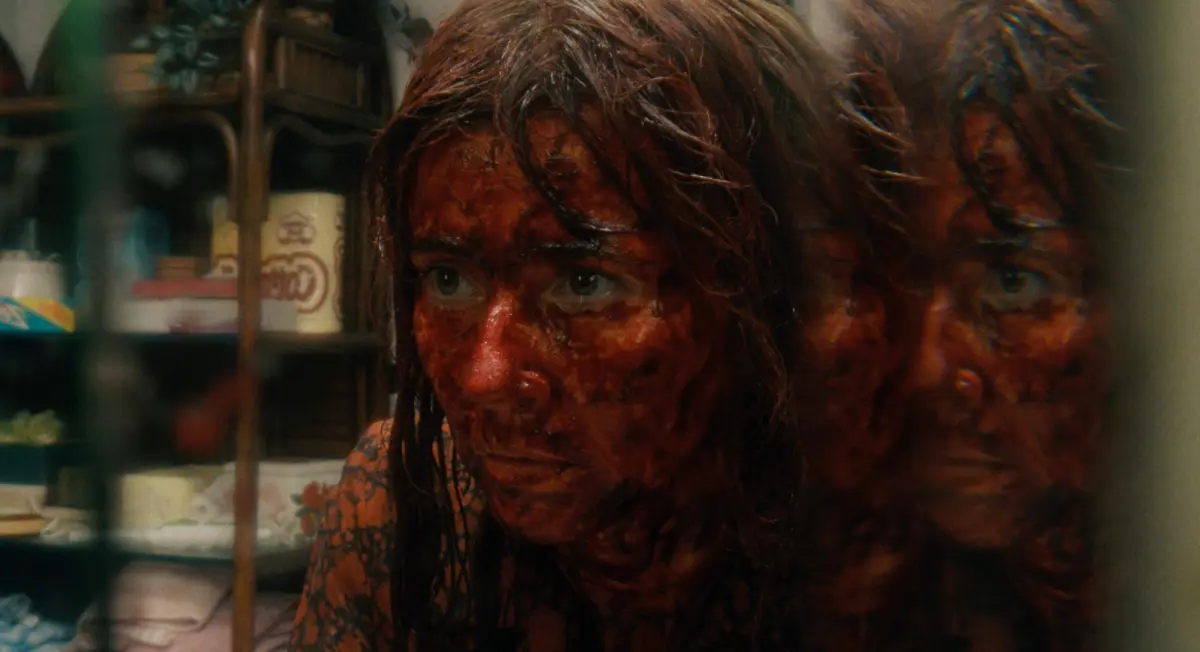
At the forefront is Prime Video’s Carrie, a high-profile modern adaptation of Stephen King’s seminal debut novel. Helmed by master of modern horror Mike Flanagan, the series marks his first major television project since signing an overall deal with Amazon in 2022.
Netflix countered with Below, a dark, atmospheric sea-creature thriller set in Newfoundland, starring Josh Hartnett. The six-part series premieres just a day after Carrie, setting up an immediate platform clash.
Peacock entered the ring with Crystal Lake, a psychological prequel to the Friday the 13th franchise starring Linda Cardellini as Pamela Voorhees.
Finally, AMC+ rounded out the heavy-hitting lineup with Yaga, a supernatural detective series featuring Carrie-Anne Moss and Hudson Williams.
Together, these rollouts signal a massive financial and creative investment in horror, proving that dark, genre-driven storytelling is driving subscriber acquisition more effectively than ever.
Chronology: The Evolution of October as Horror Prime-Time
The strategic clustering of horror content every October is not an accident; it is the culmination of years of changing consumer habits and platform positioning.
- 2018–2023 (The Netflix Golden Era): Mastermind director Mike Flanagan established a near-annual October tradition on Netflix. With critically acclaimed limited series like The Haunting of Hill House (2018), Midnight Mass (2021), and The Fall of the House of Usher (2023), Flanagan proved that audiences craved high-concept, emotionally resonant horror during the weeks leading up to Halloween. His brand of dramatic terror became synonymous with Netflix’s fall lineup.
- December 2022: In a massive industry shakeup, Amazon poached Flanagan and his producing partner Trevor Macy (Intrepid Pictures) from Netflix, locking them into an exclusive overall deal to develop projects for Prime Video. This set the stage for Carrie.
- September 2026 (TIFF): Peacock, Netflix, Amazon, and AMC converge on the Toronto International Film Festival to premiere first-look screenings and footage of their respective horror-adjacent tentpoles.
- October 7, 2026: Prime Video premieres Carrie, officially kicking off the month’s blockbuster horror slate.
- October 8, 2026: Netflix debuts Below, keeping up the pressure in the streaming wars.
- October 15, 2026: Peacock drops all episodes of Crystal Lake, offering a heavy dose of nostalgia and extreme gore.
- October 23, 2026: AMC+ rounds out the month with the supernatural detective mystery Yaga.
Supporting Data: The Exponential Rise of Horror in 2026
The aggressive streaming strategies unveiled at TIFF do not exist in a vacuum. Throughout 2026, horror has proven itself to be the most reliable and culturally dominant genre across film, television, and subscription-video-on-demand (SVOD) platforms.
Industry analysts note that horror has effectively subsidized theatrical box offices and driven record-breaking digital engagement this year.
- Box Office Dominance: Original theatrical horror-adjacent hits like Backrooms and Obsession exploded at the global box office, shattering pre-release tracking and proving that audiences are eager for fresh intellectual property in dark spaces.
- Critical and Awards Recognition: Horror and dark thrillers are no longer relegated to the cultural periphery. Apple TV+’s genre hit Widow’s Bay achieved a dominating night at the Emmy Awards, sweeping multiple major categories and permanently altering how the Television Academy views speculative fiction and horror television.
- The TIFF Pivot: Historically, festivals like TIFF, Cannes, and Venice avoided long-form television. However, the decision by festival organizers to welcome streaming horror previews reflects the undeniable commercial gravity pulling the industry toward episodic genre content.
Deep Dive: Breaking Down the Fall 2026 Lineup
1. Carrie (Prime Video — Premieres October 7)
Stephen King’s 1974 novel has seen numerous adaptations, including Brian De Palma’s legendary 1976 feature film, a 2002 television movie, and a 2013 cinematic reboot. However, Mike Flanagan’s version is uniquely positioned to redefine the material.
Transitioning the story into a serialized format gives the narrative much-needed room to breathe, elevating the teen drama to new emotional depths. Early reviews of the premiere episode indicate that Flanagan has successfully modernized the setting: much of the psychological torment and bullying takes place within cyberspace, reflecting contemporary adolescent realities. True to form, the series also features Flanagan’s trademark sprawling, character-driven monologues, blending high-stakes drama with visceral supernatural dread.
2. Below (Netflix — Premieres October 8)
Dropping a mere 24 hours after Amazon’s Carrie, Netflix’s Below takes a starkly different approach to terror. Spanning six episodes, the series follows an ancient, malevolent sea creature that begins terrorizing a tight-knit, isolated fishing village in Newfoundland, Canada.
Early screenings of the first two episodes at TIFF praise the show’s pacing. Rather than relying on cheap jumpscares, Below leans into slow-burn cosmic dread, steadily building the mystery of the creature’s reveal. At its emotional core is Josh Hartnett, who delivers a grounded performance as a struggling local fisherman fighting desperately to keep his family afloat amidst environmental and supernatural collapse.
3. Crystal Lake (Peacock — Premieres October 15)
For decades, fans of the Friday the 13th franchise wondered about the emotional mechanics behind Pamela Voorhees’ vengeance. Peacock’s prequel series, Crystal Lake, answers that question with brutal clarity.
Starring Linda Cardellini as Pamela Voorhees, the series explores the harrowing descent of a single mother following the tragic drowning of her young son. While skepticism surrounded the necessity of expanding the franchise’s lore, TIFF screenings of the first two episodes quickly dispelled doubts. Critics highlighted Cardellini’s performance as a tour de force of grief and psychological fracture. The series bridges deep character-driven tragedy with classic slasher-movie gore—featuring gross-out practical effects so extreme they occasionally border on pitch-black dark comedy. All episodes drop on October 15.
4. Yaga (AMC+ — Premieres October 23)
Rounding out the month is AMC+’s supernatural detective series, Yaga. While critics at TIFF were unable to catch the early premiere, promotional materials and the official trailer have generated immense buzz online. Boasting a stellar cast that includes genre royalty Carrie-Anne Moss alongside Heated Rivalry star Hudson Williams, Yaga promises to blend procedural detective work with dark, folkloric myth-making when it arrives on October 23.
Implications: What This Means for the Future of Television
The high-stakes presence of horror at the 2026 Toronto International Film Festival signals a permanent evolution in how media conglomerates market their products.
First, October is the New July. While summer blockbusters used to rule the theatrical calendar, streaming services have successfully claimed October as their flagship release window. By anchoring multi-million-dollar franchises and auteur-driven series to the Halloween season, platforms can guarantee massive subscriber spikes and concentrated engagement.
Second, Auteurs are Embracing Serialized Terror. Filmmakers who once looked down on television are now leveraging streaming platforms to tell sprawling, novelistic horror stories. Mike Flanagan’s migration from Netflix to Amazon proves that top-tier creators view high-end television as the ideal medium for complex, long-form dread.
Finally, Genre is King. As subscription fatigue challenges traditional streaming models, platforms are leaning heavily into reliable, passionate fanbases. Horror fans are among the most vocal, engaged, and loyal consumers in entertainment. By delivering premium horror content with cinematic production values—showcased proudly at world-class events like TIFF—streamers have ensured that the dark side of television will continue to reign supreme for years to come.
