

Introduction and Main Facts
For millions of households, offices, and hospitality suites across North America, the morning routine begins with the familiar hiss, hum, and splash of a Keurig single-serve coffee maker. Celebrated for their intuitive interfaces, low maintenance, and long-lasting mechanical reliability, these appliances have cemented themselves as a cornerstone of modern kitchen convenience. Users simply lift a handle, drop in a pre-packaged capsule, press a button, and watch as a piping-hot beverage fills their mug in seconds.
However, a persistent limitation of the single-serve revolution has always been the coffee creamer paradox. While black coffee lovers enjoy absolute autonomy, those who prefer milk, cream, or specialty lattes have traditionally had to rely on perishable refrigerated items, standalone milk frothers, or messy liquid creamers.
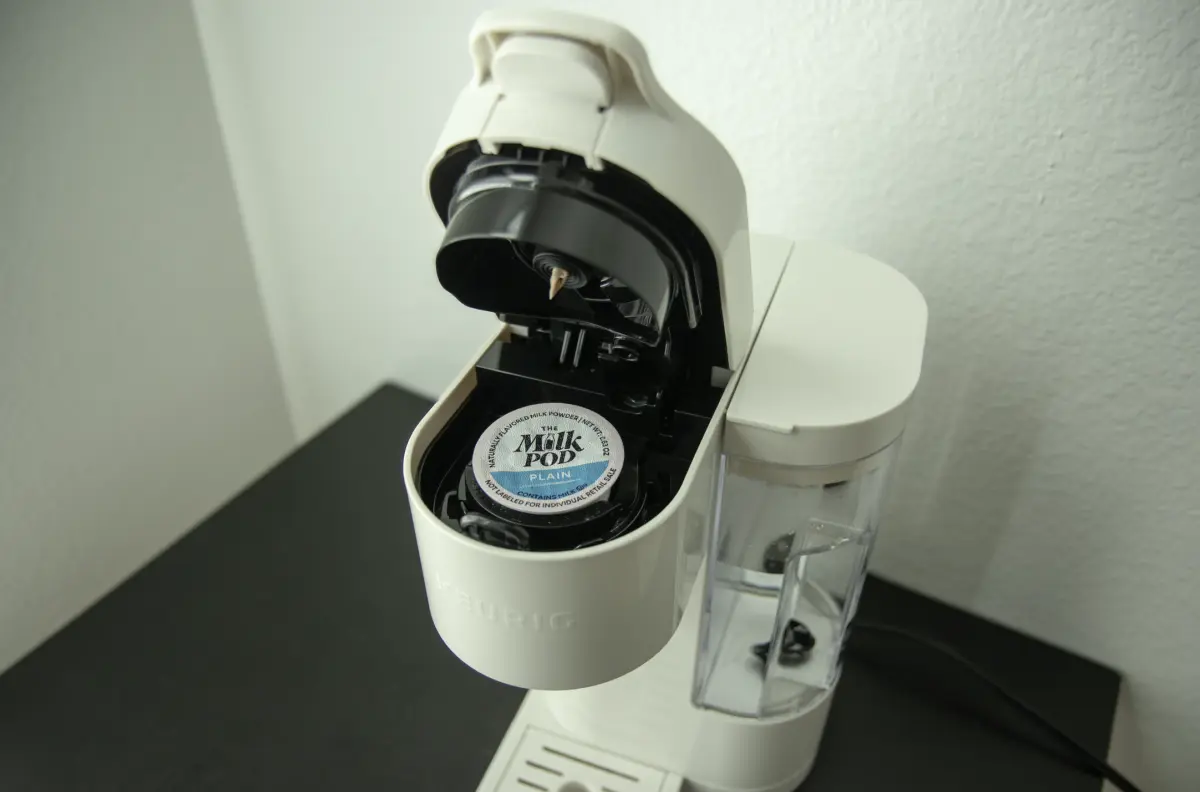
That dynamic is shifting. Enter The Milk Pod—a revolutionary line of shelf-stable, single-serve dairy capsules engineered to integrate seamlessly into standard Keurig machines.
Key Takeaways of the Milk Pod System:
- Zero Refrigeration Required: Utilizing an advanced formulation of milk powder and natural ingredients, these pods boast an impressive 15-month shelf life without needing cold storage.
- Flavors Available: Currently offered in three distinct profiles—Plain, Vanilla, and Caramel.
- Mechanical Compatibility: They fit directly into the traditional K-Cup receptacle of standard Keurig brewers without requiring adapters or specialized equipment.
- Economic Breakdown: Retailing at approximately $1.00 per pod, they offer a middle ground between traditional grocery store dairy and expensive daily cafe visits.
Chronology of Product Integration and Testing
To understand how these novel pods perform in real-world conditions, a multi-week, hands-on testing protocol was conducted, charting the user experience from unboxing to long-term ownership.

Phase 1: Unboxing and Initial Setup
Unlike complex espresso machines outfitted with steam wands, integrated milk carafes, or external frothing attachments, the Milk Pod requires virtually zero configuration. Upon opening the shipping box, testers were able to run their first test beverage within minutes.
The physical pods slide directly into the standard K-Cup holder of the Keurig machine. There are no proprietary needles to install, no Bluetooth pairing processes, and no firmware updates to run.
Phase 2: Daily Brewing Routines
During consecutive weeks of morning testing, a specific workflow emerged. To ensure the final beverage fit neatly into a standard ceramic mug, testers followed a two-step sequence:
- Brewing the Milk First: Utilizing a 6-ounce volume setting, the milk pod is run through the machine, emerging hot, texturized, and frothy.
- Adding the Coffee: Without removing the machine’s primary housing, a standard coffee K-Cup (in this case, a dark-roast grocery store brand) is inserted and brewed at a matching 6-ounce volume.
The primary operational hurdle noted during this phase was not the pods themselves, but the physical limitations of standard Keurig water reservoirs. Many mainstream machines feature a 30-ounce tank. Because producing a latte-style drink requires cycling hot water through both a milk pod and a coffee pod, the water reservoir is depleted rapidly—frequently triggering low-water warnings by the second cup and necessitating frequent trips to the sink.

Phase 3: Post-Travel and Long-Term Storage Evaluation
A unique advantage of the 15-month shelf stability became apparent during a multi-week travel hiatus. Upon returning home, testers faced no spoiled cartons of milk lingering in the refrigerator. More importantly, there was no immediate, bleary-eyed necessity to make an early-morning grocery run just to secure coffee additives for the first day back.
Supporting Data and Sensory Evaluation
Convenience is a powerful marketing metric, but in the realm of specialty beverages, flavor and mouthfeel ultimately dictate long-term consumer adoption. Testers evaluated the three available flavors across various parameters.
Flavor Profiles Breakdown
| Flavor Variant | Sensory Description | Best Paired With | Overall Verdict |
|---|---|---|---|
| Plain | Neutral creaminess; distinct from standard fluid milk; slight powdery residual texture. | Dark roasts, medium-roast drip coffees, black tea. | Good functional alternative, though traditionalists may miss fresh dairy micro-foam. |
| Caramel | Complex, nutty bitterness; well-balanced sweetness reminiscent of artisanal caramel candy. | Bold, bitter dark roasts and earthy blends. | Highly impressive; masks the dehydrated nature of the base remarkably well. |
| Vanilla | Dominant, sweet profile mimicking commercial vanilla syrup; powerful aromatic presence. | Iced lattes, lighter roasts, or heavily diluted coffee blends. | Tends to overpower delicate coffees; benefits from careful pairing. |
Texture and Mouthfeel Analysis
When evaluated against freshly steamed milk produced by a dedicated micro-foam steam wand, the Milk Pods fall slightly short of true cafe-quality standards. While the extraction process successfully generates a thick, hot layer resembling micro-foam, a microscopic tactile awareness of powdery milk solids remains perceptible on the tongue. It is not an unpleasant sensation, but it clearly differentiates the product from fresh cow’s milk.
Official Responses and Market Context
While Keurig Dr Pepper maintains a vast ecosystem of licensed partnerships—ranging from specialty tea brands to holiday-themed seasonal K-Cups—independent third-party manufacturers have driven the development of shelf-stable dairy integration. Industry analysts note that consumer demand for shelf-stable dairy alternatives has risen steadily as hybrid work models and minimalist kitchen trends prioritize counter space and reduced food waste.

Kitchen appliance manufacturers have frequently attempted to bridge the gap between instant brewing and fresh dairy integration. Previous iterations relied on liquid creamer pods that often suffered from separation issues or required cold chains. By shifting toward a stable powder-and-natural-ingredient matrix that still achieves a frothy consistency under standard brewer pressure, developers have unlocked a new category of shelf-stable convenience.
Economic Implications: Cost Analysis
For the average consumer, daily beverage expenditures represent a significant household line item. Understanding how Milk Pods fit into personal finance requires evaluating them against traditional alternatives.
Cost Breakdown Per Serving
- Commercial Cafe Latte: Averaging $5.00+ per cup.
- Keurig Combo (1 Coffee K-Cup + 1 Milk Pod): Approximately $2.00 total ($1.00 per K-Cup + $1.00 per Milk Pod).
- Traditional Home Brewing (Fresh Milk + Ground Coffee):
- A gallon of fresh milk retailing at roughly $4.30 yields approximately 21 six-ounce servings of dairy—equaling just $0.20 per cup.
- Factoring in bulk coffee grounds, a home-brewed cup with fresh milk drops to well under $0.75 per serving.
The Convenience Premium
While traditional home brewing with a gallon of milk and a manual frother (such as Keurig’s $9.50 standalone frother) is undeniably cheaper and yields superior foam texture, it requires active labor, dish cleanup, and vigilant grocery management.
Furthermore, purchasing fresh dairy locks the consumer into a strict expiration window. Conversely, stocking a box of Milk Pods incurs a higher per-serving cost ($1.00 for the dairy alone) but purchases absolute flexibility. For households that consume coffee sporadically, or for secondary spaces like guest rooms, vacation homes, and office boardrooms, the economic premium is easily justified by the elimination of waste and labor.

Implications for the Single-Serve Industry
The introduction and successful execution of Keurig-compatible milk pods signal a broader maturation of the single-serve appliance ecosystem. As consumers increasingly demand all-in-one kitchen solutions that minimize counter clutter and cleanup time, manufacturers are under pressure to expand the functional boundaries of their hardware.
Key Takeaways for Future Market Trends:
- Expansion of Functional Pods: Beyond coffee and milk, the underlying technology opens doors for fortified beverages, protein-infused coffee variants, and specialized nutritional additives that can be instantly hydrated through standard pod brewers.
- Hospitality Sector Adoption: Hotels, vacation rentals (such as Airbnbs), and corporate offices stand to benefit immensely from shelf-stable dairy pods, as they eliminate the liability and mess associated with maintaining shared refrigerator spaces for perishable creamers.
- Environmental and Packaging Scrutiny: As with all single-use pod systems, the proliferation of dual-pod usage (one for coffee, one for milk) will inevitably draw increased scrutiny from environmental advocates regarding plastic and aluminum waste, potentially accelerating industry-wide shifts toward biodegradable or easily recyclable pod architecture.
Final Verdict
For dedicated coffee purists equipped with high-end espresso machines and fresh whole milk, the Milk Pod is unlikely to replace daily rituals. However, for the tens of millions of Keurig owners seeking an effortless, zero-refrigeration path to a creamy morning beverage, these pods represent a remarkably clever, highly practical addition to the modern kitchen pantry.
