

NEW YORK — For generations, the utilitarian spaces of the American home—specifically the laundry room, mudroom, and utility closet—have been treated as architectural afterthoughts. Tucked away in damp basements, cramped hallway cupboards, or tucked behind noisy folding doors, these zones were designed purely for function, embodying a sense of dread rather than domestic satisfaction. "Laundry day" has long functioned as a colloquial shorthand for a tedious, unending chore.
However, a significant cultural and interior design shift is currently underway. Propelled by a collective post-pandemic desire to infuse every square foot of the living environment with intentional beauty and comfort, homeowners and interior designers are radically rethinking utility spaces. No longer content with plastic baskets and mismatched detergent bottles, consumers are transforming laundry rooms into sanctuaries of tactile luxury, elevated organization, and sensory indulgence.
Main Facts: The Rise of the Luxury Utility Space
The modern approach to utility room design is built on a simple premise: if an environment is beautiful, the work performed within it becomes more enjoyable. According to recent lifestyle and interior trends monitored by design publications, the market for high-end laundry accessories, custom cabinetry, and bespoke hardware has surged.
Key elements defining this movement include:
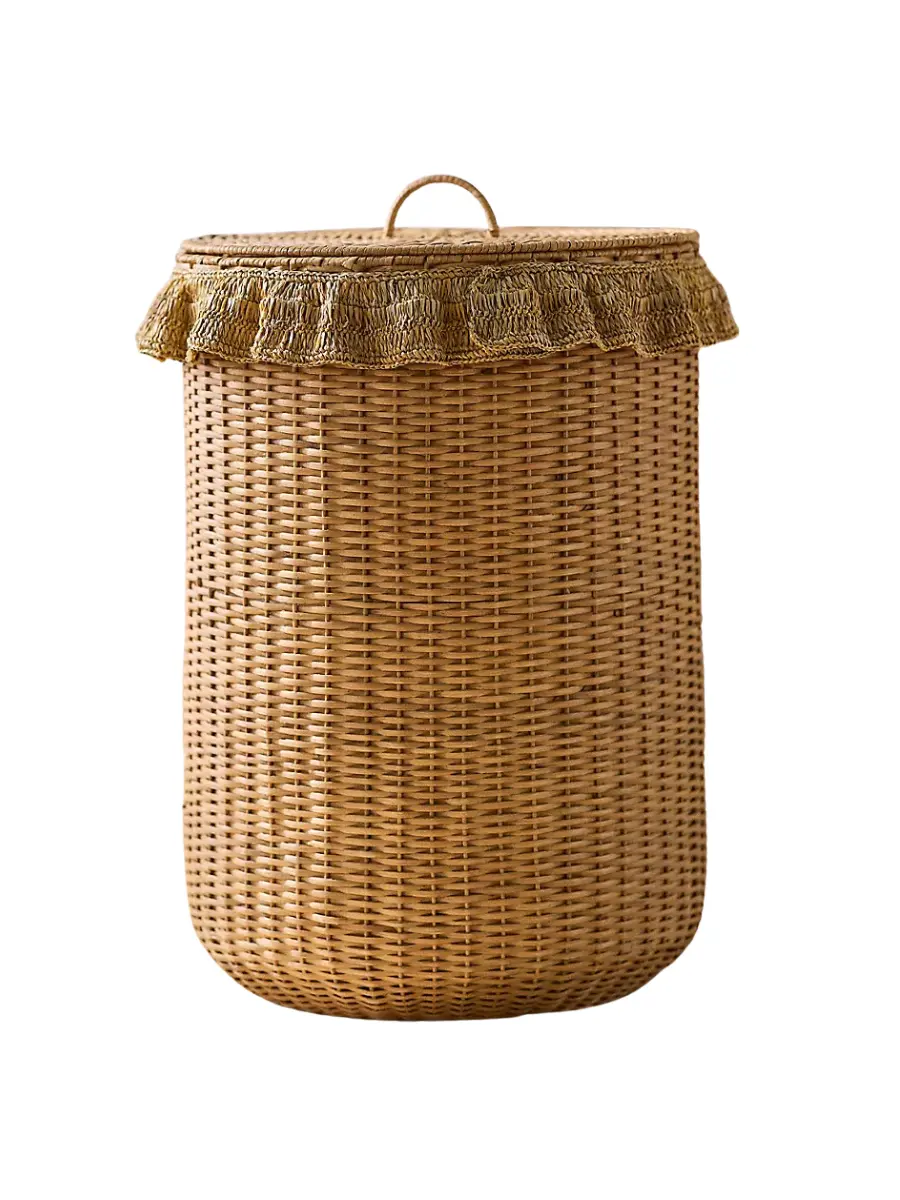
- Tactile and Natural Materials: The replacement of sterile plastics and synthetic finishes with rattan, woven wicker, heavy-duty canvas, and sustainably sourced hardwoods like walnut and oak.
- Architectural Flooring: The introduction of statement flooring—such as terracotta tiles, natural stone, or bold, patterned indoor-outdoor runners featuring harlequin diamonds or botanical motifs—to anchor what was once an invisible room.
- Artisanal Detergents: The elevation of washing agents from grocery store staples to luxury home-fragrance items featuring sophisticated scent profiles like heliotrope, jasmine, and sandalwood.
- Integrated Storage Solutions: Wall-mounted clothing racks, mobile canvas carts, and custom pull-out hampers that combine industrial durability with high-end aesthetic appeal.
This transformation is part of a broader lifestyle movement known as "soft productivity" or "mindful domesticity," where routine chores are reframed as forms of self-care and meditation.
Chronology: From Basement Banishment to Main-Floor Masterpieces
To understand how the laundry room became a focal point of home design, it is helpful to trace its evolution over the past century.
The Mid-20th Century: The Mechanization of Labor
In the post-World War II suburban boom, the washing machine and automated dryer transitioned from communal or basement-based commercial units into individual homes. Initially, these machines were housed in cellars or dark garages. As floor plans evolved in the 1960s and 1970s, builders began carving out small, dedicated utility closets near the kitchen or back door, prioritizing mechanical efficiency over aesthetic appeal.
The Turn of the Century: The Second-Floor Laundry Revolution
As American homes grew larger in the late 1990s and 2000s, builders relocated laundry facilities closer to where clothes were actually generated: the upstairs bedroom level. While this eliminated the dreaded trip to the basement, these spaces remained clinical, typically featuring wire shelving, white laminate cabinetry, and fluorescent lighting.
The 2020s: The Aesthetic Awakening
The COVID-19 pandemic served as a major catalyst for interior design evolution. Confined to their homes for extended periods, occupants began scrutinizing every spatial inefficiency and aesthetic annoyance. Utility rooms—frequently visited during deep-cleaning frenzies—came under the microscope. Interior designers noted an unprecedented spike in requests to renovate laundry spaces with the same level of architectural detail typically reserved for primary kitchens and spa-like bathrooms.
Supporting Data and Market Trends
The commercial shift toward elevated utility design is backed by robust market data within the home goods and decor sectors.
- Consumer Spending on Utility Spaces: Home improvement analysts report a steady year-over-year increase in specialized renovation budgets allocated specifically for laundry and mudrooms, with spending up by an estimated 18% compared to pre-2020 figures.
- The Fragrance Economy: The market for luxury laundry detergents and fabric rinses—often formulated with organic ingredients and complex, fine-fragrance profiles—has expanded rapidly. Brands positioning laundry care alongside high-end perfumery have seen exponential growth among millennial and Gen Z demographic groups.
- Material Demand: Searches for terms like "rattan laundry hamper," "wall-mounted wooden drying rack," and "utility room runners" have climbed significantly across major interior design platforms, signaling a move away from minimalism toward textured, maximalist, and "warm modern" design philosophies.
Official Perspectives and Expert Commentary
Interior designers and home economists view this trend not as a passing fad, but as a fundamental shift in how people relate to their living spaces.
"When you upgrade the accessories you interact with daily—from the hamper where you toss your workout gear to the drying rack holding your favorite silk blouse—you shift your mindset," explains a leading spokesperson for Homes & Gardens. "Laundry day stops feeling like an existential chore and starts feeling like an intentional household ritual."
Design experts emphasize that utility rooms are unique because they are spaces where physical labor occurs. Consequently, ergonomics must meet aesthetics. A canvas cart must not only look charmingly retro with its exposed stitching and industrial frame, but it must also glide smoothly on heavy-duty casters to handle the physical weight of wet linens. Similarly, a walnut clothing rack must be structurally anchored to withstand the damp weight of heavy winter coats while adding architectural warmth to bare walls.
Implications: What This Means for Modern Living
The elevation of the utility space carries several broader implications for architecture, wellness, and consumer culture.
1. The Redefinition of "Luxury"
True luxury is no longer restricted to visible status symbols like living room statement pieces or high-end dining sets. Increasingly, modern luxury is internal and private—focused on how a person feels during the most mundane moments of their day. Finding tactile pleasure in the scent of sandalwood detergent or the satisfying slide of a wicker hamper lid represents a democratization of self-care.
2. Architectural Adaptability in New Construction
Architects and residential developers are permanently altering floor plans. New homes are less likely to feature hidden, claustrophobic laundry closets; instead, they showcase expansive utility rooms equipped with natural light, folding islands, utility sinks, and pet-washing stations. These rooms are increasingly designed as multi-functional zones that double as potting sheds, gift-wrapping stations, and secondary entryways.
3. Sustainability and Longevity
The pivot toward natural materials—wood, rattan, canvas, and metal—encourages a departure from disposable plastic goods. Consumers investing in timeless, high-quality utility accessories are building domestic infrastructure designed to last for decades, aligning home decor choices with broader sustainability goals.
Curating Your Own Utility Sanctuary: Essential Elements
For those looking to transform their own laundry spaces without undertaking a massive structural renovation, interior stylists recommend focusing on sensory and functional layering.
- Upgrade the Receptacles: Swap out cracked plastic baskets for woven rattan hampers or mobile canvas bins that bring texture to the floor plan.
- Rethink Floor Coverings: Introduce a durable, patterned runner (such as a flat-weave harlequin diamond design) to absorb sound and add warmth underfoot.
- Optimize Vertical Space: Install a wall-mounted wooden drying rack to save floor space while introducing natural wood tones to sterile drywall.
- Engage the Olfactory Senses: Replace chemical-heavy, synthetic detergents with botanical formulas featuring complex fragrance notes like heliotrope, jasmine, and sandalwood.
- Curate the Details: Decant everyday washing liquids into glass or amber-brown bottles with minimalist labels to create a cohesive, spa-like visual harmony.
As the boundary between functional necessity and aesthetic expression continues to blur, the message from the design world is clear: no space in the home is too mundane to be made beautiful.
