

As the crisp air of autumn settles in, gardening enthusiasts around the world share a singular focus: getting spring-blooming bulbs into the ground before the first hard freeze. It is a ritual filled with anticipation, promising an explosion of vibrant color after a long, dormant winter. However, before you make a beeline for your local garden center to stock up on traditional favorites, a panel of seasoned horticulture and landscaping experts is urging a second look at traditional purchasing habits.
While classic spring bulbs have long been synonymous with the changing of the seasons, relying on predictable selections can leave landscape designs feeling uninspired. Furthermore, high-maintenance hybrid varieties that fail to return year after year can quickly transform a relaxing hobby into a costly and frustrating endeavor. Compounding the issue are aggressive, invasive species that can easily overtake native flora and ruin carefully curated garden beds if left unchecked.
To help gardeners elevate their outdoor spaces, maximize their investments, and minimize maintenance headaches, we have consulted leading botany and landscaping authorities. Below is a comprehensive breakdown of five popular spring bulbs these experts actively avoid, along with the superior, low-maintenance alternatives you should be planting this autumn.
Main Facts: The Hidden Costs of Conventional Bulb Selection
The transition from autumn preparation to spring blossoming is the backbone of perennial gardening, but experts warn that not all bulbs are created equal. The core issues driving professional landscapers away from certain varieties include:
- Aggressive Naturalization: Certain miniature and exotic bulbs spread rapidly through prolific seed production and underground offsets, frequently escaping garden borders to invade lawns or choke out native ecosystems.
- Fading Hybrid Performance: Highly bred cultivars are often engineered for hyper-specific visual traits—such as dramatic petal shapes or unusual bi-colors—at the expense of genetic vigor, causing them to decline significantly after just one or two seasons.
- Wildlife Vulnerability: Unprotected bulbs, particularly in rural or suburban interfaces, serve as an easy buffet for local fauna like squirrels, voles, and mice, frequently resulting in zero spring ROI.
- Ecological Disruption: Several imported bulb species are officially recognized as invasive pests by agricultural authorities, outcompeting native flora and destabilizing local pollinator networks.
Chronology and Seasonal Context: The Autumn Planting Window
Understanding the timeline of bulb management is crucial for achieving optimal results. The seasonal workflow dictates specific actions throughout the year:
- Late Summer (August – September): Gardeners assess the performance of the previous spring, noting which plants failed to return or proved overly aggressive. Planning and ordering disease-free, high-quality bulbs from trusted suppliers occurs during this period.
- Mid-to-Late Fall (October – November): This is the critical execution window. Bulbs must be planted after the soil cools down significantly (typically when nighttime temperatures consistently hover between 40°F and 50°F), but several weeks before the ground freezes solid. This allows the root system to establish without triggering premature top-growth.
- Winter (December – February): Dormant phase. Bulbs undergo the necessary chilling hours required to trigger spring floral development. During this time, containers or protected indoor forcing setups can be managed.
- Early to Mid-Spring (March – May): Emergence and bloom. This is when the consequences of fall selections become apparent—either revealing a stunning, resilient landscape or an overrun garden bed filled with decimated or runaway plants.
Supporting Data and Expert Analysis: The 5 Bulbs to Avoid
Drawing on decades of combined experience, horticulture professionals have identified five specific plants that frequently cause more trouble than they are worth.

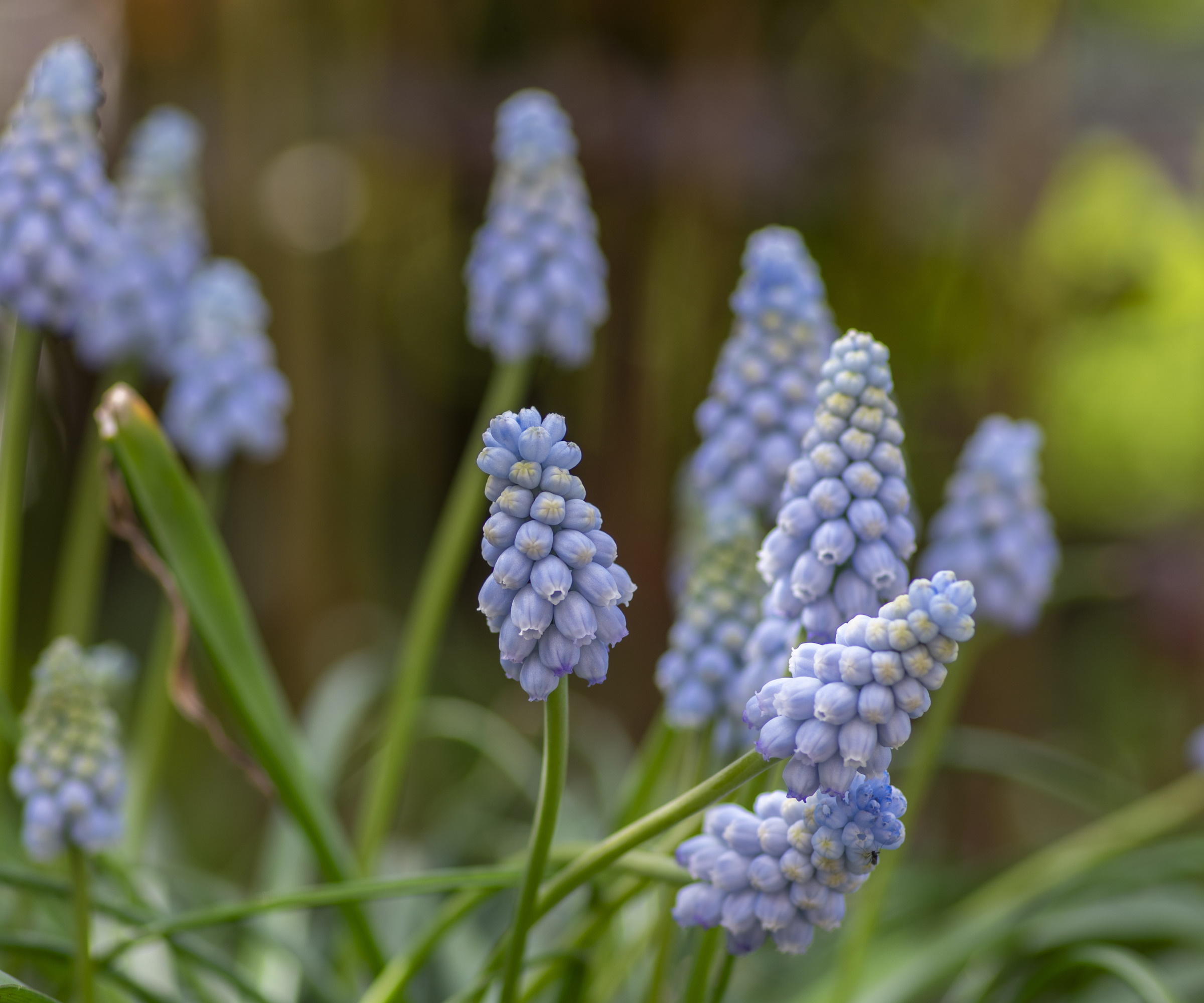
1. Grape Hyacinth (Muscari spp.)
- The Appeal: These charming miniature bulbs produce dense, grapelike clusters of vibrant blue florets that add an early pop of color.
- The Problem: According to Ian Mendoza, a licensed forester, horticulture expert, and president of Native Ground Forestry and Consulting with over eight years of experience in ecological design, grape hyacinths are notorious escape artists. "Grape hyacinth spreads readily by seed and offsets and can also invade lawns if left unchecked," Mendoza warns. Certain species, such as Muscari botryoides, are even listed in the Invasive Plant Atlas of the United States due to their aggressive naturalization in natural areas across multiple states.
- What to Grow Instead: If you love the look of Muscari, grow them strictly in controlled environments such as patio pots, window boxes, or use them for indoor holiday forcing displays. This allows you to enjoy their unique beauty without the perpetual weeding headache.
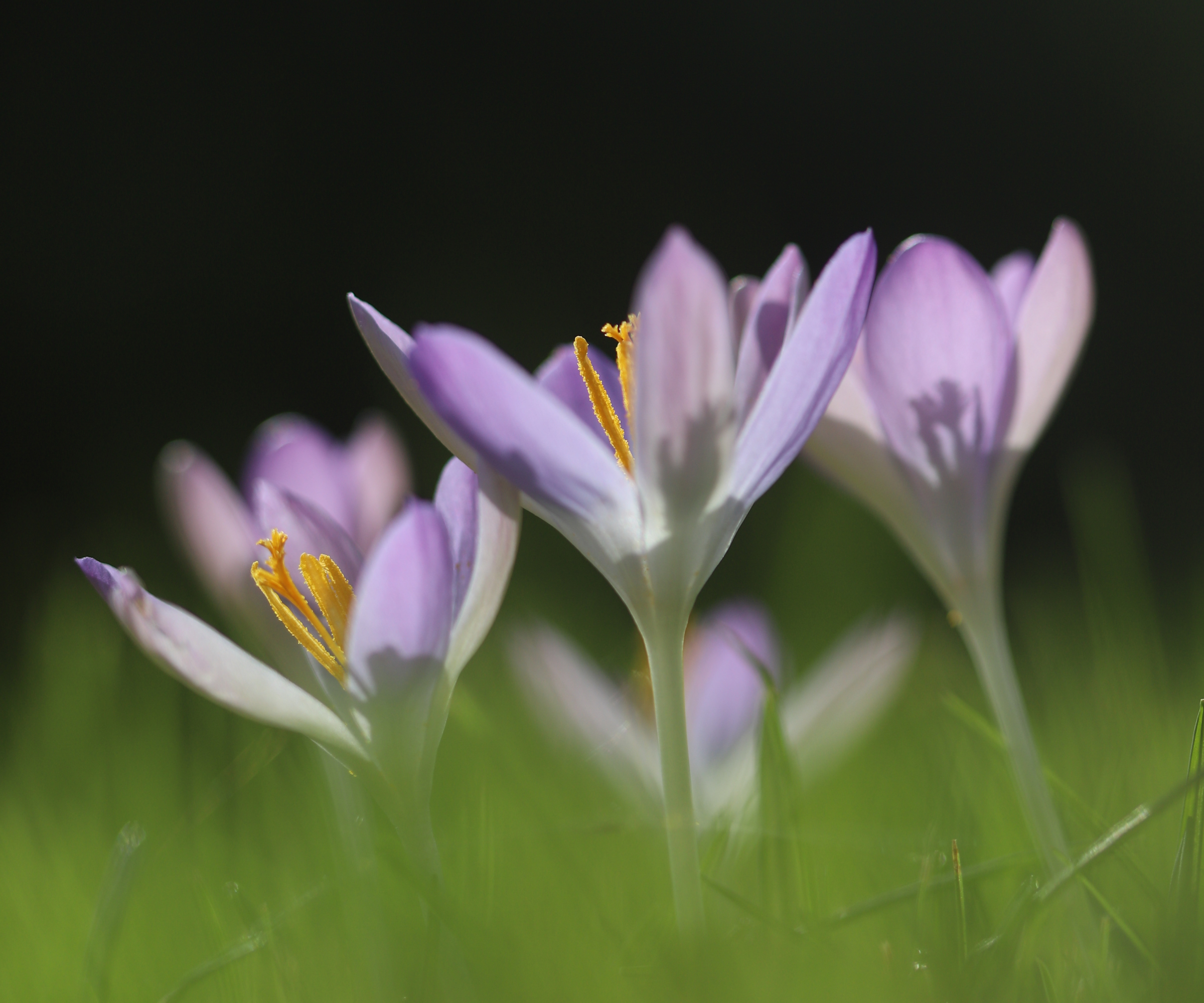
2. Crocus (Crocus spp.)
- The Appeal: Valued as one of the very first harbingers of spring, crocus blooms pierce through late-winter ground with delicate cups of purple, yellow, and white.
- The Problem: Lindsey Chastain, a dedicated homesteader and founder of The Waddle and Cluck, notes that while crocus works in controlled yards, high-wildlife areas render them impractical. "I have a lot of wildlife where I live, and the squirrels and mice get to the crocus bulbs before they have a chance to bloom," she explains. While wire mesh cloches or physical barriers can deter pests, the labor involved often negates the low-maintenance appeal of bulb gardening.
- What to Grow Instead: Pivot toward resilient bulbs that local wildlife consistently ignores due to natural toxicity or bitter compounds. Excellent alternatives include winter aconite (Eranthis), Camassia, and classic daffodils (Narcissus).
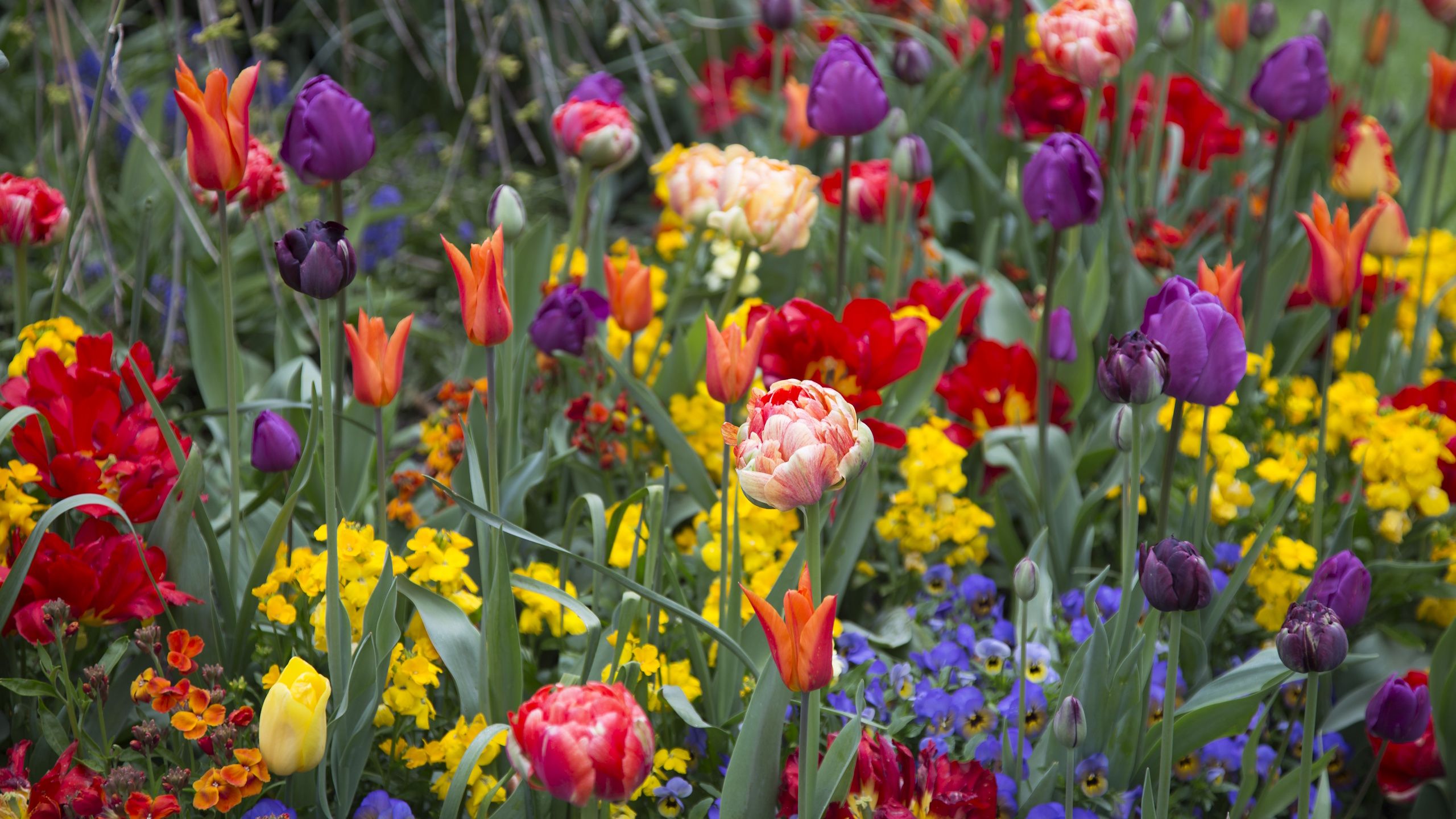
3. Hybrid Tulips (Tulipa cultivars)
- The Appeal: Exquisite petal formations, flamboyant parrot varieties, and striking color combinations make fancy hybrid tulips a staple of glossy magazine spreads.
- The Problem: Their stunning aesthetics come with a severe financial and energetic catch. "While hybrid tulips are absolutely gorgeous, most of them really decline after a year or two," Chastain points out. "It means you have to keep replanting them each year, which gets pretty expensive considering they aren’t the most affordable bulbs in the first place." Genetic modifications aimed at dramatic aesthetics frequently strip these cultivars of their perennial stamina.
- What to Grow Instead: Stick to species tulips or reliable, heirloom-type standard cultivars. They tend to be far more affordable, display greater resistance to local herbivores, and possess the genetic vigor required to return faithfully year after year.
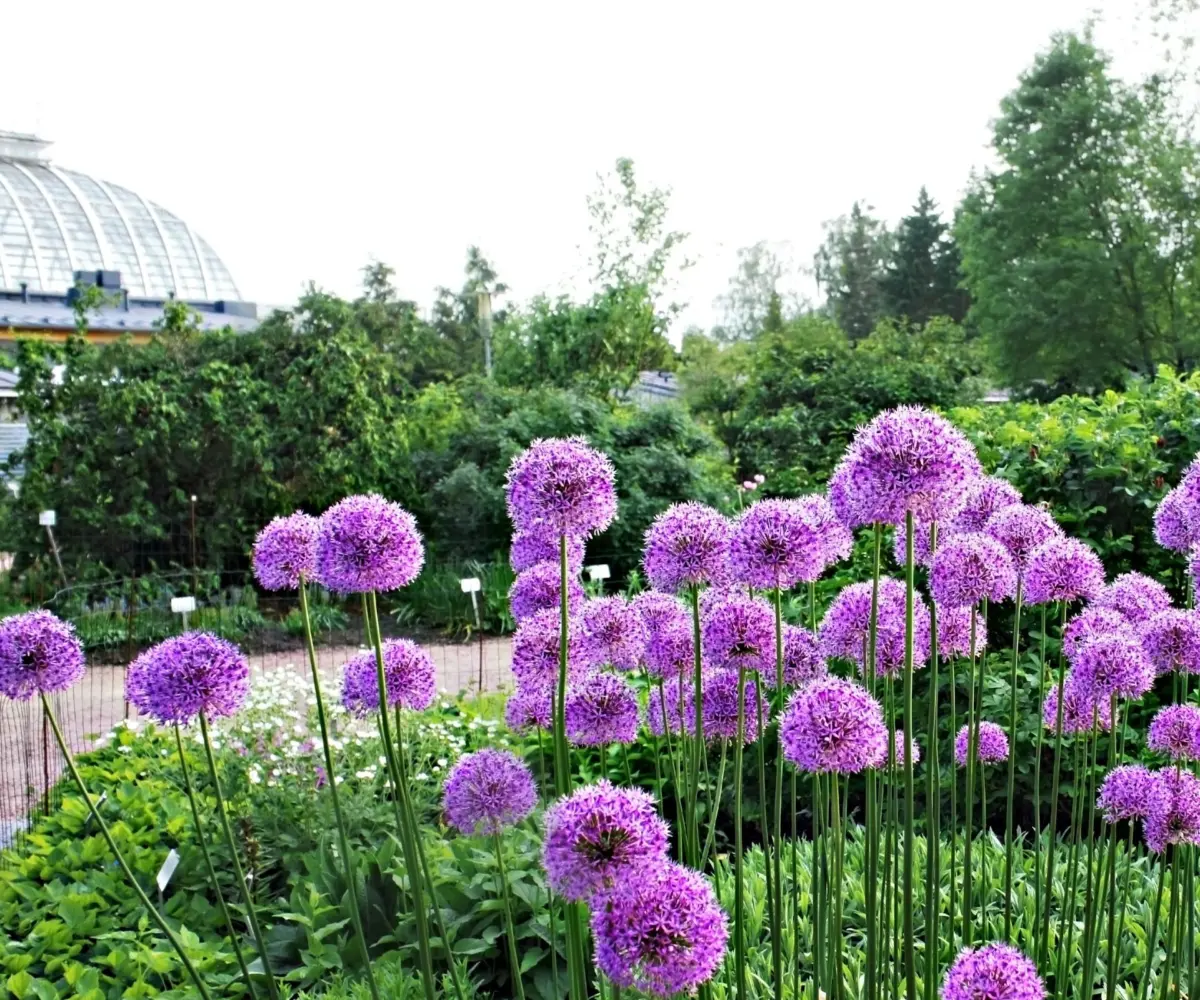
4. Giant Allium (Allium giganteum)
- The Appeal: Standing tall with massive, spherical purple globes, the giant allium is an architectural masterpiece in any landscape.
- The Problem: While undeniably striking, the ubiquitous nature of Allium giganteum can lead to monotonous or predictable garden designs. Peggy Anne Montgomery, a horticulturist with over 35 years of industry experience spanning the Netherlands and the U.S., notes that while alliums are vital for pollinators, relying exclusively on the giant variety misses an opportunity for unique visual texture.
- What to Grow Instead: Montgomery champions the underused Allium schubertii, commonly known as the Tumbleweed Onion. "Few flowers are as memorable as Tumbleweed Onion," she states. "Its spectacular blooms resemble exploding fireworks, 9-12 inches in diameter, with rosy-purple florets radiating from the center on long stalks to create an eye-catching starburst effect. I value the dried flower heads as much as the blooms."
5. Star of Bethlehem (Ornithogalum umbellatum)
- The Appeal: Featuring dainty, star-shaped white flowers with green stripes on the exterior petals, this European native appears deceptively innocent.
- The Problem: "I will avoid planting this anywhere and everywhere because they spread aggressively and they’re hard to get under control," cautions Chastain. "Every bulb you plant and leave in the ground will produce another plant." In many North American ecosystems, the Star of Bethlehem is classified as an aggressive invasive weed that forms dense underground bulb colonies, choking out delicate woodland ephemerals and prairies.
- What to Grow Instead: Choose well-behaved native alternatives that mimic the delicate aesthetic without ecological devastation. The wood anemone (Anemonoides quinquefolia), a North American native featuring charming star-shaped white blossoms, spreads gently via underground rhizomes and is ideal for woodland-style garden layouts.
Official Responses and Industry Perspectives
The horticultural industry is experiencing a noticeable shift toward ecological responsibility and sustainable gardening practices. Representatives from major international bulb consortiums, such as Royal Anthos in the Netherlands, echo the sentiments of experts like Peggy Anne Montgomery. Modern consumer trends increasingly prioritize biodiversity, pollinator support, and climate resilience over fleeting visual perfection.
Professionals emphasize that sustainable garden design begins at the point of purchase. By selecting resilient cultivars and native alternatives, gardeners can reduce chemical interventions, cut down on annual replanting costs, and protect local ecosystems from invasive botanical pressures.
Implications: The Long-Term Vision for Your Spring Garden
Refusing to plant invasive or high-churn bulbs yields immediate and long-term benefits for both the gardener and the environment:
- Financial Sustainability: Moving away from short-lived hybrid tulips and annual bulb replacements frees up garden budgets to invest in structural perennials, high-quality soil amendments, and durable planting tools.
- Ecological Integrity: Eradicating species like Ornithogalum umbellatum and Muscari botryoides from private landscapes prevents them from migrating into local parks, greenbelts, and natural conservation areas where they disrupt native food webs.
- Reduced Labor: Choosing bulbs that resist pests (like daffodils) or stay neatly contained (like containerized dwarf varieties) drastically decreases the hours spent on reactive garden maintenance, allowing enthusiasts to focus on the pure enjoyment of cultivation.
As autumn progresses and garden centers display their vibrant inventory, taking a thoughtful, expert-informed approach to your bulb selection will ensure a resilient, breathtaking, and ecologically sound spring landscape for years to come.
