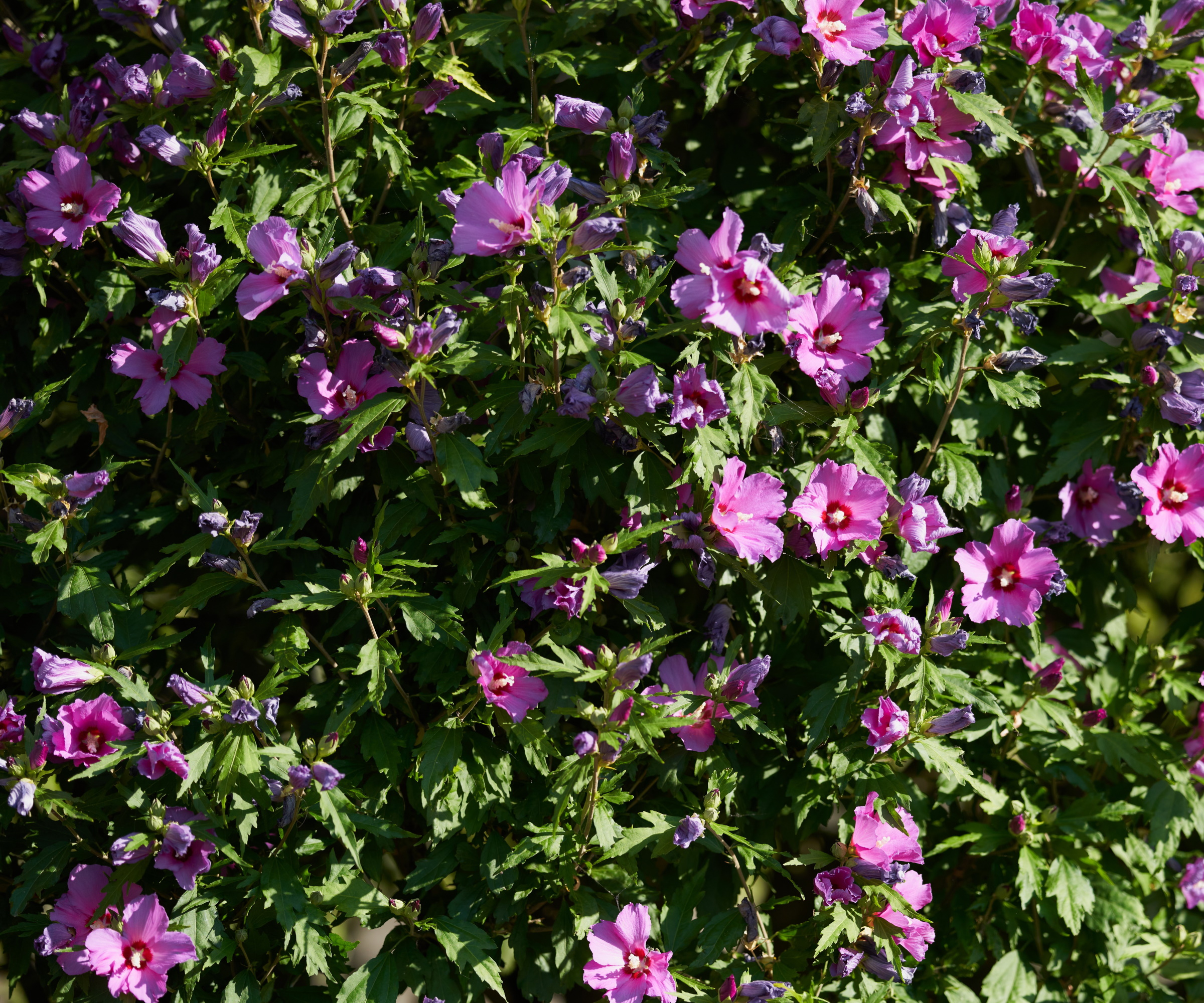
As the vibrant days of summer gradually give way to the crisp, cooler breezes of autumn, gardeners face a pivotal seasonal transition. While hibiscus shrubs are celebrated for being relatively low-maintenance powerhouses that produce stunning, tropical-looking blooms well into mid-fall, their resilience has limits. Ensuring that your hibiscus bursts forth with lush color and vigorous health come next spring hinges on one crucial rule: identifying whether you are cultivating a tender tropical species or a frost-hardy variety before the first autumn chill strikes.
Failing to distinguish between these botanical categories can spell disaster for your garden. While hardy types embrace the cold with proper ground preparation, tropical species will suffer irreversible cellular and stem damage if left unprotected against plunging temperatures. By taking just a few minutes to evaluate, prune, protect, and mulch your plants now, you can prevent root shock, safeguard against erratic weather patterns, and guarantee a magnificent horticultural display next year.
Main Facts: Understanding the Hibiscus Divide
To successfully winterize a hibiscus, a gardener must first understand the fundamental physiological differences between tropical and hardy varieties.
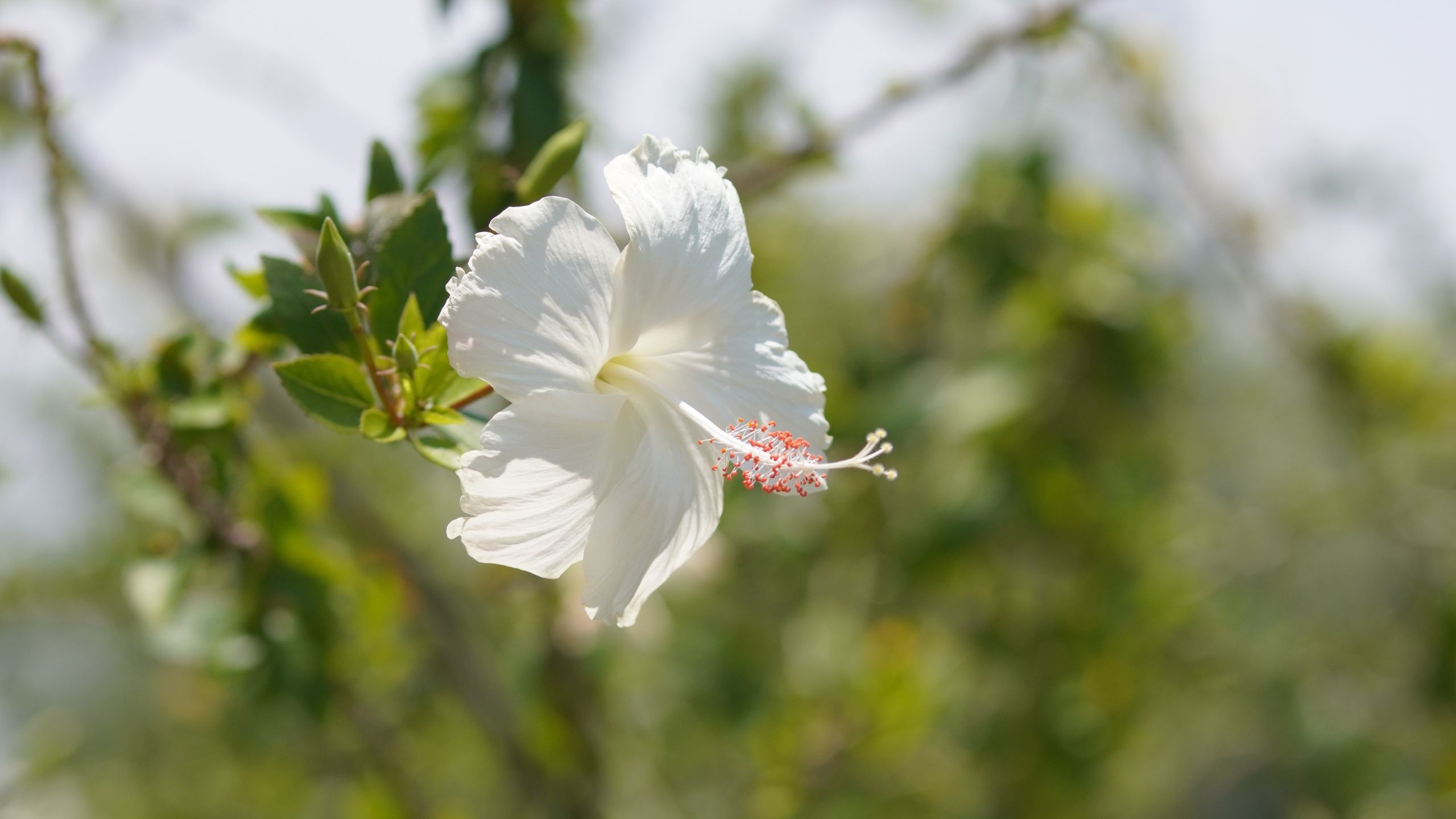
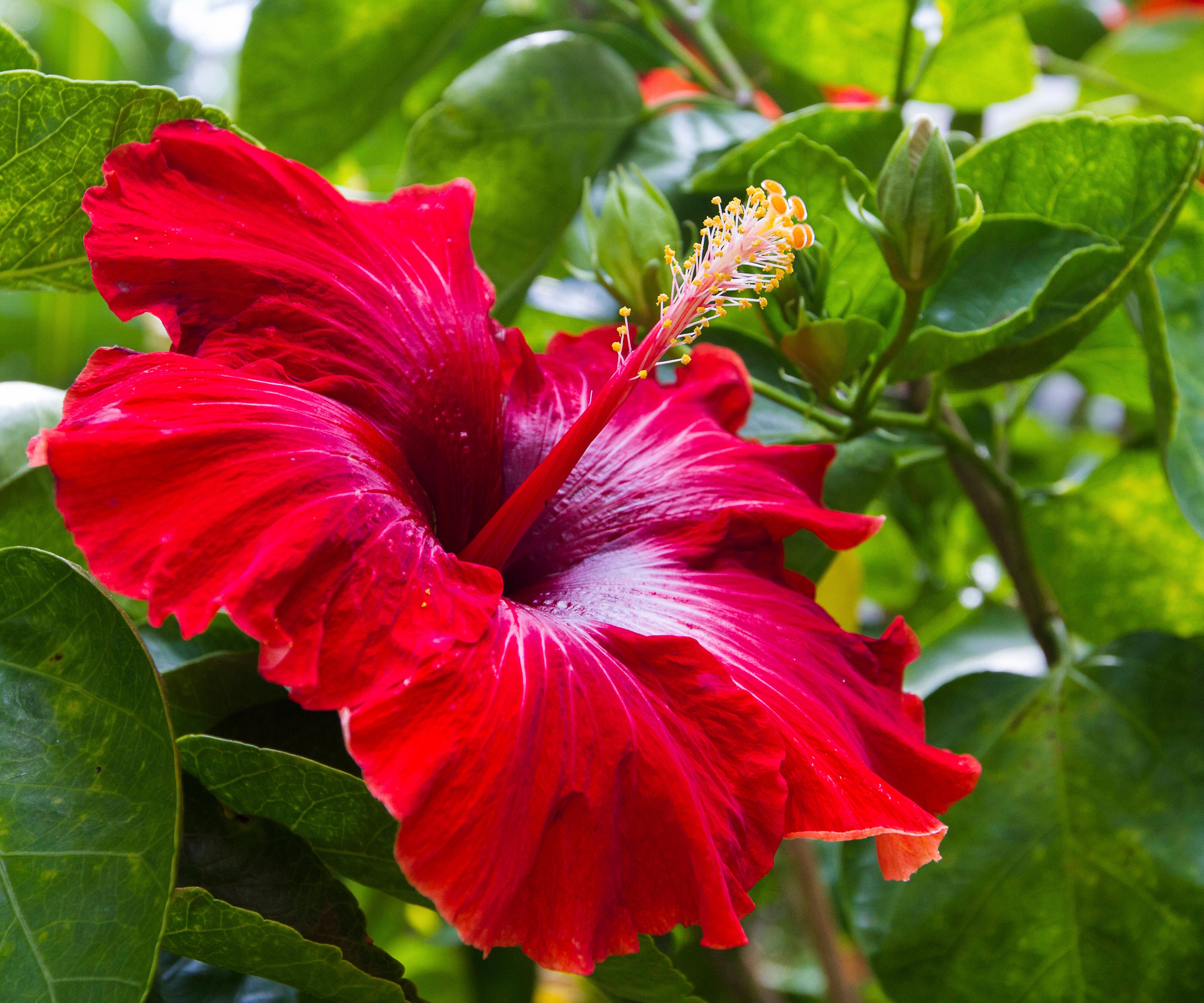
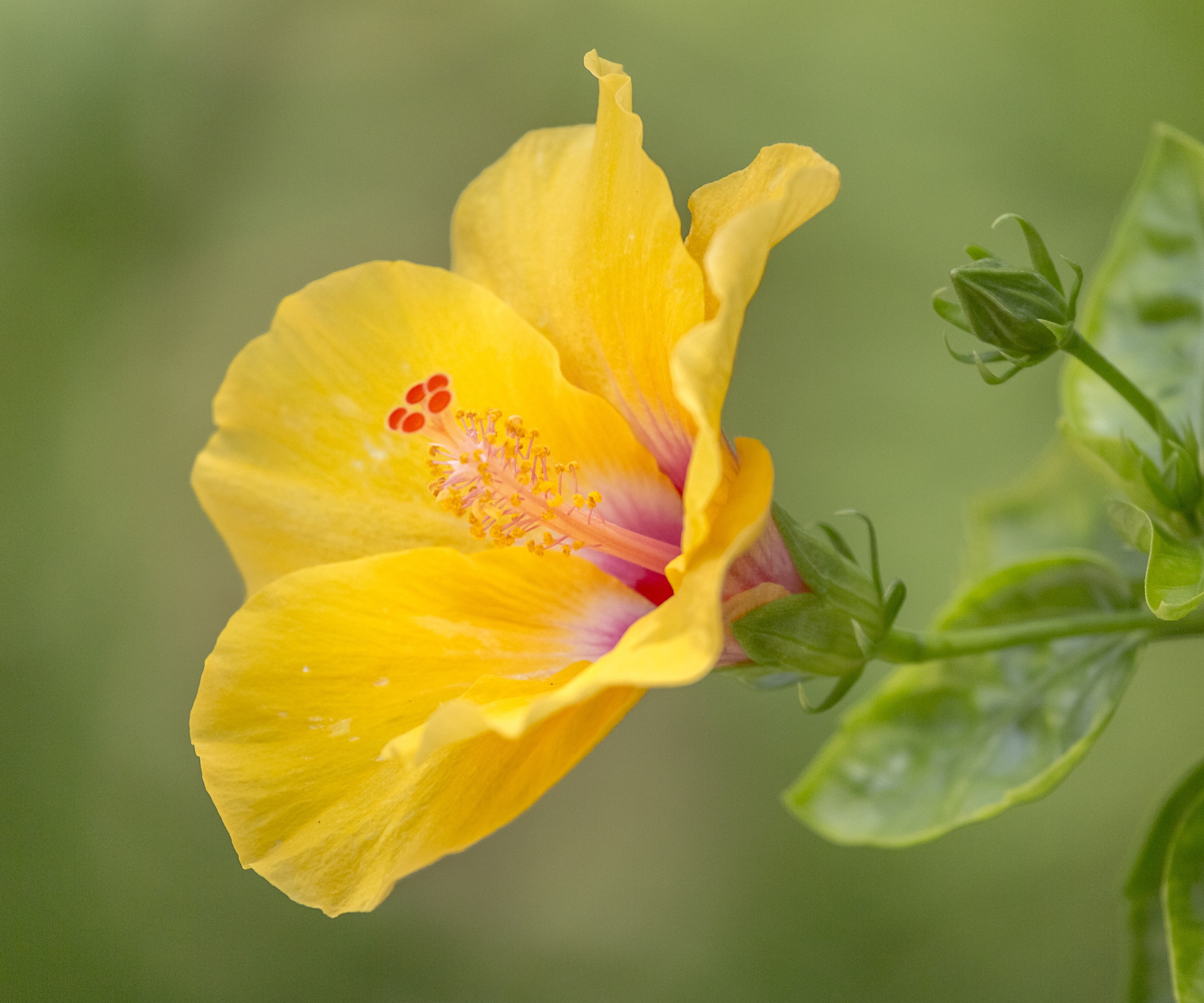
Tropical Hibiscus (Hibiscus rosa-sinensis): These specimens are native to warm, tropical climates and thrive naturally in USDA Hardiness Zones 9 through 11. Known for their glossy foliage and striking yellow, peach, pink, or red blooms, they are entirely intolerant of freezing temperatures. When nighttime temperatures begin to dip below 50°F (10°C)—typically by early to mid-fall—these plants must be shielded from the cold, either by moving potted specimens indoors or by utilizing specialized frost blankets for in-ground plants.
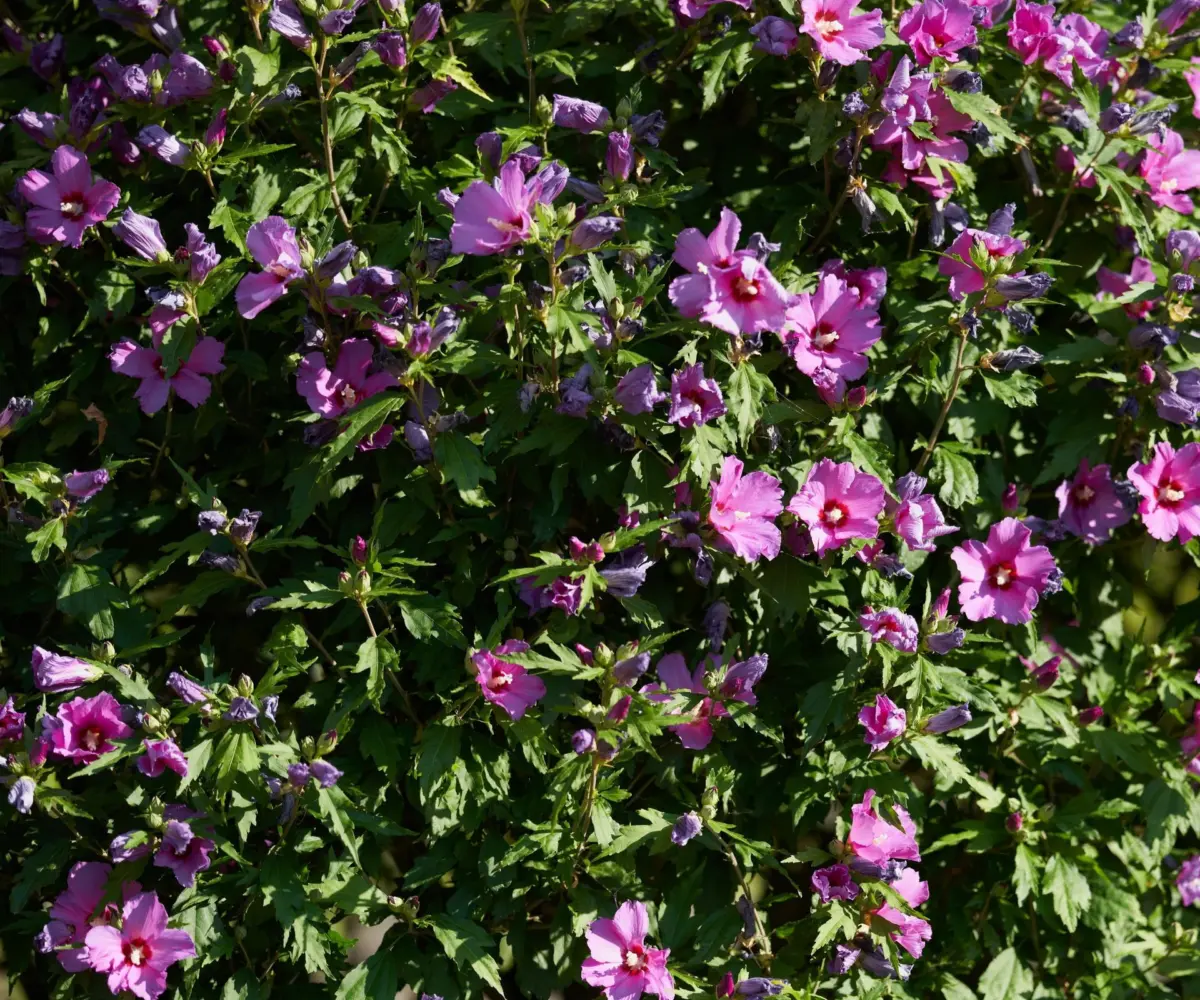
Hardy Hibiscus (e.g., Swamp Mallow, Hibiscus moscheutos): Unlike their tropical cousins, hardy hibiscus varieties are remarkably resilient. Popular species like the swamp mallow can happily endure freezing winters, surviving in USDA Zone 5 and tolerating ground temperatures plummeting down to -20°F (-29°F). These perennials die back naturally to the ground in the winter and emerge anew each spring from deeply established root systems.
The Threat of Weather Volatility
Modern gardening faces a new challenge: erratic climate patterns. Gardeners can no longer rely on slow, predictable temperature drops. Sudden, severe autumn cold snaps and unseasonal overnight frost drops are increasingly common across North America. This heightened volatility means that waiting until the absolute end of calendar autumn to act is a high-stakes gamble. Proactive preparation is no longer optional; it is essential for plant survival.
Chronology of Fall Hibiscus Care: A Step-by-Step Timeline
Properly timing your autumn gardening chores ensures your plants make a seamless transition from the active growing season into dormancy or indoor living.
Phase 1: Late Summer to Early Fall (Inspection and Seed Harvesting)
Before the weather turns, evaluate your plants for propagation opportunities.
Stop Deadheading: Toward the end of summer, cease removing faded flower stems. Allow the plant to form seed pods.
Harvesting Seeds: Once the seed pods dry on the plant, carefully shake them over a bucket to collect the dark brown or black seeds. Store them in a cool, dark envelope or glass jar to sow the following spring.
Phase 2: Early Autumn (When Nights Drop to 50°F / 10°C)
This is your cue to act for tropical varieties.
Indoor Migration: If your tropical hibiscus is planted in a container, this is the time to migrate it indoors to a sunny window, sunroom, or greenhouse. To make moving heavy, mature potted plants effortless, consider placing them on a rolling wooden plant caddy.
Lifting In-Ground Tropicals: If you live in a cooler northern zone and have a tender tropical hibiscus planted directly in the garden soil, you can dig it up. Use a sturdy garden fork or spade to gently loosen the earth around the root ball. Once freed, transfer the plant into a fresh container filled with quality potting mix, water it deeply, and bring it indoors.
Phase 3: Post-First Frost (Tidying, Pruning, and Mulching)
Once the first official frost has arrived and outdoor foliage has yellowed or died back, turn your attention to hardy varieties and final winter prep.
Pruning Hardy Varieties: For hardy perennials like Hibiscus moscheutos, use clean, sharp pruners to cut the stems back hard—leaving just three to five inches above the soil line. This encourages strong, bushier re-growth in the spring. (Note: Never prune tropical hibiscus in the fall; save structural pruning for them until spring, after the frost danger has completely passed).
Applying Mulch: Whether managing potted plants or in-ground specimens, apply a generous 1-to-2-inch layer of organic mulch (such as pine bark) around the base. For potted plants, lightly scrape away the top layer of old soil to make room for fresh, insulating mulch that will feed the roots and protect against freeze-thaw cycles.
Supporting Data & Horticultural Insights
Industry experts emphasize that a nuanced approach to pruning and winterization separates thriving gardens from failing ones.
According to Tatiana Anderson, plant expert and co-founder of Top Tropicals based in Fort Myers, Florida, timing is everything.
"Learning how to prune hibiscus will differ depending on the type and species you grow," Anderson explains. "Pruning correctly will result in bushier and fuller growth. For hardy, native hibiscus shrubs, it is best to prune in the fall once they have lost their leaves, typically doing so after the first frost."
However, Anderson issues a firm warning regarding tropical specimens:
"When considering tropical hibiscus shrubs, you should never prune in fall. Instead, opt to prune your tropical specimens in the spring after the risk of frost has passed."
Echoing these sentiments, Tricia Hunt, owner of Millstone Market & Nursery in Germantown, Tennessee, highlights the geographic limitations of tropical cultivars.
"Tropical varieties are suited to US hardiness zone 9 to zone 11," Hunt notes. "If you grow a tropical variety in a cooler zone than this, your best bet is to move the plant indoors during the colder months."
Furthermore, botanical data shows that root insulation is the single most effective defense against winter kill. Mulching not only locks in essential soil moisture during dry spells but also creates a thermal barrier that shields tender root hairs from sub-zero temperature drops.
Official Responses and Expert Recommendations
Horticultural extension offices and master gardeners across the country consistently endorse the following best practices for cold-weather plant protection:
Sanitation is Key: Always sterilize pruning shears and garden snips with rubbing alcohol before cutting back plants. This prevents the transfer of fungal spores and viral pathogens into fresh pruning wounds.
Water Management during Dormancy: Once indoor tropical hibiscus plants enter their semi-dormant winter phase, drastically reduce watering frequencies. Water only when the top few inches of soil feel completely dry. Overwatering indoor tropicals during low-light winter months is a primary cause of root rot.
Breathable Frost Protection: For in-ground tropicals that cannot be moved, avoid wrapping them in plastic. Non-porous plastic traps condensation, which freezes and damages foliage. Instead, utilize breathable frost protection blankets and floating row covers secured with drawstrings.
Implications for Gardeners and the Environment
Implementing a thoughtful fall hibiscus care routine has broad implications for both individual home aesthetics and sustainable gardening practices.
Economic and Aesthetic Benefits
By taking proactive measures in October and November, gardeners protect their financial investments. Mature tropical hibiscus plants can be expensive to replace year after year. Successfully overwintering them transforms annual-like behavior into long-term perennial ownership, allowing specimens to grow larger, woodier, and more floriferous with each passing season.
Ecological Balance
Allowing hardy hibiscus stems to stand through late summer before cutting them back provides crucial ecological benefits. The seed pods serve as a vital food source for local overwintering birds and beneficial insects. Furthermore, utilizing organic mulches like pine bark improves local soil microbiome health, breaking down slowly over time to enrich the earth naturally without synthetic fertilizers.
By understanding the unique biology of your hibiscus collection, respecting temperature thresholds, and utilizing the right tools—from rolling plant caddies to frost-resistant blankets—you can ensure your garden remains a vibrant sanctuary year after year.