

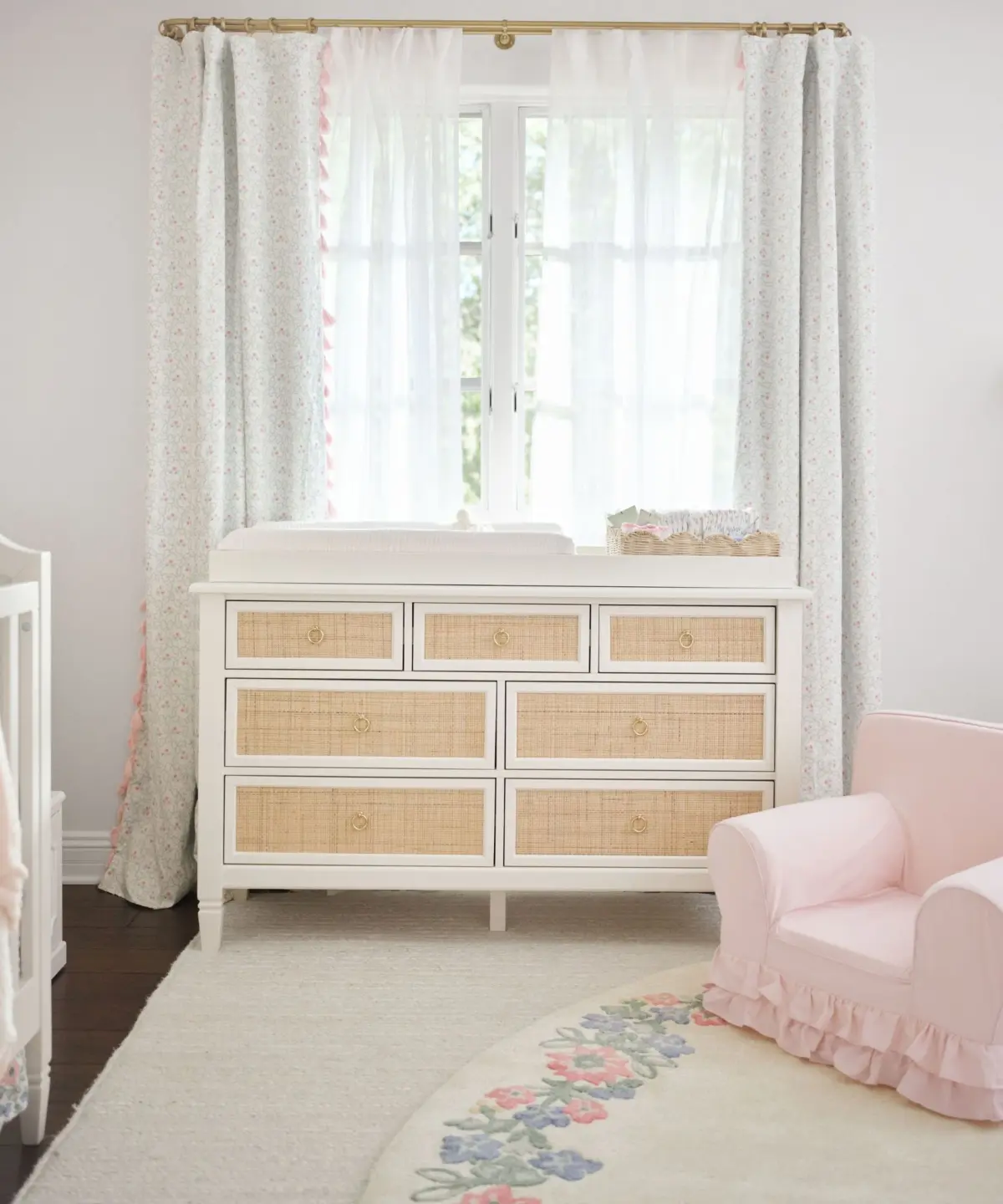
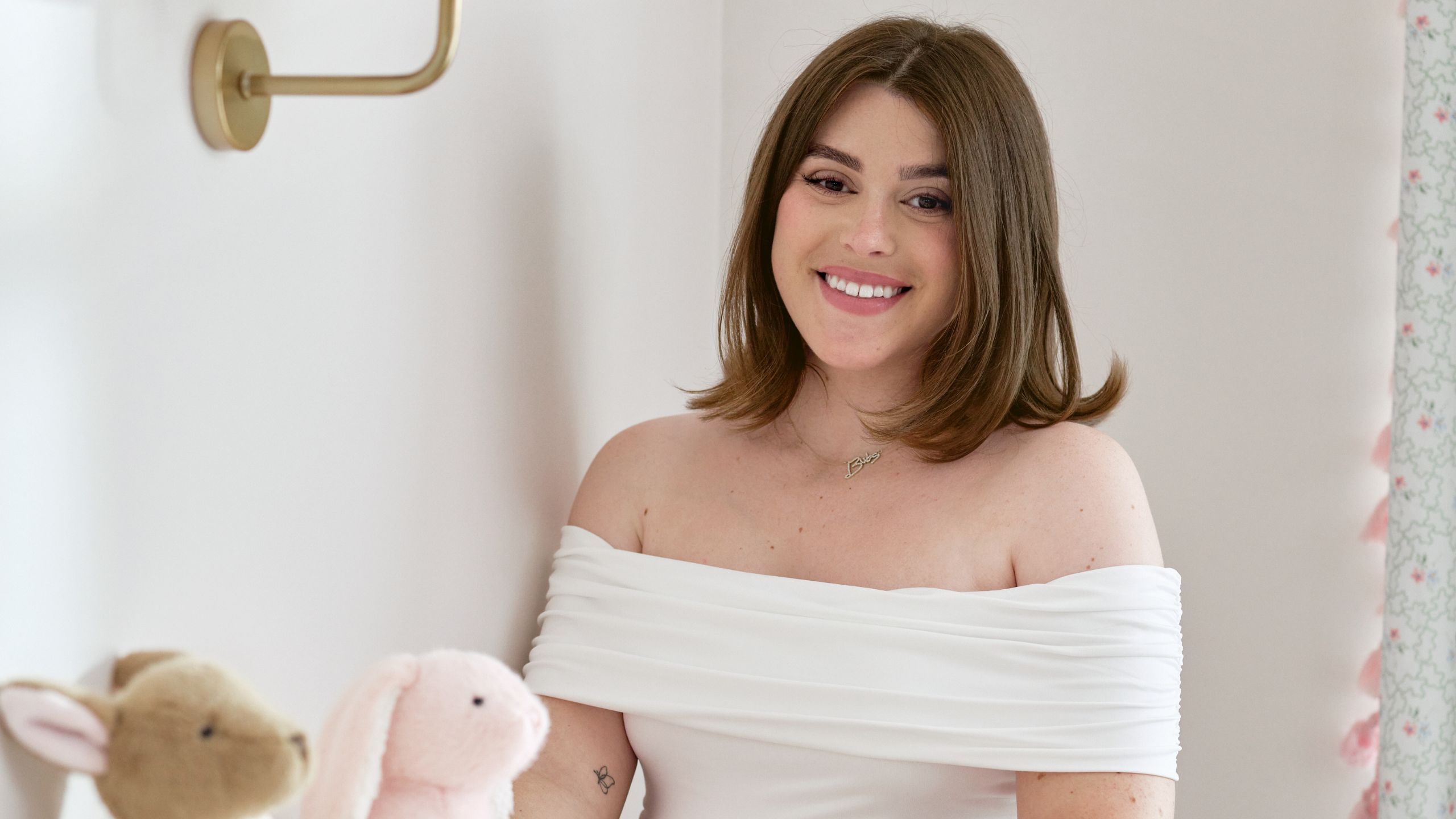
LOS ANGELES — When expecting parents set out to design a nursery, they often find themselves walking a fine line between whimsical playfulness and sophisticated interior aesthetics. For actor Taylor Lautner and his wife, wellness advocate and writer Tay Lautner, achieving that exact balance was the driving force behind their latest collaborative home project. Teaming up with the design experts at Pottery Barn Kids, the couple has pulled back the curtain on their meticulously curated, gender-specific sanctuary—a space that Tay succinctly describes as "girly," "colorful," and "peaceful."
Far from the stark minimalism or overly loud primary colors that have traditionally dominated children’s spaces, the Lautner nursery offers a fresh template for modern celebrity nurseries. It is an environment engineered to stimulate an infant’s developing cognitive functions while simultaneously functioning as an oasis of calm for exhausted new parents navigating the beautiful chaos of early parenthood.
Here is a comprehensive breakdown of the design process, the standout furniture pieces, the functional storage solutions, and the overarching implications of the Lautner-Pottery Barn collaboration.
Main Facts: The Anatomy of the Lautner Nursery
At its core, the Lautner nursery is a masterclass in blending high-end comfort with long-term functionality. Designed in close collaboration with Pottery Barn Kids, the room avoids fleeting trends in favor of a timeless, classic aesthetic built on layers of texture, soft lighting, and adaptable furniture.
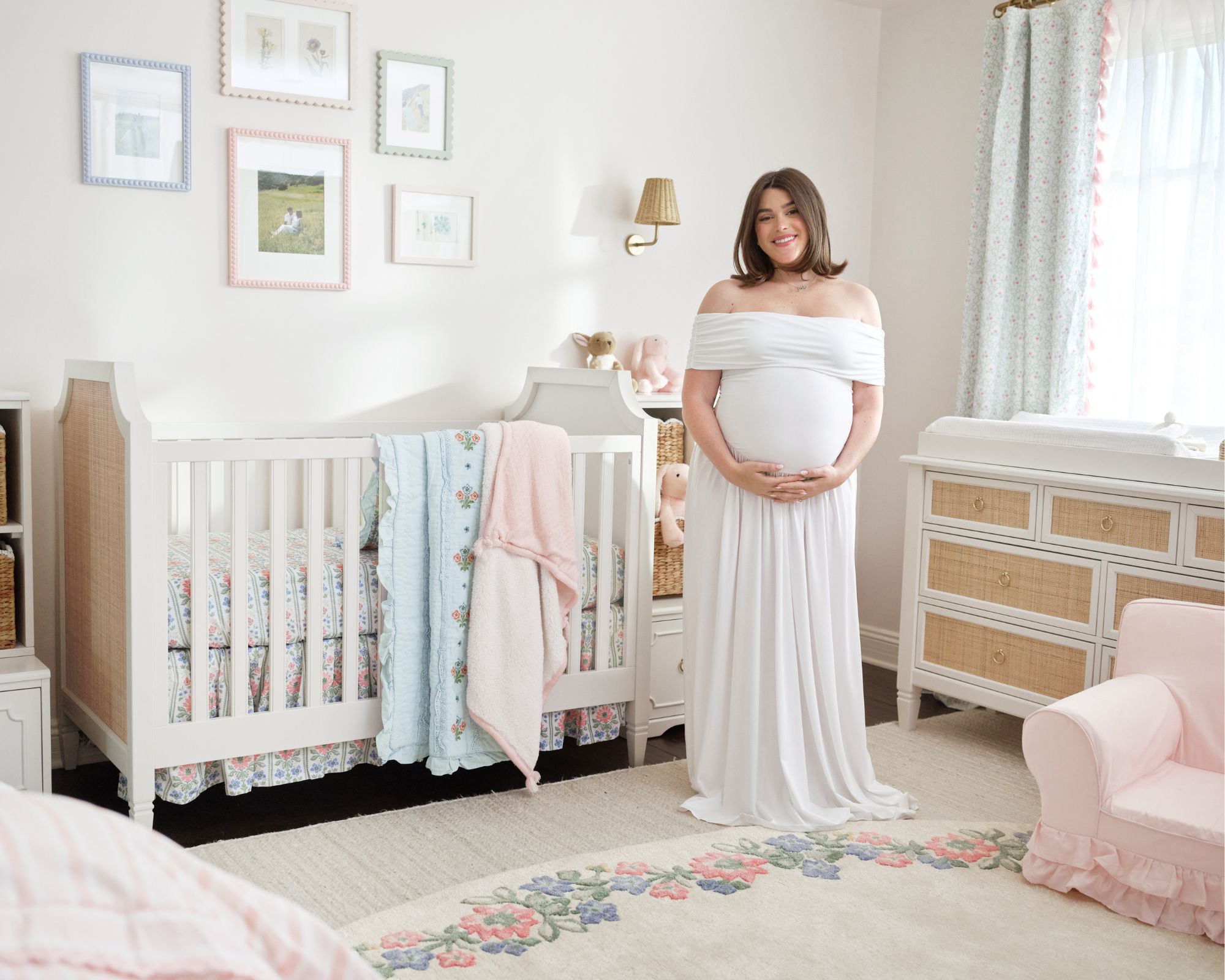
- The Design Trio: When asked to summarize the room’s vibe, Tay Lautner chose three guiding descriptors: girly, colorful, and peaceful.
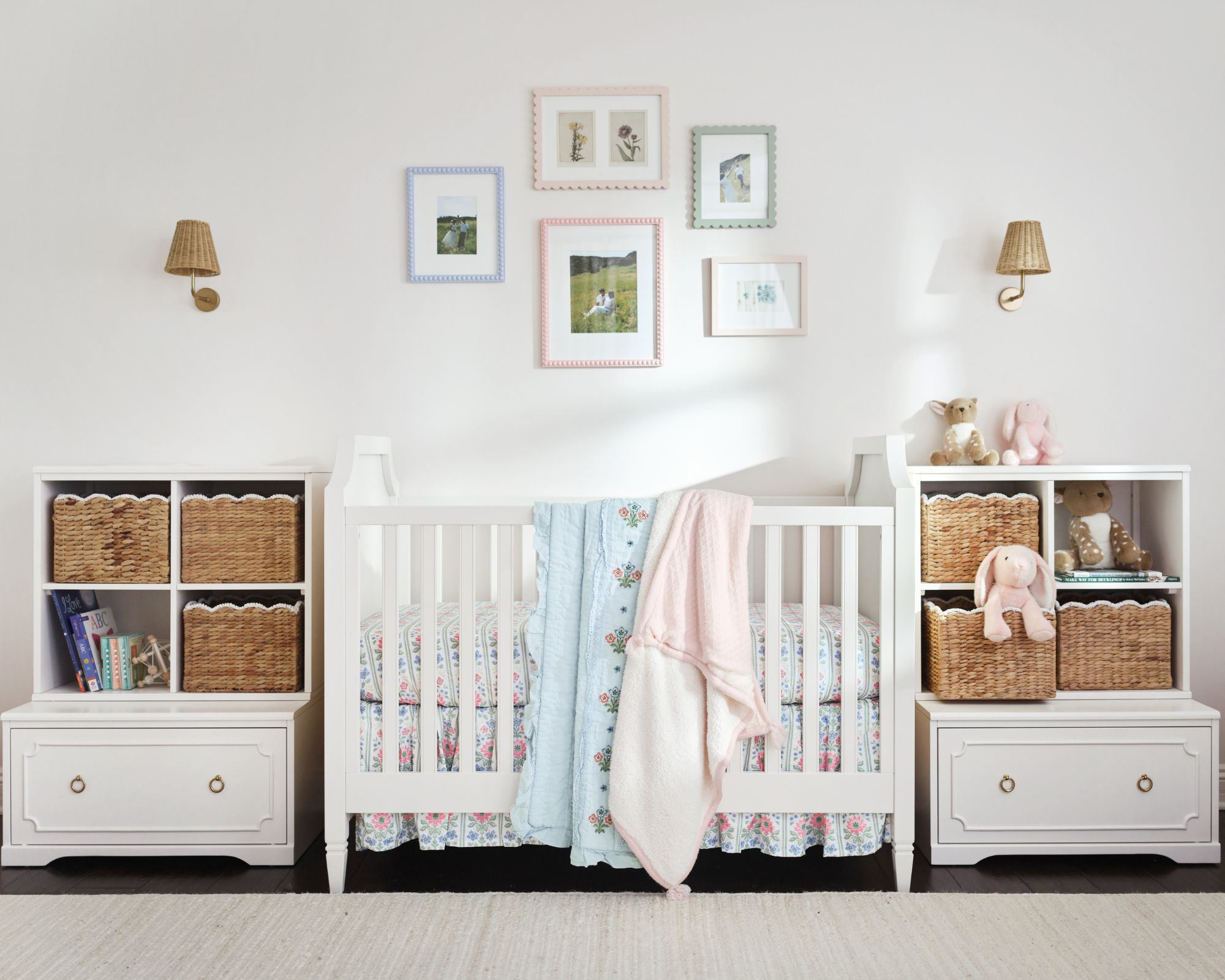
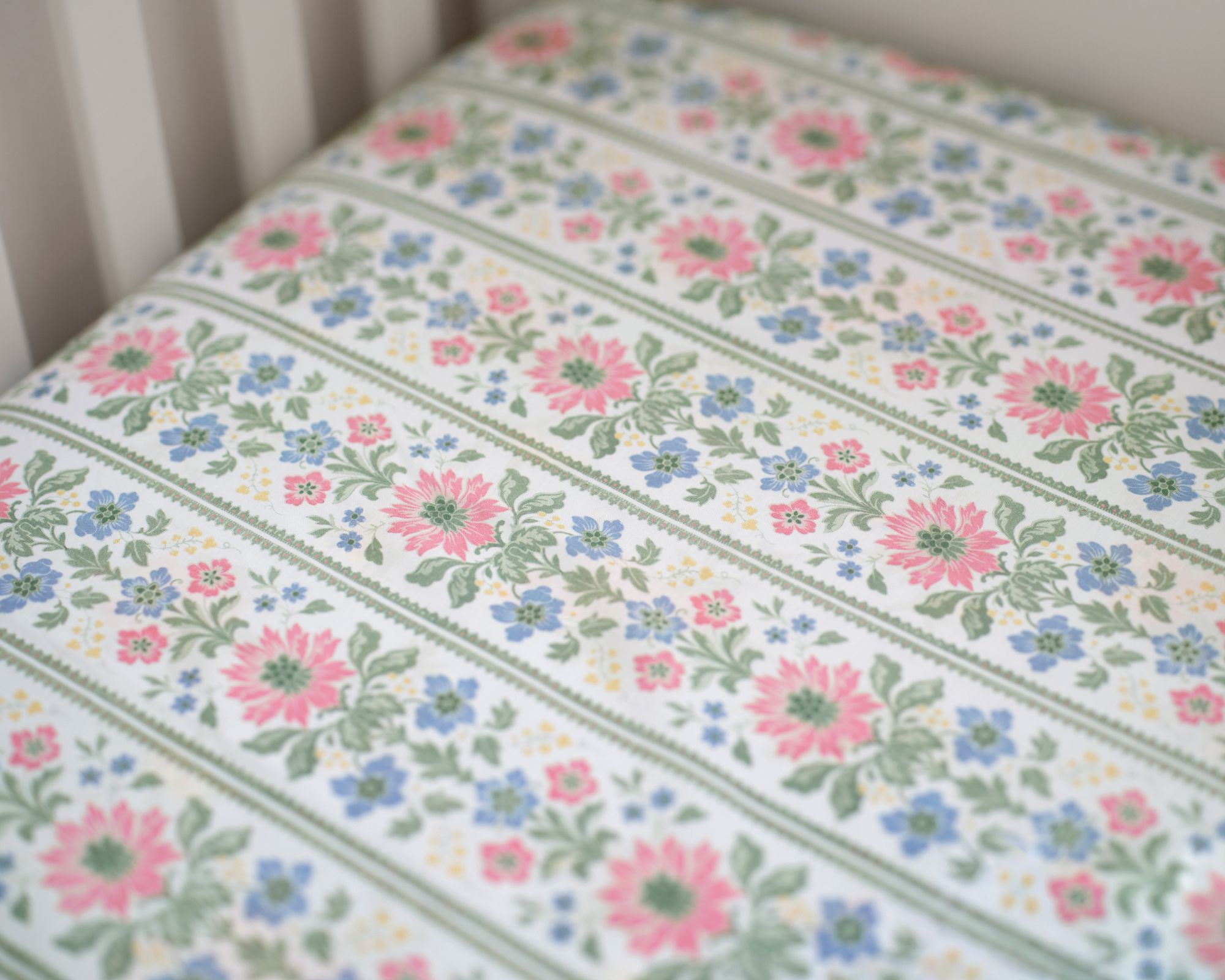
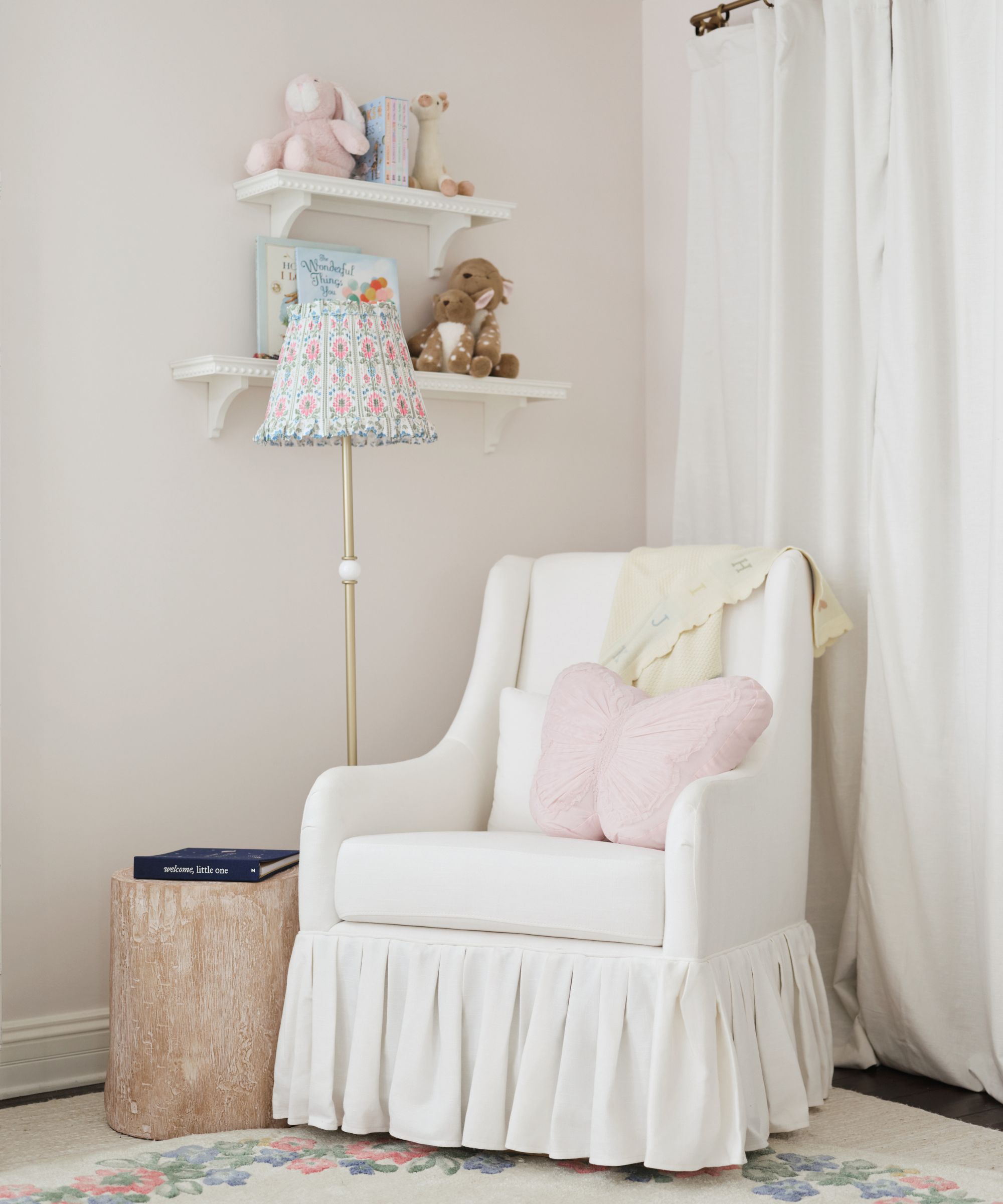
- Key Design Motifs: The space heavily features traditional feminine touches, including delicate floral prints, soft ruffles, and whimsical butterfly accents that dance across various textiles.
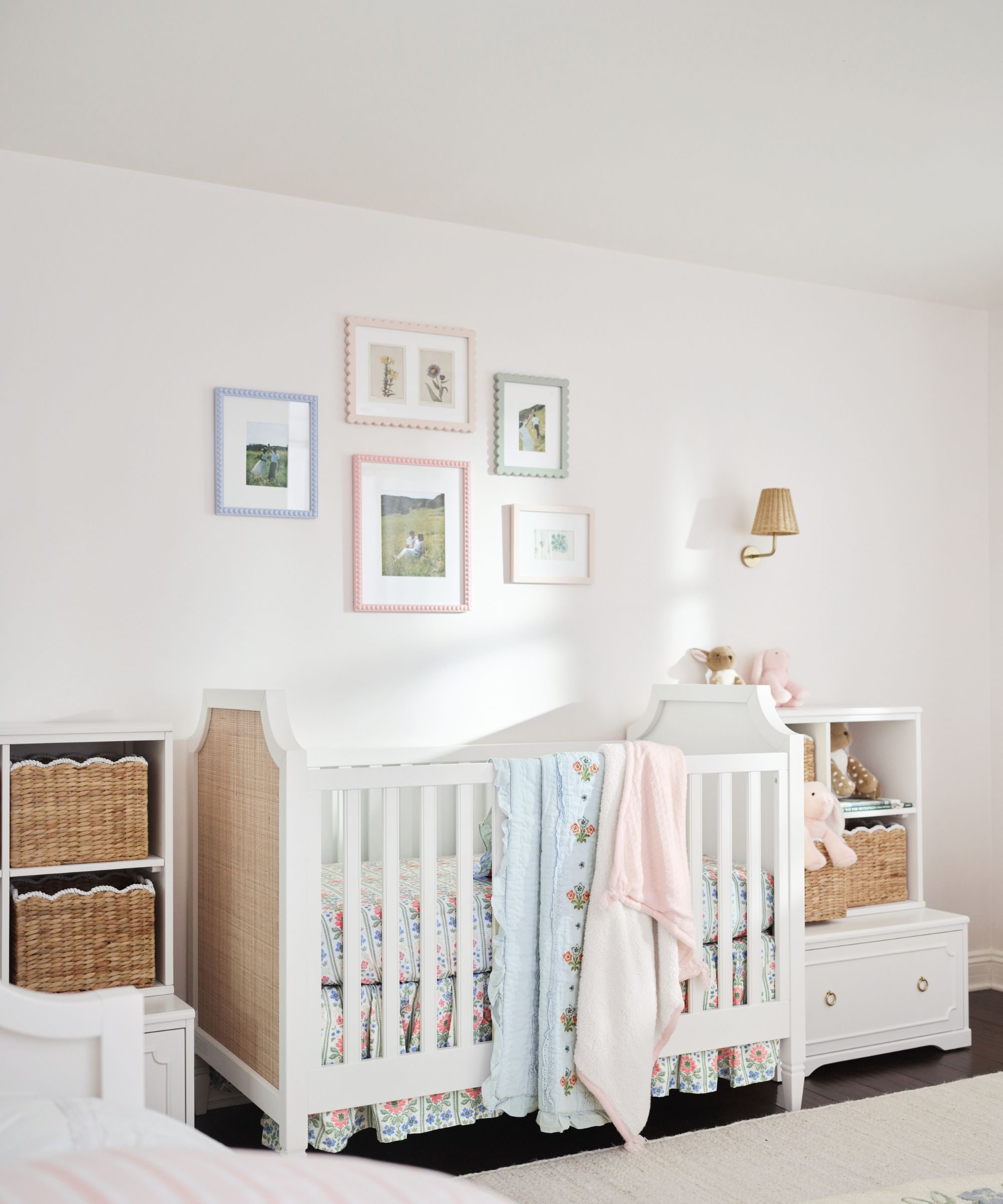
- The Color Palette: Crisp, gallery-style white walls serve as a neutral canvas, allowing pops of color from floral bedding and understated pastel blankets to shine without overwhelming the senses.
- Furniture Investment: Rather than opting for single-use baby furniture, the couple prioritized longevity. Every major piece—from the convertible crib to the seating—is designed to transition seamlessly through various stages of childhood, and in some cases, move to other rooms in the house later on.
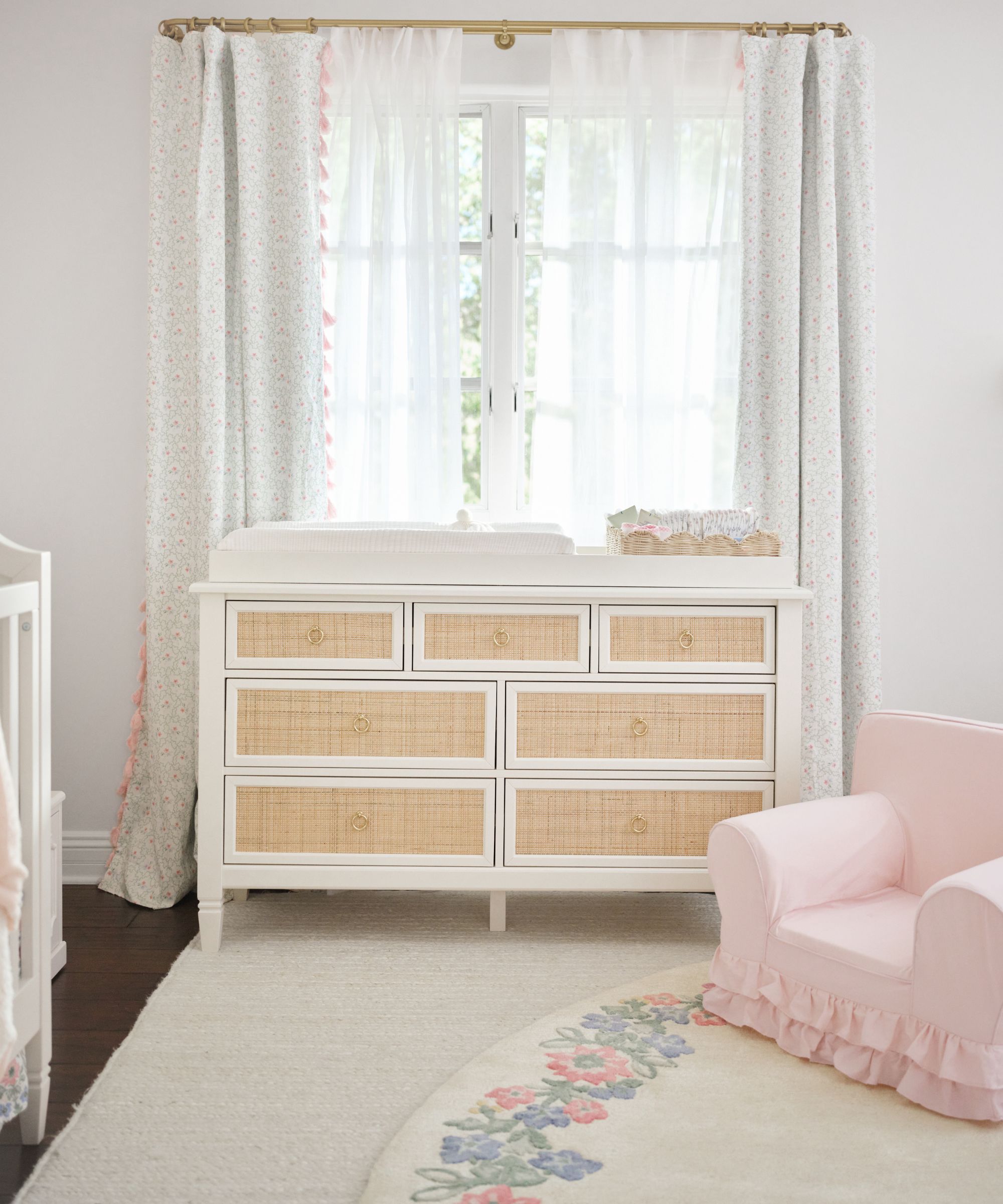
- Storage and Lighting: The room incorporates clever storage solutions, such as rattan scalloped bins and versatile drawer units, accented by warm, organic lighting elements like rattan wall sconces.
Chronology: From Concept to Completion
The journey toward creating the ultimate nursery did not happen overnight. It was a thoughtful, multi-stage process that began months before the arrival of the couple’s newest addition.
Phase 1: Conceptualization and Vision
Long before furniture was ordered or paint swatches were taped to the drywall, Tay Lautner envisioned a space that felt deeply personal yet entirely serene. As design enthusiasts, both Taylor and Tay recognized that a nursery cannot solely cater to the baby; it must also serve as a functional workstation and resting place for parents during late-night feedings, diaper changes, and countless hours of soothing.
Tay wanted to avoid the sterile feel of modern commercial spaces. "I wanted to bring in all of the frills and the patterns and give it that classic feel," she explained during the design reveal.
Phase 2: Partnering with Pottery Barn Kids
To bring the vision to life, the couple teamed up with the styling team at Pottery Barn Kids. This collaboration allowed them access to premium, safety-certified children’s furniture while maintaining a high-fashion interior design standard. Together, they selected pieces that married safety, durability, and high aesthetic value.
Phase 3: Layering Details and Textures
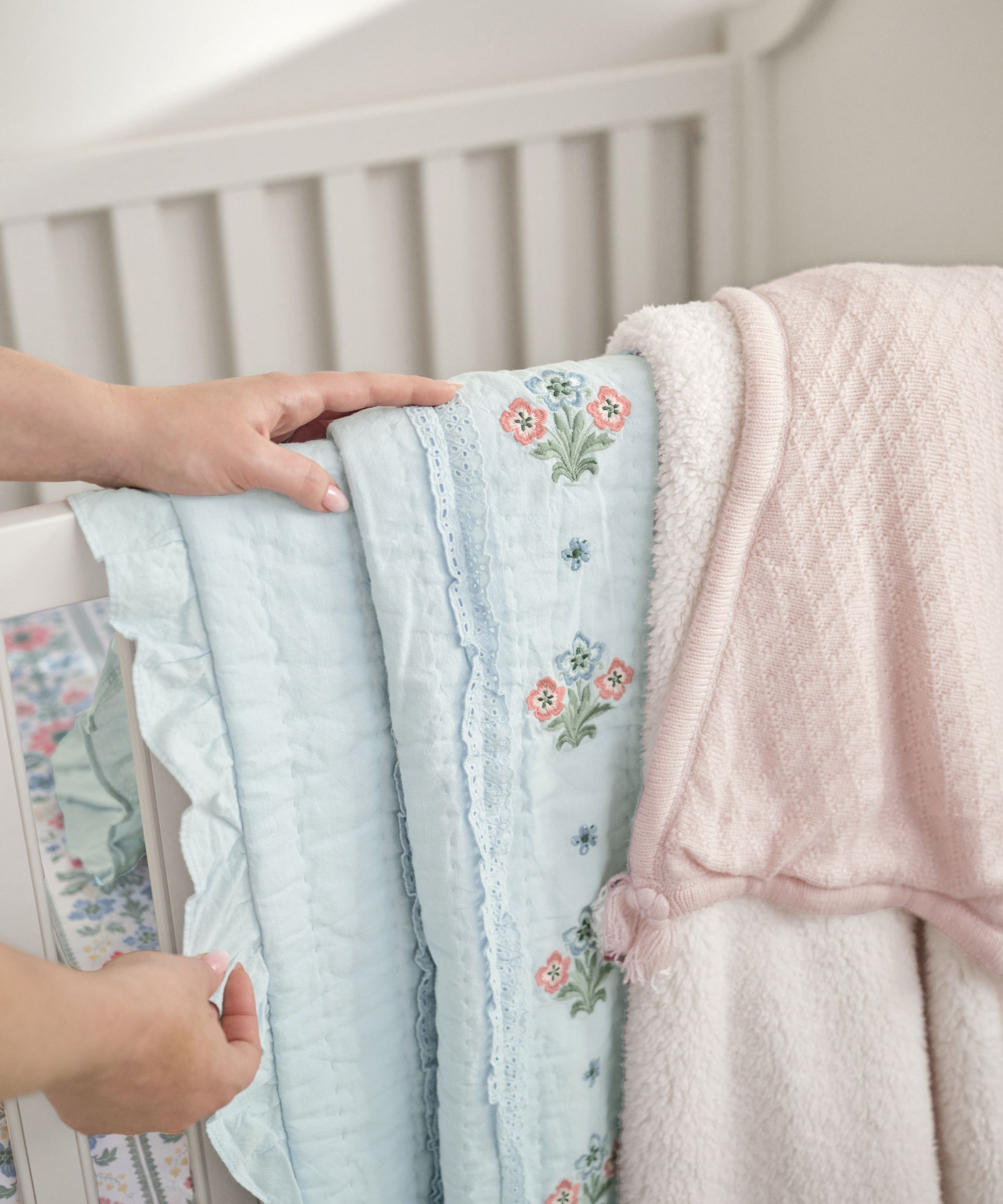
Once the foundational furniture was placed, the focus shifted to the micro-details. The couple introduced floral crib sheets to inject a dose of playful color against the white walls. Textural layers—such as soft knit blankets draped casually over the edge of the crib—were added to soften the room’s overarching tranquil color scheme.
Phase 4: Future-Proofing for Toddlerhood and Beyond
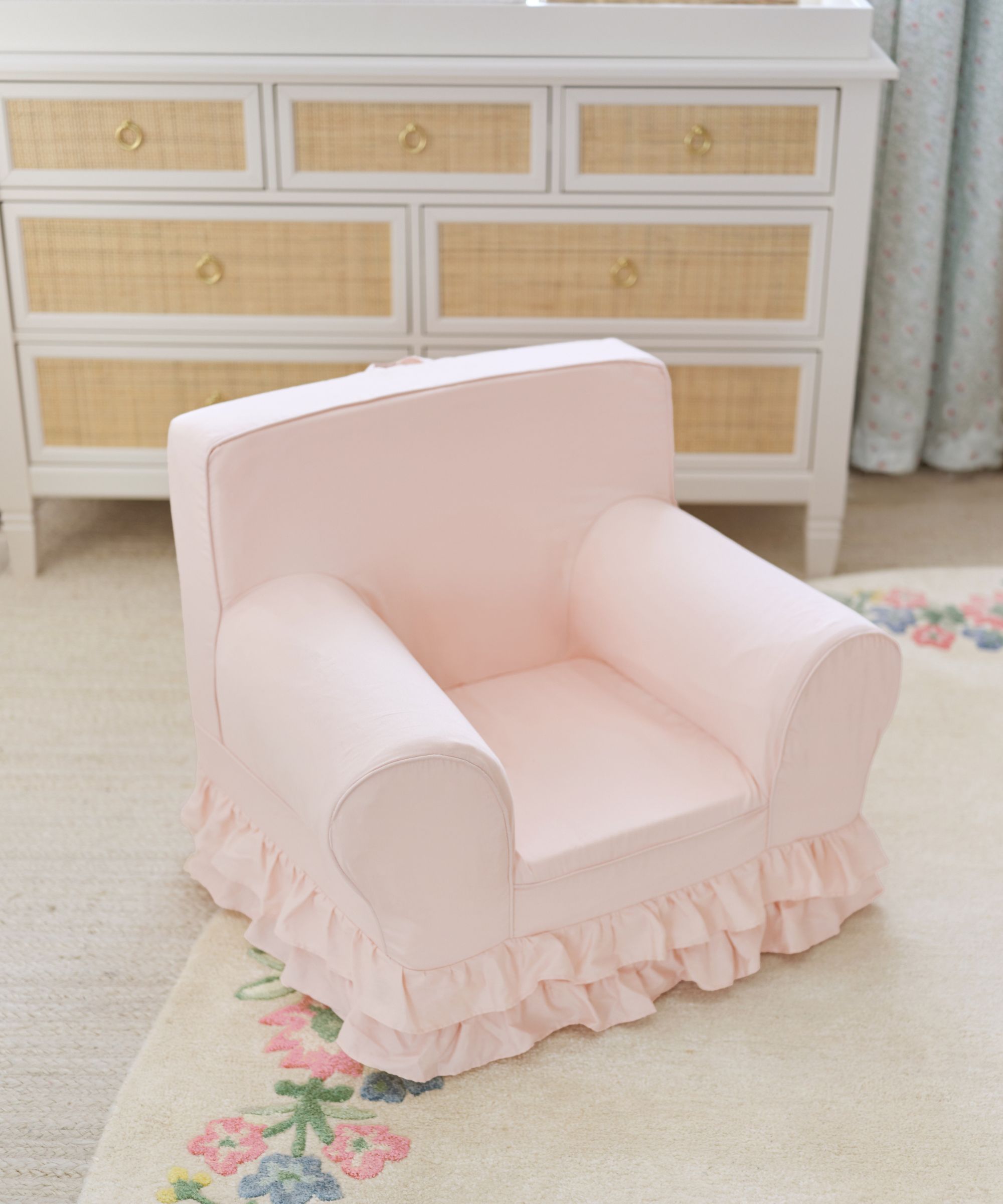
In the final stages of the room’s assembly, the focus turned toward the future. The Lautners integrated scaled-down furniture built for independent play, ensuring the room would evolve organically from an infant sanctuary into a toddler’s imaginative playground complete with reading nooks and doll-sized tea party setups.
Supporting Data & Standout Design Elements
For interior design aficionados looking to replicate elements of the Lautner nursery in their own homes, several standout pieces anchor the space. Here is a look at the key items driving the room’s success:
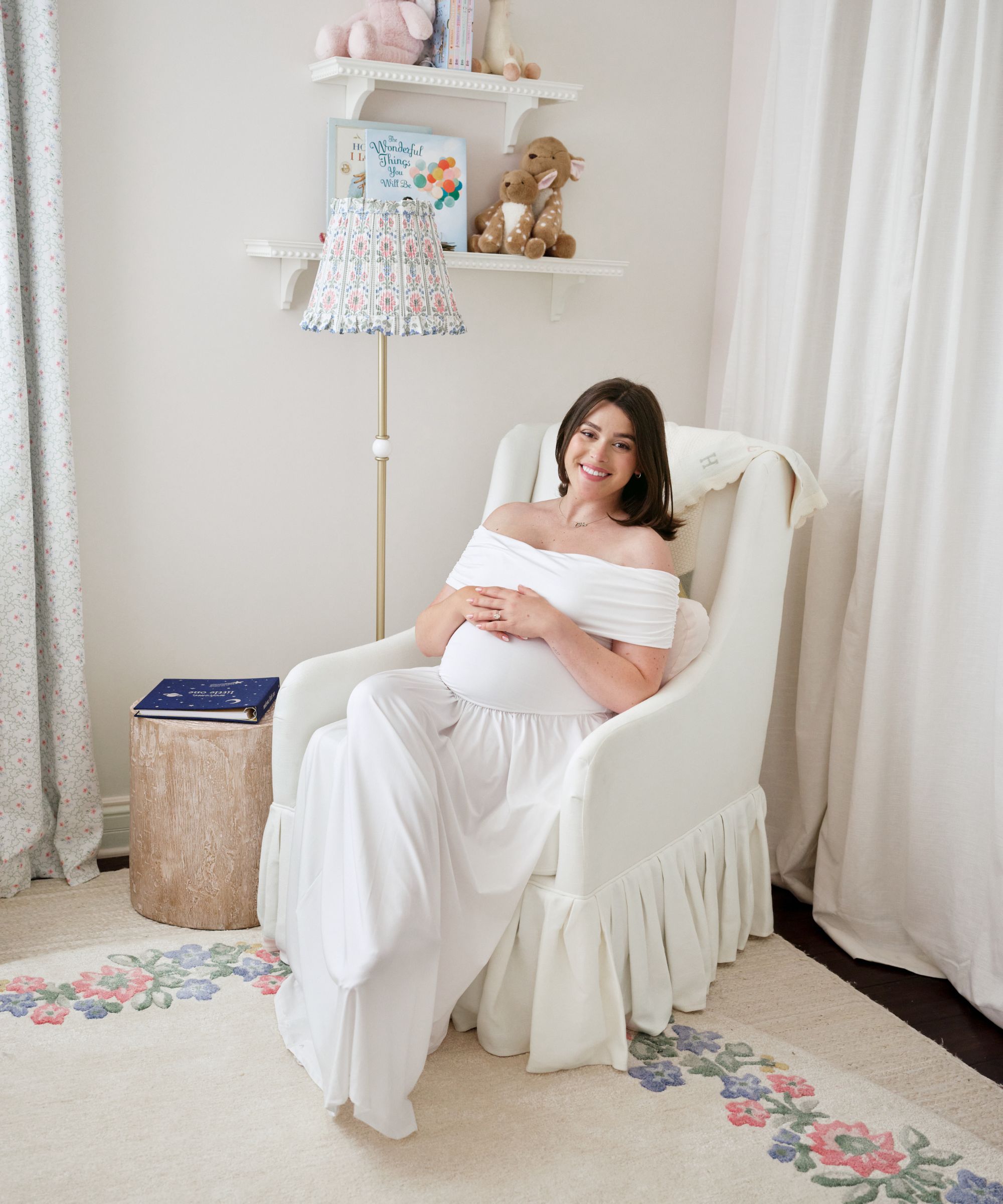
1. The Merced Glider and Ottoman
Perhaps no piece of furniture is more critical to a new parent’s survival than a comfortable rocking chair. Tay singled out the Merced Glider as one of her absolute favorite items in the entire room.
"I chose this chair because I loved how it looked, but after getting it, it is so comfortable," Tay shares. "We are going to spend a lot of time in this chair between nursing and soothing her."
Crucially, the glider was chosen with longevity in mind. Once the midnight rocking sessions and marathon storytimes are a thing of the past, the high-end upholstery and timeless silhouette mean the chair can easily be relocated to a living room, study, or master bedroom.
2. The Convertible Crib
To avoid the waste associated with single-stage furniture, the couple selected a convertible crib that effortlessly transforms into a toddler bed as the child grows. This sustainable approach to nursery design ensures both financial efficiency and emotional continuity for the child.
3. Clever Storage Solutions
Clutter is the ultimate enemy of a peaceful room. The Lautner nursery combats this with a smart storage ecosystem. Adorable rattan scalloped bins and deep drawer sets provide immediate functionality for stashing diapers, wipes, and swaddles. As the baby grows, these same bins will easily transition to holding building blocks, art supplies, and storybooks.
4. Organic Lighting and Accents
Moving away from harsh overhead glare, the room relies on warm, layered lighting. Sweet rattan wall sconces cast a gentle, amber glow over the room, creating an ideal environment for winding down during bedtime routines.
Official Responses and Industry Reactions
The collaboration between celebrity couples and major home decor retailers like Pottery Barn Kids has become a massive trend in contemporary lifestyle media. Industry analysts and interior designers have praised the Lautner nursery for breaking away from the hyper-modern, gender-neutral gray trends that dominated the 2010s.
Home decor experts note that a return to traditional, frilly, and pattern-rich environments signals a broader cultural shift toward maximalist comfort and nostalgic design. By leaning into floral prints, tactile wovens (like rattan), and classic silhouettes, the Lautners have successfully localized a high-end designer look into an accessible format.
Pottery Barn representatives have similarly highlighted the collaboration as a prime example of how modern parents are demanding furniture that does not compromise on style. "Parents today want their homes to flow cohesively," notes one interior trend analyst. "They don’t want a nursery that looks like an explosion of plastic toys. They want a room that matches the sophisticated aesthetic of the rest of their home while remaining deeply functional for a child."
Implications: The Future of Celebrity Nursery Design
The public reveal of Taylor and Tay Lautner’s nursery carries several notable implications for the broader world of interior design and celebrity culture:
- The Rise of "Cohesive" Home Styling: The old paradigm of the nursery as a quarantined, brightly colored playroom disconnected from the rest of the house is officially fading. The Lautners prove that a child’s room can—and should—flow seamlessly with the overarching interior design language of the primary residence.
- Sustainable and Adaptable Consumerism: With the inclusion of convertible cribs, multi-purpose gliders, and flexible storage bins, the nursery underscores a growing consumer preference for sustainable, long-lasting investment pieces over cheap, disposable baby gear.
- The Democratization of Celebrity Style: Because all of the core pieces utilized in the Lautner nursery are commercially available through Pottery Barn Kids, fans and expectant parents can directly translate celebrity inspiration into their own domestic spaces without needing private interior architects.
Ultimately, Taylor and Tay Lautner have proven that preparing for parenthood doesn’t mean sacrificing personal style. By striking a harmonious balance between youthful whimsy and adult serenity, they have created a blueprint for modern nursery design that will undoubtedly inspire expecting parents for years to come.
