

By Global Tech & Wellness Desk
Published: September 2026
Main Facts
The consumer wearable market is undergoing a fundamental shift away from notification-heavy smartwatches and toward minimalist, continuous wellness monitors. While major tech companies like Google, Garmin, and Amazfit have recently flooded the market with screenless alternatives—such as the Fitbit Air, Garmin Cirq Smart Band, and Amazfit Helio Strap Pro—reports indicate that Apple is quietly preparing its own entry into the fray.
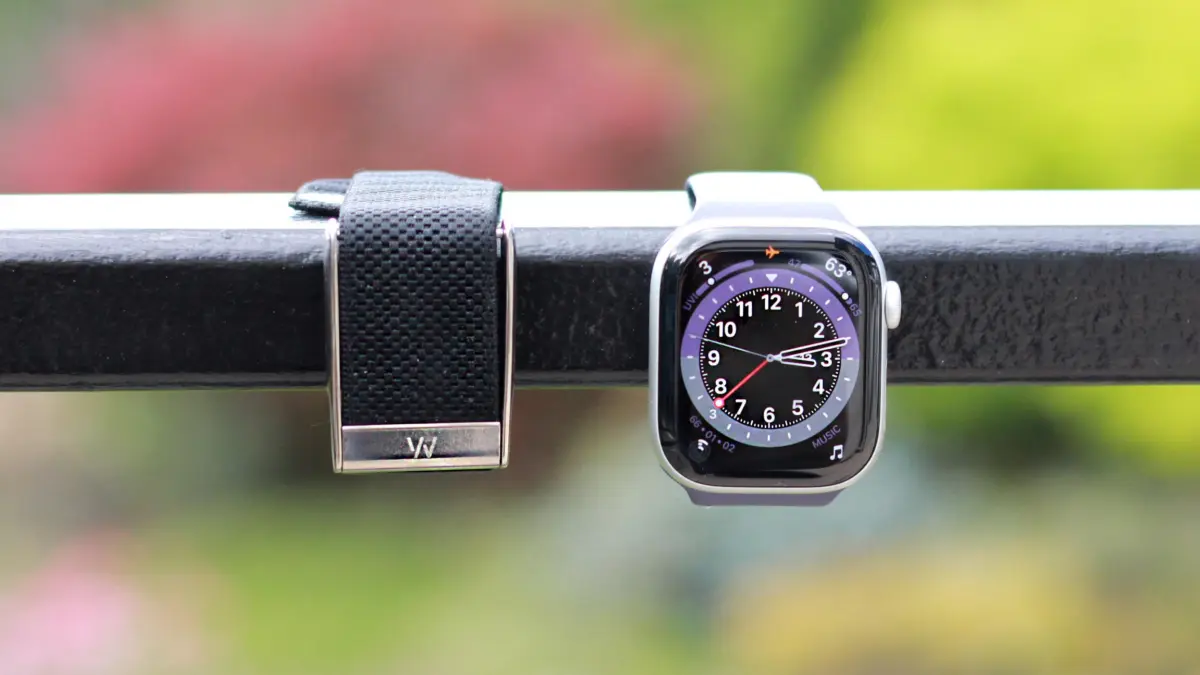
According to insider reports originating from supply chain and industry analysts, Apple is actively investigating and prototyping a screenless fitness tracker engineered to compete directly with established recovery-focused brands like Whoop. Unlike the feature-packed Apple Watch, which balances productivity, communication, and fitness tracking, this new device features a minimalist design: a lightweight, flexible fabric band coupled with a compact computing module housing advanced biometric sensors.
Operating without a display, the device relies on Bluetooth to beam continuous health and vital sign data directly to the Apple Health app on a paired iPhone. Although high-ranking executives—including Executive Chair Tim Cook and Senior Vice President of Services and Health Eddy Cue—have reportedly expressed strong interest in the project, the Cupertino-based tech giant has not yet greenlit the device for mass production. If Apple ultimately decides to bring the wearable to market, industry insiders suggest a launch timeline no earlier than 2028.

Chronology
The trajectory of Apple’s wearable ecosystem highlights a deliberate evolution from generalized notifications to hyper-personalized, clinical-grade health tracking.
- April 2015: Apple launches the original Apple Watch, establishing a dominant foothold in the smartwatch market by combining digital communication tools with basic activity rings and heart-rate monitoring.
- 2019–2023: As competitors like Whoop and Oura popularize passive, continuous recovery tracking, consumers begin demanding metrics that evaluate sleep quality, autonomic nervous system balance, and physiological strain without the distraction of glowing screens.
- Early 2026: A wave of screenless fitness bands hits the market. Google debuts the Fitbit Air, Garmin launches the Cirq Smart Band, and Amazfit releases the Helio Strap Pro, signaling a broader industry pivot toward distraction-free wellness monitoring.
- September 2026: Reports surface detailing Apple’s internal development of a screenless fitness tracker. Built in part by members of the hardware engineering team behind the Vision Pro headset, early prototypes utilize a thin fabric band and a modular sensor housing.
- Late 2026 (Upcoming): Apple prepares to roll out a major redesign of its native Health app. The update introduces advanced predictive metrics, including "readiness score" and "Health Age," bridging the feature gap between Apple’s ecosystem and dedicated recovery trackers like Whoop and Oura.
- 2028 and Beyond (Projected): According to supply chain analysts, 2028 is the earliest estimated window for a potential commercial release of Apple’s screenless fitness wearable, should the project survive internal review phases.
Supporting Data
The commercial viability of a screenless Apple fitness band is underpinned by changing consumer preferences and advancements in artificial intelligence.
Data from the wearable technology sector indicates that continuous, screen-free form factors offer distinct hardware advantages:
- Battery Longevity: Without the high energy draw of an OLED or LCD display, screenless bands routinely achieve battery lives lasting up to a week or more on a single charge.
- Ergonomics and Comfort: Devoid of heavy metal or glass casing, fabric-strap wearables present a lower physical profile. This makes them significantly more comfortable for 24/7 wear, particularly during sleep—a critical window for capturing restorative health data.
- Discretion: Minimalist wearables blend seamlessly with traditional jewelry and professional attire, appealing to consumers who prefer a low-profile aesthetic.
Furthermore, Apple’s software infrastructure is uniquely positioned to interpret raw biometric inputs. The forthcoming iterations of the Apple Health app incorporate analytical tools driven by Apple Intelligence and the conversational capabilities of Siri AI. Rather than forcing users to manually parse through raw data graphs, Apple’s AI architecture analyzes sleep staging, heart-rate variability (HRV), and resting heart rate to deliver actionable, daily physiological summaries. This mirrors voice-activated integration seen in emerging competitors like the Luna Band, allowing users to log meals, symptoms, and subjective wellness metrics simply by speaking to their device.

Official Responses
As is customary for speculative hardware projects still in the exploratory phases, corporate communications have remained tightly controlled.
When approached for comment regarding the development of a Whoop-competing, screenless wearable, a corporate representative for Apple declined to immediately respond. However, statements made by executive leadership during recent health initiative announcements point toward a deepening corporate focus on preventative care, biological aging markers, and health span optimization.
While leadership figures such as Tim Cook and Eddy Cue have reportedly championed the screenless hardware concept internally, the project remains subject to Apple’s notoriously rigorous product evaluation cycles. Apple’s product pipeline frequently explores experimental concepts that are ultimately shelved if they fail to meet the company’s strict benchmarks for user experience, design elegance, and market differentiation.
Implications
The potential entry of Apple into the screenless wearable sector carries massive implications for both consumers and direct competitors.

1. Disrupting the Recovery-Tracker Monopoly
For years, brands like Whoop and Oura have enjoyed a near-monopoly on dedicated recovery tracking, capitalizing on the absence of a comparable offering from tech goliaths. A screenless fitness band from Apple—backed by the seamless synchronization of the iOS ecosystem—would immediately threaten this niche. Casual athletes and biohackers who currently juggle a multi-ecosystem setup could find themselves pulled back entirely into Apple’s integrated health architecture.
2. The Subscription Model Debate
One of the most persistent friction points for consumers utilizing devices like Whoop is the mandatory monthly or annual subscription fee required to unlock deep analytical insights. Apple, by contrast, has historically bundled its foundational software features and health metrics into the baseline iOS experience without recurring paywalls. If Apple launches a screenless tracker that operates subscription-free, it could trigger a consumer-led revolt against the subscription-heavy pricing models currently favored across the recovery-wearable landscape.
3. The Form Factor Dilemma: Wristband vs. Smart Ring
While a fabric wrist-based tracker represents a logical and comfortable progression, industry observers continue to debate whether a smart ring might ultimately serve consumers better. Smart rings offer the ultimate in discretion and sleep comfort, avoiding the sweat accumulation and skin irritation sometimes associated with fabric wrist bands during intense exercise. Whether Apple eventually chooses to pursue a wrist-bound fabric band, a smart ring, or both will define its hardware strategy for the next decade.
Ultimately, whether Apple’s rumored screenless tracker ever makes it to store shelves or remains an internal prototype, its very existence signals where the future of personal technology is heading: away from the glaring distraction of notifications and screens, and toward an invisible, ambient integration of health and wellness into daily life.
