

Main Facts
For the past two years, a quiet revolution has been taking place inside kitchens worldwide, driven by a growing awareness of microplastics. Consumers have systematically swapped out single-use plastics, traded synthetic containers for glass Pyrex, discarded plastic cooking tools in favor of bamboo, and replaced chopping boards with solid wood. Yet, one stubborn appliance remained a persistent challenge for health-conscious households: the automatic drip coffee maker.
Every morning, millions of households rely on machines that channel boiling water through plastic water lines, plastic brew baskets, and plastic-capped carafes. For those trying to limit their ingestion of synthetic particles, avoiding this daily exposure previously meant abandoning convenience entirely and opting for tedious manual pour-over methods.
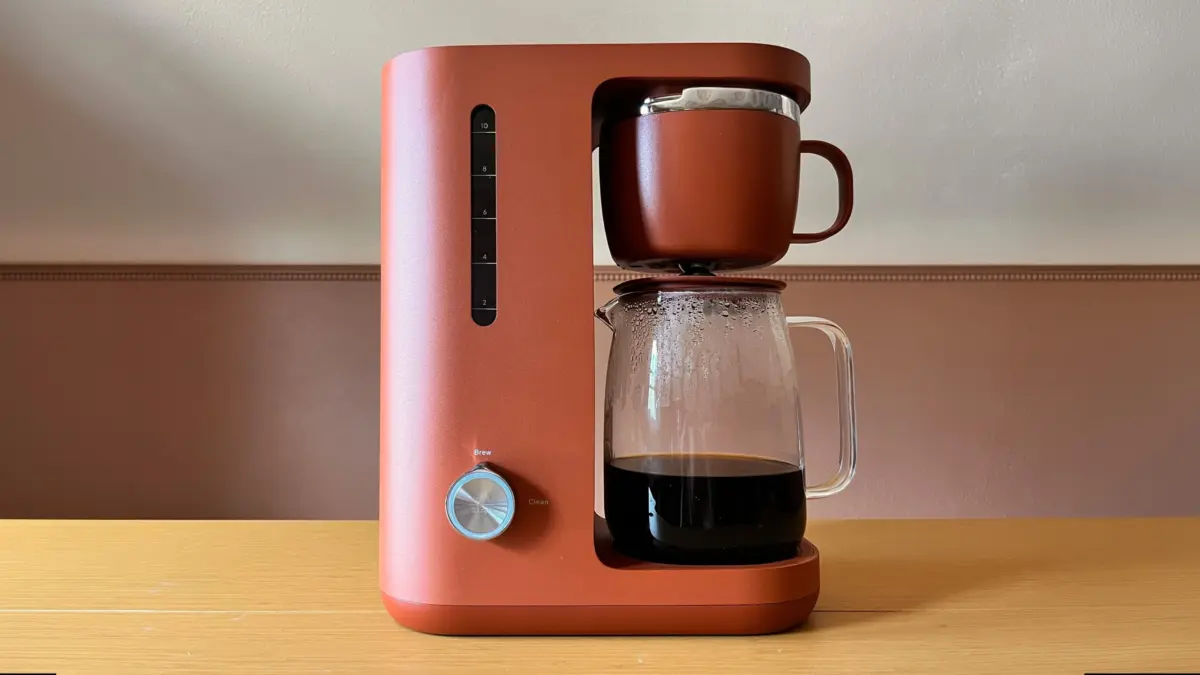
That paradigm is shifting. Caraway—a brand widely recognized for its aesthetically pleasing, non-toxic ceramic cookware—has officially entered the appliance market with a product designed to solve this exact dilemma. The newly released Caraway Drip Coffee Maker features a completely plastic-free brew path. Priced at $495 and available in sophisticated colorways including cream, stone, midnight, and clay, the appliance promises the automated convenience of a traditional drip machine without the thermal degradation of plastic components.

Reviewers testing the machine note that it successfully bridges the gap between health-conscious material safety and high-end kitchen design, though its minimalist, screen-free interface means sacrificing advanced programmability for sleek aesthetics.
Chronology
The Evolution of the Consumer Kitchen Quest
- 2022–2023: A significant cultural shift begins as mainstream media and scientific studies highlight the prevalence of microplastics in everyday foods, bottled water, and household dust. Consumers start aggressively auditing their pantries and cookware, transitioning to glass, stainless steel, and cast iron.
- Early 2024: While items like storage containers, spatulas, and water bottles are easily replaced, kitchen appliances remain a blind spot. Coffee machines, blenders, and air fryers largely rely on engineering designs built around durable, heat-resistant plastics.
- Mid-to-Late 2024: Anticipation builds within the home-tech sector as design-forward cookware brands look to expand their product ecosystems into countertop appliances.
- Late 2024 / Early 2025: Caraway launches its much-anticipated entry into the coffee appliance space. Initial media reviews—including hands-on testing by industry journalists—confirm that the machine successfully redesigns the internal plumbing of a drip brewer to completely eliminate plastic contact points in the path of hot water and brewed coffee.
- Present Day: The Caraway Drip Coffee Maker is available for purchase at $495, sparking broader conversations across the home appliance industry regarding material transparency and consumer health demands.
Supporting Data & Technical Specifications
To understand why the Caraway Drip Coffee Maker has captured the attention of wellness advocates and tech reviewers alike, it is necessary to examine its physical architecture and operational capabilities:
- Price Point: Retails at $495, positioning it squarely in the premium kitchen appliance tier alongside high-end brands like Cafe, Balmuda, and Technivorm.
- The Brew Path Construction: The internal water transport lines, brew basket, and reusable coffee filter are fabricated entirely from food-grade stainless steel.
- The Carafe: A 10-cup glass carafe featuring a lid lined with a minimal amount of food-grade silicone for a secure seal; however, the physical liquid touching the beverage remains strictly stainless steel and glass.
- Maintenance and Cleanup: The stainless steel brew basket, reusable filter, and glass carafe are entirely dishwasher-safe, simplifying post-brew maintenance.
- Interface Design: Eschewing digital screens and complex programming panels, the machine features a single, multifunctional physical knob. Twisting the dial navigates between "brew" and "clean" modes, while pressing it initiates or halts the operation.
- Thermal Performance: Features a warming plate that keeps brewed coffee heated within the glass carafe for up to 90 minutes before automatically shutting off.
- Aesthetic Details: Built with a matte finish, a detachable power cord, and an ambient blue indicator light that illuminates the water reservoir during filling.
- Color Options: Available in four signature minimalist tones: Cream, Stone, Midnight, and Clay.
Official Responses and Industry Perspectives
The release of a near-$500 plastic-free appliance has ignited discussions among culinary experts, product designers, and consumer advocates regarding the future of kitchen hardware manufacturing.

Industry analysts point out that traditional appliance manufacturers have historically relied on engineering plastics (such as polypropylene and polycarbonate) because they are inexpensive, lightweight, and thermally stable enough to pass basic regulatory safety tests. However, emerging toxicological studies examining the long-term ingestion of microplastics and chemical leachates (such as BPA, BPS, and various plasticizers) are forcing brands to rethink material sourcing.
While Caraway has not framed its product launch as an activist statement, its marketing leans heavily on the promise of "clean cooking" and non-toxic home environments—a philosophy that built the brand’s reputation in the ceramic cookware space. Kitchen tech reviewers note that while consumers have willingly paid premiums for chemical-free non-stick coatings, translating that expectation to motorized and heated kitchen appliances represents a much higher manufacturing hurdle.
Early user feedback indicates that while buyers appreciate the uncompromising approach to material safety, some traditionalists miss the convenience of programmable 24-hour digital timers—a feature intentionally omitted by Caraway to preserve the machine’s clean, minimalist aesthetic and simplified mechanical footprint.

Implications
The introduction of Caraway’s drip coffee maker carries several significant implications for consumers, manufacturers, and the broader home goods market:
1. Raising the Bar for Kitchen Appliance Transparency
For years, consumers seeking to minimize their chemical footprint had to accept compromises. If you wanted the speed and batch capacity of a drip coffee maker, you accepted that boiling water would inevitably pass through heated plastic internal components. Caraway’s success in engineering a completely metal-and-glass brew path proves that alternative material pipelines are technically feasible. This may pressure competitor brands to develop similar "plastic-free brew path" alternatives across various price points.
2. The Intersection of Health Anxiety and Premium Design
The market response underscores a powerful consumer psychology: wellness and aesthetics are increasingly intertwined. At $495, the Caraway machine is not marketed as a utilitarian budget tool; it is a luxury design object meant to sit prominently on modern countertops. By packaging peace of mind regarding microplastics inside a chic, matte-finished housing with intuitive analog controls, the brand validates the willingness of modern consumers to invest heavily in health-adjacent home upgrades.

3. A Catalyst for Broader Appliance Redesigns
If the demand for plastic-free components gains structural momentum, the ripple effects could extend far beyond coffee makers. Electric kettles, blenders, rice cookers, and air fryer baskets—many of which expose food or water to high heat and plastic surfaces—may soon face similar consumer scrutiny. Manufacturers will likely need to invest in heavy-duty stainless steel, borosilicate glass, and ceramic alternatives to satisfy an increasingly vigilant buyer base.
Ultimately, while manual pour-over setups will always have their purist adherents, the Caraway Drip Coffee Maker demonstrates that automated morning convenience no longer has to come at the potential expense of microplastic exposure. As research into synthetic particle accumulation continues to evolve, appliances engineered with material safety at their core are poised to transform from a luxury niche into the gold standard of modern kitchen design.
