

WASHINGTON — For generations, the laundry ritual has followed a predictable, mindless routine: sort the clothes into piles, toss them into the drum, pour in a capful of detergent, twist the dial to "Normal," and hit the start button. For many households, that single setting handles every textile in the home, from delicate silk blouses to muddy athletic gear and heavy winter comforters.
However, appliance engineers and textile experts point out that relying exclusively on the default "Normal" cycle is a costly mistake. Modern washing machines—even basic models—are sophisticated cleaning instruments engineered with specialized cycles, precise water temperature controls, and unique agitation patterns. Utilizing these features correctly does more than just get clothes cleaner; it preserves fabric integrity, prevents premature wear and tear, and significantly cuts down on household utility bills.
The Anatomy of Modern Laundry: Main Facts
At its core, a washing machine’s performance relies on a delicate balance of four elements: thermal energy (water temperature), chemical energy (detergent), mechanical energy (agitation or tumbling action), and time. By tweaking these variables through specific machine settings, users can optimize performance for targeted cleaning challenges.
According to the U.S. Environmental Protection Agency’s Energy Star program, heating water accounts for roughly 90 percent of the energy required to operate a traditional washing machine. When homeowners default to hot-water cycles for everyday loads, they are unnecessarily driving up their monthly utility bills. Conversely, blindly choosing cold water for every load can leave heavily soiled or bacteria-laden items unhygienically cleaned.
Understanding the distinct purpose of each cycle allows consumers to protect their investments. Apparel manufacturers invest heavily in care labels for a reason: exposing the wrong fabric to high heat, harsh agitation, or extended spin speeds can result in shrinkage, color bleeding, structural damage, and shortened garment lifespans.
Evolution of the Appliance Dial: A Brief Chronology
To understand why modern washing machines feature such a diverse array of settings, it helps to look at how laundry technology has evolved over the decades:
- Mid-20th Century: Early automated washing machines offered bare-bones functionality—typically a single timer knob that governed a uniform agitation and spin cycle, paired with a manual lever for hot or cold water. Sorting clothes manually was the primary method of fabric protection.
- Late 20th Century: As synthetic fibers like polyester, nylon, and acrylic flooded the textile market, manufacturers introduced the "Permanent Press" cycle. This innovation incorporated a cool-down phase and reduced spin speeds to prevent heat-set wrinkles in synthetic blends.
- Early 2000s: The rise of High-Efficiency (HE) top-loaders and front-loaders revolutionized water and energy conservation. Machines began utilizing low-water sensors, variable-speed motors, and digital control boards, paving the way for targeted cycles like "Bulky," "Delicates," and "Sanitize."
- Present Day: Today’s smart washing machines feature microprocessors capable of running specialized cycles down to the minute, incorporating pre-soak intervals, steam injections, app-based remote diagnostics, and automated self-cleaning maintenance reminders.
Navigating the Control Panel: Common Washer Settings
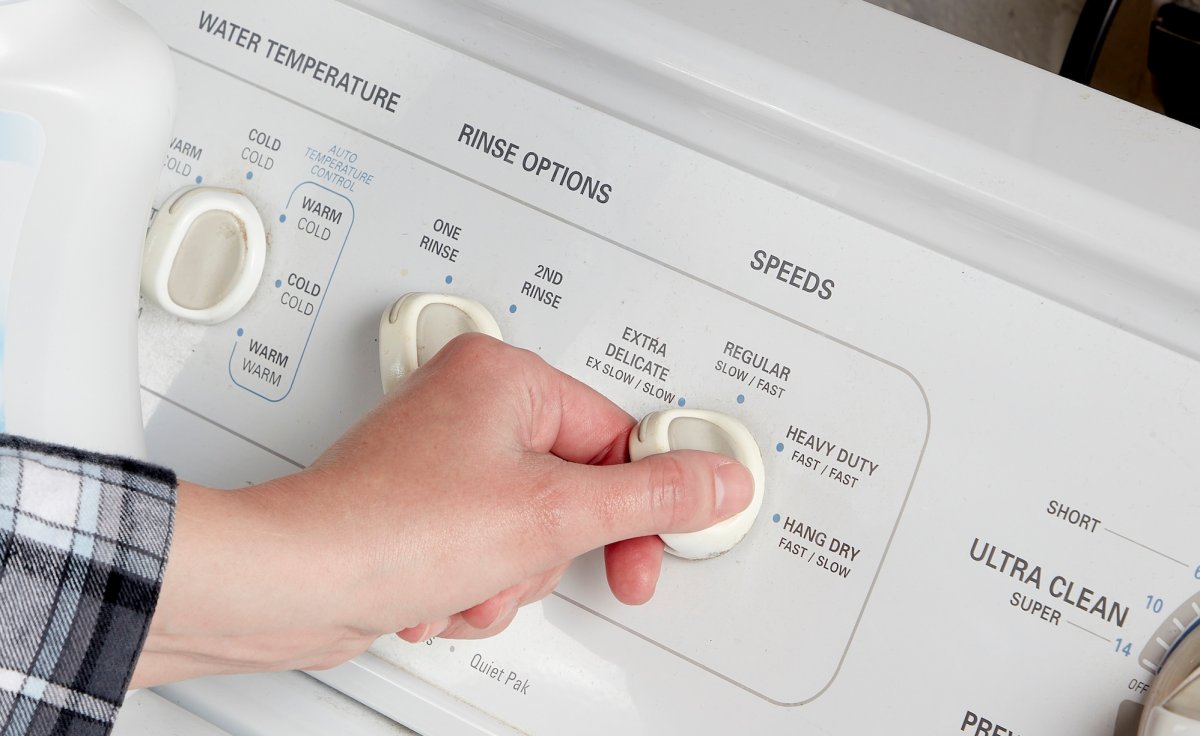
Knowing which button to push can feel overwhelming given the array of options on modern control panels. Breaking them down by category helps clarify their ideal applications.
1. The Everyday Workhorses
- Normal Cycle: Ideal for sturdy fabrics like cotton, linen, and everyday mixed loads with normal soil levels. It typically runs for 50 to 60 minutes, utilizing warm or cold water paired with high spin speeds. It should be avoided for delicate items.
- Colors: Designed specifically for brights, darks, and reds. It pairs cool water with a fast spin cycle to prevent dye bleeding and fading, running for approximately 45 minutes.
- Whites: Engineered to accommodate chlorine bleach. This cycle features an extended wash time, an extra rinse cycle to strip away bleach residue, and a fast spin speed. Because it relies heavily on hot water to brighten whites, it should never be used for dark colors or shrink-prone fabrics.
2. Fabric-Specific Protection
- Delicates: Tailored for silk, lace, lingerie, sheer blouses, and garments with delicate embellishments like sequins. It blends cold water, very gentle agitation, and a slow spin speed to prevent tearing and reduce wrinkling. A typical cycle lasts 45 to 50 minutes.
- Permanent Press (Wrinkle Control): Optimized for synthetic and blended fabrics like polyester, rayon, and knitwear. It utilizes a gentle wash action and a slower final spin to keep wrinkles from setting into synthetic fibers.
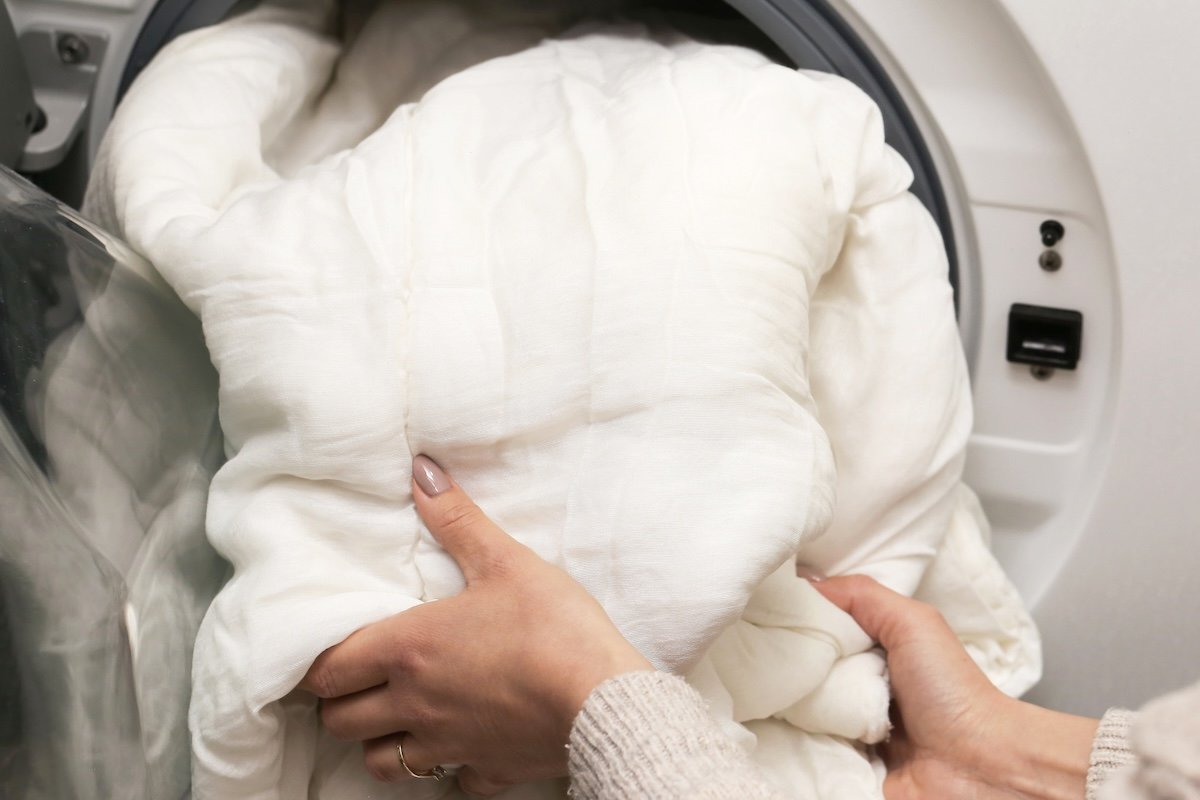
- Bulky / Bedding: Built for heavy items like comforters, duvets, sleeping bags, and thick towels. This setting initiates a higher water level before agitation begins to ensure the load is fully saturated, running on warm water and a low spin speed to keep the drum balanced.
3. Time-Saving and Specialized Cycles
- Quick Wash: Perfect for lightly worn garments that just need a quick refresh rather than a full, deep clean. Running in about 30 minutes, this energy-efficient setting uses warm water and a high-speed spin for small loads. It is entirely unsuited for heavy stains or bulky bedding.
- Heavy Duty (Power Wash): Reserved for seriously soiled garments, such as muddy sports uniforms, workwear, or grease-stained clothing. It employs intense mechanical action, warm-to-hot water, and high spin speeds, resulting in a 1-to-2-hour run time.
- Sanitize: Utilizing exceptionally high water temperatures and extended wash durations, this cycle is designed to eliminate 99.9% of household bacteria. It is recommended for cloth diapers, items used by someone who is ill, or towels used in high-moisture environments to combat mold and mildew.
4. Maintenance and Emergency Settings
- Drain and Spin: When an out-of-load balance triggers an emergency stop—leaving standing water or soaking-wet clothes in the drum—this 5-to-6-minute safety feature pumps out the water and executes a high-speed spin to dry the contents.
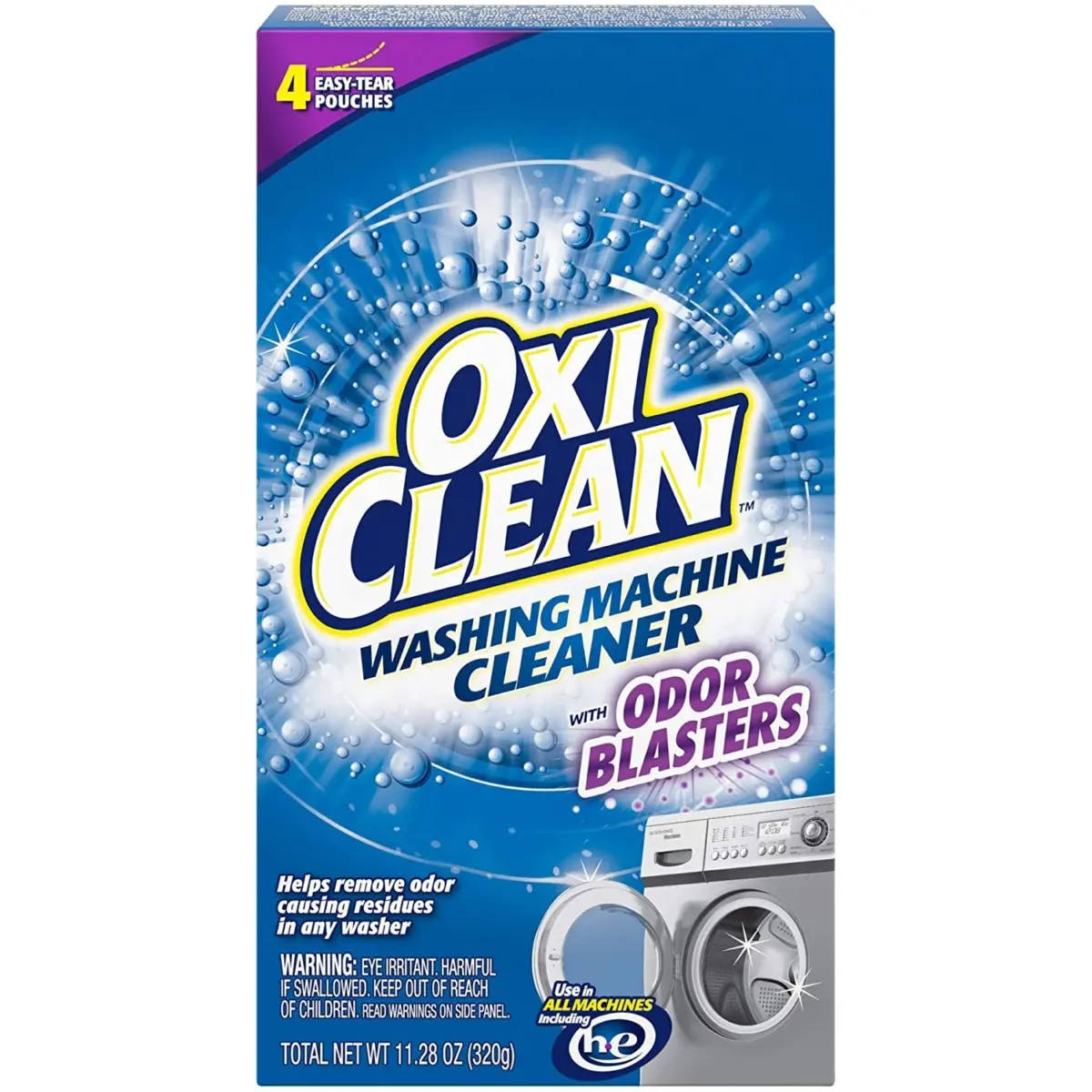
- Clean Washer (Self-Clean): Modern high-efficiency washers are prone to mold and mildew buildup in hidden crevices and door seals. Running a self-clean cycle (or a manual hot-water cycle with a specialized washing machine cleaner tablet) once every 30 loads strips away detergent residue and eliminates musty odors.
Supporting Data: The Impact of Water Temperature
Choosing the correct temperature is just as crucial as selecting the right cycle. According to industry data, adjusting your washing machine habits can yield measurable differences in garment longevity and utility expenditures:
| Water Temperature | Best Used For | Key Advantage | Major Drawback |
|---|---|---|---|
| Hot | Whites, heavily soiled items, cloth diapers, sanitize cycles | Kills bacteria, removes heavy grease and oil | Consumes the most energy; causes shrinkage and fading |
| Warm | Natural fibers (cotton), synthetic blends, moderately soiled loads | Effective cleaning without extreme heat | Can fade bright colors; does not kill bacteria |
| Cold | Dark/bright colors, delicates, wool, silk, protein stains (blood, dairy) | Prevents shrinking, bleeding, and fading; highly energy-efficient | Ineffective against heavy bacteria and body oils |
| Cool | Mixed everyday loads | Helps dissolve detergents better than cold water | Still requires caution with extreme darks or delicate wools |
Industry and Expert Perspectives
Laundry appliance manufacturers and textile scientists frequently publish guidelines aimed at correcting common consumer misperceptions.
"Consumers often assume that hotter is always cleaner, but modern enzymatic detergents are chemically engineered to perform exceptionally well in cold water," notes a senior product development specialist for a major appliance manufacturer. "Running a hot wash when a cold wash will suffice puts unnecessary thermal stress on textile fibers while inflating utility bills."
Similarly, textile care associations emphasize the importance of reading garment labels before yielding to convenience. "A garment’s care tag isn’t just a suggestion; it’s a structural roadmap," says a spokesperson for the International Fabricare Institute. "Ignoring the delicate or cold-only guidelines can destroy the elasticity, weave, and dye of high-end garments within a single wash cycle."
Implications for the Modern Household
Mastering the control panel of a washing machine has far-reaching implications for household management:
- Financial Savings: By shifting the bulk of everyday loads from hot water to cold water, households can trim a noticeable percentage off their annual electricity bills, given that water heating represents the second-largest energy expense in a typical home.
- Extended Wardrobe Lifespan: Treating fabrics according to their specific structural needs—using gentle cycles for synthetics and delicate washes for silks—prevents premature thinning, fading, and fraying, reducing the need for frequent clothing replacements.
- Appliance Longevity: Regularly employing maintenance cycles like "Clean Washer" and avoiding the chronic overloading of "Bulky" settings prevents mechanical strain, balancing issues, and costly repair calls or premature appliance replacement.
Ultimately, taking an extra thirty seconds to evaluate a laundry load, check garment care tags, and select a specialized washer setting transforms a mundane household chore into an exercise in smart resource management.
