

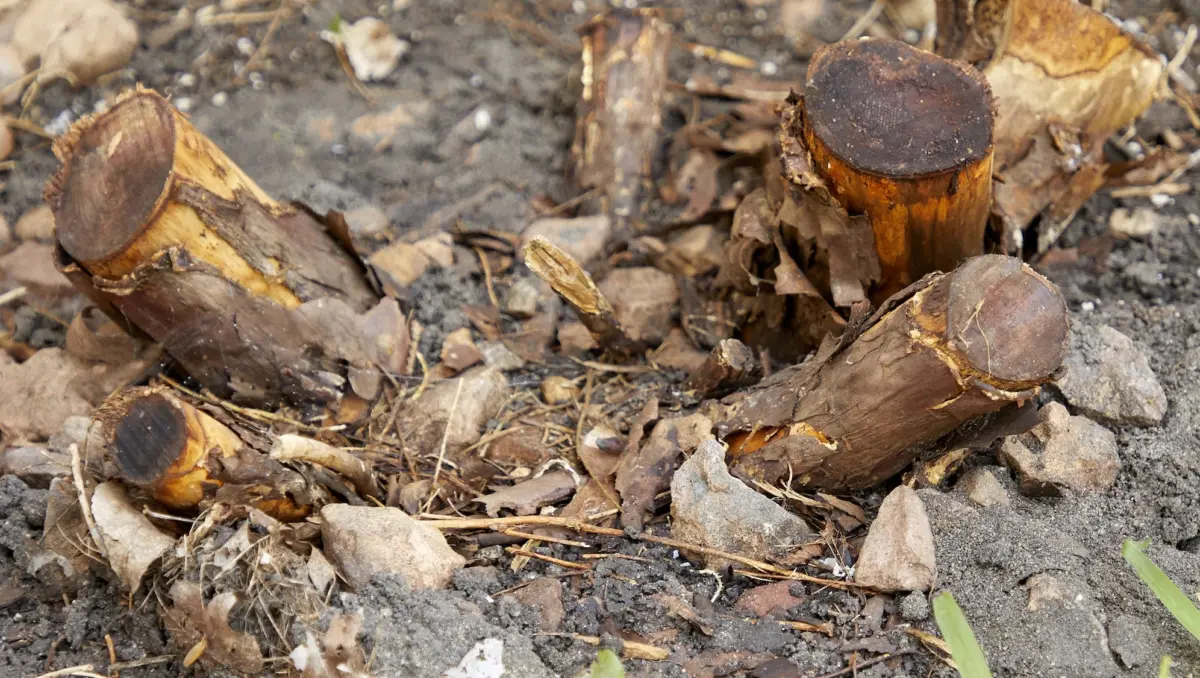
Tree roots are often the unsung heroes of the landscape. They anchor majestic canopies, absorb vital nutrients, and filter groundwater. Yet, because the vast majority of a tree’s root system remains completely hidden beneath the topsoil, property owners frequently overlook them until disaster strikes.
When tree roots begin breaking through turfgrass, uplifting expensive concrete pavement, damaging underground utility lines, or choking out surrounding garden beds, they transform from quiet botanical assets into immediate, destructive liabilities.
Understanding how tree roots grow, knowing when and how to safely eradicate them, and distinguishing between surface-level nuisances and critical infrastructure intrusions is essential for any modern homeowner. This guide explores the foundational facts, chronological methodologies, supporting data, expert insights, and broader implications of managing problematic tree roots.
Main Facts: The Nature and Nuisance of Tree Roots
To effectively manage tree roots, homeowners must first dispel a widespread myth: tree roots do not generally grow dozens of feet straight down into the earth like a subterranean anchor.
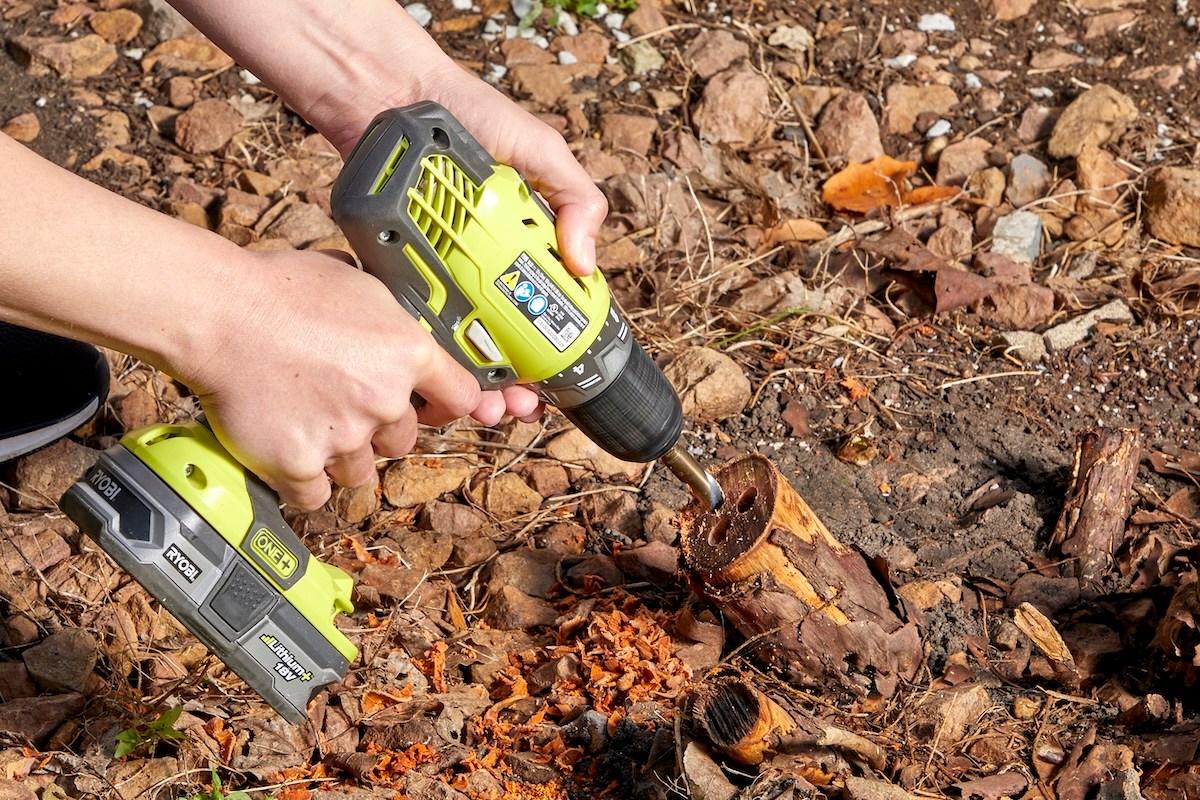
Instead, arborists emphasize that the vast majority of a tree’s root network spreads out horizontally, living relatively close to the soil surface—typically within the top 6 to 24 inches of earth. Furthermore, these roots often extend far beyond the outer boundary of the tree’s canopy, known as the drip line.
When a tree is felled, its root system generally dies and gradually decomposes over time. However, certain aggressive species retain the vitality to continuously push out fresh green sprouts from the remaining stump or subterranean root network for months, or even years.
Why Problem Roots Need Attention
While you should never attempt to indiscriminately hack away at the roots of a healthy, standing tree—as this can critically destabilize the plant and create a dangerous falling hazard—problem roots often demand intervention. Common triggers for root removal include:
- Hardscape Damage: Roots lifting and cracking sidewalks, driveways, patios, and foundations.
- Lawn Interference: Surface roots that pose tripping hazards and make lawn mowing nearly impossible.
- Plumbing Failures: Roots infiltrating compromised sewer lines, leading to catastrophic household backups.
- Landscape Strangling: Roots robbing moisture and nutrients from delicate flower beds and turfgrass.
Chronology: The Step-by-Step Evolution of Root Intrusion and Removal
Managing a problematic root system is rarely a single-step project. Whether you are dealing with a rogue root in the front yard or an invasive intrusion deep within your home’s plumbing, addressing the issue follows a distinct chronological timeline.
Phase 1: Assessment and Safety Precautions (Day 1)
Before picking up a shovel or a saw, property owners must assess the situation carefully.
- Consult an Arborist: If the tree is still standing, determine whether cutting the roots will compromise its structural integrity.
- Call 811: Always call your local utility notification center before substantial digging to ensure underground gas, water, and electrical lines are clearly marked.
- Sewer Scope: If dealing with slow drains or backups, hire a licensed plumber to feed a micro-camera through your sewer line. Never assume roots are the culprit without a visual confirmation.
Phase 2: Execution and Mechanical Intervention (Weeks 1 to 4)
Once safety parameters are established, physical removal remains the fastest, most reliable method of addressing rogue roots.
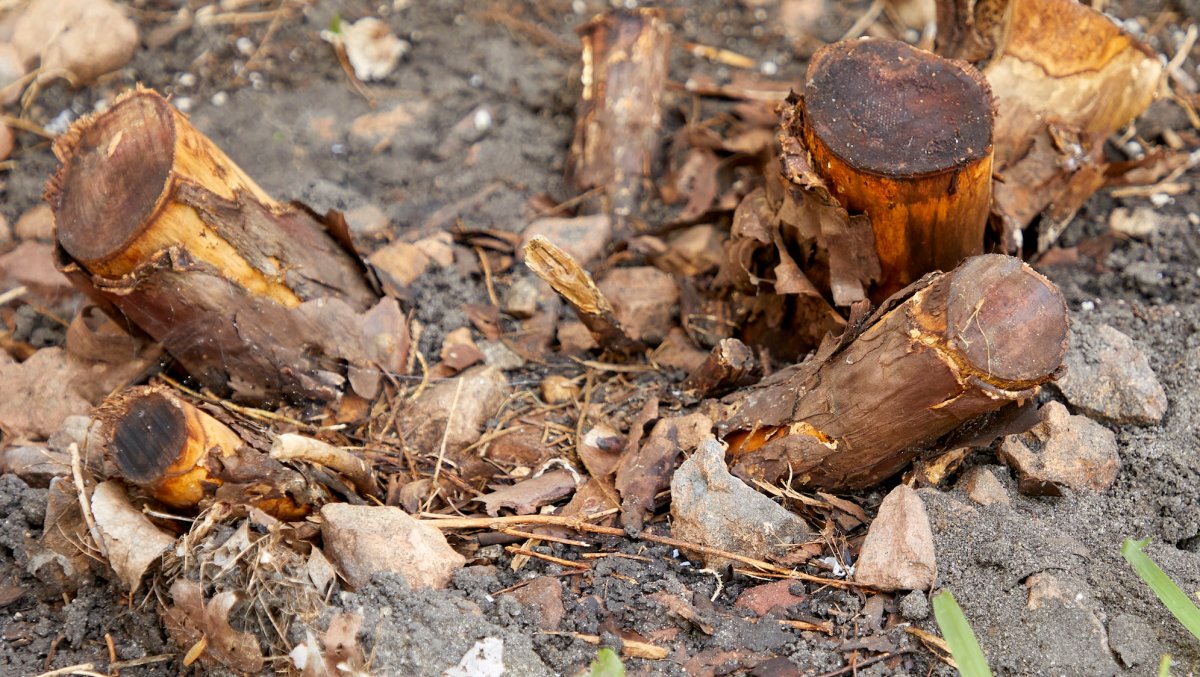
- For Small Surface Roots: Dig around the root manually using a sharp spade or mattock. Saw through the root sections using a pruning or reciprocating saw, and extract them from the soil.
- For Stumps and Large Root Balls: Excavate the earth around the primary root crown. Sever manageable sections progressively. For massive, mature root systems, heavy machinery or professional excavation services may be required.
- For Sewer Line Intrusions: Plumbers deploy a motorized auger fitted with specialized cutting heads or utilize high-pressure hydro-jetting to clear out obstructions inside the pipe.
Phase 3: Post-Intervention Remediation (Months 2 to 12+)
Physical removal of a tree and its roots often leaves voids in the landscape or underlying infrastructure vulnerabilities.
- Infrastructure Repair: Clearing roots from a sewer line only solves the immediate blockage. The underlying pipe defect—such as a cracked joint or structural break—must be repaired via trenchless lining, pipe bursting, or sectional replacement to prevent future intrusions.
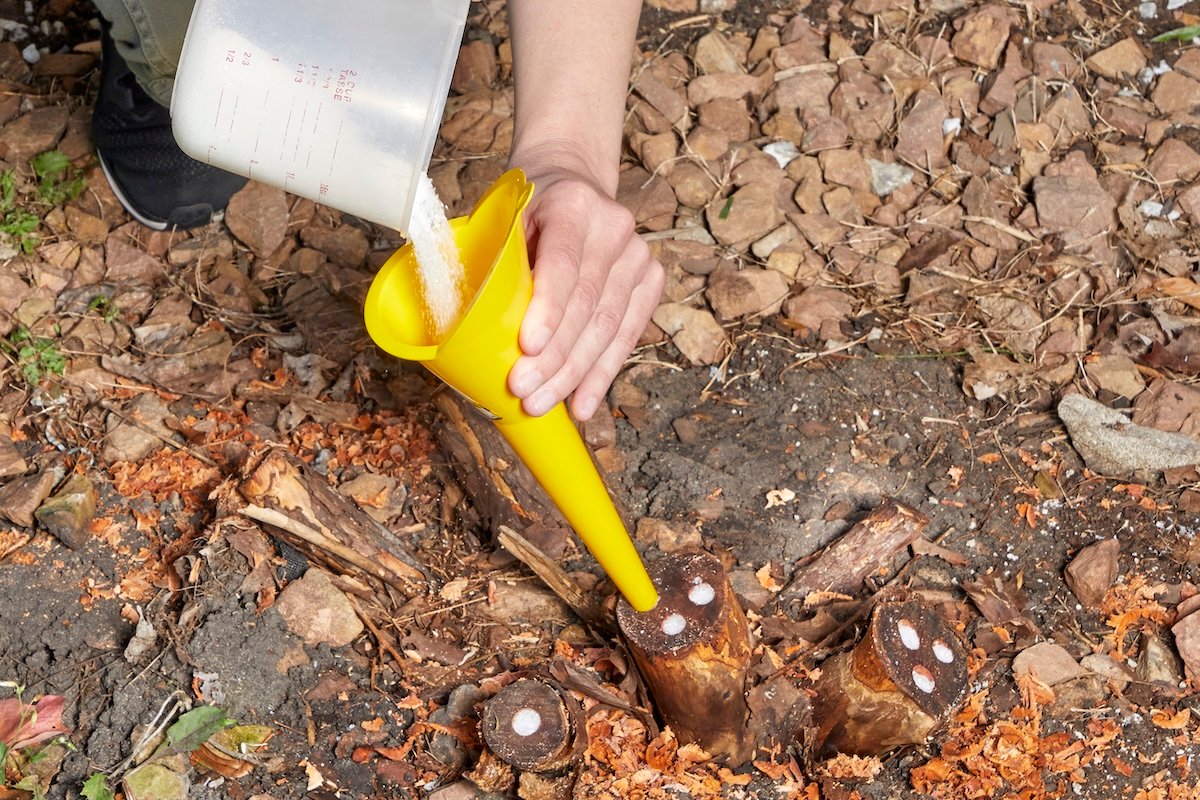
- Lawn and Soil Repair: Fill in excavated holes with topsoil, re-seed turfgrass, and level the hardscape areas. If utilizing slow-acting organic methods like Epsom salt or natural decomposition (such as building a backyard fire pit safely over a decaying stump), expect this cycle to take a full year or more.
Supporting Data: Costs, Chemistry, and Effectiveness
Navigating root removal requires realistic financial planning and a clear understanding of chemical versus physical methods.
Financial Breakdown of Root and Stump Removal
The cost of eliminating tree roots is intrinsically tied to the size of the original tree, the density of the root network, and site accessibility.
- Single Stump Removal: Typically ranges from $100 to $150, with additional minor stumps costing roughly $50 each.
- Stump Grinding and Root Mitigation: Expect an additional $100 to $400 depending on the depth and spread of the root plate.
- Emergency Plumbing Interventions: Sewer line augering, hydro-jetting, and structural pipe repairs can range from several hundred to several thousand dollars depending on the severity of the damage.
Evaluating Chemical Treatments: What Science Says
Homeowners frequently turn to household remedies to kill stubborn roots without physical labor, but scientific backing varies wildly:
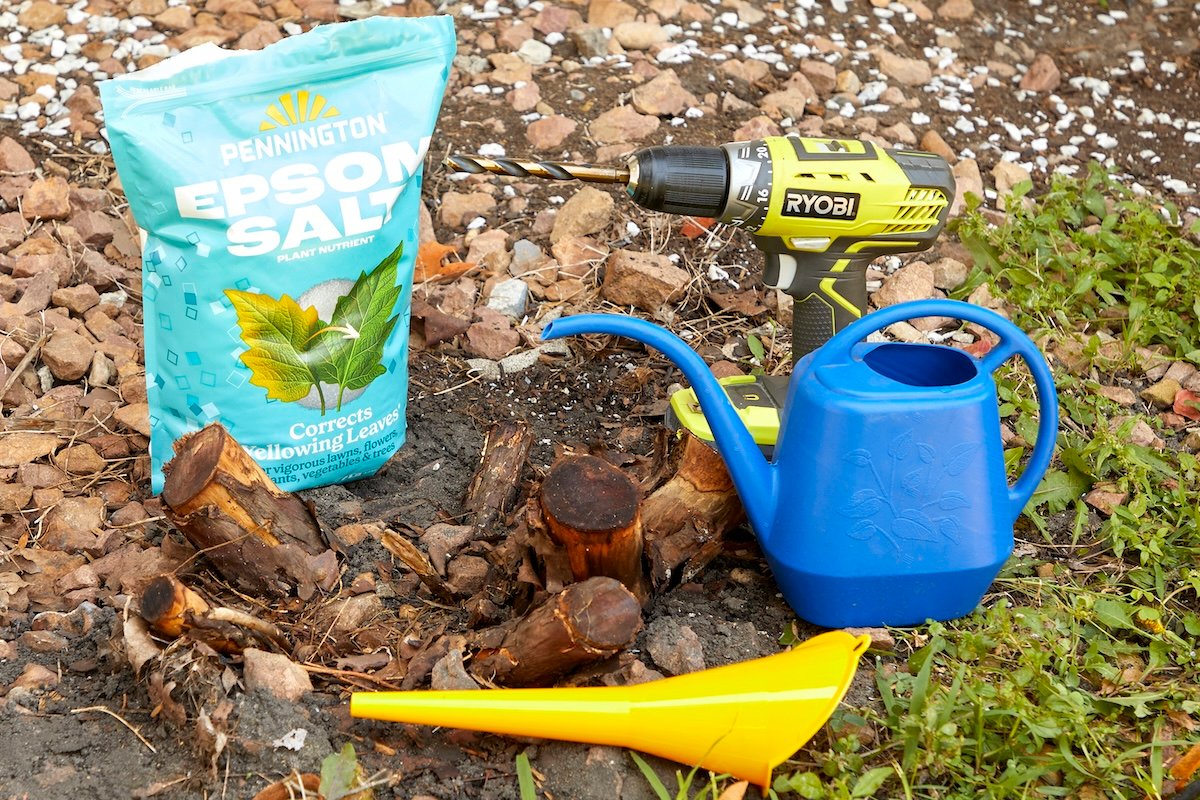
- Epsom Salt (Magnesium Sulfate): Commonly recommended to dry out a remaining stump and its connected roots by interrupting water uptake. While relatively safe for surrounding soils, it is a slow process with limited empirical evidence guaranteeing the complete eradication of an extensive root system.
- Rock Salt (Sodium Chloride): Highly discouraged by landscape professionals. While sodium chloride damages plant tissue, it leaves heavy sodium residues in the soil that permanently degrade soil health and kill surrounding grass and plants.
- Vinegar (Acetic Acid): Household vinegar acts purely as a contact herbicide. It will burn tender exposed foliage or tiny surface root tips it directly touches, but it cannot travel systemically through an established, deep root network.
- Boiling Water: Impractical and ineffective for established underground roots, which are heavily insulated by dense surrounding soil. Furthermore, carrying boiling water outdoors presents severe personal safety and burn risks.
Official Responses and Expert Insights
Industry professionals and arboricultural organizations offer clear guidelines when addressing complex root systems.
According to the Morton Arboretum, tree roots frequently invade underground infrastructure—not because they are aggressively malicious—but because sewer pipes emit moisture, heat, and nutrients that attract root growth. Crucially, arborists stress that roots only enter pipes through pre-existing vulnerabilities, such as structural cracks, loose rubber gaskets, or corroded pipe joints. Therefore, killing a tree or trimming its roots provides zero structural remediation to the damaged pipe itself.

Industry experts also advocate for strategic foresight during the initial landscaping phase. Selecting appropriate tree species that match your yard’s physical dimensions and maintaining a safe distance from foundations, driveways, and utility easements remains the single most effective way to prevent future root conflicts.
Amber Guetebier, a noted contributing writer on home and garden maintenance, highlights alternative long-term perspectives on stump and root decomposition:
"When we bought our house the front yard had one beautiful tree and one stump. After removing the stump there were still quite a few roots, so we took an unconventional approach: We built up a fire pit [over the roots], and for two years we had bonfires there. After two years, between the fire and the natural decomposition process, it was easy to just lift out the remaining dead roots and repair the lawn."
Implications: Long-Term Property Health and Maintenance
Ignoring aggressive tree roots or opting for quick, superficial fixes can lead to compounding problems down the road.
From an infrastructure standpoint, failing to address a cracked sewer line after clearing out root intrusions guarantees that neighboring trees, shrubs, and weeds will eventually locate the exact same moisture source, leading to recurring, costly blockages.
From a structural and safety perspective, improperly cutting structural roots on a living, mature tree creates a high-risk falling hazard during severe windstorms. Property owners must weigh aesthetic and landscaping desires against the biological realities of tree health.
Ultimately, maintaining a harmonious balance between a lush, green yard and a safe, functional home requires patience, adherence to safety protocols, and a willingness to invest in professional assistance when subterranean problems exceed the scope of DIY weekend projects.
