

Published: September 23, 2026
Author: Olivia Poston (Adapted and Expanded for ArchDaily)
Series Context: Part of ArchDaily’s September Editorial Focus: The Lure of Escapism in Architecture and Alternative Worlds
Main Facts
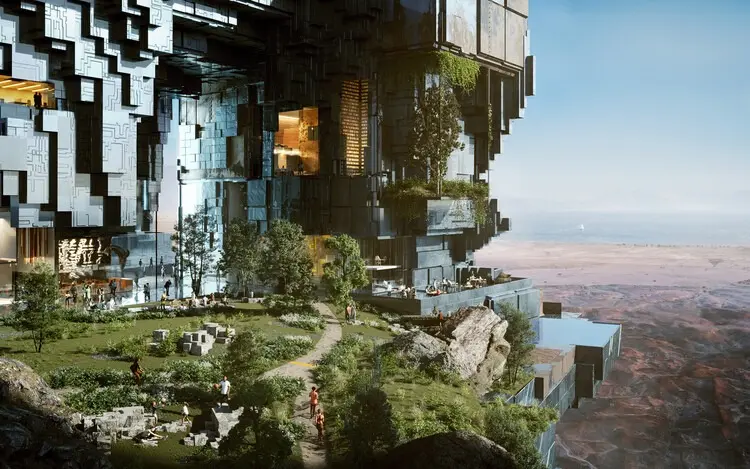
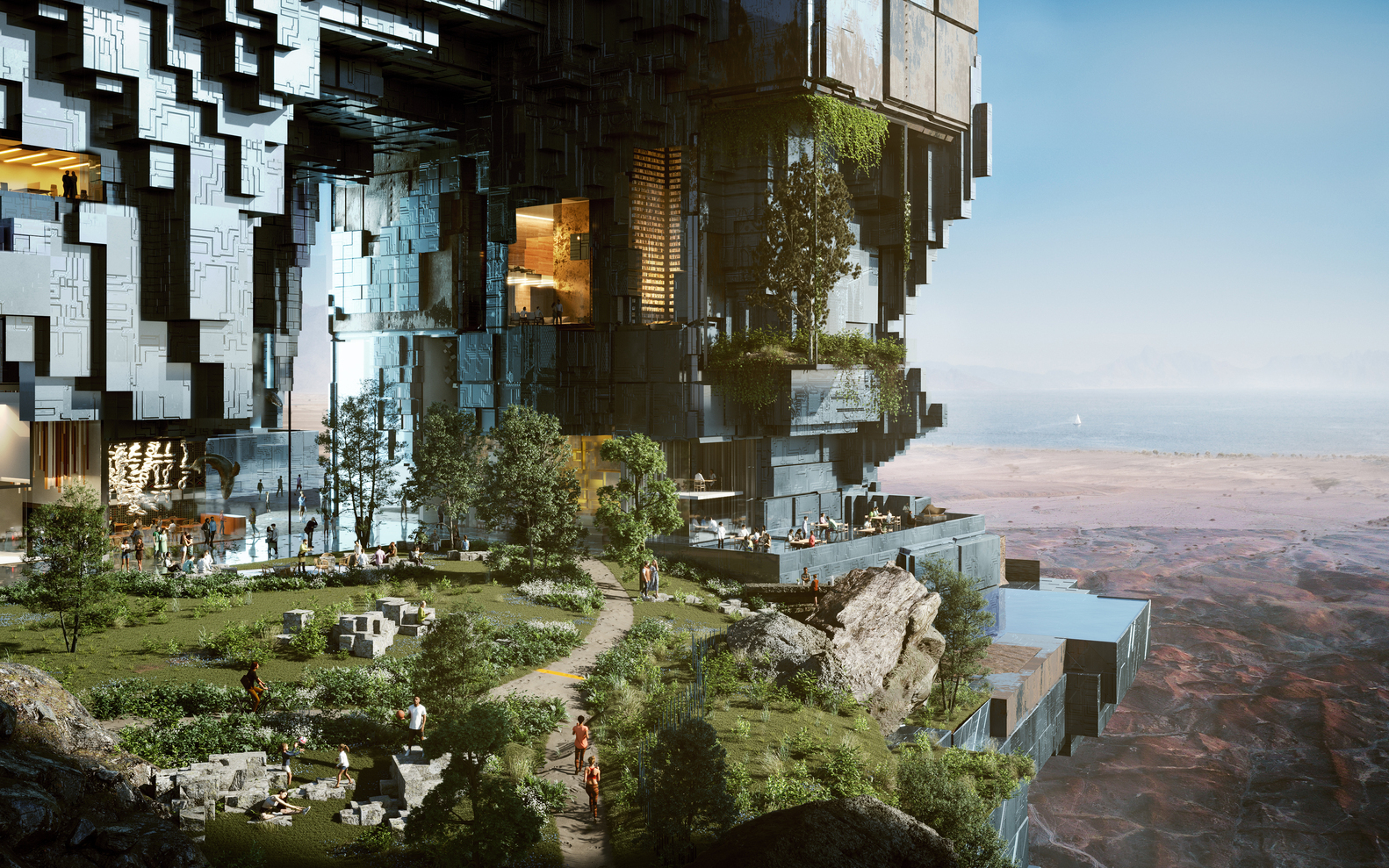
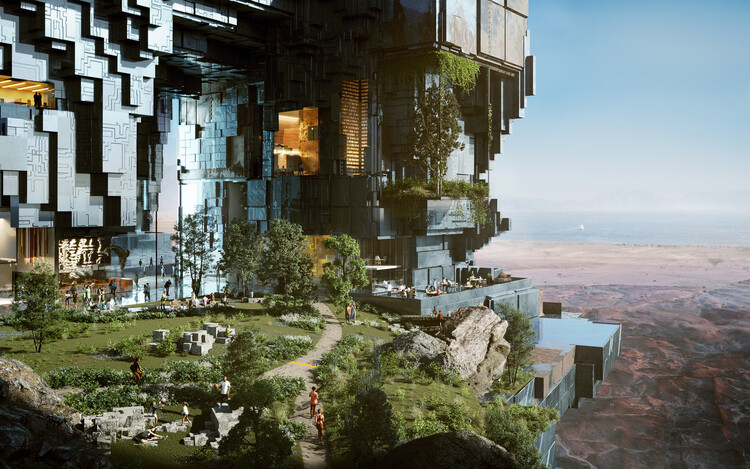
- The Narrative Deficit: Contemporary culture possesses an extensive, highly fluent visual and narrative vocabulary for two extremes: dystopian post-apocalyptic collapse (burning forests, submerged cities, resource scarcity) and clean-slate technological utopias (smart cities, AI-managed infrastructure, geoengineering, and projects like NEOM’s The Line).
- The Ignored Middle: A critical blind spot exists regarding the multi-decade climate transition—the messy, slow, unglamorous era of adaptation, retrofitting, repair, maintenance, and systemic reorganization that must occur between our current carbon-reliant reality and any future equilibrium.
- Three Escapes: Climate action is frequently derailed by three psychological and creative traps: climate denial (rejecting the need for change), climate doom (treating transformation as impossible), and technological salvation (assuming a magical innovation will allow society to leap over the hard work of transitioning).
- The Call to Action: Architects, designers, urban planners, and storytellers are challenged to redirect their creative tools—traditionally reserved for catastrophic imagery or sci-fi futures—toward visualizing the incremental, compounding, and highly ordinary labor of systemic ecological adaptation.
Chronology: From Apocalypse Myths to Clean-Slate Fantasies
Humanity has long used storytelling to process existential dread. The trajectory of how we imagine our environmental future can be traced through distinct historical and cultural phases:
- Pre-2000s — The Rise of Eco-Dystopia: Early environmental awareness birthed narratives of resource depletion and ecological collapse. Literature, disaster films, and graphic novels mapped out a familiar visual lexicon of ruins: fractured highways, choked cityscapes, and abandoned infrastructure.
- 2010s — The Smart City Promise: As digital computation integrated into the urban fabric, technologists and planners pivoted toward the "smart city." Ubiquitous data collection, automated traffic systems, and optimized energy grids were framed as the algorithmic solutions to environmental degradation.
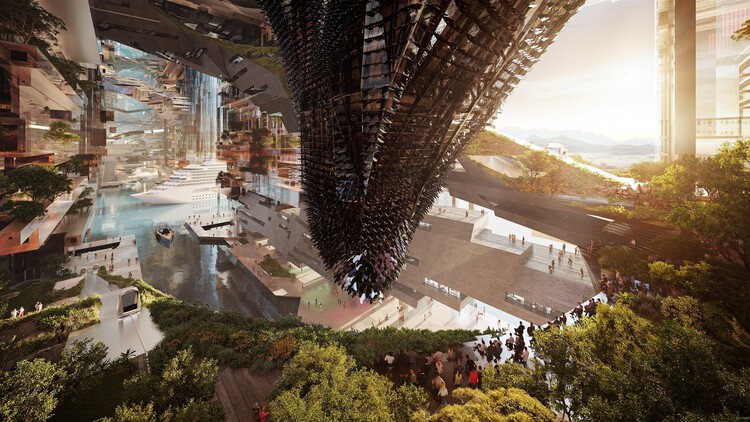
- The 2020s — Mega-Scale Technological Escapism: The decade accelerated speculative urbanism on a planetary scale. Projects like Saudi Arabia’s The Line at NEOM presented the ultimate clean-slate fantasy: high-density linear cities built from scratch, entirely divorced from the physical, social, and political friction of inherited urban environments. Concurrently, proposals for floating habitats, underwater colonization, and geoengineering atmospheric intervention gained traction.
- 2026 and Beyond — The Era of the Transition Blind Spot: As extreme weather events make the impacts of climate change an everyday reality, the architectural discourse highlights a glaring void. While we excel at conceptualizing the end of the world and the high-tech paradise that follows, we lack a compelling cultural vocabulary for the decades of unglamorous, parallel workstreams required to bridge the two.
Supporting Data & Architectural Context
The architectural profession has long wrestled with the tension between practical reality and speculative ambition. Data and conceptual frameworks from recent architectural theory highlight the scale of this challenge:
- The Built Environment Reality: The vast majority of the buildings that will house the global population over the next 30 to 50 years already exist. Unlike greenfield developments like The Line or speculative renderings of extraterrestrial colonies, the real climate transition will occur on the canvas of our current cities.
- Embodied Carbon and Retrofitting: Studies in lifecycle assessment emphasize that demolition and new construction carry heavy carbon costs. The transition mandates an unprecedented shift toward material conservation, adaptive reuse, structural repair, and architectural retrofitting.
- Distributed Agency: Unlike a single technological breakthrough—such as the invention of the steam engine or the internet—the climate transition requires synchronized decisions across thousands of independent actors: local governments, municipal utilities, private developers, tradespeople, engineers, and individual citizens operating across decades.
- The Toolkit of Representation: Architects possess sophisticated instruments for projection—CAD modeling, photorealistic rendering, algorithmic simulations, game engines, and artificial intelligence. However, these tools are predominantly used to sell finished states (the utopia) or warn of terminal failure (the dystopia), rather than mapping intermediate timelines, material sequences, and gradual socio-environmental adjustments.
Official Responses and Theoretical Perspectives
The cultural and professional reluctance to design the middle ground has prompted rigorous debate among urbanists, environmental philosophers, and designers.
- On Technological Salvation: Critics of unchecked techno-optimism argue that relying on future innovations (such as unproven carbon-capture technologies or geoengineering shields) acts as a moral hazard. It encourages society to maintain current consumption patterns under the comforting illusion that a technological deus ex machina will arrive just in time.
- On the Lure of the Clean Slate: Discussing mega-developments like NEOM’s Epicon or The Line, urban theorists point out the psychological appeal of a clean slate. Designing from scratch allows planners to sidestep the messy compromises of democratic participation, historic preservation, and existing socioeconomic inequalities. Yet, this escapism abandons the billions of people living in legacy cities.
- On Grounded Optimism: Leading architectural thinkers advocate for "climate optimism grounded in inherited reality." As noted in recent ArchDaily editorial focuses, the responsibility of optimism is not to invent a fictional paradise, but to find radical agency within the unglamorous, cumulative acts of local restoration, policy integration, and neighborhood-level adaptation.
Implications for the Future of Design
Shifting the cultural and professional focus toward the climate transition carries profound implications for multiple industries:
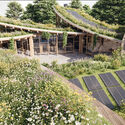
1. Re-tooling Architectural Education and Practice
Architectural schools must expand their curricula beyond the design of isolated, immaculate objects. Training the next generation of designers requires a deep fluency in lifecycle analysis, material salvage economies, urban metabolism, and long-term maintenance strategies. The hero project must transition from the iconic freestanding skyscraper to the intricate, invisible architecture of infrastructural repair.
2. Narrative and Media Shift
Writers, filmmakers, game designers, and journalists hold immense power over what futures society deems desirable. Shifting the cultural imagination away from binary extremes—apocalypse or utopia—requires crafting compelling stories about the ordinary, incremental victories of the transition. Narratives that find drama and meaning in cooperation, adaptation, and ecological stewardship can make the transition culturally legible and urgent.
3. Systemic Policy and Cross-Disciplinary Coordination
Because the transition is distributed across decades and jurisdictions, architectural design must become increasingly intertwined with policy, finance, and community governance. Designers must learn to orchestrate relationships and dependencies rather than just physical forms, ensuring that physical interventions reinforce ecological resilience and social equity.
Conclusion
We have proven ourselves remarkably fluent in imagining the apocalypse and exceptionally creative in dreaming up sci-fi utopias. The ultimate test for contemporary architects, designers, and world-builders is whether we can summon that same level of creative ambition for the unglamorous, vital work of the middle. If we can imagine the world after it has ended, and the world after it has been saved, we must now learn to design the difficult, beautiful reality of how we get there.
This article is part of the ArchDaily Topic: The Lure of Escapism in Architecture and Alternative Worlds.
