

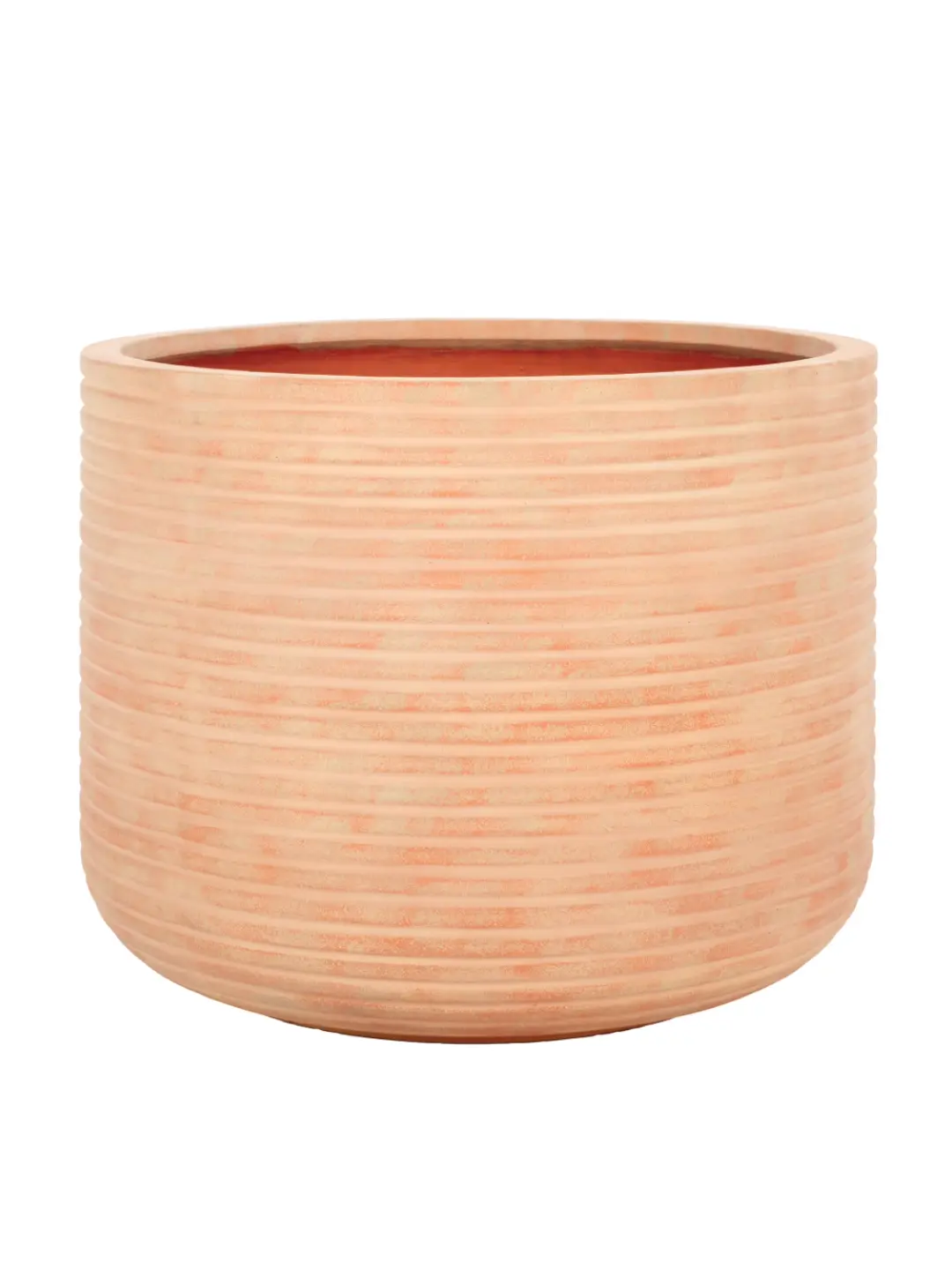
NEW YORK — Few elements add instant charm, warmth, and a touch of Mediterranean sophistication to a deck, patio, or balcony quite like classic terracotta pots. With their earthy orange hues and timeless silhouettes, clay containers have remained a staple of garden design for centuries. However, beneath their rustic aesthetic lies a specific, highly active microenvironment that can either cause a plant to flourish or lead to its swift demise.
Understanding the unique physical properties of terracotta is essential for any container gardener. Unlike non-porous plastic, glazed ceramic, or fiberglass vessels, terracotta is made from baked clay, featuring microscopic pores that allow both air and moisture to pass freely through its walls. While this permeability is a massive asset for drought-tolerant species that despise having "wet feet," it can spell disaster for moisture-loving plants.
To help gardeners navigate container selection, horticulturists and master gardeners have outlined the definitive guide to which plants thrive in terracotta, and why matching your flora to the right pot material is the secret to a thriving outdoor space.
Main Facts: The Science of Porosity and Plant Survival
The fundamental mechanism governing terracotta containers is evaporation. Because the clay walls are porous, moisture evaporates not only from the soil surface but also through the sides of the pot. This creates a cooling effect for the root system during scorching summer days, preventing the soil from baking in the way it often does inside dark plastic containers.
However, this rapid moisture loss means that soil dries out significantly faster in clay than in other materials. Consequently, terracotta is uniquely suited for:
- Plants native to arid, rocky, or Mediterranean climates.
- Species prone to root rot when subjected to standing water or soggy soils.
- Flora that prefer warm, well-aerated root systems with intermittent dry spells between waterings.
Conversely, moisture-loving ferns, bog plants, and tropical species that require consistently damp soil will quickly suffer in a terracotta pot unless subjected to punishing, continuous irrigation.
Chronology: From Ancient Mediterranean Courtyards to Modern Patios
The use of fired clay for horticulture dates back thousands of years, evolving alongside the history of civilization itself.
- Ancient Beginnings: Civilizations in ancient Mesopotamia, Egypt, and Greece utilized baked clay vessels not just for storing water and grain, but also for housing ornamental and medicinal plants, recognizing that the material kept roots cool in intense heat.
- The European Renaissance & 17th Century: Formal European gardens, particularly in Italy, France, and England, elevated terracotta planters to high art. Grand estates established dedicated orangeries and formal terraces featuring citrus trees and tender exotics planted in massive terracotta urns—a practice designed to showcase wealth and allow frost-sensitive plants to be moved indoors during winter.
- The Industrial Era: The advent of mass manufacturing introduced lightweight plastics and treated fiberglass, temporarily shifting horticultural trends toward cheaper, moisture-retaining artificial pots.
- The Modern Revival: In recent decades, gardeners and landscape designers have experienced a major resurgence in appreciation for natural materials. Today, terracotta is celebrated not only for its superior horticultural functionality for specific plant groups, but also for its sustainable, biodegradable nature and timeless aesthetic.
Supporting Data & Expert Insights: The Top Plants for Terracotta
To maximize the potential of your clay containers, professional horticulturists recommend focusing on specific plant families whose natural habitats mirror the dry, well-drained conditions of a terracotta pot.
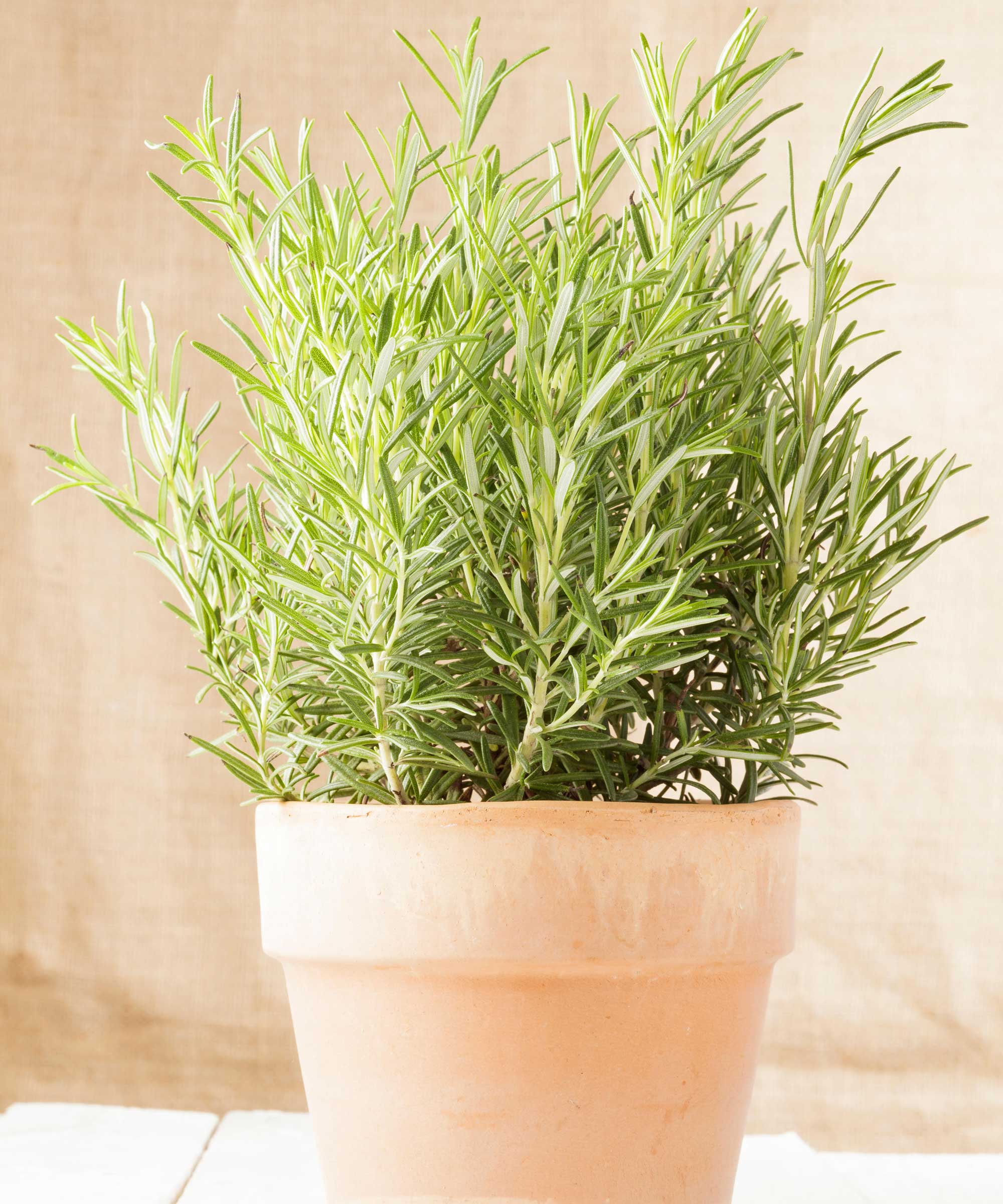
1. Rosemary
Native to the rocky, sun-drenched hillsides of the Mediterranean, rosemary is practically custom-made for terracotta. Homesteader and founder of The Waddle and Cluck, Lindsey Chastain, notes that rosemary’s natural drought tolerance and preference for warm soil make it an ideal candidate.
"Terracotta works best for plants that like to dry out a little between waterings," Chastain explains. "Because it’s clay, it also loses moisture faster."
Gardeners should pair rosemary with a fast-draining potting mix amended with perlite or coarse grit to prevent root rot.
2. Lavender
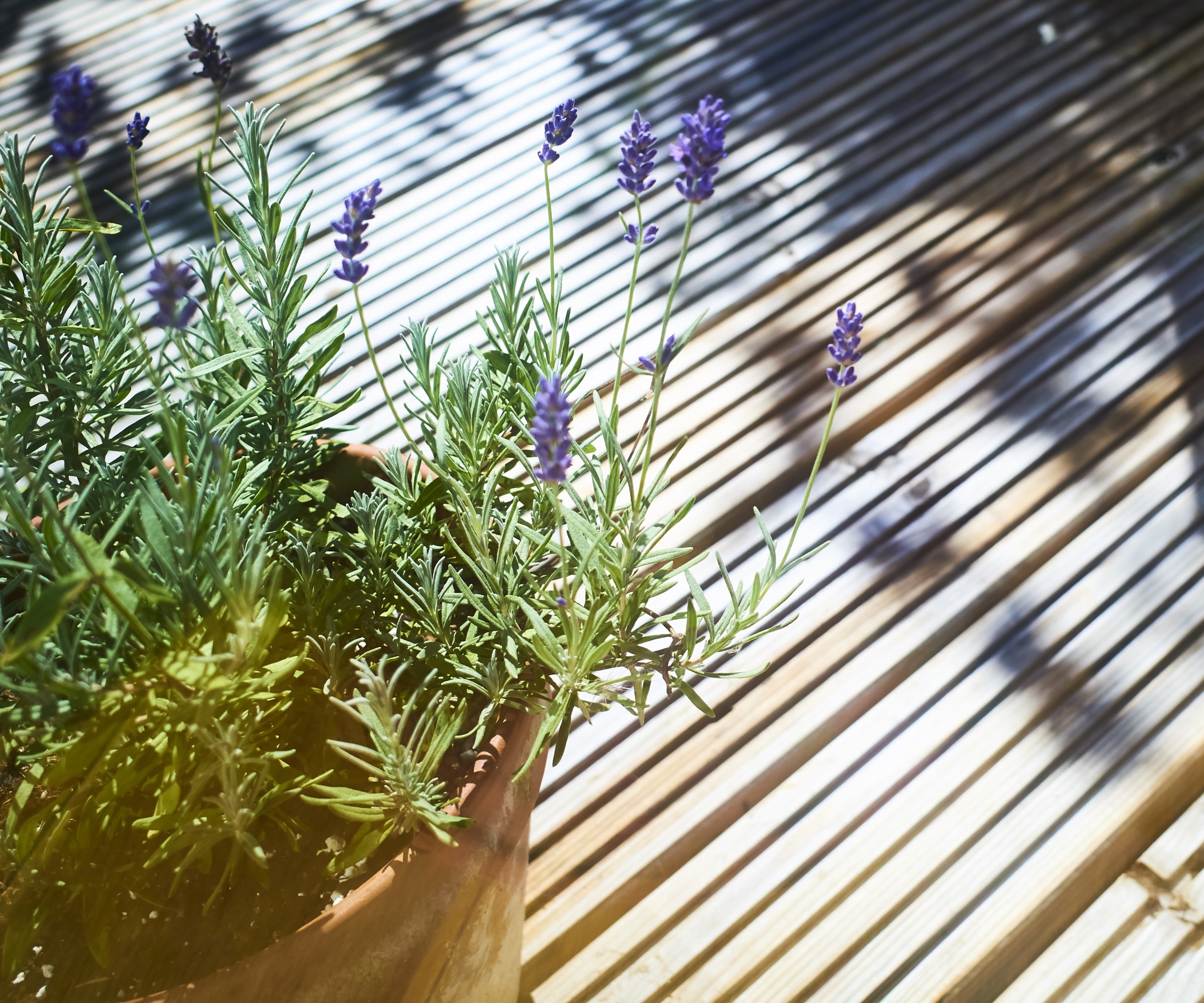
Like its herbal cousin rosemary, lavender hails from the arid mountainous regions of the Mediterranean, the Middle East, and parts of Asia. It demands free-draining soil and excellent airflow. When grown in terracotta, lavender not only achieves the dry root conditions it needs to ward off fungal diseases, but the purple blooms also create a striking visual contrast against the warm orange clay.
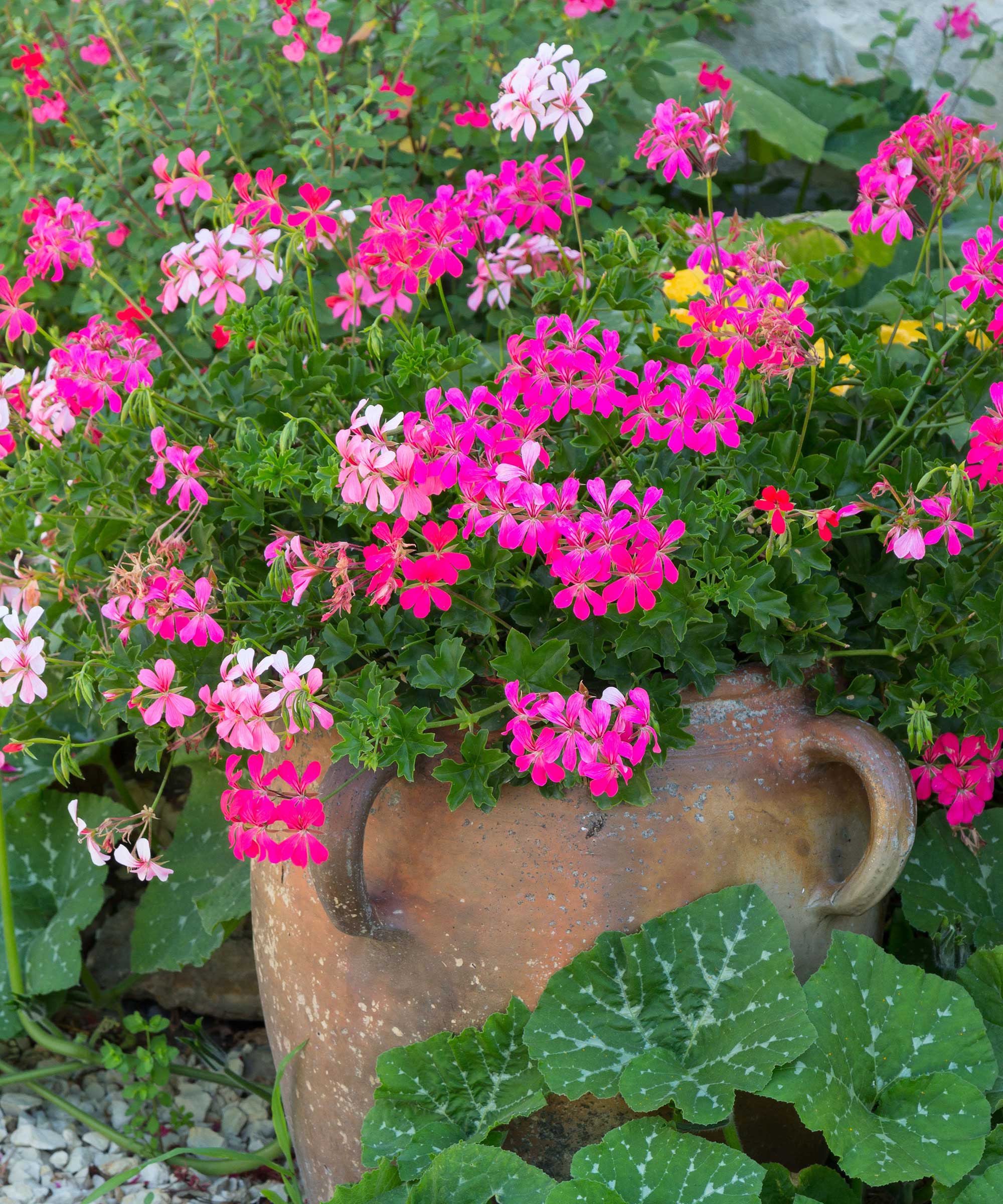
3. Pelargoniums (Tender Geraniums)
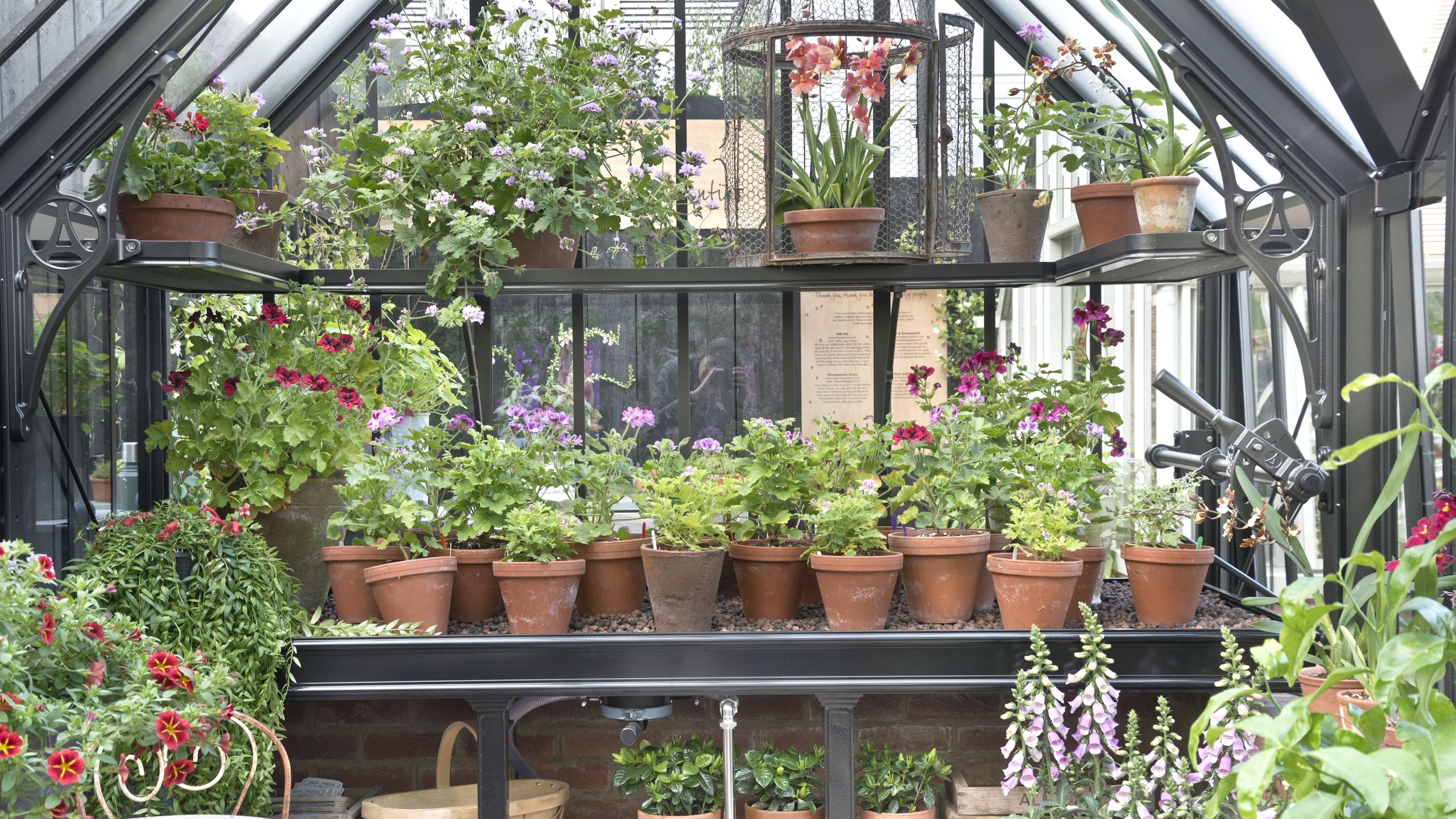
Popular in European gardens for centuries, pelargoniums originate predominantly from southern Africa. They thrive when their potting medium dries out between irrigation cycles and when adequate airflow reaches their root zone. Growing pelargoniums in terracotta pots also offers a practical logistical advantage: it makes it remarkably easy to lift the pots and bring them indoors to overwinter when autumn temperatures plunge.
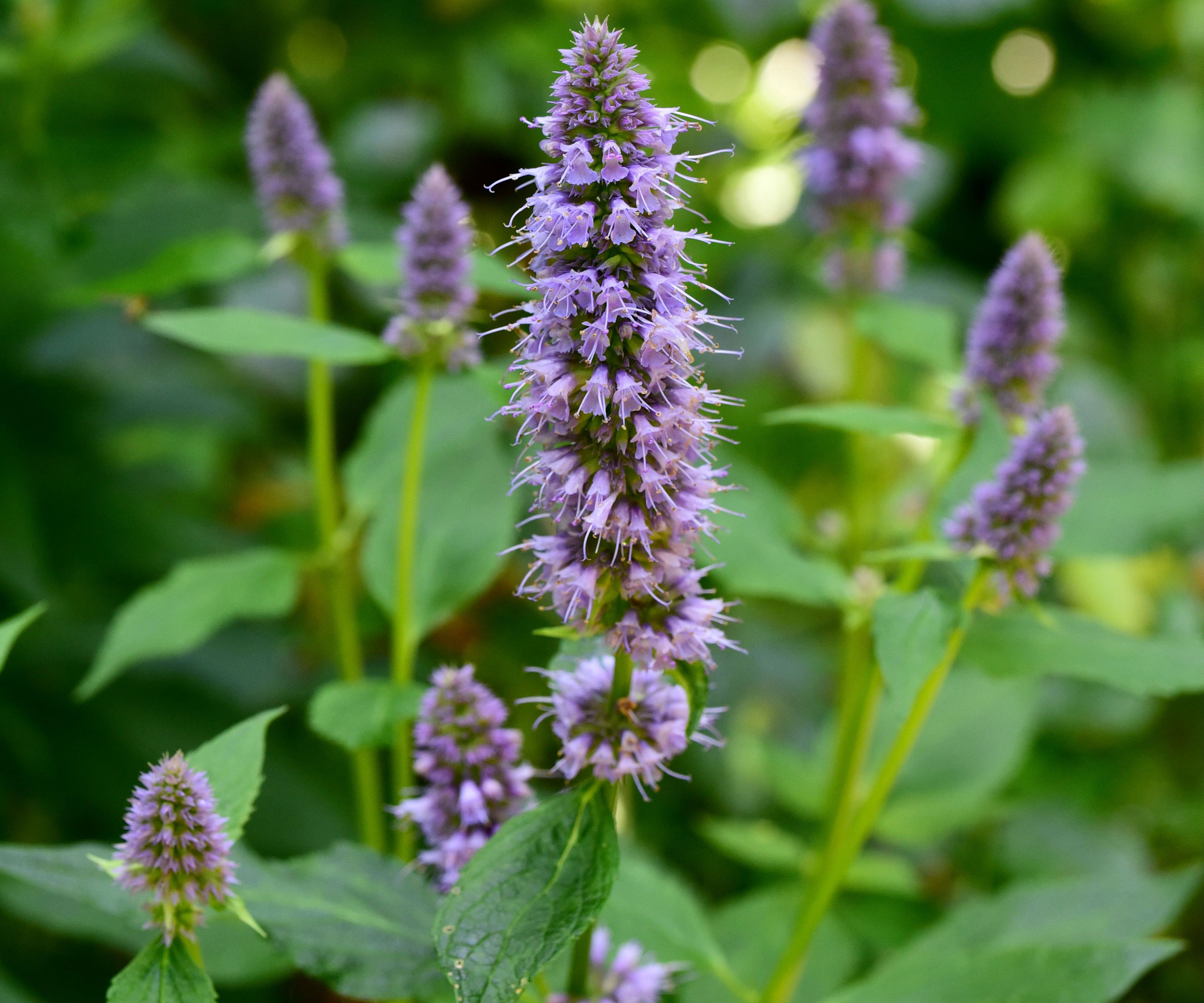
4. Agastache (Hummingbird Mint)
David McCary, owner of Seattle Sustainable Landscapes, strongly advocates for using terracotta when planting Agastache. "For terracotta pots, I’d recommend Agastache because they prefer drying out between waterings and not having soggy roots," McCary states. As a drought-tolerant perennial accustomed to rocky, arid soils, hummingbird mint rewards minimal watering with a profusion of fragrant, tubular flowers that draw in bees, butterflies, and hummingbirds all summer long.
5. Citrus Trees
The historic tradition of housing lemon and orange trees in large terracotta containers dates back to 17th-century European palace gardens. Citrus trees despise overwatering and require root systems that can breathe and remain cool. Furthermore, the substantial weight of terracotta pots acts as a stabilizing anchor, preventing top-heavy citrus trees from tipping over during high summer winds.
Official Responses and Industry Perspectives
Leading landscape architects and botanical authorities emphasize that container gardening success relies heavily on material compatibility.
According to urban gardening consultants, a common mistake made by amateur growers is treating all container materials as interchangeable. When an expensive or prized specimen—such as a dwarf fruit tree or an imported lavender cultivar—begins to decline, the culprit is frequently root suffocation caused by mismatched pot permeability and watering habits.
"Matching the plant’s evolutionary biology to the container’s physical characteristics is just as important as sunlight and fertilizer," notes a recent advisory from horticultural researchers. "When you put a Mediterranean herb in a plastic pot, you risk water retention; when you put a moisture-loving bog plant in terracotta, you sentence it to chronic dehydration."
Implications for Home Gardeners and the Retail Market
The growing consumer preference for natural, sustainable, and aesthetically pleasing outdoor spaces has direct implications for both home gardeners and the lawn-and-garden retail sector.
- For Gardeners: Awareness of terracotta’s drying properties encourages better plant selection, higher survival rates for container gardens, and more mindful watering routines. Gardeners are increasingly investing in soil amendments like perlite and specialized grit to optimize drainage in clay pots.
- For the Retail Market: Nurseries and home-improvement retailers are seeing increased demand not just for classic terracotta pots, but also for bundled specialty plant kits—such as culinary herb collections, dwarf citrus trees, and pollinator-friendly perennials—specifically marketed for clay container compatibility.
Ultimately, mastering the balance between terracotta pots and the plants that love them transforms a simple patio collection into a thriving, resilient ecosystem that echoes the timeless beauty of the Mediterranean landscape.
