

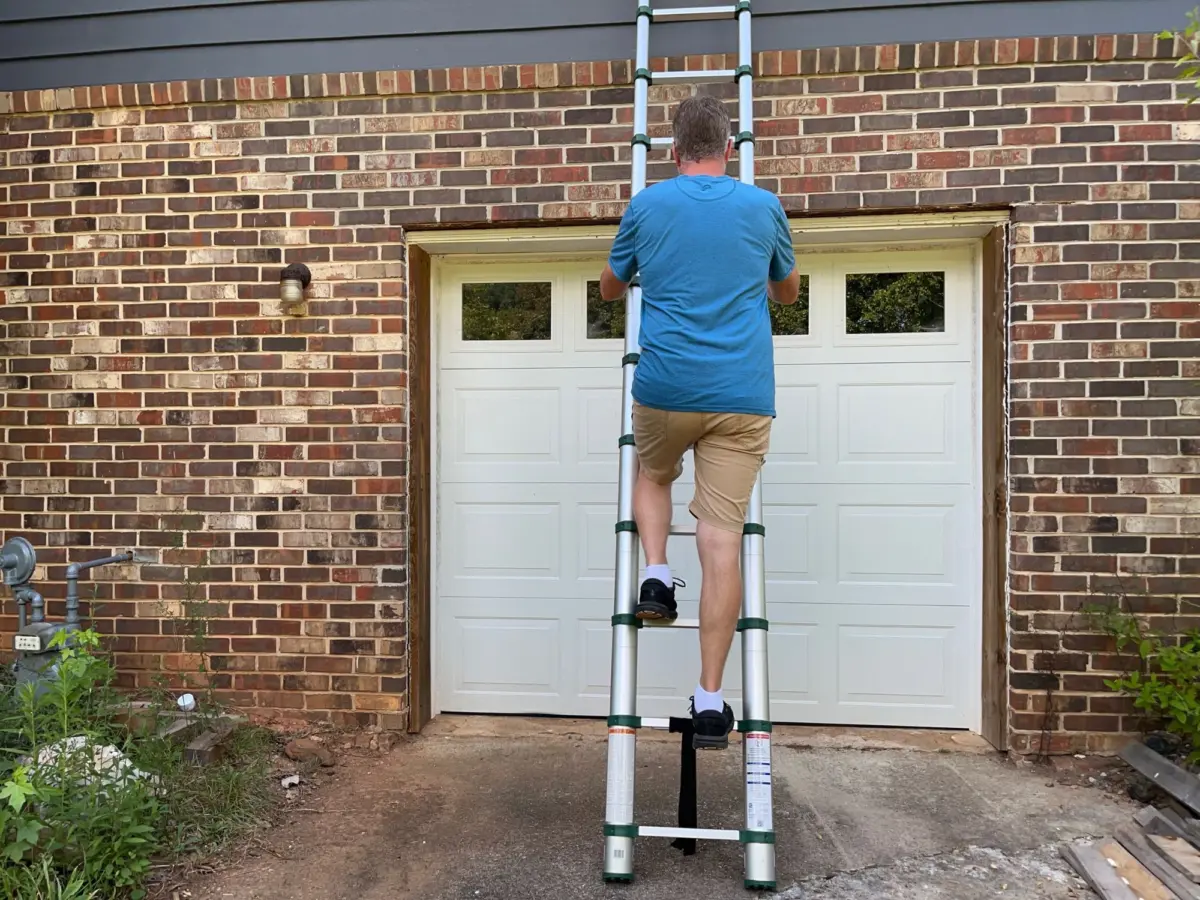
Home improvement has undergone a quiet revolution over the past decade. Where homeowners and contractors once hauled cumbersome, heavy wooden and fiberglass extension ladders to job sites or around the backyard, a sleeker, far more portable alternative has taken center stage: the telescoping ladder.
Typically constructed from lightweight aircraft-grade aluminum, these modern marvels can extend upward of 10 to 26 feet to tackle high-reach projects, yet collapse down into a compact profile small enough to carry under one arm or stow securely in the trunk of a compact car. However, as these space-saving tools saturate the consumer market, a vital question remains at the forefront of the industry: Are these ultra-portable alternatives genuinely sturdy enough to guarantee user safety, or do they sacrifice structural integrity for convenience?
To find out, a dedicated team of product testers and industry experts recently put some of the most popular telescoping and multi-position ladders on the market through a rigorous, multi-faceted testing protocol. The findings provide critical insights for DIYers, contractors, and homeowners alike.
The Testing Chronology and Methodology
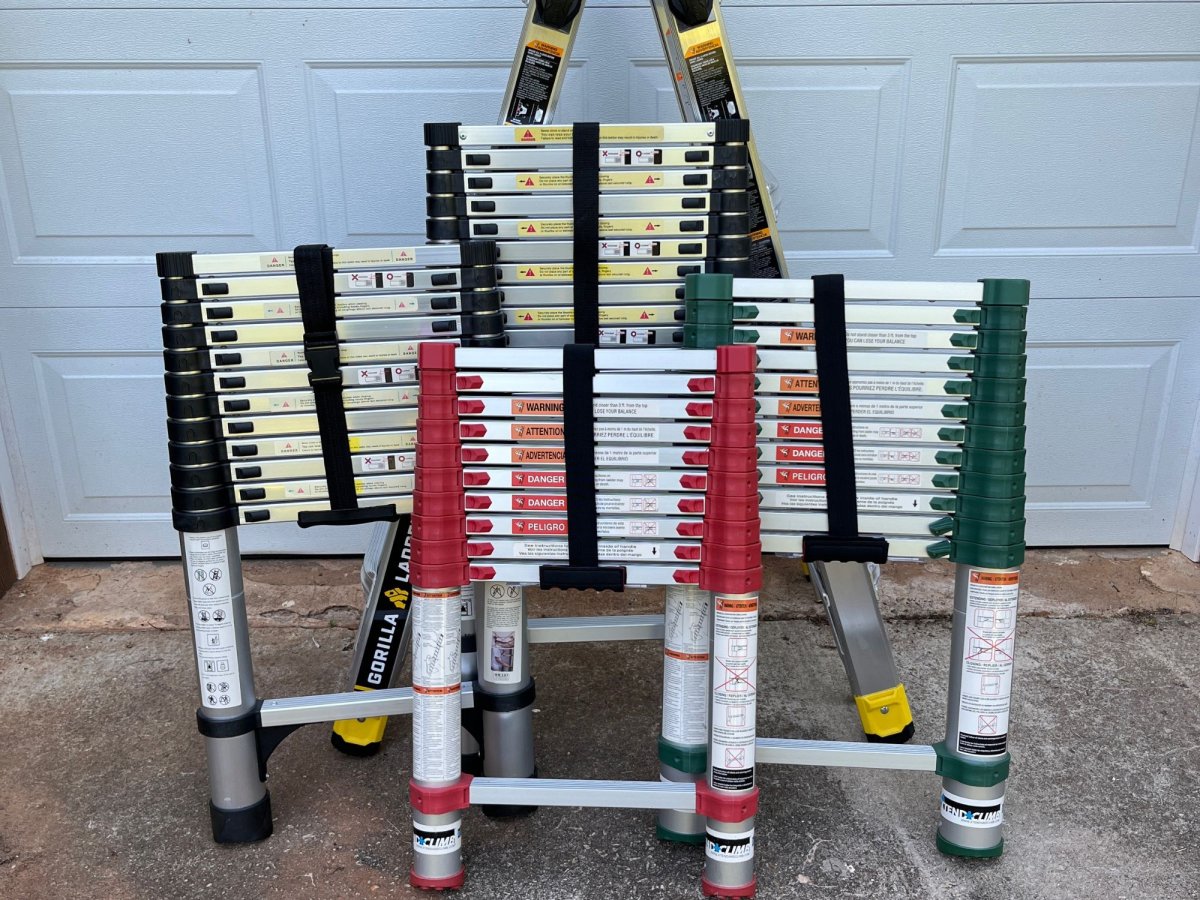
Evaluating safety equipment requires a zero-tolerance approach to flaws. Over a strict testing period totaling 12 hours of hands-on evaluation, a panel of 11 different telescoping and multi-position ladders were subjected to four primary stress tests.
The evaluation began with structural integrity assessments. Testers fully extended each ladder to its maximum height, climbed to the top rungs, and deliberately shifted their weight to monitor for dangerous wobbling, flexing, bowing, or shifting. Next, the review team inspected all hinges, locking pins, and extension mechanisms to grade their mechanical reliability.
Because telescoping ladders rely heavily on incremental locking tabs that can pose a hazard during retraction, testers also evaluated the risk of finger-pinching and the overall smoothness of the closure systems. Finally, ladder shoes and feet were tested across various slippery and uneven surfaces—ranging from smooth concrete to damp grass and sloped staircases—to evaluate slip resistance and base stability. Each product was scored on a strict 0-to-5 point scale covering ease of use, stability, portability, and overall value.
Supporting Data and Top-Tier Contenders
The market for telescoping ladders generally splits into two distinct categories: standard telescoping-only models and multi-position articulating ladders. Based on comprehensive field data, several standout products emerged as category leaders.
Best Overall: Xtend+Climb 12.5-Foot Telescoping Extension Ladder (Model 780P+)
- Price Range: ~$250–$300
- Load Capacity: 300 lbs (ANSI Type 1A Duty Rating)
- Scores: Ease of Use: 5/5 | Stability: 5/5 | Portability: 5/5 | Value: 4/5
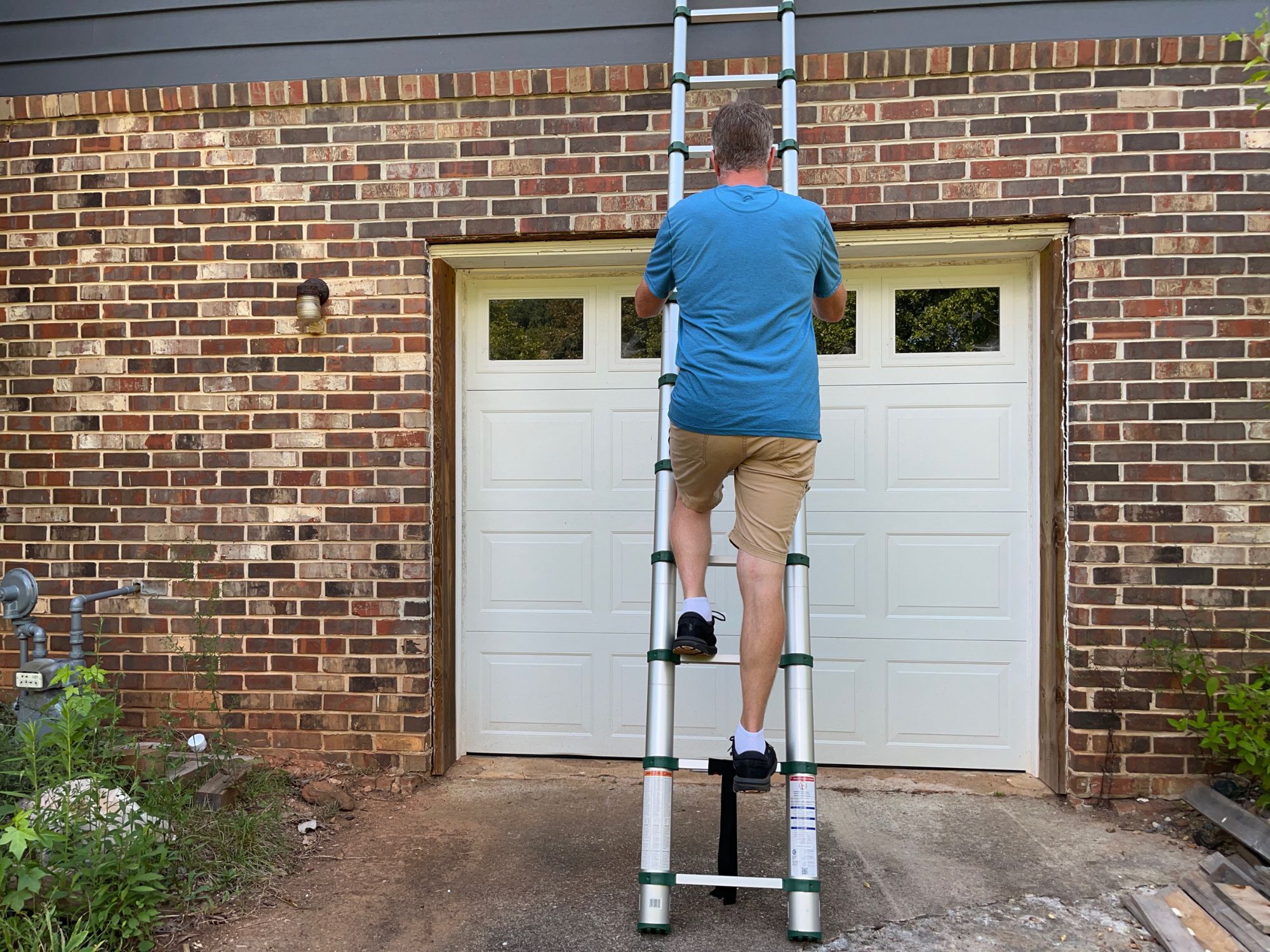
Securing the top spot in the evaluation, the Xtend+Climb 780P+ proved to be the gold standard for standard telescoping models. Weighing just 30 pounds, it extends to 12.5 feet (providing a 16.5-foot reach) and retracts down to a mere 32 inches.
Testers praised its tactile and visual safety confirmations: locking tabs delivered an audible click during setup, while a green dot indicator beside each tab provided instant visual reassurance that the section was fully locked. Its wide, slip-resistant feet and textured rungs anchored it firmly on flat surfaces, offering a rigidity comparable to traditional, non-collapsible extension ladders.
Best for RVs and Light Duty: Xtend+Climb 760P+ (10.5-Foot)
- Load Capacity: 250 lbs (ANSI Type I)
- Scores: Ease of Use: 5/5 | Stability: 4.7/5 | Portability: 5/5 | Value: 4/5
For users prioritizing maximum portability—such as RV owners or apartment dwellers—the scaled-down 760P+ offers a 10.5-foot height (14.5-foot reach) at a featherlight weight of 20.5 pounds. Crucially, this model features a dampened closure system that gently slows the descent of the ladder sections when released, successfully eliminating the aggressive, finger-slamming snap common in cheaper market alternatives.
Best Multi-Position & A-Frame: Werner 18-Foot Pro Ladder (Type IAA)
- Load Capacity: 375 lbs
- Scores: Ease of Use: 5/5 | Stability: 5/5 | Portability: 4/5 | Value: 4.7/5
When projects demand versatility beyond a straight vertical climb, multi-position ladders take the lead. Werner’s 18-foot 5-in-1 pro ladder excelled across all structural configurations: twin step ladder, extension ladder, stairway ladder, 90-degree wall ladder, and scaffolding base. Rated to hold an impressive 375 pounds, its robust steel locking mechanisms, flared bottom rails, and non-marring feet inspired total confidence underfoot, even on sloped terrain.
Best Budget & High-Use Heavyweights: Gorilla Ladders 18-Foot & 26-Foot MPX Series
- Load Capacity: 300 lbs to 375 lbs
- Scores: Stability: 5/5 | Value: 5/5
Gorilla’s multi-position offerings proved exceptional for budget-conscious consumers seeking multi-functionality. The 18-foot MPXA offered five configurations out of the box, supplemented by convenient built-in tool hangers. Meanwhile, the heavy-duty 26-foot MPXW model—weighing 54 pounds and outfitted with transport wheels—stood out as the premier choice for professional contractors handling high-frequency, demanding job-site conditions.
Official Industry Standards and Expert Insights
To understand what separates safe engineering from hazardous manufacturing, industry experts emphasize the importance of regulatory compliance.
Consumer safety advocates and testing bodies strongly advise purchasing ladders certified by the American National Standards Institute (ANSI) and compliant with Occupational Safety and Health Administration (OSHA) guidelines. Uncertified, bargain-brand telescoping ladders frequently fail to withstand lateral forces, leading to dangerous structural twisting.
Industry experts also emphasize material selection based on the intended application:
- Aluminum is prized for its lightweight nature and corrosion resistance. However, because aluminum is a highly effective electrical conductor, trade professionals strictly prohibit using aluminum ladders near electrical lines or during live electrical work.
- Fiberglass models provide a non-conductive alternative safe for electrical applications, though they carry a distinct weight penalty that reduces portability.
Implications for Consumers and the Future of Ladder Safety
The rise of telescoping ladders has fundamentally altered how consumers approach home maintenance. Tasks that once required renting a truck to transport a massive 24-foot extension ladder can now be accomplished by tossing a 30-pound aluminum cylinder into the trunk of a compact sedan.
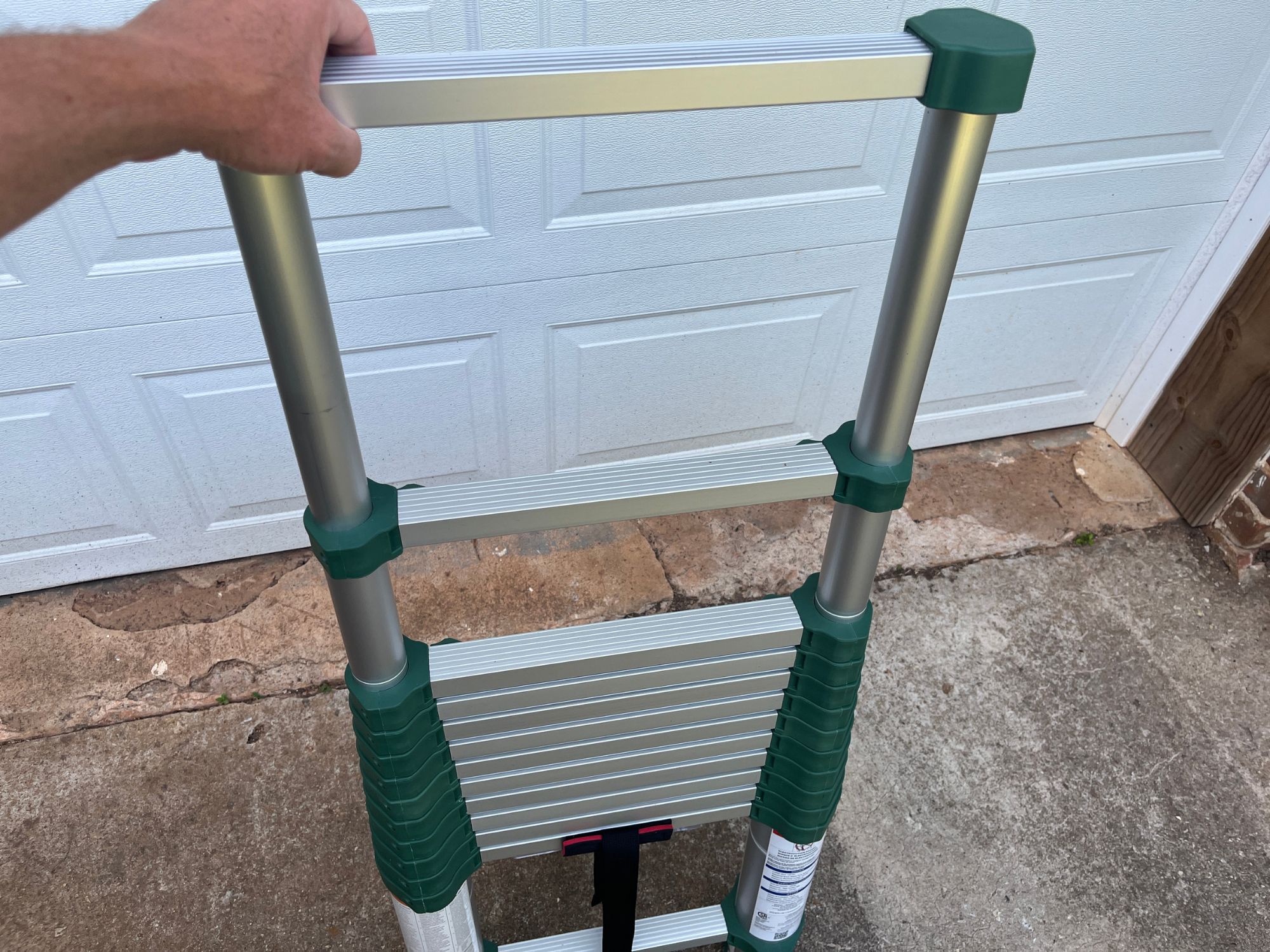
However, these conveniences carry inherent responsibilities. The testing data highlights a clear correlation between price, certification, and structural reliability. While budget-friendly models (under $100) often save money upfront, they frequently exhibit noticeable joint flex, slippery retraction mechanisms, and questionable weight-capacity tolerances.
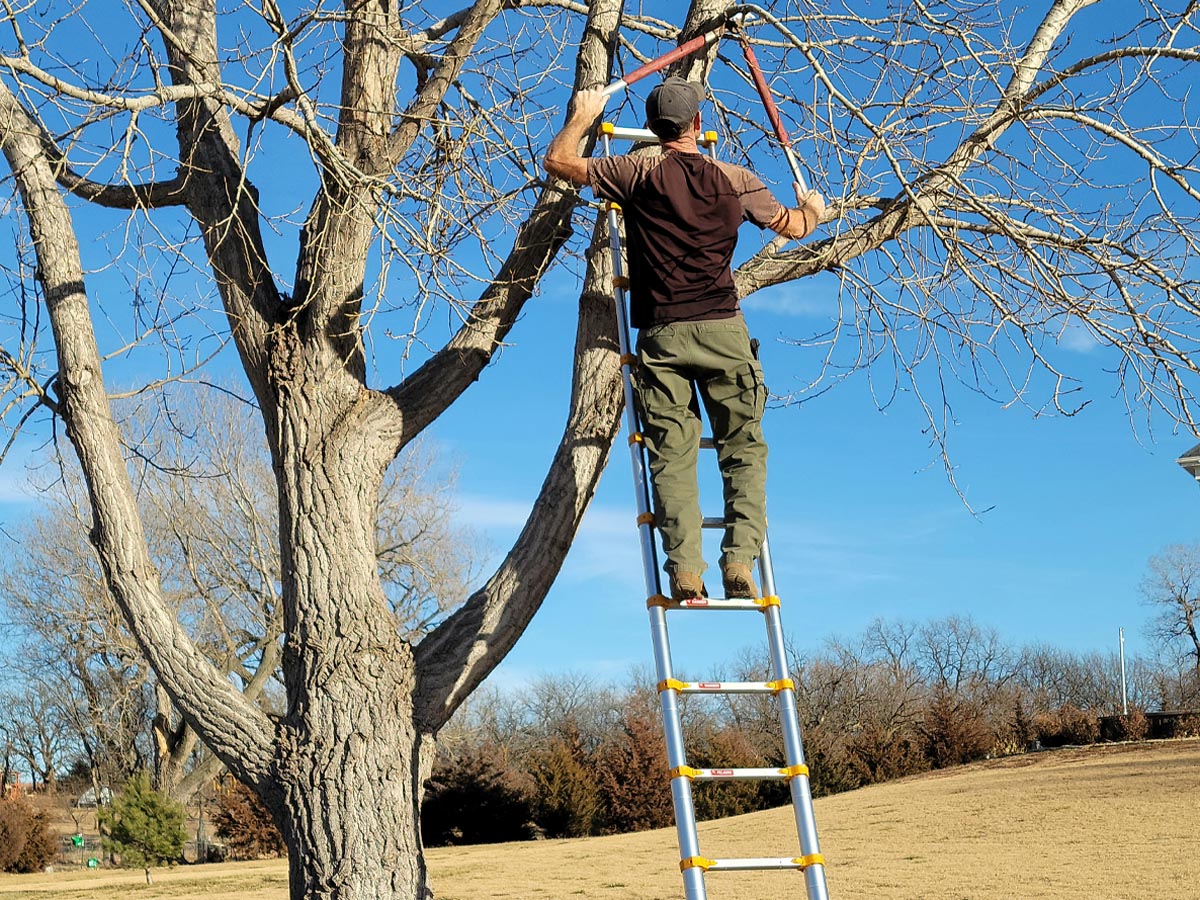
Moving forward, consumer safety watchdogs urge buyers to carefully assess their specific project requirements. For simple interior painting or gutter cleaning, a certified, mid-sized telescoping model like the Xtend+Climb series offers the optimal blend of safety and space-saving storage. For complex construction, roofing, or uneven stairwell work, heavy-duty multi-position systems remain the gold standard.
Golden Rules of Ladder Safety
- DO inspect all locking pins, feet, and rails for wear and tear before every single use.
- DO ensure the ladder is positioned at the correct 75-degree angle when used as an extension ladder.
- DON’T ever stand on the top three rungs of a telescoping ladder or exceed the manufacturer’s maximum load rating.
- DON’T attempt to adjust or retract telescoping segments while a user is standing on the structure.
