

As autumn arrives and trees burst into vibrant shades of amber, crimson, and gold before shedding their foliage, suburban homeowners face a recurring seasonal ritual: yard cleanup. While the traditional lawn rake remains a classic, time-tested implement for gathering fallen leaves, modern power tools have revolutionized property maintenance. Leaf blowers and leaf vacuums save significant time and physical exertion, transforming a grueling weekend project into a manageable task.
However, many property owners misunderstand the distinct applications of these machines. While a leaf blower excels at gathering scattered foliage into manageable mounds, a leaf vacuum offers specialized capabilities—most notably, immediate mulching and precise cleanup in tight garden spaces. Understanding how each tool operates, when to deploy them, and which products lead the market can help homeowners maximize efficiency and protect their landscaping investments.
Main Facts: Blowers vs. Vacuums at a Glance
Choosing the right tool for autumn yard maintenance requires understanding the fundamental differences in how leaf blowers and leaf vacuums operate:
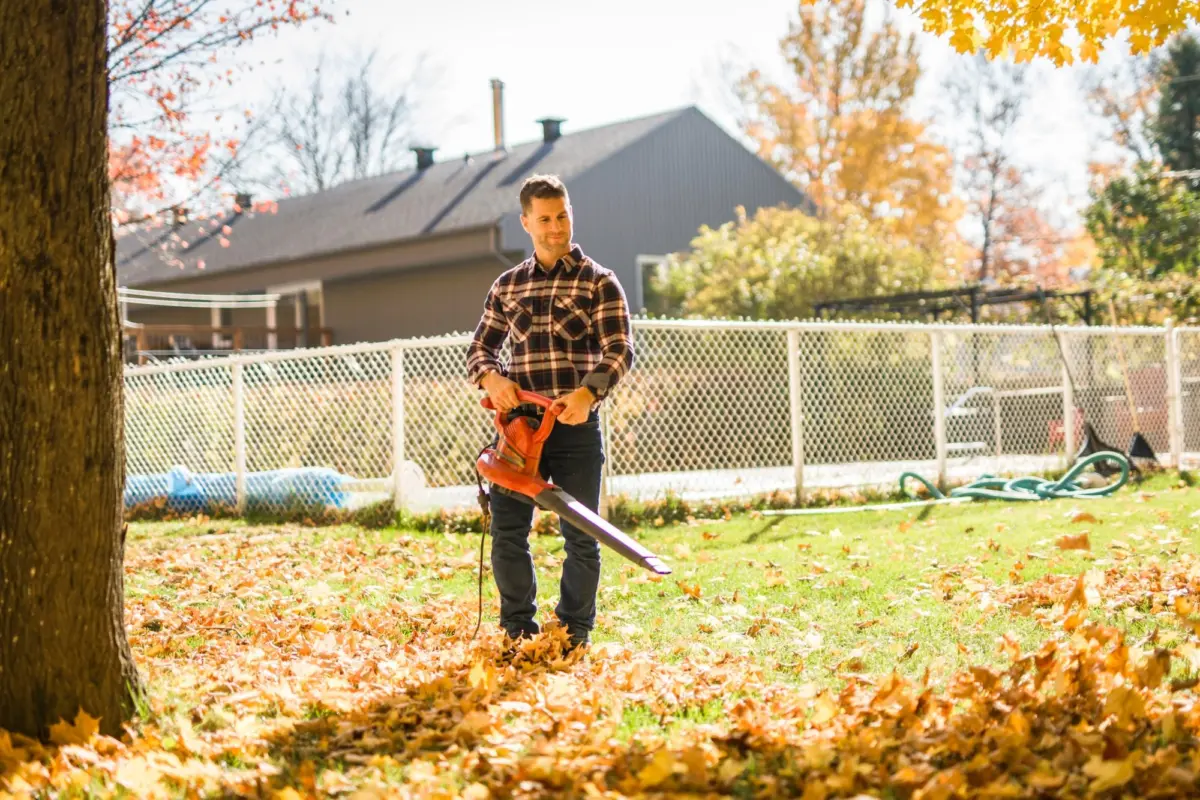
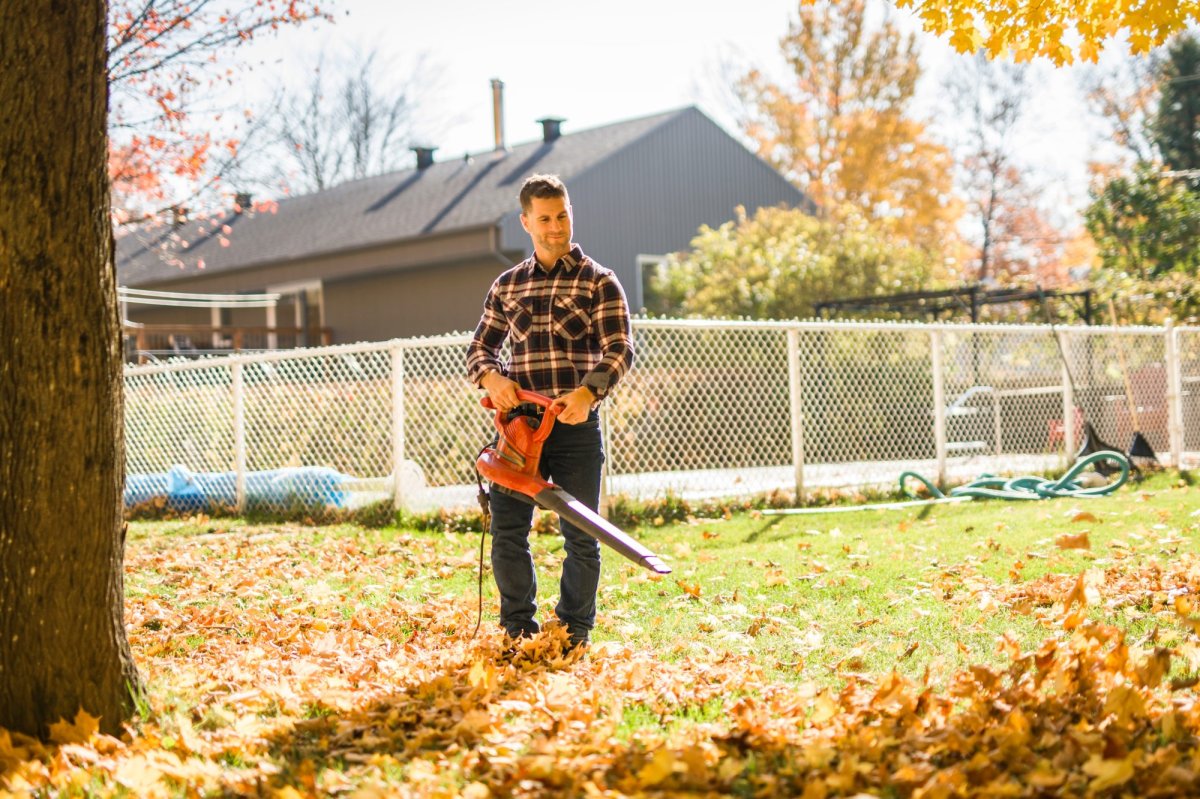
- Leaf Blowers: These tools generate a high-velocity airstream designed to move large quantities of dry leaves, grass clippings, and light debris across open lawns, driveways, patios, and walkways. They are available in gas-powered, corded electric, and battery-powered cordless configurations, spanning handheld units, backpack models, and heavy-duty walk-behind variants.
- Leaf Vacuums: Operating on the reverse principle, leaf vacuums draw fallen foliage through an intake tube and into a collection bag, functioning much like an outdoor household vacuum. Their primary advantage lies in their integrated mulching systems, which shred leaves as they enter the machine, drastically reducing debris volume for composting or disposal.
- Combination Units: Many modern handheld tools offer a two-in-one feature, allowing users to convert a leaf blower into a vacuum and mulcher with simple tube and bag attachments. These units are ideal for small- to medium-sized yards with light debris.
Chronology of Fall Yard Care: A Seasonal Approach
Effective property maintenance is not a single weekend event; it follows a chronological progression as autumn transitions into winter.
Early Fall: Initial Clearing and Maintenance
As the first wave of leaves begins to fall, lawns remain largely active. This is the optimal time to deploy a lightweight, battery-powered leaf blower. Clearing light debris prevents leaves from matting down and smothering the turf underneath, which can cause lawn diseases or bare patches. Homeowners can also use blowers to clear patios, gutters (when dry), and walkways of seasonal dust and early-season clippings.
Peak Autumn: Heavy Accumulation and Mulching
When trees shed the bulk of their foliage, the volume of yard waste peaks. This is when leaf vacuums and combination units prove their worth. Instead of merely pushing piles around, homeowners can vacuum and mulch leaves simultaneously. The resulting organic material can be bagged for municipal green waste collection or repurposed directly into garden beds as a nutrient-rich mulch layer.
Late Autumn to Winter: Final Cleanup
Before the first permanent freeze or snowfall, a final sweep is critical. Heavy backpack blowers or walk-behind vacuums help clear stubborn, damp leaves from fence lines, window wells, and deep garden beds. Properly clearing the yard before winter ensures a healthy, green lawn when spring arrives.
Supporting Data: Selecting the Right Equipment
Industry experts emphasize that matching the equipment scale to the property size and debris type is essential for optimal performance and equipment longevity.
When to Use a Leaf Blower
According to Chris Ramos, a representative from Blain’s Farm & Fleet in Janesville, Wisconsin, leaf blowers are versatile implements useful throughout the year. "Leaf blowers help with clearing leaves, grass clippings, dust, and light debris, and are useful throughout the year for patios, garages, sidewalks, and seasonal cleanup," Ramos notes.
Tom Orr, CEO of Northwest Exteriors in Rancho Cordova, California, adds that "leaf blowers are most suitable for moving dry leaves in open and spacious outdoor areas."
For residential properties, industry leaders offer specific product recommendations based on yard size:
- Small- to Medium-Sized Yards: Landscape contractor and television personality Sara Bendrick recommends lightweight, low-noise models like the STIHL BGA 50 battery-powered blower, which offers effortless single-handed control for routine property maintenance.
- Large Properties: For expansive lawns, a backpack blower such as the STIHL BRA 280 (featuring a dual-battery onboard system for extended runtimes) provides the necessary power and endurance.
- Top Overall Pick: Independent testing highlights the Worx 40V Power Share Turbine Cordless Leaf Blower for its impressive motor efficiency, variable speed controls, and lightweight handling.
When to Use a Leaf Vacuum
Leaf vacuums shine in confined spaces where blowing debris is impractical or counterproductive. "A leaf vacuum is useful for collecting smaller piles and cleaning around garden beds, shrubs, and other tight spaces," explains Bendrick. "Because it shreds leaves as it collects them, it can also reduce their volume for disposal or composting."
- Best Budget Combo Unit: The Worx WG509 Trivac 2 Leaf Vacuum With Mulching System offers exceptional value, allowing users to switch between blowing, vacuuming, and mulching modes with the flip of a switch.
- Best Cordless Combo Unit: For those seeking freedom from extension cords, the Greenworks 24322 40V Cordless Leaf Blower Vacuum delivers strong suction power and reliable battery life, handling even slightly damp leaves with ease.
Official Guidelines and Expert Insights
Navigating power yard tools requires adherence to safety guidelines and mechanical limitations. Industry professionals emphasize several critical operational rules to prevent property damage and equipment failure.
The Wet Debris Dilemma
A common question among homeowners is whether a leaf vacuum can be used to clear wet leaves from lawns or gutters. Industry experts issue a firm warning against this practice.
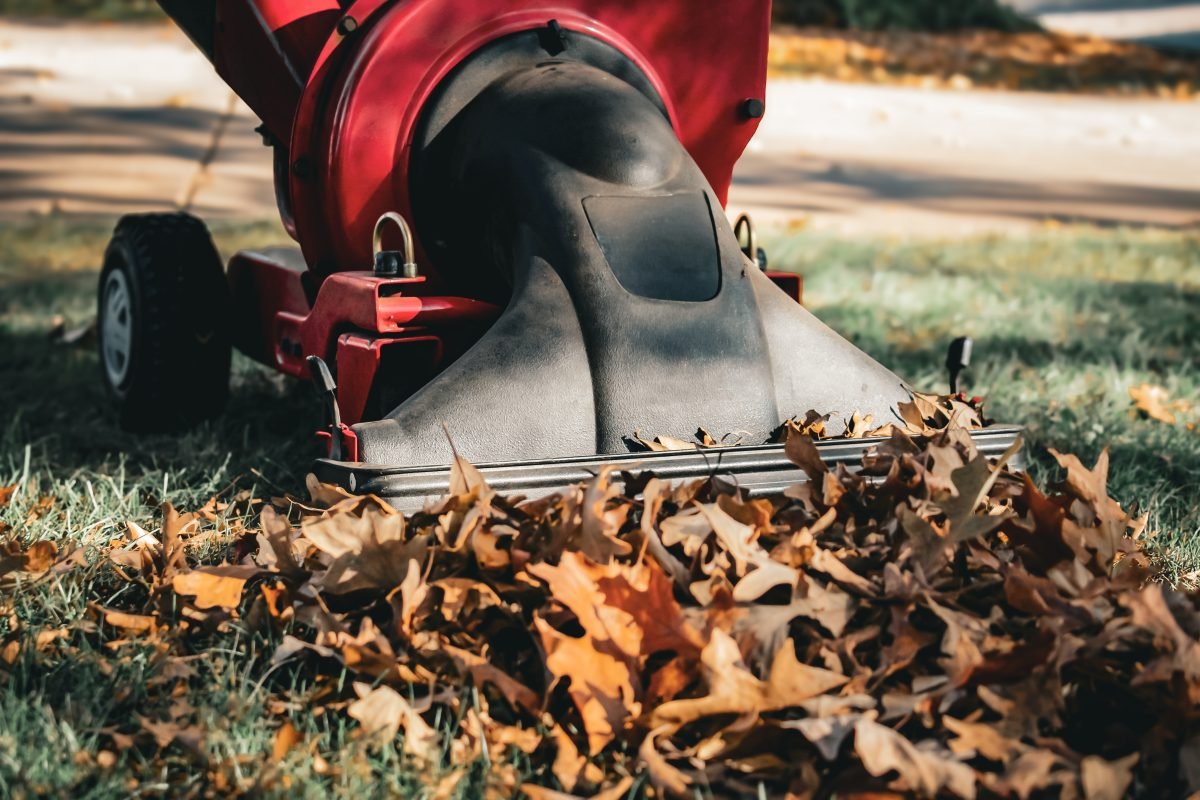
"A leaf vacuum generally shouldn’t be used as a substitute for wet/dry vacuums because the tools are designed to handle different types of material," explains Bendrick. While wet/dry shop vacuums are engineered to ingest standing liquids and saturated matter, leaf vacuums are strictly built for dry or lightly damp organic debris.
Because wet leaves quickly become heavy and compact, they easily clog intake tubes, jam internal shredding impellers, and rupture collection bags. "They may also damage the tool," warns Bendrick. "Unless the manufacturer specifically states that a leaf vacuum can handle wet material, it’s best to let damp leaves dry before collecting them and use a wet/dry vacuum for standing water or saturated debris."
Managing Combination Units
While combination blower-vacuums offer remarkable convenience, users must recognize their structural limitations. Ramos points out that handheld combination units are primarily engineered for light organic waste: "They can only pick up lighter debris, such as grass and weed clippings… The vacuum allows you to suck up small debris around the yard, and then the mulching feature grinds it up for future landscaping projects."
Implications for Homeowners and the Environment
Investing in the correct leaf management strategy carries notable financial, physical, and environmental implications.
Time and Ergonomics
Manually raking a half-acre lawn littered with wet autumn leaves can consume an entire weekend and result in severe back strain and blisters. Transitioning to power equipment drastically reduces labor time, allowing homeowners to reclaim their weekends. Selecting the appropriate weight class—such as upgrading from a heavy gas handheld unit to an ergonomic battery-powered backpack model—further reduces physical fatigue.
Environmental Stewardship
The mulching capability of modern leaf vacuums offers profound environmental benefits. Rather than bagging and sending yard waste to overcrowded municipal landfills, mulched leaves break down rapidly when returned to garden beds or added to compost bins. This natural mulch suppresses weed growth, retains vital soil moisture, and returns essential nutrients back into the ecosystem as it decomposes.
By understanding the distinct advantages and mechanical limitations of leaf blowers, vacuums, and combination units, homeowners can approach autumn yard maintenance with confidence, ensuring a pristine property and a healthy landscape for seasons to come.
