


Main Facts
Professional home cleaners deal with the worst of the worst on a daily basis: caked-on grime, multi-layered grease, hidden mold, and architectural layouts that seem intentionally designed to defy human reach. While homeowners often focus their weekly tidying on high-traffic surfaces like countertops and coffee tables, industry veterans notice the deeply neglected zones that get quietly ignored for months—or years.
Recently, we consulted several seasoned cleaning executives and operations managers from across North America—including representatives from Costina Cleaning Services in Virginia, Cleanzen Cleaning Services in Massachusetts, Cubby Bear Cleaning in Illinois, and the sustainable cleaning firm Plastno in Ontario—to identify the absolute most exasperating areas of a home to clean.
According to these pros, the top five most annoying household cleaning challenges are:
- Glass shower doors
- Windows and window tracks
- Baseboards
- Kitchen appliance interiors (ovens and microwaves)
- Range hoods and filters
Rather than leaving homeowners to tackle these stubborn trouble spots with trial and error, these professionals have shared their battle-tested, high-efficiency methods for conquering each one with minimal physical strain.

Chronology: The Evolution of Professional Cleaning Advice
For decades, domestic cleaning advice was passed down anecdotally through generations, relying heavily on elbow grease, abrasive powders, and harsh chemical cocktails. However, as residential architecture shifted toward modern, open-concept layouts featuring expansive glass, stainless steel appliances, and intricate custom millwork, the nature of household buildup changed dramatically.
- The Pre-2000s Era: Cleaning primarily focused on sweeping, mopping, and basic dusting. Specialty products were scarce, and homeowners relied on multi-purpose scouring powders that often scratched delicate glass and acrylic surfaces.
- The Rise of Specialized Chemistries (2000s–2010s): The market flooded with targeted products—such as dedicated soap scum removers, heavy-duty oven cleaners, and micro-fiber textiles—which revolutionized how professionals approached deep-cleaning tasks.
- The Modern Sustainable & Ergonomic Shift (Present Day): Today’s cleaning experts emphasize a blend of targeted chemical efficacy (such as professional-grade enzymatic degreasers) and ergonomic tools (like telescopic squeegees and detailing brushes) to protect workers from physical strain while cutting down cleaning times. Furthermore, green initiatives have popularized DIY staples like baking soda pastes and steam-softened grease removal.
Supporting Data & Expert Insights: Breaking Down the Big Five
1. Glass Shower Doors
Glass shower enclosures are a visual centerpiece of a modern bathroom, but they are notoriously difficult to keep pristine. Sham Zemichael, owner and operations manager at Costina Cleaning Services LLC in Arlington, Virginia, points out that soap scum quickly cements itself to the glass pane, while the bottom rubber seal becomes a breeding ground for thick mold growth.
"It takes a lot of steps and multiple products to clean, so naturally it can get annoying," Zemichael explains.
- The Professional Fix: Zemichael recommends spraying a professional-grade cleaner, such as Zep Shower, Tub & Tile Cleaner, across the entire glass surface. Allow it to dwell for a few minutes before scrubbing gently with a soft, wet cloth. Rinse thoroughly and immediately use a squeegee. For daily maintenance, he advises utilizing a dish-wand filled with Dawn Power Wash after every shower, followed by a weekly deep-clean.
2. Windows and Window Tracks
Windows present a dual challenge: the glass itself (especially hard-to-reach exterior panes) and the narrow window tracks that collect outdoor debris.
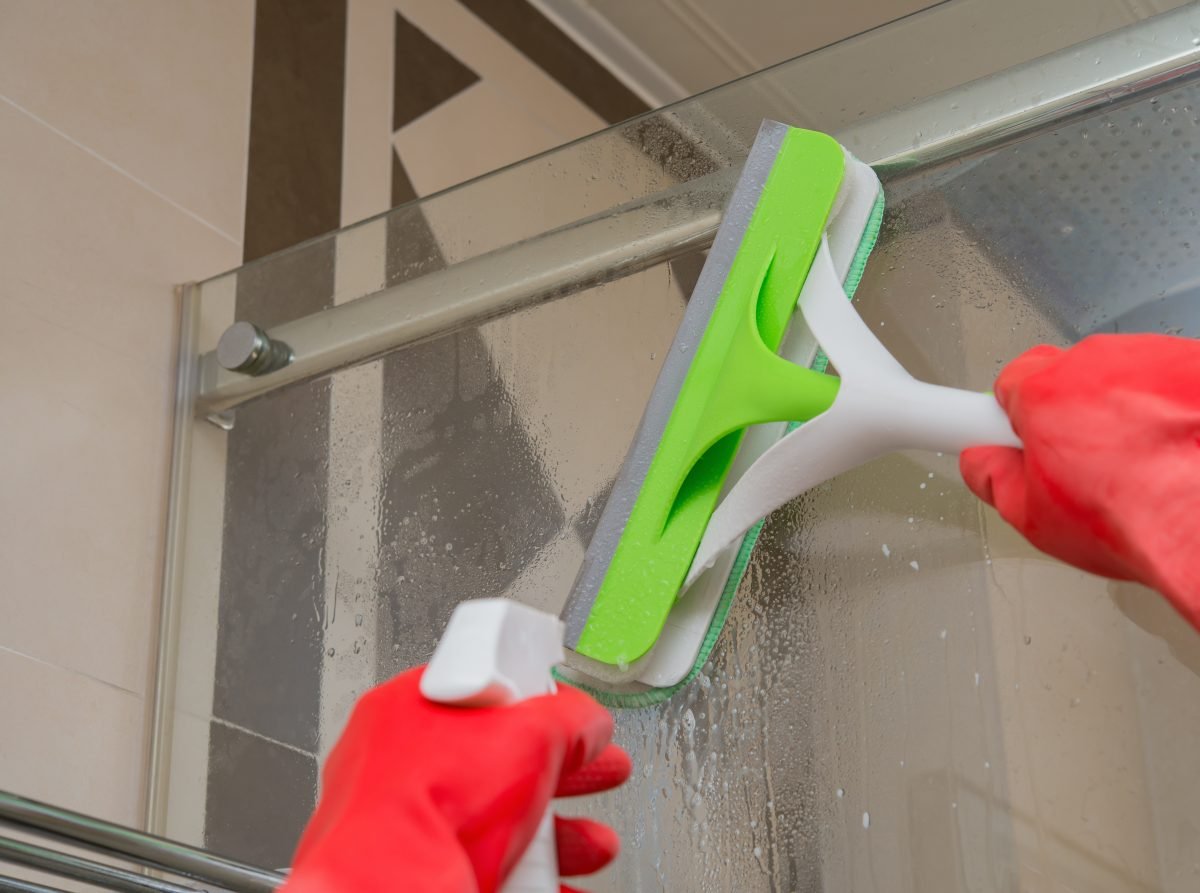
"Awning windows, especially when on higher floors where they can’t be cleaned straightforwardly on the outside, can become a literal cause of pain, but you should still be cleaning them at least once a month," notes Zemichael.
Meanwhile, Arthuza Rabelo of Cleanzen Cleaning Services in Boston highlights window tracks as a major annoyance. "You really have to use a small detailing brush or a very specific brush for it since dirt, dust, insects, sand, soil, and moisture build up there."
- The Professional Fix: For high or awkward windows, pros rely on telescopic squeegees featuring swiveling heads and attached sponges. For window tracks, Rabelo recommends a three-step method: loosen the debris with a fine detailing brush, vacuum out the loose particles using a crevice tool, and wipe down the track with a damp microfiber cloth.
3. Baseboards
Baseboards run along the perimeter of nearly every room in a house, putting them at floor level where they continuously collect airborne dust, pet hair, and scuff marks from shoes and furniture.
Ben Pullman, founder of Cubby Bear Cleaning in Chicago, calls baseboards a major pain point. "Often overlooked by cleaners, baseboards are a pain to clean because they cover every wall in the whole house and are at floor level." Cleaners are forced to either use long-handled dusters or bend over continuously, placing immense strain on the lower back.
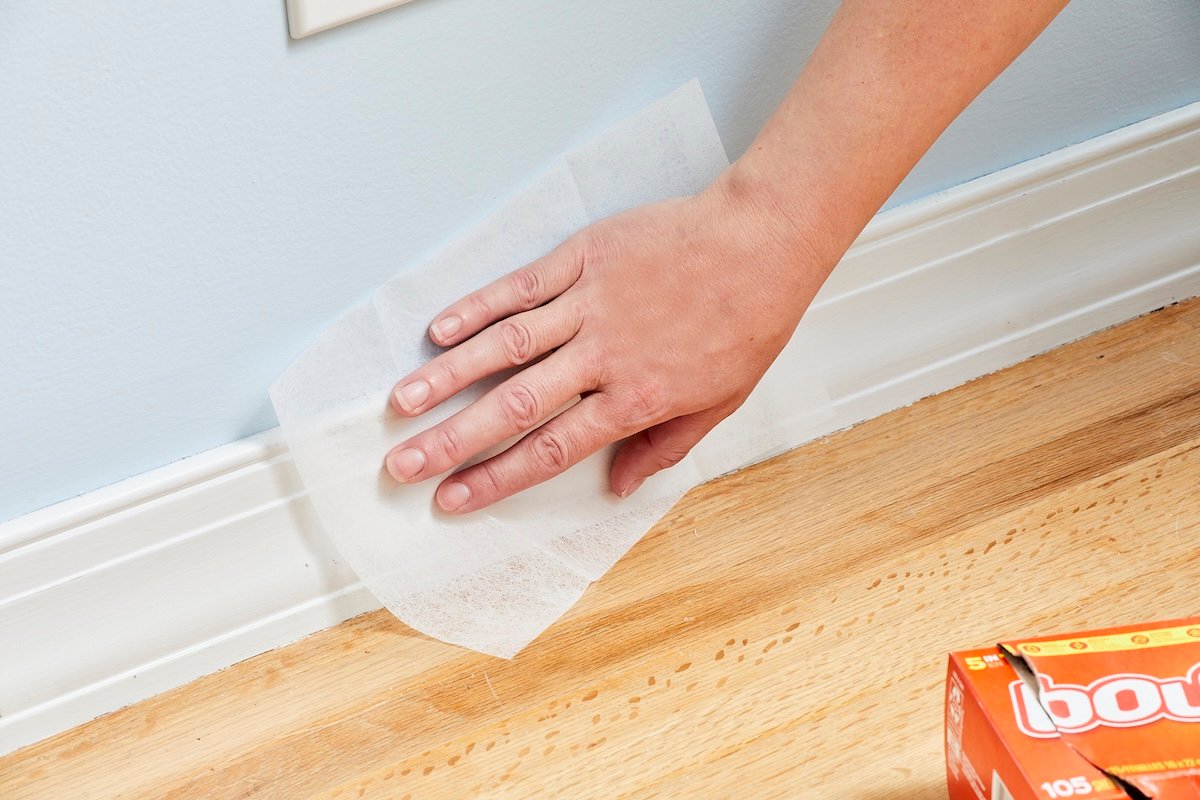
- The Professional Fix: Pullman suggests using an extended-wand duster for routine dust removal. For scuff marks, a damp microfiber cloth paired with an all-purpose cleaner or a melamine foam eraser (like a Magic Eraser, depending on the paint finish) will easily lift black marks. Baseboards should ideally be addressed every 1 to 2 weeks.
4. Inside Ovens and Microwaves
Kitchen appliances are subjected to intense heat, which bakes food splatters and oils directly onto interior surfaces.
"Baked-on grease from months of use is a pain to clean and does not come off easily," says Pullman regarding oven interiors. Microwaves suffer a similar fate, where food explosions dry into rock-hard spots. Julian Silva, founder of Plastno, notes that these splatters harden like cement if left unaddressed.
- The Professional Fix for Ovens: Remove racks and soak them in hot, soapy water in the bathtub. Apply a paste of baking soda and water to the oven’s interior walls, seal the door, and let it sit overnight. The next day, mist the paste with white vinegar and wipe away the dissolved grease with damp rags. Commercial cleaners like Easy Off can serve as a faster alternative.
- The Professional Fix for Microwaves: Silva recommends placing a microwave-safe bowl of water inside the appliance and heating it for a few minutes. The resulting steam softens dried food particles, allowing you to easily wipe them away with a reusable cloth or damp sponge.
5. Range Hoods and Filters
Positioned directly above the cooktop, range hoods capture airborne grease, smoke, and steam every time you cook. If neglected, they become sticky fire hazards.
"While the exterior and the underside should be cleaned every couple of weeks and the filters every month, many of our clients simply wait for us to clean up a year’s mess," Zemichael states.
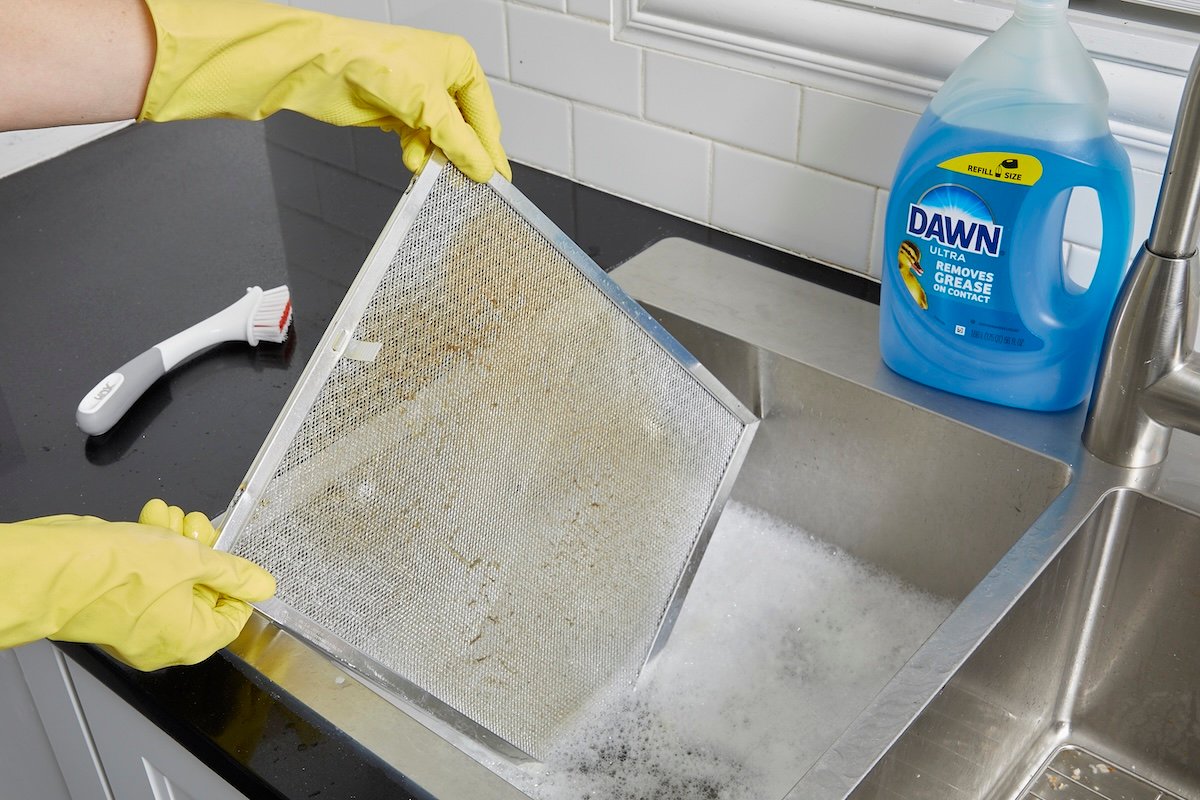
- The Professional Fix: Remove the metal mesh filters and submerge them in a basin of very hot water mixed with concentrated dish soap and a heavy-duty degreaser. Scrub gently, rinse, and let dry. Next, wipe down the hood housing, underside, and fan intake area using a professional degreaser, paying special attention to the zone directly over the burners where grease pools most heavily.
Official Responses and Industry Consensus
Cleaning industry trade groups and independent service providers universally agree that consumer frustration with these five specific zones stems from a lack of ergonomic foresight in home design and a misunderstanding of dwell times.
According to cleaning operations experts, consumers often make the mistake of spraying a cleaner and wiping it away immediately. Professional methodology relies heavily on dwell time—allowing chemical formulas, enzymatic sprays, steam, or baking soda pastes sufficient time to chemically break down molecular bonds before any physical scrubbing takes place. By altering this single variable, cleaning professionals report that physical effort can be reduced by up to 50%.
Furthermore, industry leaders advocate for preventative micro-habits—such as post-shower squeegees and weekly microwave steam treatments—which prevent minor maintenance tasks from compounding into grueling weekend projects.
Implications for Homeowners
Understanding the pain points of professional cleaners offers valuable takeaways for everyday homeowners looking to maintain a pristine living space with less stress:
- Invest in the Right Specialized Tools: Standard rags and all-purpose sprays are rarely sufficient for complex architectural features. Purchasing a quality squeegee, a set of fine detailing brushes, a telescopic duster, and microfiber cleaning cloths fundamentally changes the efficiency of household chores.
- Prioritize Preventative Maintenance: Implementing small daily habits—like wiping down the microwave after a messy meal or running a squeegee over shower glass—drastically reduces the time required for deep-cleaning sessions.
- Protect Your Physical Health: Constantly bending down to scrub baseboards or stretching awkwardly to reach exterior windows can lead to musculoskeletal strain. Utilizing extended-handle tools and ergonomic cleaning techniques protects joints and reduces fatigue.
- Embrace Chemical Dwell Time: Rushing the cleaning process forces you to rely on brute physical force. Letting commercial cleaners or natural DIY pastes sit on tough stains for 15 minutes to overnight lets chemistry do the hard work for you.
